Patient Guide

7 Bypass Surgery Complications & How to Prevent Them
Patient Guide, Cardiac Surgery

7 Bypass Surgery Complications & How to Prevent Them

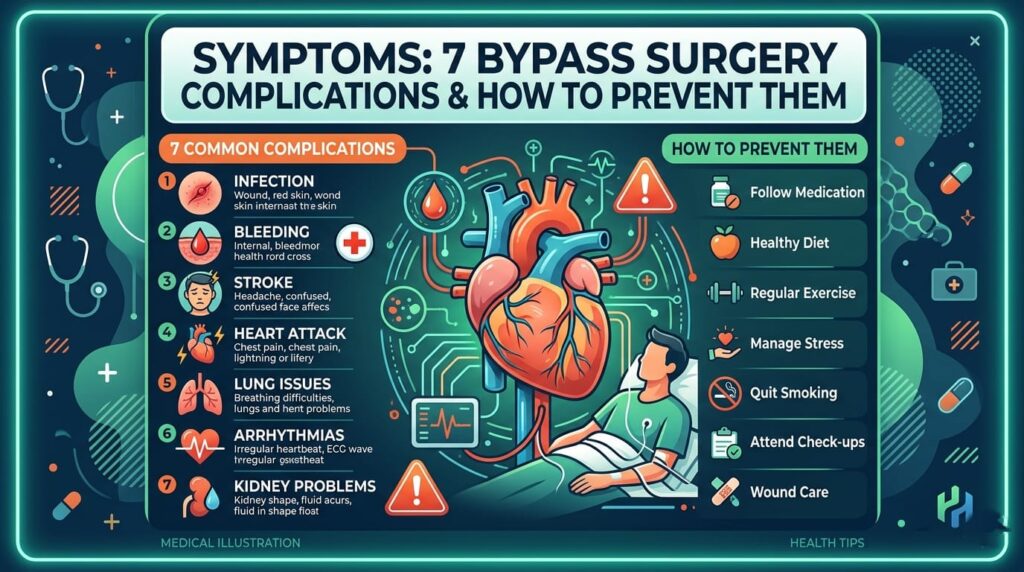
Undergoing heart surgery is a major life event, and feeling anxious about the recovery process is entirely normal. Patients and their families often spend late nights researching the internet, trying to understand what to expect after leaving the operating room. While modern medicine has made this procedure incredibly safe, being aware of potential bypass surgery complications is the smartest way to ensure a smooth recovery. Knowledge is your best defense. When you know what to look out for, you can act quickly and work alongside your medical team to stay healthy. That is why top cardiothoracic experts, like Dr. Ved Prakash, emphasize patient education. By understanding your body, you can take proactive steps to protect your heart. What Are Bypass Surgery Complications? Coronary Artery Bypass Grafting (CABG) is a highly effective procedure used to treat severe heart disease. Surgeons take a healthy blood vessel from another part of your body and use it to create a detour—or bypass—around a blocked artery. This restores healthy blood flow to your heart muscle. However, because this is a major, invasive surgery, the body experiences significant stress. Bypass surgery complications refer to the medical issues, side effects, or setbacks that can occur during or after this procedure. Some complications are minor and easily treated, while others require immediate medical intervention. Let’s break down the most common ones. The 7 Major Bypass Surgery Complications 1. Bleeding and Blood Loss It is very common to experience some bleeding after any major surgical operation. However, excessive bleeding from the chest tubes or the incision site is one of the most immediate bypass surgery complications doctors watch for. To prevent severe blood loss, your surgical team will monitor you around the clock in the Intensive Care Unit (ICU) immediately following your operation. How to prevent it: Stop taking blood-thinning medications (like aspirin or warfarin) exactly when your doctor tells you to before surgery. Under the care of specialists like Dr. Ved Prakash, strict pre-surgery blood testing is conducted to minimize these risks. 2. Heart Arrhythmias (Irregular Heartbeats) After the heart is handled during surgery, it can become irritated. This irritation often leads to atrial fibrillation, a type of irregular heartbeat. This is among the most frequent bypass surgery complications, occurring in up to 30% of patients. While it can feel scary and cause a fluttering sensation in your chest, it is usually temporary and highly treatable. How to prevent it: Take all prescribed beta-blockers or anti-arrhythmic medications on schedule. Limit caffeine and stress during your initial recovery weeks at home. 3. Infections at the Incision Site Your surgeon will make an incision in your chest, and possibly in your leg or arm if a blood vessel was harvested from there. Any break in the skin carries a risk of bacterial infection. If the area becomes red, warm to the touch, or starts oozing fluid, you must act fast. Deep sternal wound infections are rare but serious bypass surgery complications that require prompt antibiotic treatment. How to prevent it: Keep your incision sites clean and dry exactly as instructed by your nursing team. Wash your hands thoroughly before touching the wound area. Monitor for fever and report any temperature spikes to your doctor immediately. 4. Kidney Function Issues During surgery, your body’s blood flow is temporarily altered, sometimes using a heart-lung bypass machine. This sudden change in blood pressure can put stress on your kidneys, leading to temporary kidney impairment. For most patients, kidney function returns to normal within a few days. However, patients with pre-existing diabetes or kidney issues face a higher risk. How to prevent it: Stay perfectly hydrated before and after your surgery according to your doctor’s guidelines. Dr. Ved Prakash and his medical team carefully monitor fluid levels and blood pressure during surgery to protect your vital organs. 5. Cognitive Decline (Brain Fog) Many patients complain of feeling confused, having memory lapses, or struggling to concentrate in the weeks following their operation. Often referred to as “pumphead,” this is one of the more frustrating bypass surgery complications. Fortunately, this cognitive decline is usually temporary. Most patients regain their full mental sharpness within six to twelve months. How to prevent it: Engage in light mental exercises like reading or solving simple puzzles during recovery. Ensure you get adequate, uninterrupted sleep every night to allow your brain to heal. 6. Blood Clots and Stroke Risk Whenever blood flow is altered, there is a risk of blood clots forming in the body. If a clot breaks loose and travels to the brain, it can cause a stroke. This is a severe risk that medical teams take extreme precautions to prevent. The risk is highest in the first few days after surgery, which is why movement and medication are heavily emphasized in the hospital. How to prevent it: Wear compression stockings provided by the hospital to keep blood flowing in your legs. Start walking as soon as your medical team gives you the green light—movement is your best defense against blood clots! 7. Pneumonia or Breathing Difficulties General anesthesia and the use of a breathing tube during surgery can leave your lungs vulnerable to fluid buildup. If this fluid is not cleared, it can lead to pneumonia—one of the most common respiratory bypass surgery complications. You will likely feel chest pain when coughing or taking deep breaths, which makes patients hesitant to breathe deeply, worsening the problem. How to prevent it: Use your spirometer (the breathing device given to you in the hospital) exactly as directed. Hold a pillow firmly against your chest when you cough; this reduces pain and protects your sternum while clearing your lungs. General Tips to Avoid Bypass Surgery Complications Minimizing the risk of bypass surgery complications doesn’t end when you leave the hospital. Your home routine is just as crucial. A successful recovery requires strict discipline, emotional support, and following your doctor’s advice to the letter. Here are the golden rules for a complication-free recovery: Follow your medication schedule strictly: Never skip doses

How to Improve Your Heart Health Today: Dr. Ved Prakash's Guide
Patient Guide

How to Improve Your Heart Health Today: Dr. Ved Prakash’s Guide

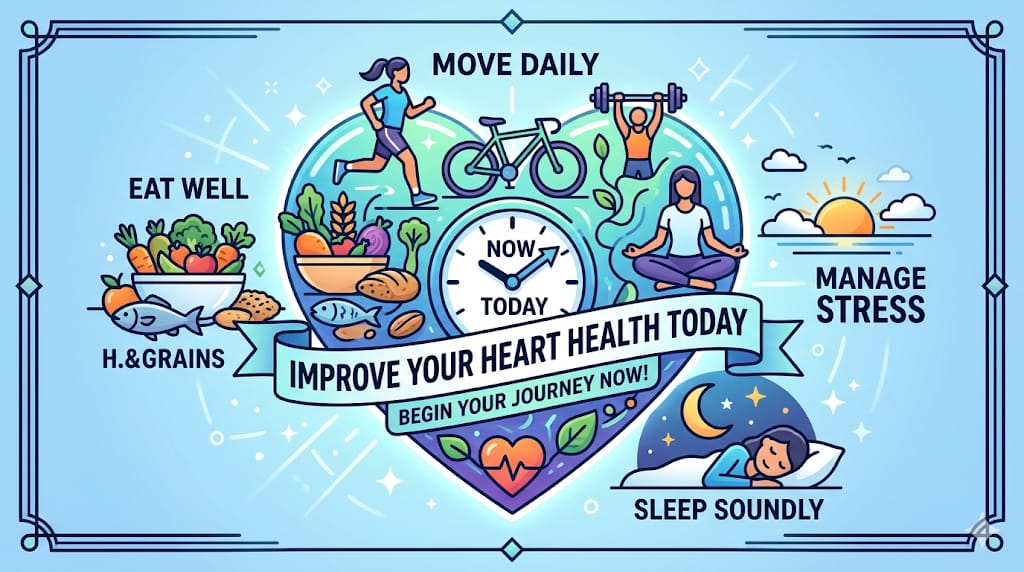
Improve Your Heart Health by taking care of your heart is the single most important step you can take for a long, active, and fulfilling life. In today’s fast-paced world, heart health is often ignored until a serious medical emergency forces us to pay attention. However, making simple, consistent daily habits can dramatically improve your overall cardiovascular health. You hold the power to prevent life-threatening conditions through better lifestyle choices. According to Dr. Ved Prakash, widely recognized as the best cardiac surgeon in Delhi NCR, prevention should always be your first line of defense. With over 8 years of trusted experience, he has seen firsthand how daily choices impact long-term well-being. As the Director of CTVS at Yatharth Super Speciality Hospitals, he handles the most complex cases, but his core message remains the same: protect your heart today. Whether you want to prevent disease or are recovering from heart surgery, this expert guide will help you take back control. 1. Fuel Your Body with a Heart-Healthy Diet What you put on your plate every single day directly impacts your blood pressure, arterial health, and cholesterol levels. A poor diet accelerates the buildup of plaque in your arteries. Dr. Ved Prakash recommends a natural, nutrient-dense diet to keep your heart muscle functioning smoothly and efficiently. Eating right is your strongest weapon against heart disease. Try adopting these actionable dietary habits starting today: Increase Soluble Fiber: Enjoy a daily bowl of oats, beans, or lentils to naturally trap and lower your bad cholesterol (LDL). Choose Healthy Fats: Swap refined cooking oils for olive oil, and snack on a handful of walnuts or almonds to reduce vascular inflammation. Watch Your Sodium: High salt intake forces your heart to work harder. Keep your daily sodium below 1,500 to 2,000 milligrams to stabilize blood pressure. Eat the Rainbow: Fill half your plate with colorful vegetables and fruits. They are packed with antioxidants that protect your blood vessels. Hydrate Properly: Drinking plenty of water keeps your blood easily pumpable, reducing the daily strain on your cardiovascular system. Making these small adjustments will create a powerful, lasting shield against potential cardiovascular diseases. 2. Move Your Body and Exercise Regularly The heart is an incredible muscle, and exactly like your biceps or quads, it requires a good workout to remain strong. A completely sedentary lifestyle is a massive risk factor for poor heart health. You absolutely do not need to run marathons or lift heavy weights to achieve a perfectly functioning heart. Consistent, moderate movement yields incredible long-term benefits. Dr. Ved Prakash advises his patients  to accumulate at least 150 minutes of moderate aerobic exercise every week. Here are the best ways to incorporate movement into a busy schedule: Take Brisk Walks: A simple 30-minute walk around your neighborhood drastically improves blood circulation and lowers resting heart rate. Cycle or Swim: These low-impact, joint-friendly exercises are excellent for building exceptional cardiovascular endurance. Use the Stairs: Ditch the elevator and climb the stairs. This mini-workout elevates your heart rate quickly and burns extra calories. Light Strength Training: Lifting light weights or using resistance bands twice a week reduces body fat, taking unnecessary load off your heart. If you have a pre-existing medical condition, always consult a top cardiac surgeon or your primary doctor before starting a new fitness routine. 3. Manage Daily Stress and Prioritize Sleep Mental health and heart health are deeply connected, yet stress management is often the most neglected part of wellness. Chronic, unmanaged stress keeps your body flooded with cortisol and adrenaline. This constant state of high alert elevates your blood pressure and drastically increases the risk of a sudden heart attack. Learning to relax is just as vital as eating broccoli or going for a run. Furthermore, poor sleep prevents your body from healing damaged tissues. Adults need 7 to 8 hours of uninterrupted sleep every night to maintain a robust cardiovascular system. Try these simple stress-busting and sleep-enhancing strategies: Deep Belly Breathing: Inhaling deeply for five seconds and exhaling slowly can lower your blood pressure in mere minutes. Create a Sleep Routine: Going to bed at the exact same time every night regulates your internal clock and improves sleep depth. Limit Screen Time: Turn off all digital screens at least an hour before bed. The blue light tricks your brain into thinking it is still daytime. Stay Socially Active: Spending quality time with loved ones releases oxytocin, a hormone that naturally lowers stress levels. Dr. Ved Prakash always reminds his patients that a calm, peaceful mind creates the ideal environment for a healthy heart. 4. Improve Your Heart Health by Quit Smoking and Moderate Alcohol Intake Smoking tobacco is one of the most destructive habits you can subject your blood vessels to. The harsh chemicals reduce the oxygen in your blood and aggressively damage arterial walls. Quitting smoking is unequivocally the best decision you can make for your heart health. Within just one year of quitting, your risk of severe heart disease is cut in half. Similarly, excessive alcohol consumption can weaken the heart muscle, raise blood pressure, and lead to serious heart failure over time. If you choose to drink, moderation is strictly required. Limit yourself to no more than one drink a day for women and two for men to keep your heart pumping effectively. 5. Never Skip Routine Screenings and Check-ups Many severe heart conditions are known as “silent killers” because they exhibit absolutely zero symptoms until a crisis occurs. High blood pressure and high cholesterol can quietly damage your body for years. This is precisely why scheduling regular medical check-ups is absolutely vital. Catching a vascular issue early can prevent the terrifying need for emergency heart surgery. You should actively monitor these four critical health numbers: Blood Pressure: Ensure your readings consistently stay around the ideal 120/80 mm Hg mark. Cholesterol Levels: Keep a close eye on your lipid profile, specifically maintaining high HDL (good) and low LDL (bad) cholesterol. Fasting Blood Sugar: Elevated blood sugar damages the

Patient Guide

Diet After Heart Surgery in India — What to Eat, What to Avoid, and the Ghee Question

Diet after heart surgery in India is the question that almost every patient and family asks at discharge — and the advice they receive is usually so generic (“eat healthy, avoid oil”) that it is practically useless for someone cooking Indian food at home. Dr. Ved Prakash, Director of CTVS at Yatharth Super Speciality Hospitals, Greater Noida, gives you the complete, practical India-specific guide — what to eat, what to avoid, what to do with ghee, and the most common mistakes patients make in the months after bypass or valve surgery. Why Diet After Heart Surgery in India Matters More Than Patients Realise Bypass grafts, stents, and repaired heart valves do not last forever by default. How long they last is significantly influenced by what happens to the coronary arteries and heart in the years after surgery. A poor diet accelerates plaque formation in grafted vessels, raises cholesterol, elevates blood pressure, and worsens blood sugar control. The operation buys you time and relief — your diet determines how many years that time lasts. The goal of diet after heart surgery in India is not punishment. It is making choices that protect what the surgeon created. For more on the broader picture of recovery, read about life after bypass surgery — week by week. What to Eat After Heart Surgery in India Grains and Rotis Best: Whole wheat roti (2–3 per meal), jowar roti, bajra roti, oats, daliya (broken wheat porridge), brown rice in moderate portions. These provide slow-digesting carbohydrates, fibre, and sustained energy without spiking blood sugar. Avoid: Maida-based products — puri, paratha made from maida, naan, white bread, biscuits. White rice in large quantities is acceptable occasionally but should not be the daily staple, particularly for diabetic bypass patients. Protein — Critical in the First 3 Months The sternum (breastbone) takes 6–8 weeks to heal after bypass surgery. Adequate protein is essential for this healing and for overall recovery. Indian diets are often protein-deficient — this must be corrected deliberately after surgery. Dal: 1–2 katori per day — moong, masoor, chana, toor. All excellent. The combination of dal and roti provides complete protein. Paneer: Low-fat paneer in moderate amounts — 50–75 grams per day is fine. Full-fat paneer in large quantities daily is too high in saturated fat. Curd (dahi): Plain, low-fat curd — excellent daily protein source and probiotic. Not sweetened. Eggs: 1 whole egg daily is acceptable for most patients. Egg white can be taken freely — no yolk restriction for patients whose cholesterol is controlled. Fish: Rohu, katla, sardine, mackerel — 3–4 times per week, grilled or steamed. Omega-3 rich and heart-protective. Chicken: Grilled or boiled breast, without skin — good lean protein source. Not fried. Vegetables No meaningful restriction on vegetables. Include 3–4 varieties daily — emphasis on green leafy vegetables (palak, methi, pudina), tomatoes, onions, garlic, bitter gourd (karela — helps blood sugar control). All sabzis should be cooked in 1 teaspoon of oil maximum per preparation. Fruits Two portions daily: guava, apple, papaya, orange, amla, berries. For diabetic bypass patients: avoid mango, banana, and chikoo in quantity — high sugar content. Amla deserves special mention — it is exceptionally high in vitamin C, which supports vessel integrity and wound healing. The Ghee and Oil Question — The Honest Answer This is the most frequently debated area of diet after heart surgery in India, and the most frequently over-simplified. Going completely oil-free after heart surgery is wrong. Dietary fat is essential for absorbing fat-soluble vitamins A, D, E, and K. Vitamin D deficiency — already epidemic in India — worsens after heart surgery if fat is eliminated from the diet. Patients who go oil-free often compensate by eating more refined carbohydrates, which raise triglycerides and blood sugar — both harmful to bypass grafts. The right approach to oil and ghee: Use 2–3 teaspoons total of oil per day in cooking — not per dish, per day Best oils: mustard oil, groundnut oil, rice bran oil. Olive oil is good but expensive for everyday Indian cooking and changes the flavour of dal. Avoid vanaspati (dalda), palm oil, and reused or overheated cooking oil Small amounts of homemade ghee — half a teaspoon occasionally — are not harmful for most patients. Commercially produced ghee or large daily quantities should be avoided. Coconut oil in large amounts (as used in Kerala cooking) is high in saturated fat and should be reduced after heart surgery If You Are on Warfarin After Valve Surgery — The Green Vegetable Issue Patients who have had a mechanical heart valve replacement take warfarin for life. Warfarin interacts with vitamin K, which is found in green leafy vegetables — palak, methi, sarson, dhania, pudina. The critical point: you do not need to avoid these vegetables. You need to eat a consistent amount of them week to week. If you have been eating palak twice a week and you suddenly eat it every day for a week, your INR will drop. If you suddenly stop eating green vegetables, it will rise. Consistency is the rule — not avoidance. What to Strictly Avoid After Heart Surgery in India Namkeen, papad, pickle, achar: Extremely high in sodium — raises blood pressure directly Restaurant and dhaba food: Unknown oil quality, very high sodium, very high fat — avoid for at least 6 months Fried foods of any kind: Puri, samosa, pakora, chips — eliminated for 12 months minimum Mithai and sweetened drinks: High sugar and saturated fat — particularly harmful for diabetic bypass patients. This includes packaged fruit juices. Alcohol: Avoid completely for 3 months minimum post-surgery. After that, maximum 1 standard drink per day if the cardiologist permits — and never if on warfarin without discussion with your doctor. Heart-Protective Foods to Add Daily Garlic: 2–3 raw or cooked cloves — modest LDL-lowering and antiplatelet effect Flaxseeds (alsi): 1 tablespoon ground daily — best plant-based omega-3 source in India Walnuts (akhrot): 4–5 daily — omega-3, vitamin E, anti-inflammatory Methi (fenugreek) seeds: Soaked overnight, taken in

Scroll to Top