
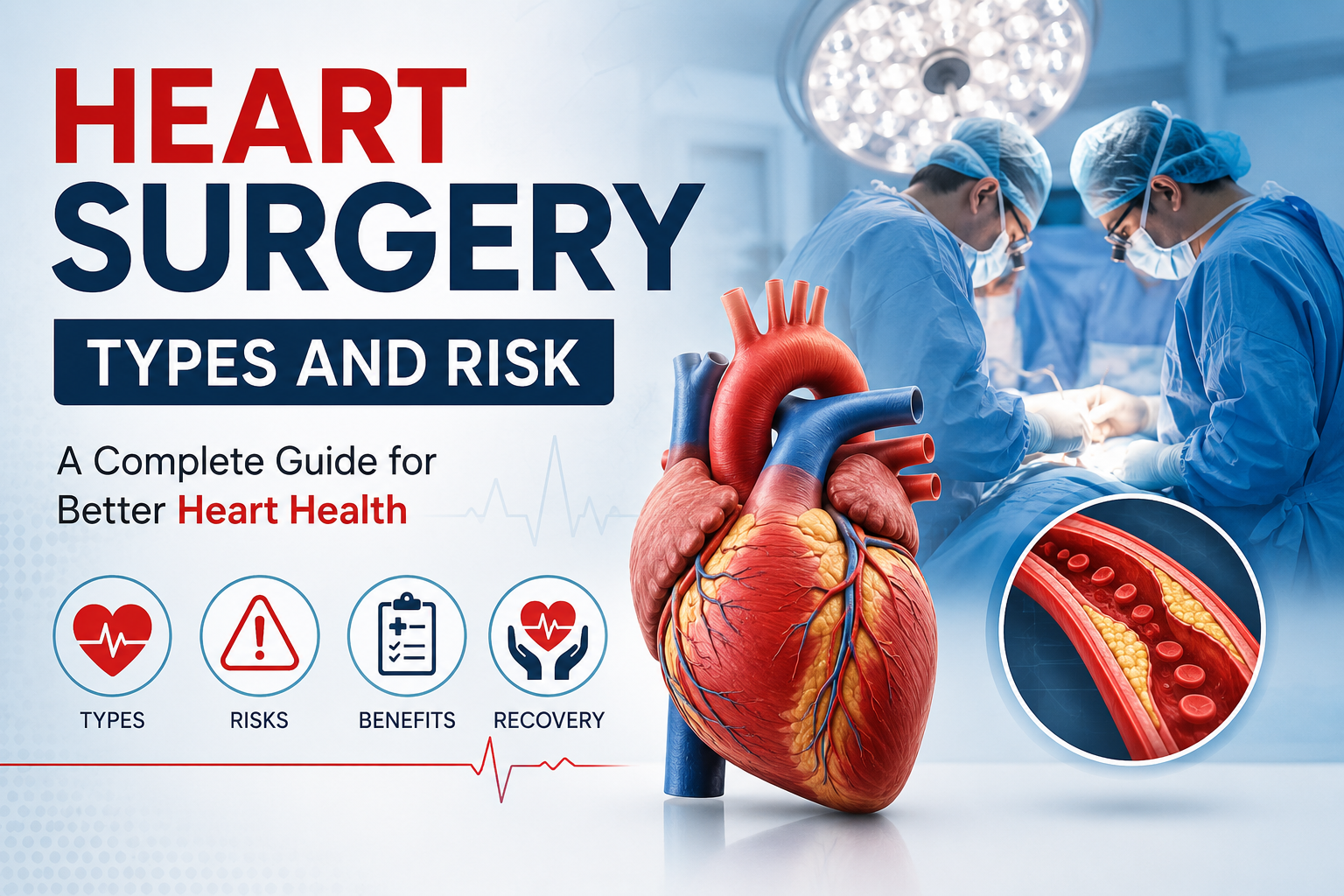
Heart surgery is a life-saving medical procedure performed to treat serious heart diseases that cannot be managed with medicines or lifestyle changes alone. Advances in cardiac surgery have made these procedures safer and more effective than ever before. Today, many patients recover well and return to their normal lives after surgery.
Although hearing the words heart surgery can be frightening, understanding the different procedures and their risks helps patients make informed decisions. Early diagnosis, proper treatment, and expert care can significantly improve outcomes and protect your heart health.
People with blocked arteries, damaged heart valves, irregular heart rhythms, or congenital heart defects may require surgery. The exact type of operation depends on the patient’s condition, age, and overall health. Consulting an experienced cardiac specialist is the first step toward receiving the right treatment.
Dr. Ved Prakash, an experienced cardiac specialist, believes that educating patients about cardiac surgery helps reduce fear and encourages timely treatment. Early consultation often leads to better recovery and fewer complications.
What Is Heart Surgery?
Heart surgery refers to operations performed on the heart or major blood vessels to restore normal function. These surgeries are recommended when medications, lifestyle modifications, or minimally invasive treatments are no longer enough to manage the condition.
Modern cardiac surgery uses advanced technology, highly skilled surgical teams, and improved post-operative care. As a result, patients experience better safety, reduced pain, and faster recovery compared to earlier decades.
Some procedures involve opening the chest, while others use minimally invasive techniques with smaller incisions. The best surgical approach depends on the patient’s diagnosis and the complexity of the heart condition.
The main goal of every heart surgery is to improve blood circulation, repair damaged structures, reduce symptoms, and enhance long-term heart health.
When Is Heart Surgery Needed?
Doctors recommend heart surgery only after carefully evaluating the patient’s condition. Surgery becomes necessary when heart damage is severe or when delaying treatment could increase the risk of life-threatening complications.
Some common situations where surgery may be advised include:
- Severe coronary artery disease causing blocked blood flow
- Heart valve diseases that prevent normal blood circulation
- Congenital heart defects present since birth
- Aortic diseases, including aneurysms
- Advanced heart failure requiring surgical support
- Irregular heart rhythms that cannot be controlled with medications
- Heart damage after a major heart attack
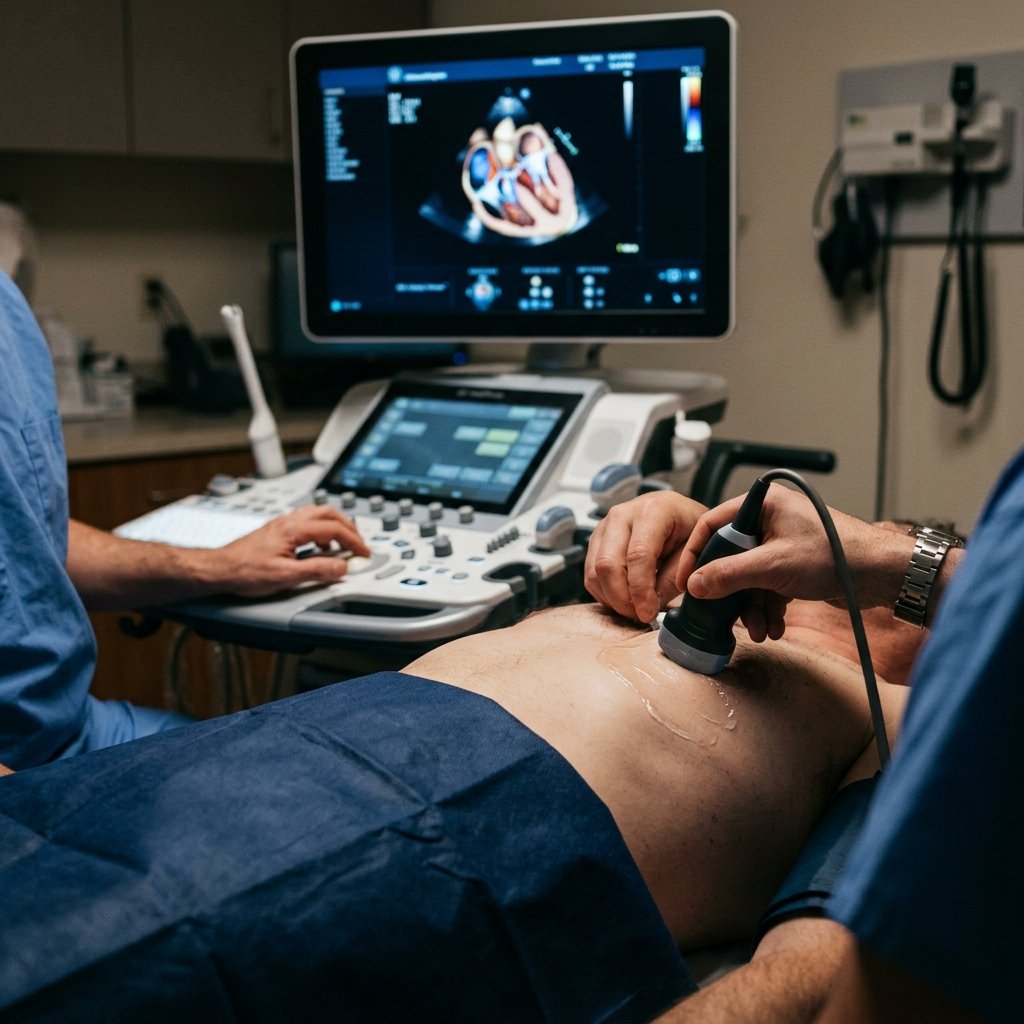
Every patient is different. A detailed evaluation, including ECG, echocardiography, angiography, CT scans, and blood tests, helps determine the most suitable cardiac surgery option while minimizing risks.
Common Types of Heart Surgery
Different types of heart surgery are performed depending on the patient’s condition. Choosing the right procedure helps improve recovery, reduce complications, and restore normal heart health. Below are the most common forms of cardiac surgery.
1. Coronary Artery Bypass Graft (CABG) Surgery
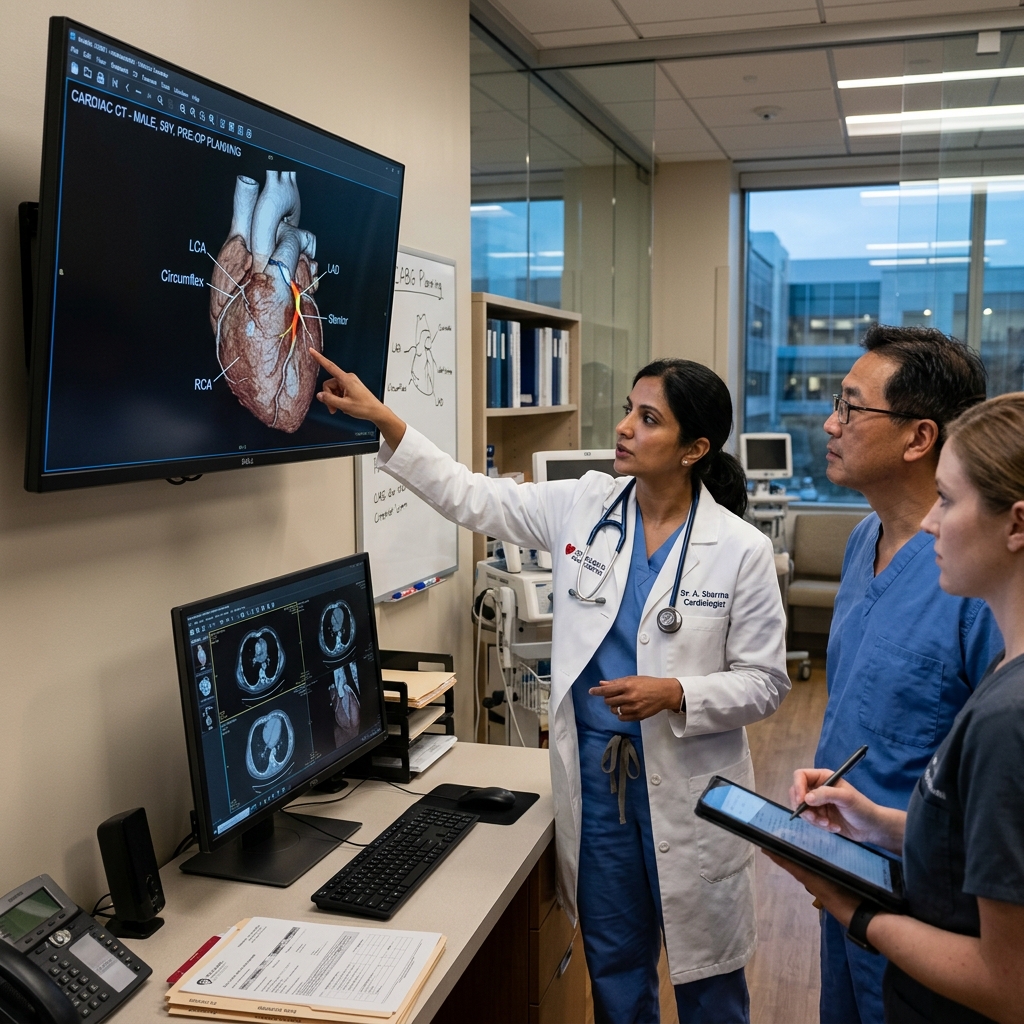
CABG, also known as bypass surgery, is one of the most common cardiac surgery procedures. It is performed when the coronary arteries become blocked due to plaque buildup, reducing blood flow to the heart muscle.
During this surgery, the surgeon uses a healthy blood vessel from another part of the body to create a new pathway for blood flow. This improves oxygen supply to the heart and helps relieve chest pain while reducing the risk of a future heart attack.
2. Heart Valve Surgery
Heart valves ensure that blood flows in the correct direction. When a valve becomes narrowed or starts leaking, it can affect the heart’s ability to pump blood efficiently.
Valve surgery involves repairing the damaged valve or replacing it with a mechanical or biological valve. This procedure improves blood circulation and protects long-term heart health.
3. Minimally Invasive Heart Surgery
Unlike traditional open-heart surgery, minimally invasive cardiac surgery uses small incisions and specialized surgical instruments. In many cases, surgeons also use robotic-assisted technology for greater precision.
Patients undergoing minimally invasive procedures often experience less pain, reduced blood loss, shorter hospital stays, and quicker recovery compared to conventional surgery.
4. Heart Transplant Surgery
A heart transplant is recommended for patients with end-stage heart failure when other treatments no longer provide relief. During the procedure, the diseased heart is replaced with a healthy donor heart.
Although recovery requires lifelong medications and regular follow-up, many patients enjoy a significantly improved quality of life after a successful transplant.
5. Surgery for Congenital Heart Defects
Some individuals are born with structural abnormalities in the heart. These conditions are called congenital heart defects and may require surgery during infancy, childhood, or adulthood.
Corrective heart surgery helps restore normal blood flow and allows patients to lead healthier and more active lives.
Possible Risks of Heart Surgery
Like any major operation, heart surgery carries certain risks. However, modern medical technology, experienced surgeons, and improved intensive care have greatly reduced the chances of serious complications.
The level of risk depends on factors such as age, overall health, diabetes, kidney disease, lung disease, previous surgeries, and the severity of the heart condition.
Some possible risks include:
- Bleeding during or after surgery
- Infection at the surgical site
- Blood clots
- Stroke
- Irregular heartbeat
- Kidney complications
- Lung infections
- Temporary memory or concentration problems
- Rare allergic reactions to medications or anesthesia
It is important to remember that the benefits of timely cardiac surgery usually outweigh these risks, especially when surgery is recommended by an experienced specialist.
Who Has a Higher Risk of Complications?
Certain patients have a greater chance of developing complications after heart surgery. Identifying these factors before surgery allows doctors to plan safer treatment and improve recovery.
Higher-risk patients may include:
- Adults above 70 years of age
- People with uncontrolled diabetes
- Patients with high blood pressure
- Smokers and tobacco users
- Individuals with obesity
- Patients with chronic kidney or lung disease
- People who have already undergone previous cardiac surgery
- Patients receiving emergency surgery after a severe heart attack
Dr. Ved Prakash carefully evaluates every patient’s medical history, diagnostic reports, and overall health before recommending surgery. This personalized approach helps reduce surgical risks and supports better recovery outcomes.
How to Prepare for Heart Surgery
Proper preparation plays an important role in the success of heart surgery. Following your doctor’s instructions before the procedure can reduce complications and support a smoother recovery. Patients should openly discuss their medical history, allergies, and current medications with their healthcare team.
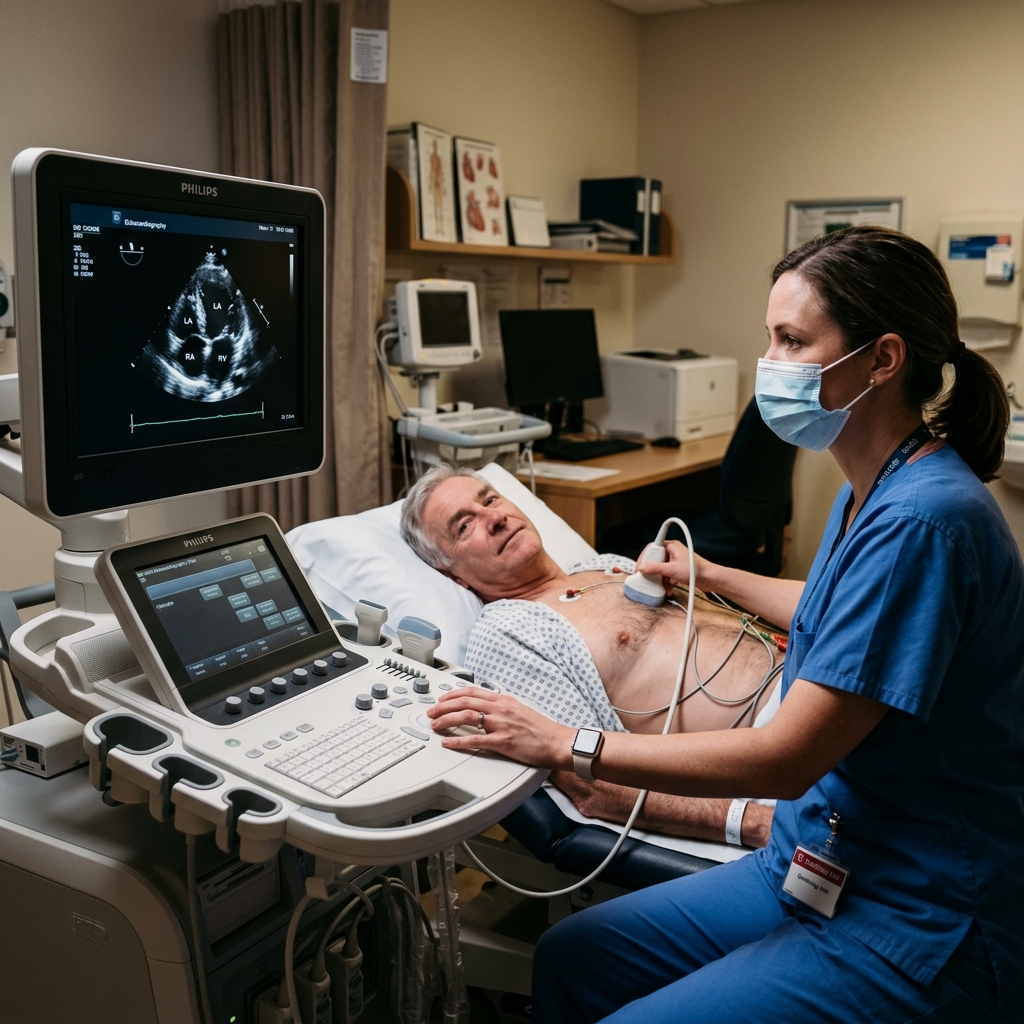
Before surgery, several tests such as blood investigations, ECG, echocardiography, chest X-rays, and angiography may be performed. Your doctor may also advise stopping certain medications, avoiding smoking, eating a balanced diet, and staying physically active as much as your condition allows. Good preparation strengthens the body and improves overall heart health.
📷 Insert Image Here – Patient Undergoing Pre-Surgery Cardiac Evaluation with ECG and Blood Tests
Recovery After Heart Surgery
Recovery after cardiac surgery varies from person to person and depends on the type of procedure performed. Most patients spend a few days in the intensive care unit before moving to a regular hospital room. Continuous monitoring helps ensure the heart is functioning well after surgery.
Once discharged, patients should gradually increase their daily activities while following medical advice. Walking, breathing exercises, and cardiac rehabilitation programs help improve strength and reduce the risk of future heart problems. Regular follow-up appointments are essential for monitoring healing and long-term heart health.
Tips for a Healthy Recovery
A healthy lifestyle is one of the best ways to support healing after heart surgery. Following your doctor’s recommendations can improve recovery and lower the chances of future complications.
Some important recovery tips include:
- Take prescribed medicines on time.
- Attend all follow-up appointments.
- Eat a balanced diet rich in fruits, vegetables, and whole grains.
- Reduce salt, sugar, and unhealthy fats.
- Avoid smoking and limit alcohol consumption.
- Maintain a healthy body weight.
- Perform doctor-approved physical activities.
- Control blood pressure, cholesterol, and diabetes.
- Get enough sleep and manage stress effectively.
These healthy habits not only speed up recovery but also improve lifelong heart health.
Can Heart Surgery Risks Be Reduced?
Although every surgery carries some risk, many complications can be minimized through proper planning and experienced medical care. Choosing a qualified cardiac surgeon, following pre-operative instructions, and maintaining a healthy lifestyle before surgery all contribute to better outcomes.
Patients should inform their doctor about all medications, previous illnesses, and allergies. After surgery, carefully following rehabilitation plans, taking medicines regularly, and attending scheduled check-ups further reduce long-term risks. Early detection of any warning signs also allows prompt treatment if needed.
When Should You Consult a Cardiac Specialist?
Do not ignore symptoms such as persistent chest pain, severe breathlessness, dizziness, unexplained fatigue, swelling in the legs, or irregular heartbeat. These may indicate serious heart conditions that require immediate medical attention.
Early diagnosis allows doctors to recommend the most appropriate treatment before complications become severe. Dr. Ved Prakash emphasizes that timely consultation, accurate diagnosis, and individualized treatment plans can significantly improve surgical success and protect long-term heart health.
Conclusion
Modern heart surgery has transformed the treatment of many serious heart diseases. Whether it is bypass surgery, valve repair, minimally invasive procedures, or heart transplantation, advances in cardiac surgery have made these treatments safer and more successful than ever before.
Understanding the different types of heart surgery, their benefits, and their possible risks helps patients make informed healthcare decisions. While every surgical procedure carries some level of risk, choosing an experienced specialist, preparing well before surgery, and following a healthy lifestyle afterward greatly improve the chances of a successful recovery.
If you or a loved one has been advised to undergo heart surgery, do not delay seeking expert guidance. Consulting an experienced cardiac specialist like Dr. Ved Prakash ensures comprehensive evaluation, personalized treatment, and compassionate care at every stage of your journey toward better heart health.