
Author name: Atul Manori

what we offer
Uncategorized

Dr. Ved Prakash | Best Cardiac Surgeon in Indore, Madhya Pradesh

Dr Ved Prakash Director & Head of Department – Cardiothoracic and Vascular Surgery (CTVS) Speciality Cardiac Surgery (Adult & Pediatric), Vascular Surgery, Thoracic Surgery, Minimally Invasive & Endovascular Procedures (TAVI/EVAR) Qualification MBBS, MS (General Surgery), MCh (Cardiothoracic and Vascular Surgery) Experience 8+ years with 10,000+ surgeries Hospital Yatharth Super Speciality Hospital Call Now Get Appoinment About Dr.Ved Prakash Best Cardiac Surgeon in Indore | Director & HOD – CTVS Dr. Ved Prakash is a highly experienced Cardiothoracic and Vascular Surgeon (CTVS) and Heart Specialist with over a decade of clinical expertise and a record of 10,000+ successful cardiac surgeries. Recognized as one of the best cardiac surgeons in Indore, he specializes in cardiac bypass surgery (CABG), heart valve repair and replacement, minimally invasive cardiac surgery (MICS), complex aortic procedures, and congenital heart defect repair. He completed his MBBS from GSVM Medical College, Kanpur, and earned his MS in General Surgery and MCh in Cardiothoracic and Vascular Surgery from the prestigious King George’s Medical University (KGMU), Lucknow. Before his leadership role, he honed his expertise at premier tertiary institutes, including Medanta – The Medicity, Narayana Health, and Sarvodaya Healthcare. Currently serving as the Director & Head of Department – CTVS, Dr. Ved Prakash is known for his surgical precision in keyhole procedures (MICS), total arterial CABG, complex pediatric heart surgeries, and endovascular interventions (TAVI/EVAR). He is committed to delivering patient-focused care with outstanding surgical outcomes across Central India. Read More Education & Qualifications MBBS: GSVM Medical College, Kanpur MS (General Surgery): King George’s Medical University (KGMU), Lucknow MCh (Cardiothoracic & Vascular Surgery): King George’s Medical University (KGMU), Lucknow Our Specialization and Expertise Coronary Artery Bypass Surgery Minimally Invasive Cardiac Surgery (MICS Heart Valve Repair and Replacement Pediatric & Congenital Heart Defect Repairs Aortic Surgery & Dissection Management Redo Cardiac & Vascular Surgeries Years Of Experience 0 + Surgeries Done 0 K+ Success Rate 0 % patient Patient Cases Testimonials Our patient Most Valuable Words Book Your Appointment Take the first step toward advanced heart care with Dr. Ved Prakash, a renowned cardiac surgeon in Indore. Dedicated to precise diagnoses, keyhole surgical techniques, and compassionate treatment, Dr. Ved Prakash is here to guide your journey toward better cardiac health. Please enable JavaScript in your browser to complete this form.Please enable JavaScript in your browser to complete this form.Full Name *Phone Number *Select ServicesChoose a serviceBypass Surgery(CABG)Heart Valve DiseasesAortic DiseasesPaediatric Cardiac CareVaricose Vein & DVTPVD TreatmentSecond OpinionOnline CosultationTAVI | TEVAR | EVARAddress Submit Frequently Asked Questions Who is the best cardiac surgeon in Indore? Dr. Ved Prakash is widely recognized as one of the leading cardiothoracic and vascular surgeons in Indore. With extensive experience in performing complex cardiac procedures, he specializes in Coronary Artery Bypass Grafting (CABG), heart valve repair/replacement, aortic surgeries, and minimally invasive cardiac operations. His clinical precision and high surgical success rate make him a top choice for cardiac care in the region. Q: Who is the best cardiac surgeon in India? Dr. Ved is highly regarded across the Indian medical fraternity for his exceptional surgical expertise and clinical leadership. Beyond his core practice, he is regularly invited as a visiting expert to top hospitals and super-specialty cardiac centers across multiple cities in India to perform high-risk procedures and complex cases. His multi-city surgical reach and vast volume of successful surgeries place him among the country’s prominent cardiac specialists. What is the average cost of heart surgery in Indore? The total cost varies depending on the specific procedure, hospital infrastructure, and clinical complexity. On average, major cardiac procedures like Coronary Artery Bypass Grafting (CABG) or valve replacements in Indore typically range between ₹2.5 Lakhs and ₹7.0 Lakhs. Multi-specialty and super-specialty hospitals offer competitive pricing compared to tier-1 metro cities while maintaining international care standards. What primary factors influence the overall cost of cardiac surgery? Surgical costs are determined by several key variables: Procedure Type: Standard open-heart vs. advanced minimally invasive approaches. Hospital & Room Selection: Private suites vs. shared wards, and ICU stay duration. Implant / Equipment Quality: Use of specialized tissue/mechanical valves, grafts, or stents. Pre & Post-Operative Care: Diagnostic workups, medication, blood preservation, and rehabilitation. Why is seeking a second opinion important before undergoing heart surgery? Cardiac surgery is a major medical event, and a second opinion provides crucial clinical validation. Consulting an experienced cardiac surgeon helps confirm the original diagnosis, verifies if surgery is strictly necessary or if less invasive alternatives exist, evaluates surgical risk factors, and ensures patient confidence before proceeding.
Bypass Surgery vs Stent
Cardiac Surgery

Bypass Surgery vs Stent

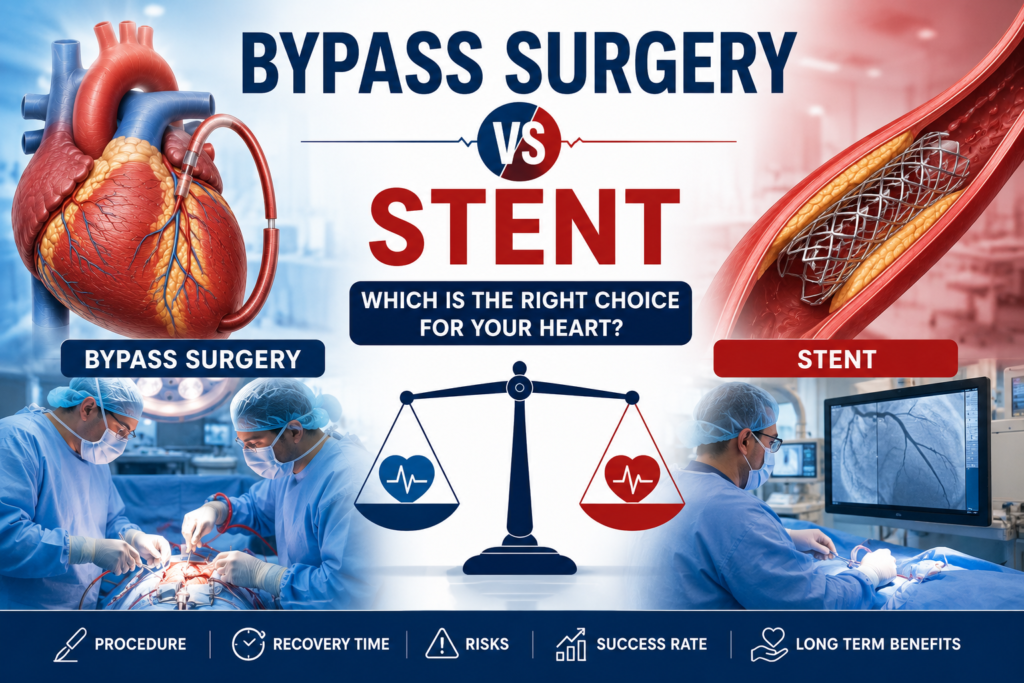
When a person is diagnosed with blocked coronary arteries, one of the most common questions they ask is, “Should I choose a bypass surgery or a stent?” Both treatments improve blood flow to the heart, but they are different procedures recommended for different medical conditions. Understanding the difference helps patients make informed decisions and reduces anxiety before treatment. A stent is a small mesh tube placed inside a blocked artery to keep it open, while bypass surgery creates a new pathway around blocked arteries using a healthy blood vessel from another part of the body. The right choice depends on the number of blockages, their severity, the patient’s overall health, and the recommendation of a cardiac specialist. Advances in cardiac surgery and interventional cardiology have made both procedures safer and more effective. However, there is no single treatment that is suitable for everyone. Each patient requires an individualized treatment plan based on detailed diagnostic tests. Dr. Ved Prakash, an experienced cardiac specialist, emphasizes that choosing between a stent and bypass surgery should always be based on medical evaluation rather than personal preference. Proper diagnosis ensures better treatment outcomes and long-term heart health. What Is a Heart Stent? A heart stent is a tiny metal mesh tube that is placed inside a narrowed or blocked coronary artery during a procedure called angioplasty. The stent keeps the artery open, allowing oxygen-rich blood to flow freely to the heart muscle. During angioplasty, a thin catheter with a small balloon is inserted through an artery in the wrist or groin. The balloon is inflated to widen the blocked artery, and the stent is left in place permanently to support the artery walls. Most stent procedures are minimally invasive, which means patients usually recover faster and spend less time in the hospital compared to major cardiac surgery. What Is Bypass Surgery? Bypass surgery, also called Coronary Artery Bypass Grafting (CABG), is a type of cardiac surgery performed when coronary arteries become severely blocked. Instead of opening the blocked artery, the surgeon creates a new route for blood to reach the heart muscle. A healthy blood vessel is taken from the leg, chest, or arm and attached above and below the blockage. This allows blood to bypass the narrowed artery and restore healthy circulation to the heart. Bypass surgery is commonly recommended for patients with multiple blocked arteries, severe coronary artery disease, diabetes with complex blockages, or cases where angioplasty and stenting may not provide long-term benefits. How Do Stents and Bypass Surgery Differ? Although both procedures improve blood flow, they are performed in completely different ways. A stent opens the blocked artery from inside, while bypass surgery creates a new pathway around the blockage. Another important difference is the recovery period. Patients who receive a stent usually return to normal activities within a few days, whereas recovery after bypass surgery takes several weeks because it is a major surgical procedure. Doctors choose the most suitable treatment after evaluating the patient’s symptoms, angiography reports, number of blockages, heart function, and overall medical condition. Selecting the right procedure is essential for improving heart health and reducing future complications. When Is a Stent Recommended? A heart stent is usually recommended for patients with one or two blocked coronary arteries, especially when the blockage is located in an area that can be treated safely with angioplasty. It is also commonly used during emergencies such as a heart attack, where restoring blood flow quickly is essential to prevent permanent damage to the heart muscle. Because stent placement is a minimally invasive procedure, most patients experience less pain, a shorter hospital stay, and a faster recovery than major cardiac surgery. Many people can return to their normal routine within a few days after the procedure. Doctors may recommend a stent when: One or two coronary arteries are blocked The blockage is suitable for angioplasty Chest pain (angina) continues despite medication Blood flow needs to be restored quickly after a heart attack The patient is at high risk for major surgery When Is Bypass Surgery Recommended? Bypass surgery is generally recommended when coronary artery disease is more advanced. It is often the preferred treatment for patients with multiple blocked arteries, severe narrowing of the left main coronary artery, or diabetes associated with complex blockages. Unlike a stent, bypass surgery provides an alternative route for blood flow by using a healthy blood vessel from another part of the body. In many complex cases, this approach offers better long-term results and reduces the need for repeat procedures. Doctors may recommend bypass surgery when: Three or more coronary arteries are blocked The left main coronary artery is severely narrowed Diabetes is present with multiple blockages Stenting is unlikely to provide lasting results Previous stents have failed or become blocked again Heart function is significantly reduced The decision is always based on detailed investigations such as coronary angiography, echocardiography, ECG, and the patient’s overall health. Benefits of a Heart Stent A heart stent offers several advantages, particularly for patients with less complex coronary artery disease. Since it does not require opening the chest, recovery is usually much faster. Some key benefits include: Minimally invasive treatment Shorter hospital stay Faster return to daily activities Less discomfort after the procedure Smaller incision with minimal scarring Effective relief from chest pain Quick restoration of blood flow during a heart attack Benefits of Bypass Surgery Although bypass surgery involves a longer recovery period, it provides significant long-term benefits for patients with severe coronary artery disease. Many patients experience lasting symptom relief and improved quality of life. Major advantages include: Better treatment for multiple blocked arteries Improved blood flow to the heart muscle Lower risk of repeat procedures Long-term relief from angina Reduced risk of future heart attacks Better outcomes for many diabetic patients Improved overall heart health Risks of Stent and Bypass Surgery Every medical procedure carries some risk, although modern technology has greatly improved safety. The type and level of risk depend on the patient’s age, medical history,

Is Open Heart Surgery and Bypass Surgery the Same?
Cardiac Surgery, Patient Guide

Is Open Heart Surgery and Bypass Surgery the Same?

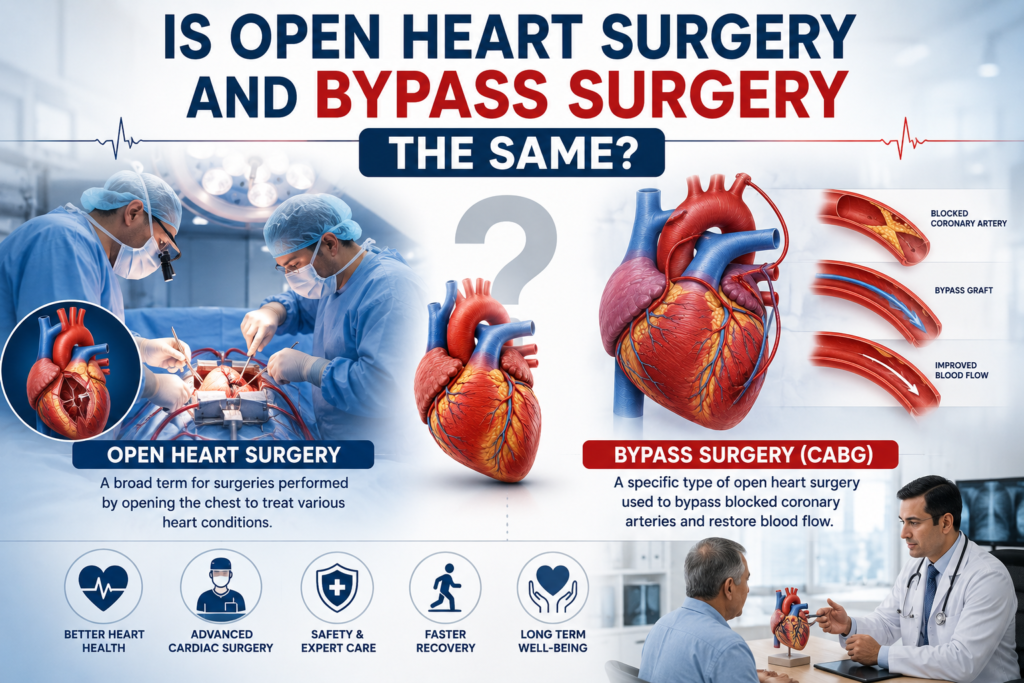
Many people believe that open heart surgery and bypass surgery are exactly the same. While these terms are often used interchangeably, they do not mean the same thing. Understanding the difference is important because it helps patients make informed decisions about their treatment and reduces unnecessary fear about cardiac surgery. Simply put, open heart surgery is a broad category of operations performed by opening the chest to access the heart. Bypass surgery, also known as Coronary Artery Bypass Grafting (CABG), is one specific type of open heart surgery used to restore blood flow when the coronary arteries become blocked. Knowing this distinction can help patients better understand their diagnosis, treatment options, and recovery process. It also allows them to communicate more confidently with their healthcare provider and participate actively in decisions related to their heart health. Dr. Ved Prakash, an experienced cardiac specialist, believes that patient education plays a vital role in reducing anxiety before surgery. When patients clearly understand the purpose of different procedures, they are more prepared both mentally and physically for treatment. What Is Open Heart Surgery? Open heart surgery refers to any operation in which the surgeon opens the chest through the breastbone (sternum) to reach the heart. In many cases, a heart-lung machine temporarily takes over the function of the heart and lungs while the surgeon performs the procedure safely. It is important to understand that open heart surgery is not a single operation. Instead, it includes many different procedures that treat various heart conditions, depending on the patient’s medical needs. Some common conditions treated through open heart surgery include: Coronary artery disease Heart valve disorders Congenital heart defects Aortic aneurysms Certain heart tumors Advanced heart failure requiring surgical treatment Modern cardiac surgery has become much safer because of technological advancements, improved surgical techniques, and better intensive care. Many patients recover successfully and return to their normal activities after surgery. What Is Bypass Surgery? Bypass surgery, medically called Coronary Artery Bypass Grafting (CABG), is performed when one or more coronary arteries become narrowed or blocked by fatty deposits called plaque. These blockages reduce blood flow to the heart muscle and increase the risk of a heart attack. During bypass surgery, the surgeon takes a healthy blood vessel from the leg, chest, or arm and creates a new pathway around the blocked artery. This allows oxygen-rich blood to reach the heart muscle more effectively. The main goals of bypass surgery are to: Improve blood circulation to the heart Relieve chest pain (angina) Reduce the risk of a future heart attack Improve quality of life Increase long-term heart health Help patients return to daily activities with fewer symptoms The Main Difference Between Open Heart Surgery and Bypass Surgery The easiest way to understand the difference is that open heart surgery is a general term, while bypass surgery is one specific type of cardiac surgery performed to treat blocked coronary arteries. Think of it this way: every bypass surgery performed through opening the chest is an open heart surgery, but not every open heart surgery is a bypass operation. Many other procedures, such as valve repair or congenital heart defect correction, also fall under the category of open heart surgery. This distinction helps patients better understand why doctors recommend different surgical procedures based on the underlying heart condition rather than using one treatment for every problem. When Is Open Heart Surgery Recommended? Doctors recommend open heart surgery when a heart condition cannot be treated effectively with medicines, lifestyle changes, or minimally invasive procedures. The decision is based on detailed tests such as ECG, echocardiography, coronary angiography, CT scans, and blood investigations. Some patients require surgery immediately, while others may be monitored until the condition becomes severe enough to need an operation. Early diagnosis often leads to better treatment outcomes and improved heart health. Common reasons for open heart surgery include: Severe coronary artery disease Damaged or leaking heart valves Congenital heart defects Aortic aneurysms Advanced heart failure Certain heart tumors Complex heart conditions requiring multiple repairs Not every patient with heart disease needs surgery. Your cardiologist carefully evaluates your overall health before recommending the most suitable cardiac surgery. When Is Bypass Surgery Needed? Bypass surgery is recommended when the coronary arteries become severely narrowed or blocked due to plaque buildup. These blockages reduce oxygen-rich blood flow to the heart muscle, causing chest pain and increasing the risk of a heart attack. Doctors may advise bypass surgery if angiography shows multiple blocked arteries or if angioplasty and stent placement are not suitable. In many cases, CABG provides better long-term results for patients with complex coronary artery disease. The procedure creates a new route for blood to flow around blocked arteries, helping the heart receive enough oxygen. This reduces symptoms, improves physical activity, and supports long-term heart health. Can Bypass Surgery Be Performed Without Open Heart Surgery? With advancements in cardiac surgery, some patients may undergo minimally invasive or off-pump bypass surgery. In these procedures, surgeons use smaller incisions or perform the operation without stopping the heart. However, many bypass surgeries are still performed as traditional open heart surgery, especially when several arteries need treatment or when the patient’s condition is more complex. The choice depends on the patient’s anatomy, overall health, and the surgeon’s assessment. Modern surgical techniques have made both traditional and minimally invasive procedures safer, allowing patients to recover faster with fewer complications. Risks of Open Heart Surgery and Bypass Surgery Like all major operations, both open heart surgery and bypass surgery carry some risks. Fortunately, advances in medical technology, experienced surgeons, and better post-operative care have significantly improved patient safety. The level of risk varies depending on age, overall health, the severity of heart disease, and any existing medical conditions such as diabetes or kidney disease. Possible risks may include: Bleeding during or after surgery Infection at the incision site Blood clots Stroke Irregular heartbeat Kidney or lung complications Temporary memory or concentration problems Reactions to anesthesia Although these risks may sound concerning, the benefits

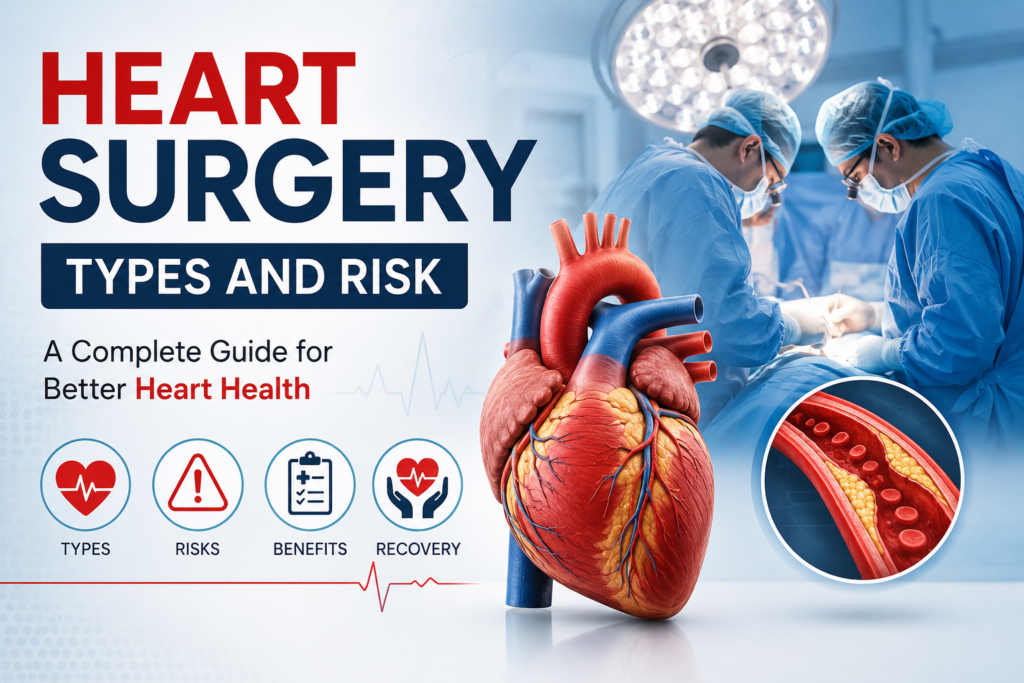
Heart Surgery Types and Risk
Cardiac Surgery, Patient Guide

Heart Surgery Types and Risk

Heart surgery is a life-saving medical procedure performed to treat serious heart diseases that cannot be managed with medicines or lifestyle changes alone. Advances in cardiac surgery have made these procedures safer and more effective than ever before. Today, many patients recover well and return to their normal lives after surgery. Although hearing the words heart surgery can be frightening, understanding the different procedures and their risks helps patients make informed decisions. Early diagnosis, proper treatment, and expert care can significantly improve outcomes and protect your heart health. People with blocked arteries, damaged heart valves, irregular heart rhythms, or congenital heart defects may require surgery. The exact type of operation depends on the patient’s condition, age, and overall health. Consulting an experienced cardiac specialist is the first step toward receiving the right treatment. Dr. Ved Prakash, an experienced cardiac specialist, believes that educating patients about cardiac surgery helps reduce fear and encourages timely treatment. Early consultation often leads to better recovery and fewer complications. What Is Heart Surgery? Heart surgery refers to operations performed on the heart or major blood vessels to restore normal function. These surgeries are recommended when medications, lifestyle modifications, or minimally invasive treatments are no longer enough to manage the condition. Modern cardiac surgery uses advanced technology, highly skilled surgical teams, and improved post-operative care. As a result, patients experience better safety, reduced pain, and faster recovery compared to earlier decades. Some procedures involve opening the chest, while others use minimally invasive techniques with smaller incisions. The best surgical approach depends on the patient’s diagnosis and the complexity of the heart condition. The main goal of every heart surgery is to improve blood circulation, repair damaged structures, reduce symptoms, and enhance long-term heart health. When Is Heart Surgery Needed? Doctors recommend heart surgery only after carefully evaluating the patient’s condition. Surgery becomes necessary when heart damage is severe or when delaying treatment could increase the risk of life-threatening complications. Some common situations where surgery may be advised include: Severe coronary artery disease causing blocked blood flow Heart valve diseases that prevent normal blood circulation Congenital heart defects present since birth Aortic diseases, including aneurysms Advanced heart failure requiring surgical support Irregular heart rhythms that cannot be controlled with medications Heart damage after a major heart attack Every patient is different. A detailed evaluation, including ECG, echocardiography, angiography, CT scans, and blood tests, helps determine the most suitable cardiac surgery option while minimizing risks. Common Types of Heart Surgery Different types of heart surgery are performed depending on the patient’s condition. Choosing the right procedure helps improve recovery, reduce complications, and restore normal heart health. Below are the most common forms of cardiac surgery. 1. Coronary Artery Bypass Graft (CABG) Surgery CABG, also known as bypass surgery, is one of the most common cardiac surgery procedures. It is performed when the coronary arteries become blocked due to plaque buildup, reducing blood flow to the heart muscle. During this surgery, the surgeon uses a healthy blood vessel from another part of the body to create a new pathway for blood flow. This improves oxygen supply to the heart and helps relieve chest pain while reducing the risk of a future heart attack. 2. Heart Valve Surgery Heart valves ensure that blood flows in the correct direction. When a valve becomes narrowed or starts leaking, it can affect the heart’s ability to pump blood efficiently. Valve surgery involves repairing the damaged valve or replacing it with a mechanical or biological valve. This procedure improves blood circulation and protects long-term heart health. 3. Minimally Invasive Heart Surgery Unlike traditional open-heart surgery, minimally invasive cardiac surgery uses small incisions and specialized surgical instruments. In many cases, surgeons also use robotic-assisted technology for greater precision. Patients undergoing minimally invasive procedures often experience less pain, reduced blood loss, shorter hospital stays, and quicker recovery compared to conventional surgery. 4. Heart Transplant Surgery A heart transplant is recommended for patients with end-stage heart failure when other treatments no longer provide relief. During the procedure, the diseased heart is replaced with a healthy donor heart. Although recovery requires lifelong medications and regular follow-up, many patients enjoy a significantly improved quality of life after a successful transplant. 5. Surgery for Congenital Heart Defects Some individuals are born with structural abnormalities in the heart. These conditions are called congenital heart defects and may require surgery during infancy, childhood, or adulthood. Corrective heart surgery helps restore normal blood flow and allows patients to lead healthier and more active lives. Possible Risks of Heart Surgery Like any major operation, heart surgery carries certain risks. However, modern medical technology, experienced surgeons, and improved intensive care have greatly reduced the chances of serious complications. The level of risk depends on factors such as age, overall health, diabetes, kidney disease, lung disease, previous surgeries, and the severity of the heart condition. Some possible risks include: Bleeding during or after surgery Infection at the surgical site Blood clots Stroke Irregular heartbeat Kidney complications Lung infections Temporary memory or concentration problems Rare allergic reactions to medications or anesthesia It is important to remember that the benefits of timely cardiac surgery usually outweigh these risks, especially when surgery is recommended by an experienced specialist. Who Has a Higher Risk of Complications? Certain patients have a greater chance of developing complications after heart surgery. Identifying these factors before surgery allows doctors to plan safer treatment and improve recovery. Higher-risk patients may include: Adults above 70 years of age People with uncontrolled diabetes Patients with high blood pressure Smokers and tobacco users Individuals with obesity Patients with chronic kidney or lung disease People who have already undergone previous cardiac surgery Patients receiving emergency surgery after a severe heart attack Dr. Ved Prakash carefully evaluates every patient’s medical history, diagnostic reports, and overall health before recommending surgery. This personalized approach helps reduce surgical risks and supports better recovery outcomes. How to Prepare for Heart Surgery Proper preparation plays an important role in the success of heart surgery.

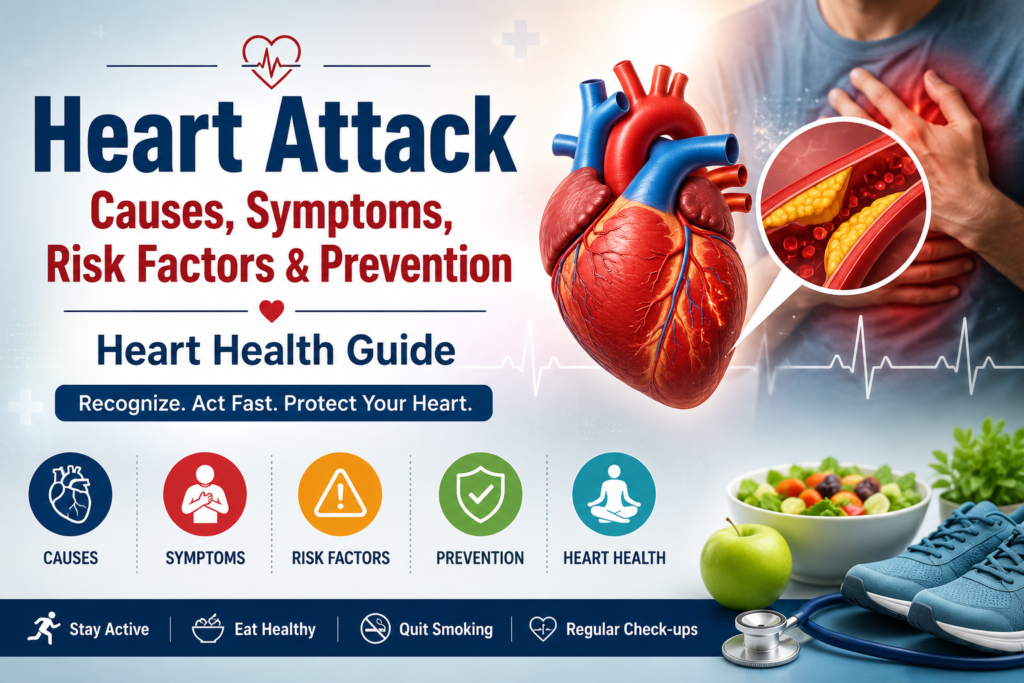
Heart Attack Causes, Symptoms, Risk Factors & Prevention | Heart Health Guide
Cardiac Surgery, Patient Guide

Heart Attack Causes, Symptoms, Risk Factors & Prevention | Heart Health Guide

A heart attack is one of the most serious medical emergencies that can affect anyone, regardless of age or gender. It happens when the blood supply to a part of the heart is blocked, preventing oxygen from reaching the heart muscle. Without immediate treatment, the affected heart tissue begins to die. Understanding the causes, symptoms, risks and prevention of a heart attack can help save lives and promote better heart health. What is a Heart Attack? A heart attack, also known as myocardial infarction, occurs when one or more coronary arteries become blocked due to the buildup of fatty deposits called plaque. If the plaque ruptures, a blood clot forms and blocks blood flow to the heart muscle. The longer the blockage remains untreated, the greater the damage to the heart. Many people confuse a heart attack with cardiac arrest. While both are serious, they are different conditions. A heart attack is caused by blocked blood flow, whereas cardiac arrest occurs when the heart suddenly stops beating due to an electrical problem. How Does a Heart Attack Affect the Heart? The heart continuously pumps oxygen-rich blood throughout the body. When a coronary artery becomes blocked, the affected portion of the heart muscle is deprived of oxygen. If treatment is delayed, the damaged muscle loses its ability to function properly. This can reduce the heart’s pumping capacity and increase the risk of heart failure or life-threatening complications. Early diagnosis and timely medical care significantly improve recovery and reduce permanent damage. Common Causes of Heart Attack Several factors contribute to the development of a heart attack. The most common cause is coronary artery disease, where cholesterol deposits gradually narrow the arteries supplying blood to the heart. Other important causes include: High cholesterol High blood pressure Smoking Diabetes Obesity Physical inactivity Chronic stress Excessive alcohol consumption Family history of heart disease These factors often work together, increasing the chances of blockage inside the coronary arteries. Major Risk Factors You Should Know Some risk factors cannot be changed, while others can be controlled through healthy lifestyle choices. Non-Modifiable Risk Factors These include: Increasing age Family history of heart disease Male gender (although women are also at significant risk, especially after menopause) Certain inherited medical conditions Although these risks cannot be eliminated, regular health check-ups help detect problems early. Modifiable Risk Factors Fortunately, many risks can be reduced by making healthier choices. These include: Smoking High blood pressure High cholesterol Diabetes Poor diet Lack of exercise Being overweight Chronic stress Poor sleep habits Managing these factors greatly improves overall heart health and reduces the likelihood of future heart problems. Symptoms of a Heart Attack Recognizing the warning signs early can save a person’s life. While symptoms vary from person to person, the most common include: Severe chest pain or pressure Pain spreading to the left arm, shoulder, neck, jaw or back Shortness of breath Cold sweating Nausea or vomiting Sudden dizziness Extreme weakness or fatigue Some people experience only mild discomfort, especially women, older adults and individuals with diabetes. Never ignore persistent chest pain or unexplained breathing difficulty. Heart Attack Symptoms in Women Women often experience symptoms that differ from the classic chest pain. These may include: Unusual fatigue Indigestion Upper back pain Jaw pain Nausea Breathlessness Light-headedness Because these symptoms may appear less obvious, many women delay seeking treatment. Immediate medical evaluation is essential whenever these warning signs occur. What Should You Do During a Heart Attack? If someone is suspected of having a heart attack, every minute matters. Take these steps immediately: Call emergency medical services. Keep the person calm and seated. Loosen tight clothing. If prescribed, help them take their heart medication. If advised by a healthcare professional and not allergic, chew an aspirin. Do not allow the person to drive themselves to the hospital. Quick action can reduce heart muscle damage and improve survival. Diagnosis of Heart Attack Doctors use several tests to confirm a heart attack and assess the severity of damage. Common diagnostic tests include: Electrocardiogram (ECG) Blood tests for cardiac enzymes Echocardiography Coronary angiography CT coronary angiography in selected cases These investigations help determine the most appropriate treatment plan. Treatment Options Treatment depends on the severity of the blockage and the patient’s overall condition. Medications may include: Blood thinners Antiplatelet drugs Cholesterol-lowering medicines Blood pressure medications Pain-relieving medicines When blood flow needs to be restored quickly, doctors may perform angioplasty with stent placement. In more complex cases involving multiple blocked arteries, cardiac surgery such as coronary artery bypass grafting (CABG) may be recommended to improve blood circulation to the heart. Recovery After a Heart Attack Recovery continues long after hospital discharge. Patients should: Take medicines regularly. Attend follow-up appointments. Participate in cardiac rehabilitation. Quit smoking permanently. Maintain a healthy weight. Exercise under medical guidance. Follow a balanced diet. Control diabetes and blood pressure. A positive lifestyle greatly lowers the chance of another heart attack. How to Prevent a Heart Attack The best treatment is prevention. Protecting your heart health begins with simple daily habits. Effective prevention tips include: Eat fresh fruits and vegetables. Choose whole grains. Reduce salt and sugar intake. Avoid processed foods. Limit saturated and trans fats. Exercise for at least 30 minutes most days. Maintain a healthy body weight. Sleep 7–8 hours every night. Manage stress through yoga or meditation. Avoid tobacco in every form. Limit alcohol consumption. Get regular health screenings. Small lifestyle improvements today can prevent major health problems tomorrow. Importance of Regular Heart Check-ups Many heart diseases develop silently without noticeable symptoms. Routine health check-ups help identify risk factors before they become dangerous. Regular screening should include: Blood pressure monitoring Blood sugar testing Cholesterol profile Body weight assessment ECG when advised Cardiac evaluation for high-risk individuals Early detection allows timely treatment and better long-term outcomes. When is Cardiac Surgery Required? Not every patient experiencing a heart attack requires cardiac surgery. However, surgery becomes necessary when severe blockages affect multiple coronary arteries or when angioplasty cannot provide adequate blood flow restoration. Experienced

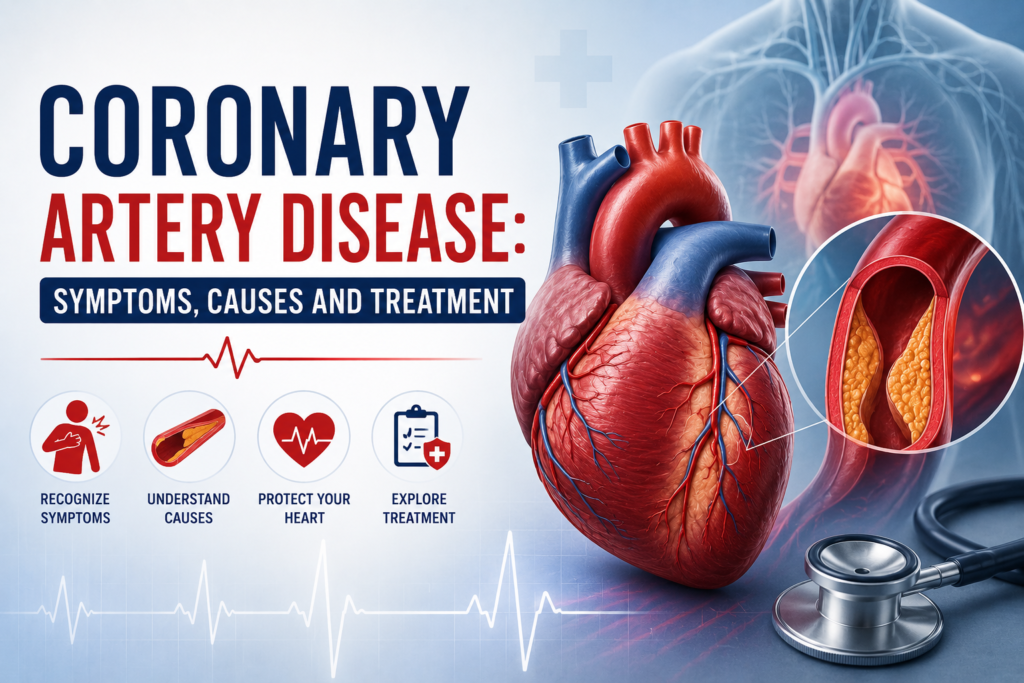
Coronary artery disease: symptoms, causes and treatment
Aortic Surgery, Cardiac Surgery

Coronary artery disease: symptoms, causes and treatment

Coronary Artery Disease (CAD) is one of the most common forms of heart disease and a leading cause of serious health complications worldwide. It develops when the coronary arteries, which supply oxygen-rich blood to the heart muscle, become narrowed or blocked due to the buildup of fatty deposits called plaque. If left untreated, Coronary Artery Disease can increase the risk of chest pain, heart attacks, heart failure, and other life-threatening conditions. The good news is that early diagnosis and proper treatment can help manage the disease effectively. Understanding the symptoms, causes, and available treatment options allows patients to take timely action and protect their long-term heart health. With expert care from an experienced cardiac surgeon like Dr. Ved Prakash, many patients can lead healthy and active lives after treatment. What Is Coronary Artery Disease? Coronary Artery Disease occurs when plaque made of cholesterol, fat, calcium, and other substances builds up inside the coronary arteries. This process, known as atherosclerosis, gradually reduces blood flow to the heart muscle. As the arteries become narrower, the heart receives less oxygen, especially during physical activity or emotional stress. Over time, severe blockages can lead to chest pain, irregular heart rhythms, or even a heart attack. In some advanced cases, cardiac surgery may be required to restore normal blood flow. Why Coronary Artery Disease Is a Serious Condition The heart works continuously to pump blood throughout the body. When blood supply is reduced because of blocked coronary arteries, the heart muscle becomes weaker and less efficient. Without timely treatment, Coronary Artery Disease may lead to serious complications such as heart attack, heart failure, or sudden cardiac arrest. Regular health check-ups and maintaining good heart health can significantly reduce these risks. Common Symptoms of Coronary Artery Disease Many people do not experience symptoms during the early stages of the disease. As the blockage increases, symptoms usually become more noticeable. The most common symptoms include: Chest pain or pressure (angina) Shortness of breath Fatigue during physical activity Pain spreading to the shoulder, arm, neck, jaw, or back Irregular heartbeat Excessive sweating Dizziness or lightheadedness Some patients, especially those with diabetes, may experience very mild or unusual symptoms. That is why regular heart screenings are important for early diagnosis. Warning Signs of a Heart Attack A heart attack can occur when a coronary artery becomes completely blocked. Recognizing the warning signs can save lives. Seek immediate medical attention if you experience: Severe chest pain lasting more than a few minutes Pain radiating to the left arm, jaw, or back Sudden shortness of breath Cold sweating Nausea or vomiting Sudden weakness or fainting Prompt treatment greatly improves the chances of recovery and reduces damage to the heart muscle. What Causes Coronary Artery Disease? Several factors contribute to the development of Coronary Artery Disease. While some risk factors cannot be changed, many can be controlled through healthy lifestyle choices. The most common causes include: High cholesterol High blood pressure Smoking Diabetes Obesity Physical inactivity Unhealthy diet Excessive alcohol consumption Chronic stress Family history of heart disease Increasing age Making positive lifestyle changes can slow disease progression and improve overall heart health. Who Is at Higher Risk? Certain individuals have a greater chance of developing Coronary Artery Disease. Understanding your personal risk helps you take preventive measures before symptoms appear. People at higher risk include older adults, smokers, individuals with diabetes, patients with uncontrolled high blood pressure or cholesterol, overweight individuals, and those with a family history of heart disease. During routine consultations, Dr. Ved Prakash evaluates these risk factors carefully and recommends personalized strategies to lower the chances of future heart complications through lifestyle modifications, medications, or advanced cardiac surgery when necessary. How Is Coronary Artery Disease Diagnosed? Early diagnosis is essential for preventing complications and protecting heart health. If your doctor suspects Coronary Artery Disease, several tests may be recommended to evaluate blood flow, heart function, and the severity of arterial blockages. The choice of tests depends on your symptoms, medical history, age, and overall health. A detailed evaluation helps the cardiac surgeon or cardiologist recommend the most appropriate treatment plan. Some commonly used diagnostic tests include: Electrocardiogram (ECG) Echocardiogram (Echo) Exercise stress test CT Coronary Angiography Coronary Angiography Blood tests for cholesterol and blood sugar Cardiac MRI in selected cases These investigations help identify narrowed arteries and determine whether medications, minimally invasive procedures, or cardiac surgery are required. Treatment Options for Coronary Artery Disease The treatment of Coronary Artery Disease depends on the severity of the blockage, the patient’s symptoms, and overall heart health. In many cases, a combination of lifestyle changes, medications, and medical procedures provides the best results. The primary goals of treatment are to improve blood flow, relieve symptoms, prevent heart attacks, and enhance quality of life. Lifestyle Changes That Support Heart Health Healthy lifestyle habits are the foundation of managing Coronary Artery Disease. Even patients who require medications or surgery benefit greatly from long-term lifestyle improvements. Doctors commonly recommend: Eating a balanced heart-healthy diet Exercising regularly under medical guidance Maintaining a healthy body weight Quitting smoking completely Limiting alcohol consumption Controlling stress through yoga or meditation Getting adequate sleep Managing diabetes, blood pressure, and cholesterol These simple habits can slow disease progression and significantly improve heart health over time. Medications Used for Coronary Artery Disease Many patients can successfully manage their condition with medications, especially during the early stages of the disease. Depending on individual needs, doctors may prescribe: Blood-thinning medications Cholesterol-lowering medicines (statins) Blood pressure medications Medicines to reduce chest pain (anti-anginal drugs) Beta-blockers ACE inhibitors or ARBs Patients should always take medications exactly as prescribed and avoid stopping them without consulting their healthcare provider. When Is Angioplasty Recommended? For patients with localized coronary artery blockages, angioplasty may be an effective treatment option. During this minimally invasive procedure, a small balloon is used to widen the narrowed artery, and a stent is often placed to keep the artery open. Angioplasty usually offers quicker recovery than surgery and is suitable for selected patients

Post heart surgery recovery- Patients need to know
Cardiac Surgery

Post heart surgery recovery- Patients need to know

Recovering after cardiac surgery is an important journey that requires patience, proper care, and a positive mindset. Whether you have undergone heart bypass surgery, valve replacement, or another heart procedure, understanding what to expect during recovery can help you heal faster and regain confidence. While the surgery itself is a major milestone, following the right recovery plan is equally important for long-term heart health. Every patient’s recovery experience is different. Factors such as age, overall health, the type of cardiac surgery, and existing medical conditions can influence the healing process. With proper guidance from an experienced cardiac surgeon like Dr. Ved Prakash, patients can recover safely and return to their normal routine with improved quality of life. Why Post Heart Surgery Recovery Is So Important The goal of recovery is not only to heal the surgical wound but also to strengthen the heart and reduce the risk of future complications. A successful recovery allows patients to gradually regain their physical strength while protecting their long-term heart health. Following medical advice carefully helps prevent infections, supports faster healing, improves circulation, and reduces the chances of hospital readmission. Small daily habits during recovery often make a significant difference in achieving the best possible outcome after cardiac surgery. What to Expect Immediately After Cardiac Surgery After surgery, patients are usually shifted to the Intensive Care Unit (ICU), where the medical team closely monitors heart function, blood pressure, breathing, and oxygen levels. This close observation ensures that any concerns are addressed promptly during the first stage of recovery. Most patients remain in the ICU for one or two days before moving to a regular hospital room. During this period, doctors gradually remove monitoring equipment and encourage gentle movements as the body begins to heal. Seeing tubes, monitors, and medical equipment can feel overwhelming, but they are a normal part of the recovery process. The healthcare team explains each step and ensures the patient remains as comfortable as possible. The First Week After Heart Surgery The first week is focused on healing and preventing complications. Patients are encouraged to sit up, stand, and take short walks with assistance as soon as it is medically safe. Early movement improves blood circulation and lowers the risk of blood clots. Breathing exercises are another essential part of recovery. Patients may be asked to use an incentive spirometer several times a day to keep the lungs healthy and reduce the risk of chest infections after cardiac surgery. Pain around the surgical site is expected during the early days, but it is usually well managed with prescribed medications. Patients should always inform their healthcare team if the pain becomes severe or unusual. Common Symptoms During Recovery Many patients worry about normal postoperative symptoms. While everyone heals differently, certain experiences are common after heart surgery and usually improve over time. Patients may notice: Mild pain or soreness around the incision Temporary swelling in the legs or feet Fatigue and reduced energy levels Difficulty sleeping during the first few weeks Mild mood changes or emotional ups and downs Reduced appetite initially These symptoms generally become less noticeable as recovery progresses. However, any sudden chest pain, high fever, excessive bleeding, or difficulty breathing should be reported to the treating cardiac surgeon immediately. Taking Care of the Surgical Incision Proper wound care plays an important role in preventing infection after cardiac surgery. Patients should keep the incision clean and dry while following all instructions provided by their healthcare team. Avoid applying creams, powders, or home remedies unless specifically recommended by your doctor. Wearing loose and comfortable clothing also helps reduce irritation around the healing incision. During follow-up visits, Dr. Ved Prakash carefully examines the surgical wound to ensure it is healing properly and addresses any concerns that patients may have regarding their recovery. Eating the Right Foods After Cardiac Surgery A healthy diet plays a major role in recovery after cardiac surgery. The right nutrition helps repair body tissues, strengthens the immune system, and supports long-term heart health. Patients should focus on balanced meals that provide essential vitamins, minerals, lean proteins, and healthy fats. Doctors often recommend reducing salt, saturated fats, processed foods, and added sugars. Instead, include plenty of fresh vegetables, fruits, whole grains, legumes, nuts, and lean protein sources such as fish or skinless chicken. Drinking enough water is equally important unless fluid restrictions have been advised. Small, frequent meals are often easier to digest during the first few weeks after surgery. A registered dietitian or your cardiac surgeon can provide personalized dietary recommendations based on your medical condition. The Importance of Physical Activity Rest is essential after surgery, but staying completely inactive can slow recovery. Gentle movement improves blood circulation, strengthens the heart, and reduces the risk of complications after cardiac surgery. Walking is usually the safest and most effective exercise during the early recovery period. Patients should begin with short walks and gradually increase the distance based on their doctor’s advice. Avoid lifting heavy objects or performing strenuous activities until the cardiac surgeon confirms that it is safe. Listening to your body is important. If you experience dizziness, unusual shortness of breath, or chest discomfort while exercising, stop immediately and contact your healthcare provider. Understanding Cardiac Rehabilitation One of the best ways to recover after heart surgery is by participating in a structured cardiac rehabilitation program. These medically supervised programs combine exercise, education, and lifestyle counseling to help patients regain strength safely. Cardiac rehabilitation also teaches patients how to reduce future heart disease risks by improving eating habits, managing stress, controlling weight, and maintaining healthy blood pressure and cholesterol levels. Many studies have shown that patients who complete cardiac rehabilitation often enjoy better heart health, increased confidence, and improved quality of life after cardiac surgery. Managing Emotions After Heart Surgery Recovering from cardiac surgery is not only a physical process but also an emotional one. It is normal for patients to experience anxiety, mood swings, sadness, or fear during the first few weeks. These emotional changes may result from

Cardiac Surgeon in Patna
Uncategorized

Best Cardiac Surgeon in Patna | Dr. Ved Prakash | Yatharth Super Speciality Hospitals

When it comes to heart health, finding the right cardiac surgeon in Patna can make all the difference. Patna, the capital of Bihar, is home to a growing number of patients who need reliable, expert cardiac care — and that care should be accessible without travelling to metropolitan cities like Delhi or Mumbai.Dr. Ved Prakash brings decades of experience in cardiology and cardiac surgery consultation directly to the people of Patna and surrounding districts. Whether you are experiencing early warning signs or managing a long-standing heart condition, our clinic is equipped to guide you at every step. Trusted by thousands of patients across Bihar — We combine modern diagnostic technology with a patient-first philosophy to deliver cardiac care that is both effective and affordable. Heart Conditions We Treat Our practice in Patna manages a wide spectrum of cardiovascular diseases, including: Coronary artery disease (blocked arteries) Heart blockage and ischaemic heart disease Chest pain (angina) and acute coronary syndrome High blood pressure (hypertension) Heart rhythm disorders (arrhythmias) Heart failure and cardiomyopathy Valvular heart disease Congenital heart defects in adults Symptoms You Should Never Ignore Heart disease often develops gradually, but certain warning signs require immediate medical attention. Recognizing these symptoms early and consulting a qualified heart specialist in Patna can help prevent serious complications such as a heart attack, heart failure, or stroke. If you experience any of the following symptoms, do not delay seeking expert cardiac evaluation. 1. Persistent Chest Pain or Tightness A feeling of pressure, heaviness, squeezing, or pain in the chest—especially during physical activity or emotional stress—may indicate reduced blood flow to the heart. Chest discomfort that lasts for several minutes or keeps recurring should never be ignored. 2. Shortness of Breath During Routine Activities Difficulty breathing while walking, climbing stairs, or performing everyday tasks can be an early sign of heart disease or heart failure. If breathlessness occurs without a clear reason, consult a cardiologist promptly. 3. Unexplained Fatigue or Weakness Feeling unusually tired even after adequate rest may indicate that your heart is not pumping blood efficiently. Persistent fatigue, particularly when accompanied by other symptoms, deserves immediate medical attention. 4. Dizziness, Lightheadedness, or Fainting Frequent dizziness, sudden lightheadedness, or episodes of fainting may be caused by abnormal heart rhythms, low blood pressure, or reduced blood flow to the brain. These symptoms require a thorough cardiac assessment. 5. Irregular or Rapid Heartbeat (Palpitations) Occasional awareness of your heartbeat is common, but frequent episodes of a racing, pounding, fluttering, or irregular heartbeat may signal an underlying heart rhythm disorder that should be evaluated by a heart specialist. 6. Swelling in the Legs, Ankles, or Feet Swelling in the lower limbs can occur when the heart is unable to pump blood effectively, leading to fluid accumulation. Persistent swelling should not be ignored, especially if it is accompanied by breathlessness or fatigue. 7. Pain Radiating to the Left Arm, Jaw, Neck, Shoulder, or Back Pain that begins in the chest and spreads to the left arm, jaw, neck, shoulder, or upper back is one of the classic warning signs of a heart attack. If this pain is severe, persistent, or accompanied by sweating, nausea, or shortness of breath, seek emergency medical care immediately. Best Cardiac Surgeon in Patna Patna’s rapidly expanding healthcare landscape now offers patients access to world-class cardiac services without having to travel outside Bihar. As one of the most sought-after cardiac surgeons in Patna, Dr. Ved Prakash is committed to making advanced heart care available to every patient — from those living in the city to those commuting from districts such as Nalanda, Bhojpur, Muzaffarpur, and Gaya. Our clinic is centrally located and equipped with modern diagnostic infrastructure. We collaborate with leading hospitals in Patna to ensure that patients requiring in-patient care or surgical procedures receive a seamless referral and follow-up experience. We understand that a cardiac diagnosis can be overwhelming. That is why we take time to explain every finding, discuss your options, and build a treatment plan that fits your health needs and lifestyle — not just your test reports. Our Cardiology Services At our cardiac clinic, we offer comprehensive heart care using advanced diagnostic technology and evidence-based treatment approaches. Our goal is to detect heart conditions early, provide accurate diagnoses, and create personalized treatment plans that help patients achieve long-term heart health. ECG (Electrocardiogram) An Electrocardiogram (ECG) is a quick, painless test that records the electrical activity of your heart. It helps identify abnormal heart rhythms, previous heart attacks, poor blood flow to the heart, and other cardiac abnormalities. ECG is often the first step in evaluating symptoms such as chest pain, palpitations, dizziness, or shortness of breath. 2D Echocardiography (Heart Ultrasound) A 2D Echocardiogram uses high-frequency sound waves to create detailed images of your heart’s structure and function. This non-invasive test allows the cardiologist to assess heart valves, heart chambers, pumping efficiency, blood flow, and congenital heart defects. It is an essential investigation for diagnosing heart failure, valve disorders, and cardiomyopathy. TMT (Treadmill Stress Test) The Treadmill Stress Test (TMT) evaluates how well your heart performs during physical activity. While you walk or run on a treadmill, your heart rate, blood pressure, and ECG are continuously monitored. This test helps detect coronary artery disease, exercise-induced arrhythmias, reduced blood supply to the heart, and assesses overall cardiovascular fitness. Holter Monitoring (24–48 Hour ECG) Holter Monitoring is a portable ECG test that continuously records your heart’s electrical activity for 24 to 48 hours while you carry out your normal daily routine. It is particularly useful for detecting intermittent irregular heartbeats (arrhythmias), unexplained dizziness, fainting episodes, palpitations, and symptoms that may not appear during a standard ECG. Complete Cardiac Blood Panel A Complete Cardiac Blood Panel includes a series of laboratory tests that evaluate your heart health and identify risk factors for cardiovascular disease. These tests may include cholesterol levels, triglycerides, blood sugar (HbA1c), kidney function, electrolyte balance, inflammatory markers, and cardiac enzymes when required. The results help assess your risk of heart disease,

Top 10 Cardiac Surgeons in Bangalore
Uncategorized

Top 10 Cardiac Surgeons in Bangalore

When a heart condition demands surgical intervention, finding the right surgeon becomes the most consequential decision a patient and their family will make. This curated guide to the top 10 cardiac surgeons in Bangalore is designed to help you navigate that decision with clarity and confidence. Bangalore — home to JCI-accredited super-speciality hospitals, internationally trained surgical teams, and pioneering cardiac programmes — has cemented its position as one of India’s premier destinations for advanced heart care. Whether you need coronary bypass surgery, a complex valve replacement, or a paediatric cardiac procedure, the city offers surgical expertise that rivals the finest centres in Europe, North America, and Southeast Asia. Bangalore: India’s Hub for Advanced Cardiac Surgery Bangalore’s healthcare ecosystem is uniquely positioned to deliver outstanding cardiac surgical outcomes. The city’s concentration of NABH and JCI-accredited hospitals — particularly along Bannerghatta Road, Hosur Road, and Old Airport Road — provides patients with access to infrastructure that meets stringent international benchmarks. These corridors host multi-organ transplant centres, hybrid catheterisation labs, and dedicated cardiac rehabilitation units. Several factors make Bangalore the preferred choice for cardiac surgery in India: Pioneering Cardiac Programmes: Bangalore hospitals were among the first in India to perform robotic cardiac surgery, beating-heart bypass, and transcatheter aortic valve replacement (TAVR). Medical Tourism Infrastructure: International patient desks, visa-on-arrival support, multilingual staff, and proximity to Kempegowda International Airport make the city highly accessible for overseas patients. Research and Training: Leading cardiac surgeons in Karnataka actively publish in peer-reviewed journals and train the next generation of heart surgeons through DNB and MCh programmes. Cost Advantage: Cardiac surgery in Bangalore delivers outcomes comparable to global standards at 40–60% lower costs, making it an attractive proposition for patients seeking value without compromising quality. Qualities to Look for in a Cardiac Surgeon Before examining individual profiles, it is vital to understand the benchmarks that distinguish an excellent cardiac surgeon from a competent one. Use these criteria to evaluate any best heart surgeon in Bangalore: Board Certification and Credentials: Look for MCh (Cardiothoracic Surgery), DNB, or equivalent fellowship training from recognised Indian or international institutions. Surgical Volume and Outcomes: Surgeons who perform 200+ procedures annually tend to maintain sharper skills and achieve consistently superior outcomes. Low mortality and infection rates are critical indicators. Hospital Infrastructure: The best outcomes occur in hospitals equipped with hybrid operating theatres, advanced perfusion systems, dedicated cardiac ICUs, and 24/7 blood bank facilities. Patient Testimonials and Peer Recognition: Genuine patient reviews, peer referrals from cardiologists, and recognition by professional bodies like the Indian Association of Cardiovascular–Thoracic Surgeons (IACTS) signal trustworthy expertise. Post-Operative Protocols: A structured cardiac rehabilitation programme — covering physiotherapy, dietary counselling, medication management, and psychological support — is essential for long-term recovery. Communication and Empathy: The ability to explain complex surgical options in simple terms, involve the family in decision-making, and remain accessible throughout the care journey separates truly exceptional surgeons. Top 10 Cardiac Surgeons in Bangalore The following profiles represent the breadth and depth of cardiac surgical talent in Bangalore. While Dr. Ved Prakash is profiled in detail based on verifiable credentials, the remaining nine entries are representative of the distinct specialisations and expertise available across the city’s leading heart surgery hospitals in Bangalore. No real names are used for entries #2–#10 to maintain editorial integrity. Cardiac Surgeon Website / Profile Dr. Ved Prakash https://dr-vedprakash.com/ Dr. Devi Prasad Shetty https://www.narayanahealth.org/c/bangalore/cardiac-surgery-adult/dr-devi-prasad-shetty (Narayana Health) Dr. Vivek Jawali https://www.fortishealthcare.com/ Dr. Praveen Kumar https://www.narayanahealth.org/ocaapp/doctors/bangalore/cardiac%20surgeon (Narayana Health) Dr. Varun Shetty https://www.narayanahealth.org/ocaapp/doctors/bangalore/cardiac%20surgeon (Narayana Health) Dr. Ramesh Seshadri https://www.narayanahealth.org/ocaapp/doctors/bangalore/cardiac%20surgeon (Narayana Health) Dr. Ravindra Setty B. R. https://www.narayanahealth.org/ocaapp/doctors/bangalore/cardiac%20surgeon (Narayana Health) Dr. Raghu M. G. https://www.narayanahealth.org/ocaapp/doctors/bangalore/cardiac%20surgeon (Narayana Health) Dr. Praveen R. Tambrallimath https://www.narayanahealth.org/ocaapp/doctors/bangalore/cardiac%20surgeon (Narayana Health) Dr. Rahul Rao https://www.narayanahealth.org/ocaapp/doctors/bangalore/cardiac%20surgeon (Narayana Health) Types of Cardiac Surgeries Performed in Bangalore Bangalore’s cardiac surgery centres offer the complete spectrum of heart operations. Understanding these procedures helps patients engage more meaningfully with their surgical team: Procedure Description Typical Hospital Stay On-Pump CABG Traditional coronary bypass using cardiopulmonary bypass machine 7–10 days Off-Pump (Beating Heart) CABG Bypass surgery performed on the beating heart without a heart-lung machine 5–8 days MICS (Minimally Invasive Cardiac Surgery) Small-incision approach for valve and bypass surgeries 4–6 days Robotic Cardiac Surgery Console-guided surgery with enhanced precision and 3D visualisation 3–5 days Valve Repair / Replacement (incl. TAVR) Surgical or transcatheter correction of mitral, aortic, or tricuspid valves 5–10 days Aortic Root Surgery (Bentall) Replacement of aortic root, valve, and ascending aorta 8–12 days Heart Transplant Replacement of a failing heart with a donor organ 21–30 days LVAD Implantation Mechanical pump to support a weakened left ventricle 14–21 days Understanding the Cardiac Surgery Journey Knowing what to expect at each stage reduces anxiety and empowers patients to participate actively in their recovery: 1. Pre-Operative Phase Comprehensive diagnostics — including coronary angiography, echocardiography, pulmonary function tests, and blood work — are performed. The surgeon reviews all findings, discusses surgical options and risks, and obtains informed consent. Pre-operative optimisation may involve controlling blood sugar, managing anticoagulants, or treating infections. 2. Surgery Day The patient is taken to a specialised cardiac operating theatre. After anaesthesia induction and monitoring setup (arterial lines, central venous catheters, TEE), the surgical team performs the planned procedure. Operations typically last 3–6 hours depending on complexity. Family members are updated at key milestones. 3. ICU and In-Hospital Recovery Patients are transferred to a dedicated cardiac ICU for 24–72 hours of intensive monitoring. Ventilator weaning, pain management, drain monitoring, and early mobilisation begin here. Transfer to a step-down ward follows, with progressive increase in activity, dietary intake, and breathing exercises. 4. Rehabilitation and Follow-Up Structured cardiac rehabilitation — encompassing supervised exercise, nutritional counselling, stress management, and medication adherence — dramatically improves long-term outcomes. Follow-up visits at 1 week, 1 month, 3 months, and 6 months post-surgery are standard. Lifelong cardiologist surveillance ensures sustained cardiac health. Cost of Cardiac Surgery in Bangalore One of Bangalore’s strongest value propositions is delivering internationally benchmarked cardiac surgical care at a fraction of Western costs. Here is a general overview: Procedure Approximate Cost Range (₹) CABG

Cardiac Surgeon in Patna
Uncategorized

Top 10 Cardiac Surgeons in Kolkata

  If you are searching for the top 10 cardiac surgeons in Kolkata, you are already taking a thoughtful step towards safeguarding your cardiac health. Kolkata, long revered as the intellectual and cultural capital of India, has equally distinguished itself as Eastern India’s foremost healthcare hub. The city’s cardiac surgery centres rival the finest in the country, offering cutting-edge techniques, compassionate care, and outcomes that inspire confidence. This guide presents a carefully curated list of Kolkata’s leading cardiac surgeons — professionals whose expertise spans coronary artery bypass grafting (CABG), valve repair and replacement, minimally invasive cardiac surgery, and complex reconstructive procedures. Whether you are a resident of Kolkata, a patient travelling from Bihar, Odisha, Jharkhand, the North-Eastern states, or even neighbouring Bangladesh and Nepal, this resource will help you identify the best heart surgeon in Kolkata for your specific needs. Why Kolkata Is a Leading Destination for Cardiac Surgery Kolkata’s medical heritage is woven into the very fabric of its identity. From the pioneering corridors of the Medical College and Hospital — one of Asia’s oldest — to the gleaming towers of its modern super-specialty institutions, this city has nurtured generations of extraordinary medical minds. Today, cardiac surgery in Kolkata represents a confluence of this rich legacy and contemporary excellence. World-Class Hospitals: Kolkata houses several NABH- and JCI-accredited hospitals equipped with hybrid operating theatres, advanced catheterisation labs, and dedicated cardiac intensive care units. Affordable Excellence: Compared to Delhi, Mumbai, or Chennai, the cost of bypass surgery in Kolkata and other cardiac procedures remains significantly more accessible — without any compromise on quality or outcomes. Regional Accessibility: Kolkata serves as the natural referral centre for patients across Eastern India, the North-East, and neighbouring nations. Its well-connected airport and railway network make it easily reachable. Intellectual Medical Culture: The city’s emphasis on academic rigour ensures that its cardiac surgeons remain at the forefront of research, innovation, and evidence-based practice. What Makes a Great Cardiac Surgeon? Not all cardiac surgeons are alike. The finest among them distinguish themselves through a combination of skill, experience, and an unwavering commitment to patient welfare. When evaluating the best heart specialist in Kolkata, consider these defining attributes: Extensive Surgical Experience: Thousands of successful open-heart and minimally invasive procedures performed over the years. Consistently High Success Rates: Documented outcomes that meet or exceed national and international benchmarks. Patient Reviews and Testimonials: Genuine feedback from patients reflecting trust, care, and satisfaction. Breadth of Procedures Offered: Proficiency in CABG, valve surgery, aortic repair, congenital corrections, and emerging catheter-based techniques. Comprehensive Post-Operative Care: Structured rehabilitation programmes, follow-up consultations, and dietary and lifestyle guidance. Academic Credentials: Training from reputed institutions, contributions to research, and active engagement in continuing medical education. Top 10 Cardiac Surgeons in Kolkata The following profiles represent the calibre of cardiac surgical talent available in Kolkata. Dr. Ved Prakash, featured at the top, is a named and practising cardiac surgeon. The remaining profiles are generic representative descriptions reflecting the diverse specialisations available across Kolkata’s leading hospitals. No real names have been used for positions 2 through 10 to avoid any legal or ethical concerns. Cardiologist / Cardiac Centre Website / Profile Dr Ved Prakash Click Here Dr. Kunal Sarkar Click Here Dr. Suvro Banerjee Click Here Dr. Saroj Kumar Mondal Click Here Dr. Aftab Khan Click Here Dr. Anjan Siotia Click Here Dr. Ashok Seth Click Here Dr. Pradip Kumar Hazra Click Here Dr. Sanjay Kumar Chugh Click Here Heart Conditions Treated by Cardiac Surgeons The leading heart doctors in Kolkata are equipped to diagnose and surgically manage a comprehensive range of cardiac conditions, including: Coronary Artery Disease (CAD): Blockages in the coronary arteries that restrict blood flow to the heart, often requiring bypass surgery or angioplasty. Heart Valve Disorders: Stenosis (narrowing) or regurgitation (leakage) of the mitral, aortic, tricuspid, or pulmonary valves necessitating repair or replacement. Congenital Heart Defects: Structural abnormalities present from birth, such as septal defects, patent ductus arteriosus, and Tetralogy of Fallot. Aortic Aneurysms and Dissections: Dangerous dilatation or tearing of the aorta requiring urgent surgical intervention. Heart Failure: Advanced stages of heart failure where medical therapy alone is insufficient, potentially requiring device support or transplantation. Cardiac Tumours: Rare growths within the heart chambers — such as atrial myxomas — that require precise surgical excision. Common Cardiac Surgery Procedures Kolkata’s cardiac surgery centres offer a full repertoire of procedures, ensuring patients have access to the most appropriate intervention for their condition: Coronary Artery Bypass Grafting (CABG): The gold-standard surgical treatment for multi-vessel coronary artery disease, performed both on-pump and off-pump by skilled cardiac surgeons in Kolkata. Valve Repair and Replacement: Surgical correction or replacement of diseased heart valves using mechanical or bioprosthetic valves, including minimally invasive approaches. Angioplasty and Stenting: Catheter-based procedures to open blocked coronary arteries, often performed in conjunction with surgical planning. Pacemaker and Defibrillator Implantation: Device-based therapy for patients with arrhythmias, heart block, or life-threatening rhythm disturbances. Heart Transplant Support: Comprehensive pre-transplant evaluation, bridge-to-transplant device implantation, and post-transplant management. Minimally Invasive Cardiac Surgery (MICS): Advanced techniques using smaller incisions for coronary bypass and valve surgery, offering reduced pain and faster recovery. How to Choose the Right Cardiac Surgeon in Kolkata Selecting a cardiac surgeon is one of the most important decisions a patient and family can make. Here are key considerations to guide your choice: Verify Credentials: Ensure the surgeon holds recognised qualifications — MCh or DNB in Cardiothoracic and Vascular Surgery — and is registered with the Medical Council. Assess Experience: Enquire about the number of procedures performed, particularly in the specific surgery you require. Evaluate the Hospital: The quality of the hospital’s cardiac infrastructure — including ICU facilities, perfusion technology, and nursing care — directly impacts outcomes. Read Patient Reviews: Genuine testimonials from former patients offer valuable insight into the surgeon’s clinical skills, communication, and post-operative support. Seek a Second Opinion: For major cardiac procedures, obtaining a second opinion from another qualified heart specialist in Kolkata is always a prudent step. Cost of Cardiac Surgery in Kolkata One of

Scroll to Top