
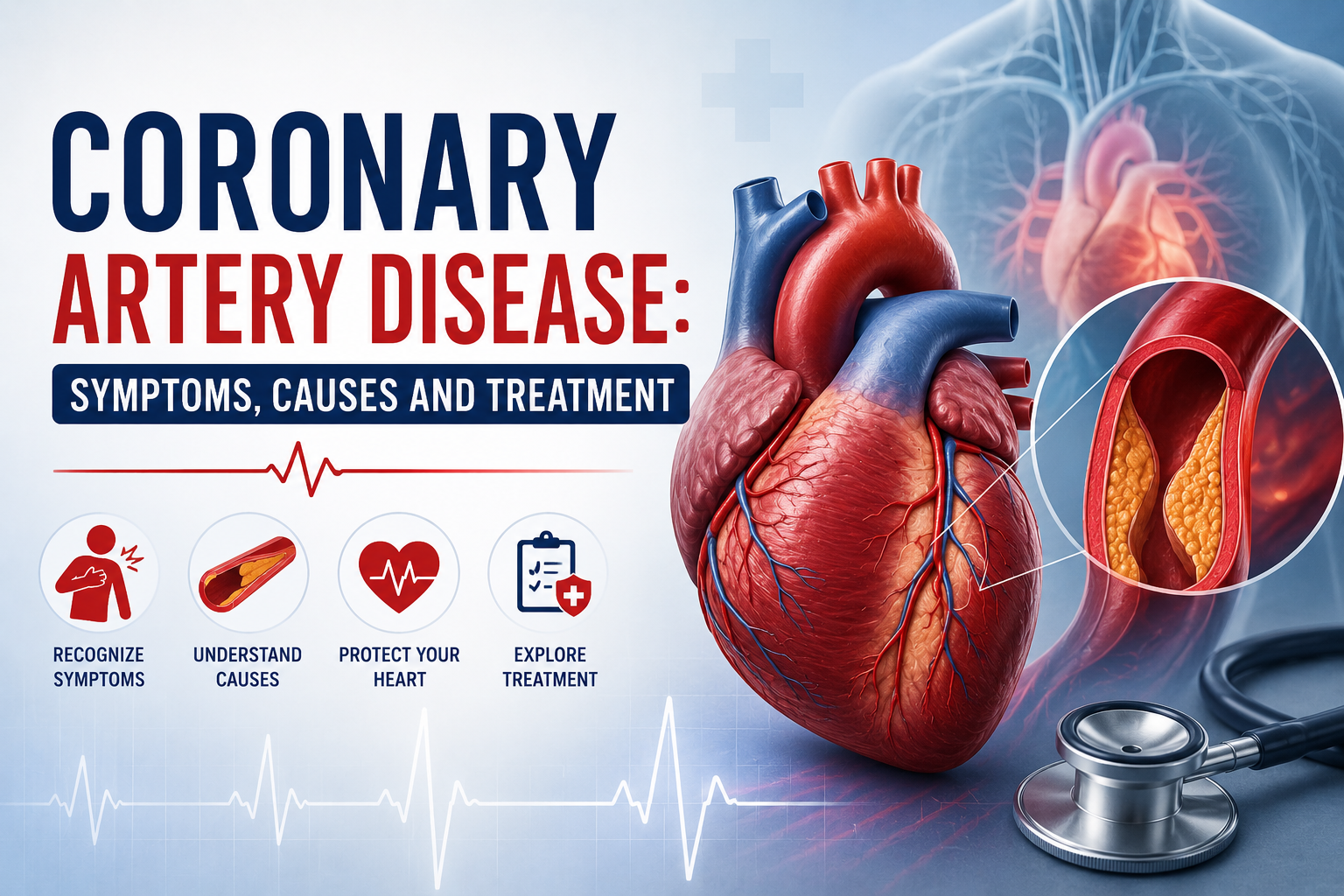
Coronary Artery Disease (CAD) is one of the most common forms of heart disease and a leading cause of serious health complications worldwide. It develops when the coronary arteries, which supply oxygen-rich blood to the heart muscle, become narrowed or blocked due to the buildup of fatty deposits called plaque. If left untreated, Coronary Artery Disease can increase the risk of chest pain, heart attacks, heart failure, and other life-threatening conditions.
The good news is that early diagnosis and proper treatment can help manage the disease effectively. Understanding the symptoms, causes, and available treatment options allows patients to take timely action and protect their long-term heart health. With expert care from an experienced cardiac surgeon like Dr. Ved Prakash, many patients can lead healthy and active lives after treatment.
What Is Coronary Artery Disease?
Coronary Artery Disease occurs when plaque made of cholesterol, fat, calcium, and other substances builds up inside the coronary arteries. This process, known as atherosclerosis, gradually reduces blood flow to the heart muscle.
As the arteries become narrower, the heart receives less oxygen, especially during physical activity or emotional stress. Over time, severe blockages can lead to chest pain, irregular heart rhythms, or even a heart attack. In some advanced cases, cardiac surgery may be required to restore normal blood flow.
Why Coronary Artery Disease Is a Serious Condition
The heart works continuously to pump blood throughout the body. When blood supply is reduced because of blocked coronary arteries, the heart muscle becomes weaker and less efficient.
Without timely treatment, Coronary Artery Disease may lead to serious complications such as heart attack, heart failure, or sudden cardiac arrest. Regular health check-ups and maintaining good heart health can significantly reduce these risks.
Common Symptoms of Coronary Artery Disease
Many people do not experience symptoms during the early stages of the disease. As the blockage increases, symptoms usually become more noticeable.
The most common symptoms include:
- Chest pain or pressure (angina)
- Shortness of breath
- Fatigue during physical activity
- Pain spreading to the shoulder, arm, neck, jaw, or back
- Irregular heartbeat
- Excessive sweating
- Dizziness or lightheadedness
Some patients, especially those with diabetes, may experience very mild or unusual symptoms. That is why regular heart screenings are important for early diagnosis.
Warning Signs of a Heart Attack
A heart attack can occur when a coronary artery becomes completely blocked. Recognizing the warning signs can save lives.
Seek immediate medical attention if you experience:
- Severe chest pain lasting more than a few minutes
- Pain radiating to the left arm, jaw, or back
- Sudden shortness of breath
- Cold sweating
- Nausea or vomiting
- Sudden weakness or fainting
Prompt treatment greatly improves the chances of recovery and reduces damage to the heart muscle.

What Causes Coronary Artery Disease?
Several factors contribute to the development of Coronary Artery Disease. While some risk factors cannot be changed, many can be controlled through healthy lifestyle choices.
The most common causes include:
- High cholesterol
- High blood pressure
- Smoking
- Diabetes
- Obesity
- Physical inactivity
- Unhealthy diet
- Excessive alcohol consumption
- Chronic stress
- Family history of heart disease
- Increasing age
Making positive lifestyle changes can slow disease progression and improve overall heart health.
Who Is at Higher Risk?
Certain individuals have a greater chance of developing Coronary Artery Disease. Understanding your personal risk helps you take preventive measures before symptoms appear.
People at higher risk include older adults, smokers, individuals with diabetes, patients with uncontrolled high blood pressure or cholesterol, overweight individuals, and those with a family history of heart disease.
During routine consultations, Dr. Ved Prakash evaluates these risk factors carefully and recommends personalized strategies to lower the chances of future heart complications through lifestyle modifications, medications, or advanced cardiac surgery when necessary.
How Is Coronary Artery Disease Diagnosed?
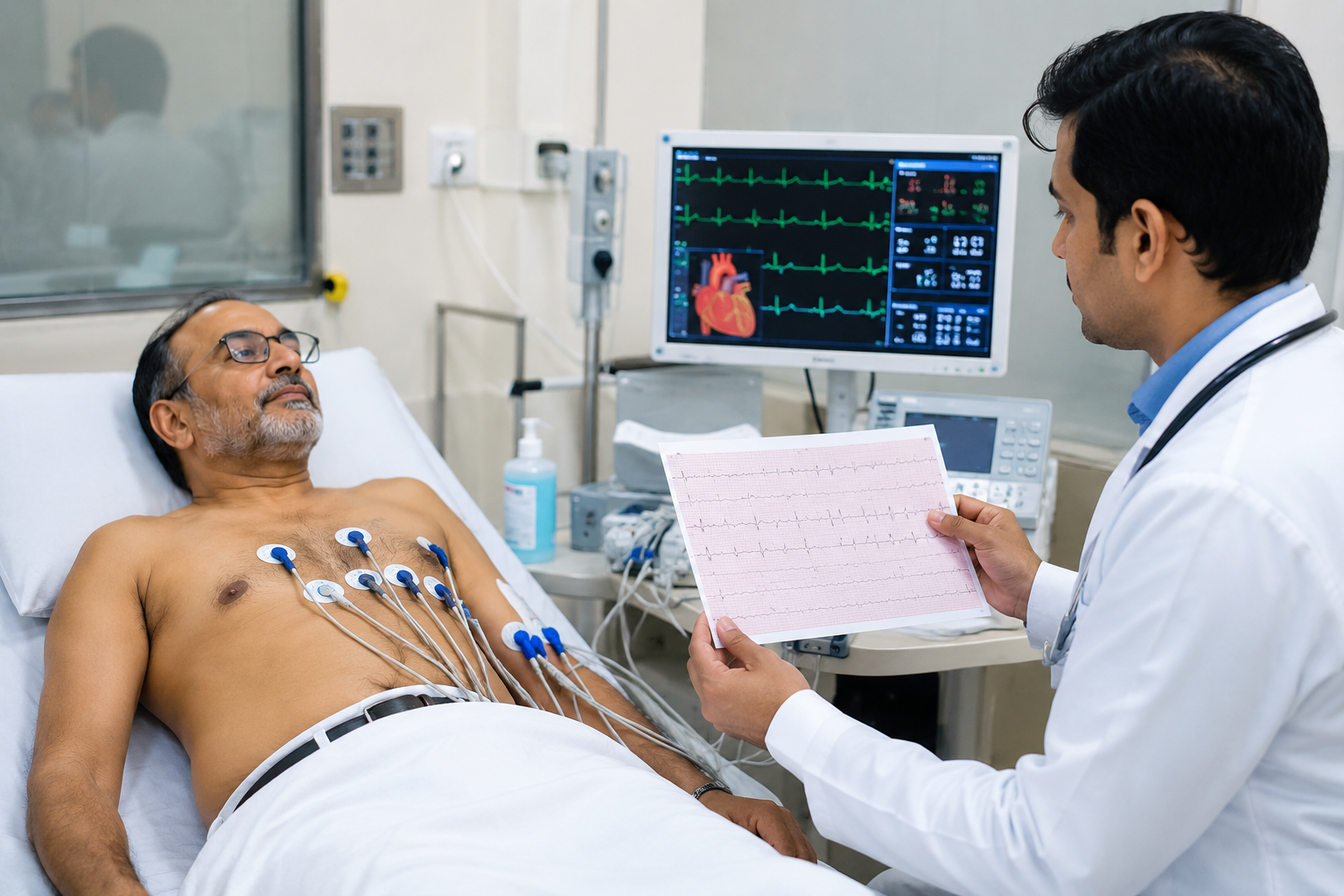
Early diagnosis is essential for preventing complications and protecting heart health. If your doctor suspects Coronary Artery Disease, several tests may be recommended to evaluate blood flow, heart function, and the severity of arterial blockages.
The choice of tests depends on your symptoms, medical history, age, and overall health. A detailed evaluation helps the cardiac surgeon or cardiologist recommend the most appropriate treatment plan.
Some commonly used diagnostic tests include:
- Electrocardiogram (ECG)
- Echocardiogram (Echo)
- Exercise stress test
- CT Coronary Angiography
- Coronary Angiography
- Blood tests for cholesterol and blood sugar
- Cardiac MRI in selected cases
These investigations help identify narrowed arteries and determine whether medications, minimally invasive procedures, or cardiac surgery are required.
Treatment Options for Coronary Artery Disease
The treatment of Coronary Artery Disease depends on the severity of the blockage, the patient’s symptoms, and overall heart health. In many cases, a combination of lifestyle changes, medications, and medical procedures provides the best results.
The primary goals of treatment are to improve blood flow, relieve symptoms, prevent heart attacks, and enhance quality of life.
Lifestyle Changes That Support Heart Health
Healthy lifestyle habits are the foundation of managing Coronary Artery Disease. Even patients who require medications or surgery benefit greatly from long-term lifestyle improvements.
Doctors commonly recommend:
- Eating a balanced heart-healthy diet
- Exercising regularly under medical guidance
- Maintaining a healthy body weight
- Quitting smoking completely
- Limiting alcohol consumption
- Controlling stress through yoga or meditation
- Getting adequate sleep
- Managing diabetes, blood pressure, and cholesterol
These simple habits can slow disease progression and significantly improve heart health over time.
Medications Used for Coronary Artery Disease
Many patients can successfully manage their condition with medications, especially during the early stages of the disease.
Depending on individual needs, doctors may prescribe:
- Blood-thinning medications
- Cholesterol-lowering medicines (statins)
- Blood pressure medications
- Medicines to reduce chest pain (anti-anginal drugs)
- Beta-blockers
- ACE inhibitors or ARBs
Patients should always take medications exactly as prescribed and avoid stopping them without consulting their healthcare provider.
When Is Angioplasty Recommended?
For patients with localized coronary artery blockages, angioplasty may be an effective treatment option. During this minimally invasive procedure, a small balloon is used to widen the narrowed artery, and a stent is often placed to keep the artery open.
Angioplasty usually offers quicker recovery than surgery and is suitable for selected patients with less complex disease. However, not every blockage can be treated with this method.
The decision depends on the number of blocked arteries, their location, and the patient’s overall condition.
When Is Cardiac Surgery Needed?
In patients with severe or multiple coronary artery blockages, cardiac surgery may provide the safest and most effective long-term treatment.
Coronary Artery Bypass Grafting (CABG), commonly known as heart bypass surgery, creates a new pathway for blood to flow around blocked arteries. This restores oxygen supply to the heart muscle and improves overall heart health.
Patients with diabetes, left main coronary artery disease, or multiple complex blockages often benefit more from bypass surgery than angioplasty. An experienced cardiac surgeon carefully evaluates each patient’s condition before recommending surgery.
📷 Insert Image Here – Illustration Showing Heart Bypass Surgery Restoring Blood Flow Around a Blocked Coronary Artery
How Dr. Ved Prakash Helps Patients
Choosing the right treatment requires careful assessment and personalized care. Dr. Ved Prakash, an experienced cardiac surgeon, evaluates each patient’s symptoms, diagnostic reports, and medical history before recommending the most suitable treatment approach.
Whether the treatment involves lifestyle modifications, medications, angioplasty, or cardiac surgery, the focus remains on improving long-term heart health, reducing future risks, and helping patients return to a healthier and more active life.
Can Coronary Artery Disease Be Prevented?
Although some risk factors such as age and family history cannot be changed, many cases of Coronary Artery Disease can be prevented through healthy lifestyle choices. Prevention is one of the most effective ways to protect your heart health and reduce the risk of serious complications.
Simple daily habits can make a significant difference. Eating nutritious foods, staying physically active, maintaining a healthy weight, avoiding tobacco, and managing stress all contribute to healthier coronary arteries. Regular health check-ups also help detect risk factors before they become severe.
Tips for Maintaining a Healthy Heart
Following heart-friendly habits every day can improve overall well-being and reduce the likelihood of developing advanced Coronary Artery Disease.
Here are some practical tips:
- Eat a balanced diet rich in fruits, vegetables, whole grains, and lean protein.
- Exercise for at least 30 minutes on most days, as advised by your doctor.
- Keep blood pressure, cholesterol, and blood sugar under control.
- Avoid smoking and exposure to secondhand smoke.
- Limit processed foods, sugary drinks, and excessive salt intake.
- Get enough sleep every night.
- Manage stress through meditation, deep breathing, or yoga.
- Schedule regular heart screenings, especially if you have risk factors.
Adopting these habits early can protect your heart health for years to come.

Recovery After Treatment
Recovery depends on the type of treatment received. Patients managed with medications can usually continue normal activities while following lifestyle recommendations and attending regular follow-up appointments.
Those who undergo angioplasty often recover within a few days, whereas patients recovering from cardiac surgery, such as heart bypass surgery, require more time and structured rehabilitation. Following the treatment plan carefully helps improve healing and reduces the risk of future heart problems.
Cardiac rehabilitation programs, supervised exercise, medication adherence, and regular medical reviews all play an important role in restoring strength and improving heart health after treatment.
Why Early Medical Consultation Matters
Many people ignore early symptoms such as occasional chest discomfort or shortness of breath, assuming they are caused by stress or aging. Delaying medical evaluation can allow Coronary Artery Disease to progress and increase the risk of a heart attack.
Seeking timely advice from an experienced cardiac surgeon or heart specialist allows early diagnosis and appropriate treatment before complications develop. Early intervention often leads to better outcomes, less invasive treatment options, and improved quality of life.
Expert Care from Dr. Ved Prakash
Managing Coronary Artery Disease requires a personalized approach because every patient’s condition is unique. Dr. Ved Prakash, an experienced cardiac surgeon, believes in combining accurate diagnosis, evidence-based treatment, and compassionate care to achieve the best possible outcomes.
From preventive heart screenings and advanced diagnostic evaluations to cardiac surgery and long-term follow-up care, he guides patients at every stage of their treatment journey. His goal is not only to treat blocked arteries but also to help patients maintain lifelong heart health through education, lifestyle modifications, and regular monitoring.
Conclusion
Coronary Artery Disease is a serious but manageable condition when diagnosed and treated early. Understanding its symptoms, causes, and treatment options empowers patients to make informed decisions about their health.
Whether treatment involves lifestyle changes, medications, angioplasty, or cardiac surgery, timely medical care significantly improves outcomes. Paying attention to warning signs, controlling risk factors, and following a heart-healthy lifestyle are essential for preventing complications.
If you experience symptoms of Coronary Artery Disease or have multiple risk factors, consult Dr. Ved Prakash for a comprehensive evaluation. Early diagnosis and expert care can protect your heart health, reduce future risks, and help you enjoy a healthier, more active life.