
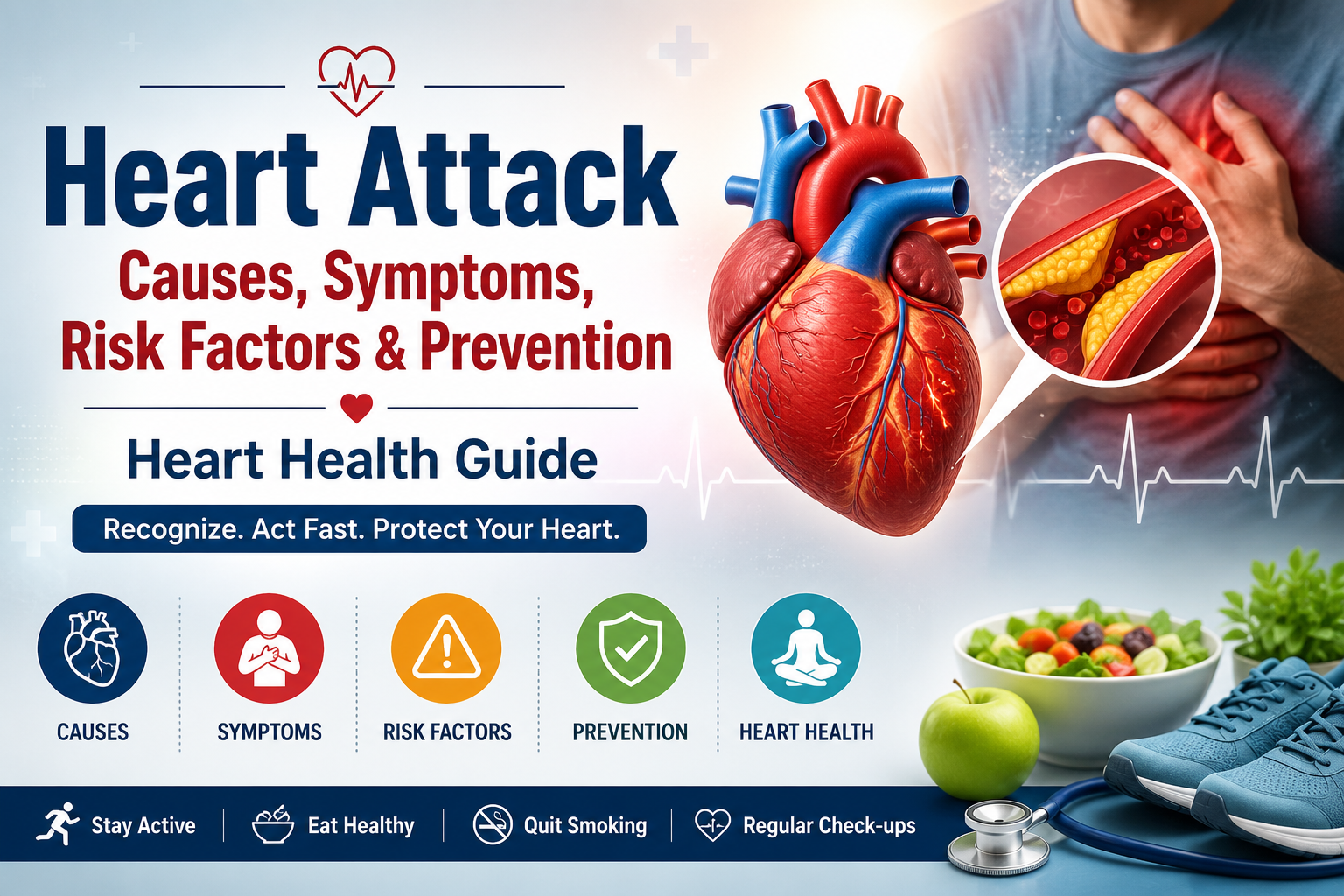
A heart attack is one of the most serious medical emergencies that can affect anyone, regardless of age or gender. It happens when the blood supply to a part of the heart is blocked, preventing oxygen from reaching the heart muscle. Without immediate treatment, the affected heart tissue begins to die. Understanding the causes, symptoms, risks and prevention of a heart attack can help save lives and promote better heart health.
What is a Heart Attack?
A heart attack, also known as myocardial infarction, occurs when one or more coronary arteries become blocked due to the buildup of fatty deposits called plaque. If the plaque ruptures, a blood clot forms and blocks blood flow to the heart muscle. The longer the blockage remains untreated, the greater the damage to the heart.
Many people confuse a heart attack with cardiac arrest. While both are serious, they are different conditions. A heart attack is caused by blocked blood flow, whereas cardiac arrest occurs when the heart suddenly stops beating due to an electrical problem.
How Does a Heart Attack Affect the Heart?
The heart continuously pumps oxygen-rich blood throughout the body. When a coronary artery becomes blocked, the affected portion of the heart muscle is deprived of oxygen. If treatment is delayed, the damaged muscle loses its ability to function properly. This can reduce the heart’s pumping capacity and increase the risk of heart failure or life-threatening complications.
Early diagnosis and timely medical care significantly improve recovery and reduce permanent damage.
Common Causes of Heart Attack
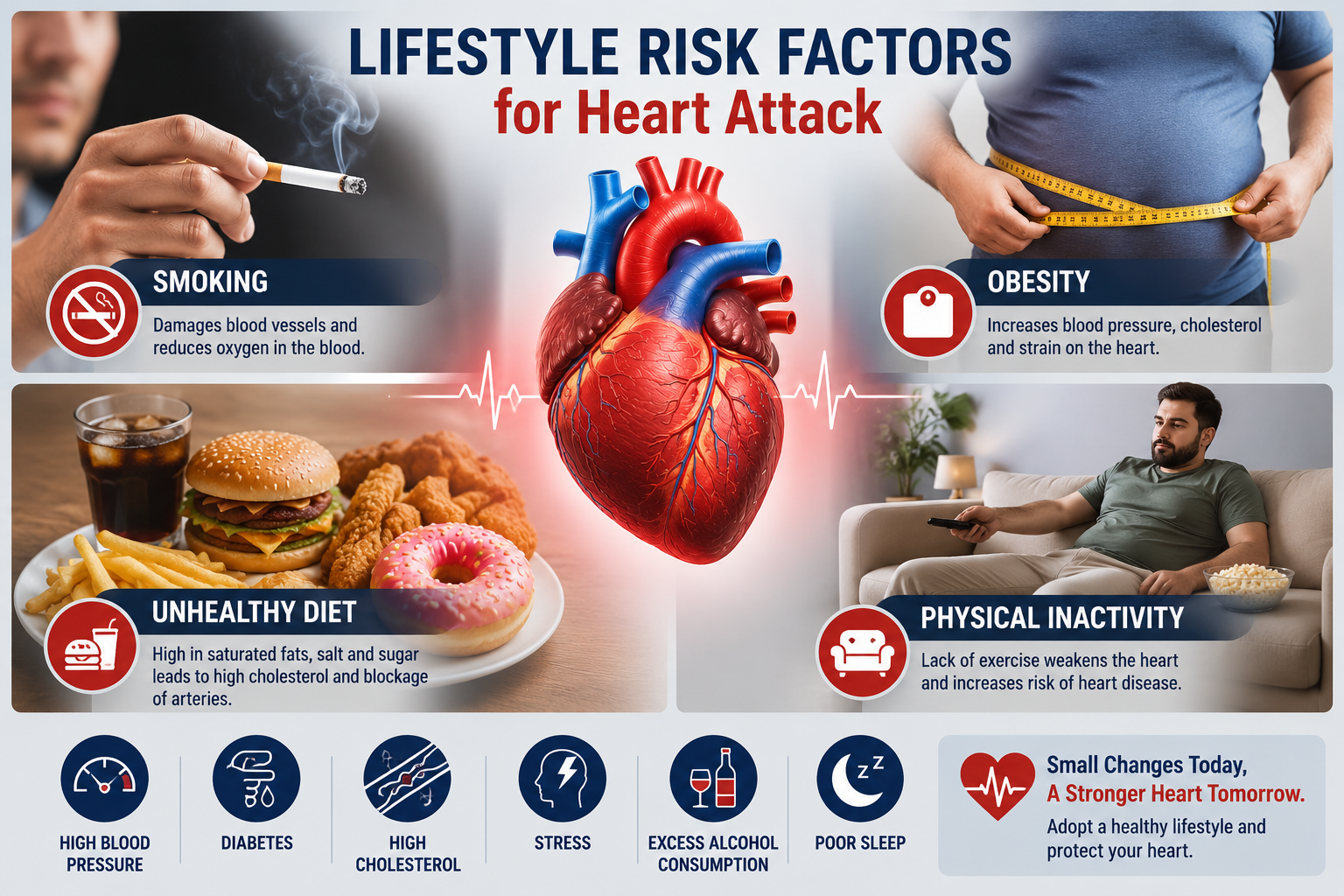
Several factors contribute to the development of a heart attack. The most common cause is coronary artery disease, where cholesterol deposits gradually narrow the arteries supplying blood to the heart.
Other important causes include:
- High cholesterol
- High blood pressure
- Smoking
- Diabetes
- Obesity
- Physical inactivity
- Chronic stress
- Excessive alcohol consumption
- Family history of heart disease
These factors often work together, increasing the chances of blockage inside the coronary arteries.
Major Risk Factors You Should Know
Some risk factors cannot be changed, while others can be controlled through healthy lifestyle choices.
Non-Modifiable Risk Factors
These include:
- Increasing age
- Family history of heart disease
- Male gender (although women are also at significant risk, especially after menopause)
- Certain inherited medical conditions
Although these risks cannot be eliminated, regular health check-ups help detect problems early.
Modifiable Risk Factors
Fortunately, many risks can be reduced by making healthier choices.
These include:
- Smoking
- High blood pressure
- High cholesterol
- Diabetes
- Poor diet
- Lack of exercise
- Being overweight
- Chronic stress
- Poor sleep habits
Managing these factors greatly improves overall heart health and reduces the likelihood of future heart problems.
Symptoms of a Heart Attack
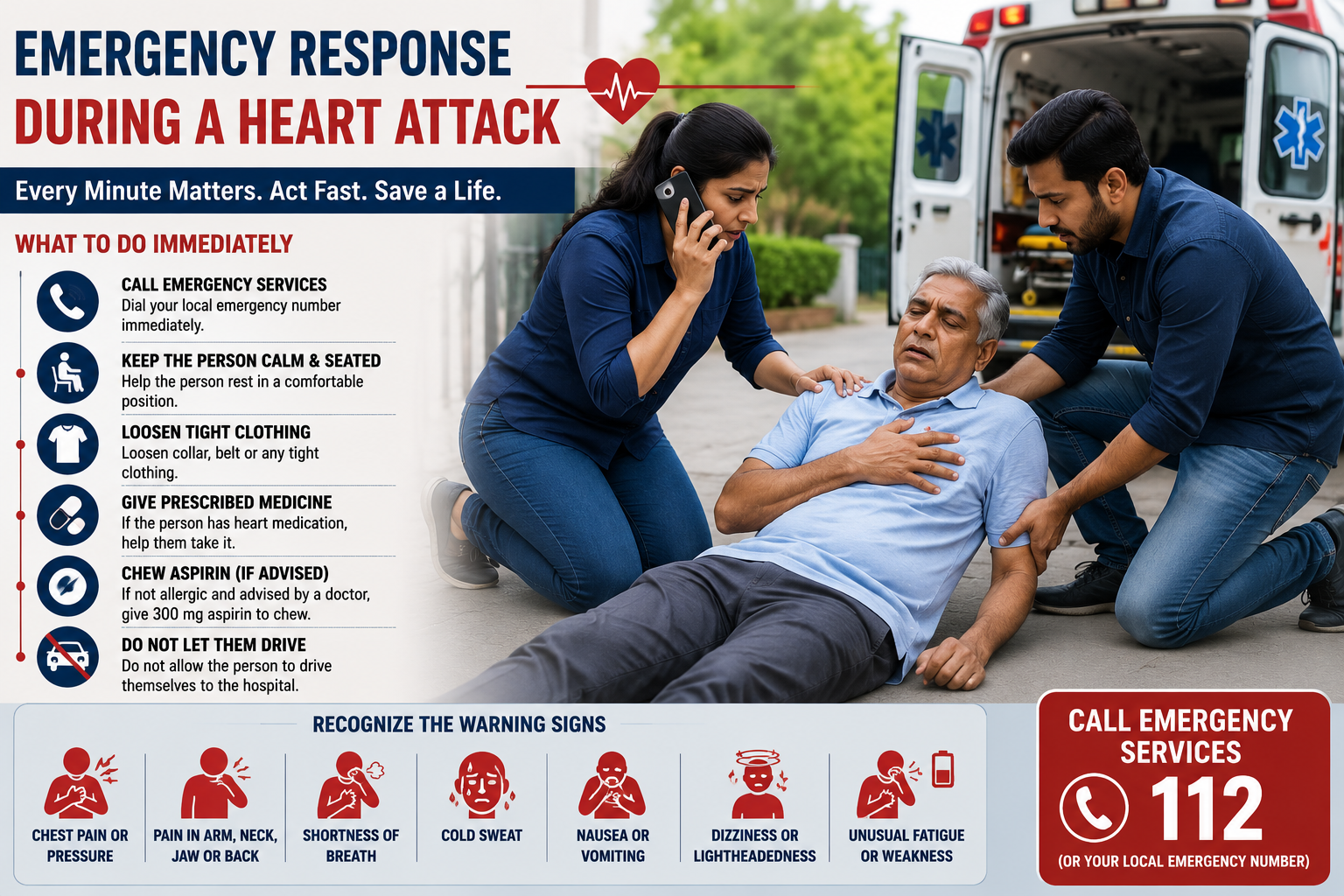
Recognizing the warning signs early can save a person’s life. While symptoms vary from person to person, the most common include:
- Severe chest pain or pressure
- Pain spreading to the left arm, shoulder, neck, jaw or back
- Shortness of breath
- Cold sweating
- Nausea or vomiting
- Sudden dizziness
- Extreme weakness or fatigue
Some people experience only mild discomfort, especially women, older adults and individuals with diabetes. Never ignore persistent chest pain or unexplained breathing difficulty.
Heart Attack Symptoms in Women
Women often experience symptoms that differ from the classic chest pain.
These may include:
- Unusual fatigue
- Indigestion
- Upper back pain
- Jaw pain
- Nausea
- Breathlessness
- Light-headedness
Because these symptoms may appear less obvious, many women delay seeking treatment. Immediate medical evaluation is essential whenever these warning signs occur.
What Should You Do During a Heart Attack?
If someone is suspected of having a heart attack, every minute matters.
Take these steps immediately:
- Call emergency medical services.
- Keep the person calm and seated.
- Loosen tight clothing.
- If prescribed, help them take their heart medication.
- If advised by a healthcare professional and not allergic, chew an aspirin.
- Do not allow the person to drive themselves to the hospital.
Quick action can reduce heart muscle damage and improve survival.
Diagnosis of Heart Attack
Doctors use several tests to confirm a heart attack and assess the severity of damage.
Common diagnostic tests include:
- Electrocardiogram (ECG)
- Blood tests for cardiac enzymes
- Echocardiography
- Coronary angiography
- CT coronary angiography in selected cases
These investigations help determine the most appropriate treatment plan.
Treatment Options
Treatment depends on the severity of the blockage and the patient’s overall condition.
Medications may include:
- Blood thinners
- Antiplatelet drugs
- Cholesterol-lowering medicines
- Blood pressure medications
- Pain-relieving medicines
When blood flow needs to be restored quickly, doctors may perform angioplasty with stent placement.
In more complex cases involving multiple blocked arteries, cardiac surgery such as coronary artery bypass grafting (CABG) may be recommended to improve blood circulation to the heart.
Recovery After a Heart Attack
Recovery continues long after hospital discharge.
Patients should:
- Take medicines regularly.
- Attend follow-up appointments.
- Participate in cardiac rehabilitation.
- Quit smoking permanently.
- Maintain a healthy weight.
- Exercise under medical guidance.
- Follow a balanced diet.
- Control diabetes and blood pressure.
A positive lifestyle greatly lowers the chance of another heart attack.
How to Prevent a Heart Attack
The best treatment is prevention. Protecting your heart health begins with simple daily habits.
Effective prevention tips include:
- Eat fresh fruits and vegetables.
- Choose whole grains.
- Reduce salt and sugar intake.
- Avoid processed foods.
- Limit saturated and trans fats.
- Exercise for at least 30 minutes most days.
- Maintain a healthy body weight.
- Sleep 7–8 hours every night.
- Manage stress through yoga or meditation.
- Avoid tobacco in every form.
- Limit alcohol consumption.
- Get regular health screenings.
Small lifestyle improvements today can prevent major health problems tomorrow.
Importance of Regular Heart Check-ups
Many heart diseases develop silently without noticeable symptoms. Routine health check-ups help identify risk factors before they become dangerous.
Regular screening should include:
- Blood pressure monitoring
- Blood sugar testing
- Cholesterol profile
- Body weight assessment
- ECG when advised
- Cardiac evaluation for high-risk individuals
Early detection allows timely treatment and better long-term outcomes.
When is Cardiac Surgery Required?
Not every patient experiencing a heart attack requires cardiac surgery. However, surgery becomes necessary when severe blockages affect multiple coronary arteries or when angioplasty cannot provide adequate blood flow restoration.
Experienced cardiac surgeons evaluate each patient’s condition individually and recommend the safest treatment option based on imaging findings, overall health and heart function.
Expert Care Matters
Receiving treatment from an experienced heart specialist can make a significant difference in recovery and long-term outcomes. Dr. Ved Prakash, an experienced cardiac surgeon, emphasizes early diagnosis, timely treatment and preventive lifestyle changes to reduce the burden of heart disease. Along with advanced cardiac surgery techniques when required, he encourages patients to focus on long-term heart health through regular follow-up, healthy eating, exercise and effective management of medical conditions such as diabetes and hypertension.
Conclusion
A heart attack is a medical emergency that demands immediate attention, but it is also largely preventable. Understanding the causes, symptoms, risk factors and prevention strategies empowers individuals to take better care of their heart health. Healthy eating, regular exercise, avoiding tobacco, controlling blood pressure, cholesterol and diabetes, along with timely medical check-ups, are the foundation of a healthy heart.
Recognizing warning signs early and seeking prompt medical treatment can save lives and reduce complications. When advanced treatment is required, modern cardiac surgery offers excellent outcomes for suitable patients. By making heart-healthy choices every day and consulting experienced specialists such as Dr. Ved Prakash, individuals can protect their hearts, improve their quality of life and reduce the risk of future cardiovascular disease.