Author name: Nishant Saini

#1 Cardiothoracic Surgeon Near Me: Advanced Heart Care-make featured image
Uncategorized

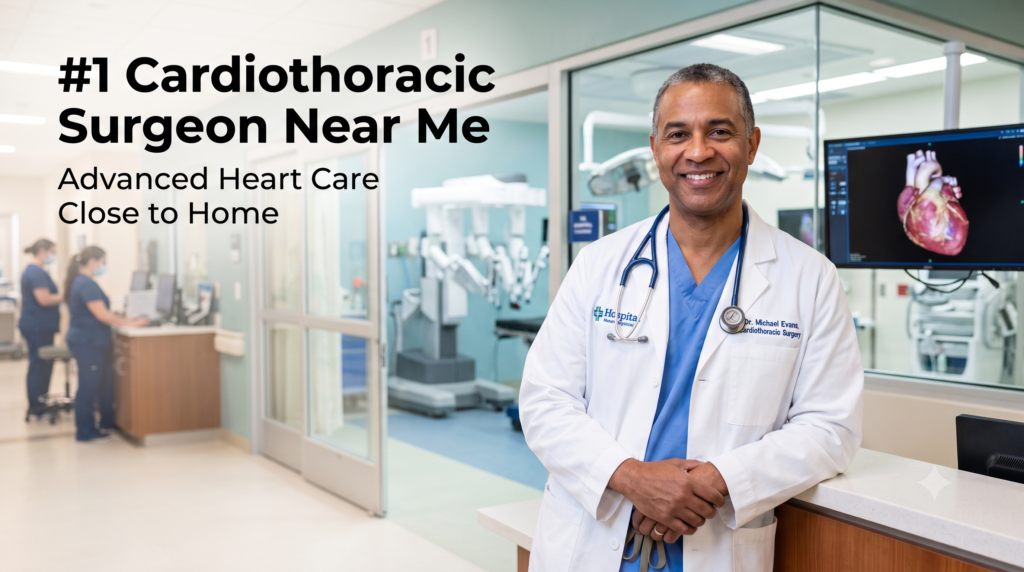
#1 Cardiothoracic Surgeon Near Me: Advanced Heart Care

Finding a highly qualified cardiothoracic surgeon near me is the critical first step toward reclaiming your health when structural cardiovascular problems arise. The complex field of thoracic surgery demands immense precision, deep biological knowledge, and thousands of hours of rigorous operating room experience. Because your heart operates as the structural engine of your entire physiological system, choosing the right medical professional is paramount. Therefore, patients must evaluate specialized clinical skills with extreme diligence before making life-altering surgical choices. Dr. Vedprakash focuses heavily on delivering personalized, evidence-based surgical interventions designed to optimize long-term clinical outcomes for every patient. Whether you face complex coronary artery issues, advanced valvular disease, or intricate thoracic conditions, getting timely expert support remains essential. Fortunately, advanced surgical techniques continue to evolve rapidly, offering vastly improved recovery trajectories for individuals facing heart disorders. Many individuals begin their journey toward healing by entering the exact phrase cardiothoracic surgeon near me into online search engines. This local clinical search is incredibly smart because proximity matters immensely during the complex recovery phases following major open heart procedures. Having an elite specialist close to your residential home ensures seamless, stress-free post-operative checkups and immediate access if complications occur. Furthermore, local medical care minimizes the intense physical strains associated with traveling long distances right after surgical interventions. When searching for a trusted cardiothoracic surgeon near me, you are seeking someone who can confidently manage high-stakes physiological environments. These highly trained professionals operate specifically within the chest cavity, expertly repairing hearts, lungs, major blood vessels, and the surrounding tissues. Because these complex systems dictate daily survival, choosing an experienced professional like Dr. Vedprakash drastically lowers long-term health risks. Consequently, local accessibility combined with elite surgical mastery offers the ideal foundation for achieving excellent cardiovascular outcomes with best cardiothoracic surgeon near me. According to major publications from the American Heart Association, selecting high-volume regional surgical centers directly correlates with lower mortality rates. Therefore, local patient care combined with specialized clinical infrastructure provides a safe, highly protective environment for dealing with structural heart conditions. Modern thoracic medical practice encompasses a highly diverse spectrum of complex surgical operations designed to remedy serious structural defects. If you are actively researching a premier cardiothoracic surgeon near me, you should understand the primary procedures performed regularly. Coronary Artery Bypass Grafting (CABG): This classic procedure redirects vital blood flow around severely blocked arterial pathways to restore optimal myocardial perfusion. Heart Valve Repair and Replacement: Surgeons carefully mend or replace malfunctioning aortic, mitral, or tricuspid valves to prevent dangerous backward blood leakage. Aortic Aneurysm Repair: This high-stakes operation reinforces weakened, dangerously bulging sections of the body’s main artery to prevent fatal rupture. Thoracic Oncology Interventions: Surgeons remove cancerous tumors originating within the lungs, esophagus, or anterior mediastinal spaces. Every structural intervention demands custom architectural mapping tailored uniquely to the patient’s internal anatomy. Because no two hearts possess the exact same structural layout, your chose specialist must display profound spatial awareness. The initial clinical meeting with a top-rated cardiothoracic surgeon near me acts as the launchpad for your recovery process. During this initial assessment, Dr. Vedprakash will thoroughly review your complete medical history, previous angiograms, and diagnostic echocardiograms. Furthermore, he will meticulously examine your current physiological status to determine if you are a suitable candidate for major intervention. This structural process ensures that every potential health variable is appropriately addressed before you enter the operating room environment. Patients are strongly encouraged to ask detailed questions regarding the long-term benefits and associated risks of their recommended operations. Because open communication fosters deep clinical trust, this dialogue remains highly essential for reducing pre-surgical anxiety. The dramatic evolution of surgical infrastructure has turned once-impossible cardiac operations into highly predictable, safe procedures. Today, utilizing a premier cardiothoracic surgeon near me means gaining direct access to state-of-the-art diagnostic and intraoperative tools. For instance, advanced cardiopulmonary bypass machines temporarily assume the vital roles of your heart and lungs during complex repairs. Consequently, this advanced machinery allows the surgical team to work meticulously on a perfectly still, bloodless field. Additionally, modern operating theaters utilize real-time transesophageal echocardiography to monitor valvular performance instantly before the chest cavity is closed. This high-definition imaging ensures that structural corrections are completely successful before the patient leaves the sterile theater environment. Therefore, advanced clinical technology acts as an essential safeguard, working alongside the surgeon’s manual skills to protect patient lives. Proper physical and psychological preparation significantly influences how well your body handles the massive stress of major thoracic operations. If you have successfully scheduled an appointment with a top cardiothoracic surgeon near me, your pre-operative checklist begins immediately. First, you must strictly optimize your baseline nutritional status by eating vitamin-rich foods that naturally facilitate tissue healing. Second, you must stop smoking immediately, because tobacco severely impairs post-operative pulmonary function and delays wound healing. Moreover, Dr. Vedprakash will provide explicit instructions regarding your daily medication regimens prior to the planned operation date. Certain blood thinners must be carefully paused to minimize intraoperative bleeding risks, whereas other vital medications must continue uninterrupted. By following these precise medical guidelines, you actively minimize potential complications and pave the way for a smooth transition. The true journey toward long-term cardiovascular health does not conclude when the final surgical suture is placed inside the chest. In fact, the crucial post-operative phase requires highly focused, disciplined lifestyle adaptations to protect your newly repaired heart muscle. After spending a few days inside the intensive care unit, patients are transitioned to dedicated step-down cardiac wards. Here, medical teams carefully monitor your heart rhythms, fluid balances, and surgical wound healing progress. Once you return home, participating in a structured cardiac rehabilitation program becomes the next critical phase of your recovery. These evidence-based programs combine medically supervised physical exercise with comprehensive nutritional counseling to strengthen your heart safely. Consequently, partnering with an accessible cardiothoracic surgeon near me allows for quick, seamless adjustments to your rehabilitation protocol as your endurance improves. Patients preparing for major thoracic procedures naturally harbor numerous questions regarding their upcoming hospital experiences.
Stress Management: 10 Science-Backed Habits for Better Health
Uncategorized

Stress Management: 10 Science-Backed Habits for Better Health

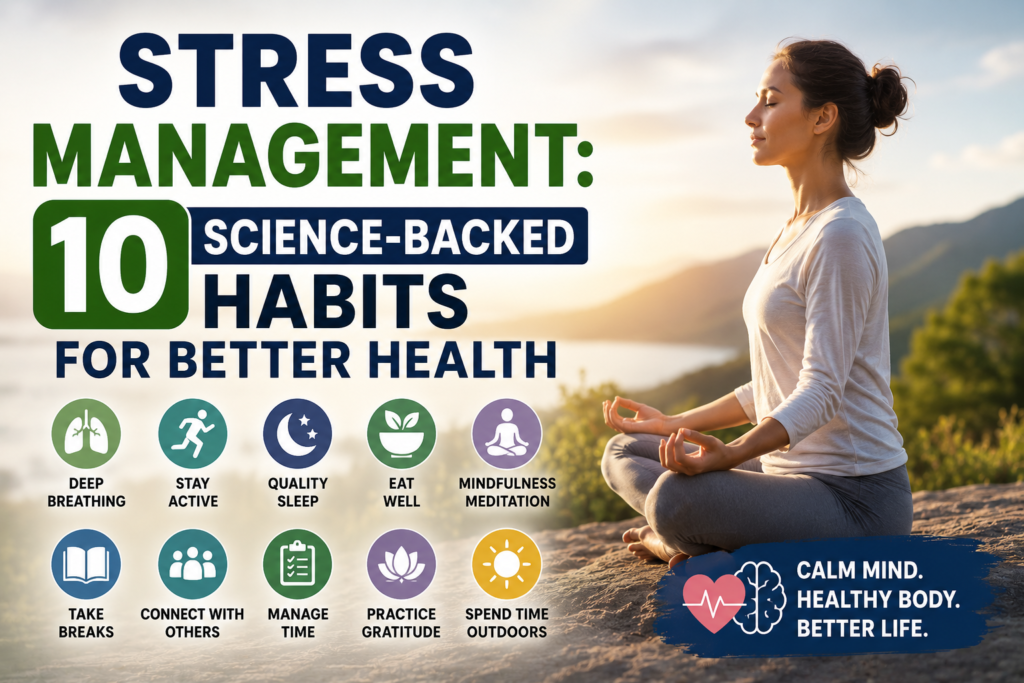
Introduction Stress Management is one of the most important skills you can develop for better physical and mental health. While stress is a natural response to life’s challenges, ongoing or unmanaged stress can negatively affect your body and mind. It may contribute to high blood pressure, poor sleep, anxiety, digestive issues, weakened immunity, and an increased risk of heart disease. The good news is that effective stress management does not require complicated techniques or expensive treatments. Instead, small, consistent daily habits can help your body recover from stress and improve your overall quality of life. Scientific research has shown that regular exercise, healthy eating, quality sleep, mindfulness, and relaxation techniques all play a major role in reducing stress levels. Modern lifestyles often leave little time for self-care. Busy work schedules, financial responsibilities, family commitments, and constant digital distractions can make it difficult to relax. As a result, many people experience chronic stress without realizing its long-term impact. Therefore, learning healthy coping strategies is essential for maintaining both mental and physical well-being. This guide explores 10 science-backed habits that can help you manage stress naturally. These practical strategies are easy to follow and suitable for people of all ages. By incorporating these habits into your daily routine, you can improve your resilience, increase your energy levels, and enjoy a healthier, happier life. Why Stress Management Matters Stress affects nearly every system in the body. During stressful situations, your brain releases hormones such as cortisol and adrenaline. These hormones prepare your body for immediate action by increasing your heart rate, blood pressure, and energy levels. While this response is helpful during short-term challenges, constant stress keeps these hormones elevated. Consequently, the body has less time to recover. Over time, chronic stress may contribute to fatigue, poor concentration, digestive problems, headaches, weakened immunity, and cardiovascular disease. Effective stress management helps reduce these harmful effects. It improves emotional balance, supports better sleep, strengthens the immune system, and promotes healthier relationships. In addition, people who manage stress well are often more productive, make better decisions, and enjoy greater overall life satisfaction. Rather than trying to eliminate stress completely, the goal is to build healthy habits that allow your mind and body to recover quickly after stressful events. 1. Practice Deep Breathing Every Day Deep breathing is one of the simplest and most effective stress management techniques. Slow, controlled breathing activates the body’s relaxation response and helps reduce the production of stress hormones. Spend five to ten minutes each day taking slow breaths. Inhale through your nose for four seconds, hold briefly, and exhale slowly through your mouth. Repeat this pattern several times. Over time, regular breathing exercises can lower blood pressure, reduce anxiety, improve concentration, and promote a greater sense of calm. Furthermore, deep breathing can be practiced almost anywhere, making it an excellent daily habit. 2. Stay Physically Active Exercise is a natural stress reliever. Physical activity stimulates the release of endorphins, which are chemicals that improve mood and reduce feelings of stress. Aim for at least 30 minutes of moderate exercise on most days of the week. Walking, cycling, swimming, yoga, and dancing are all excellent choices. Regular exercise also improves sleep quality, supports heart health, and boosts self-confidence. Moreover, spending time outdoors while exercising provides additional mental health benefits through exposure to fresh air and sunlight. The key is consistency rather than intensity. Even a short daily walk can make a meaningful difference. 3. Prioritize Quality Sleep Sleep and stress have a close relationship. High stress often causes poor sleep, while inadequate sleep increases stress levels the following day. Most adults should aim for seven to nine hours of quality sleep each night. Establish a regular bedtime, reduce screen time before bed, and keep your bedroom cool, quiet, and comfortable. Avoid caffeine late in the day and consider relaxing activities such as reading or meditation before bedtime. Good sleep improves emotional regulation, memory, focus, and overall resilience against stress. 4. Eat a Balanced Diet Nutrition plays an important role in stress management. A balanced diet provides the vitamins, minerals, and nutrients your body needs to function properly during stressful situations. Include plenty of vegetables, fruits, whole grains, lean proteins, legumes, nuts, and healthy fats in your meals. These foods support stable energy levels and help reduce inflammation. Limit processed foods, sugary drinks, and excessive caffeine because they may worsen anxiety and contribute to energy crashes. Staying hydrated is equally important. Drinking enough water throughout the day supports brain function and helps your body respond more effectively to stress. 5. Practice Mindfulness and Meditation Mindfulness encourages you to focus on the present moment instead of worrying about the past or future. Research shows that regular mindfulness practice can significantly reduce stress and improve emotional well-being. Begin with just five to ten minutes each day. Sit comfortably, focus on your breathing, and gently return your attention whenever your mind wanders. Meditation does not require perfection. Instead, consistent practice gradually improves emotional awareness and resilience. Over time, many people notice better concentration, lower anxiety levels, and greater inner calm. Conclusion Stress is a normal part of life, but it does not have to control your health or happiness. By adopting simple, evidence-based habits such as deep breathing, regular exercise, quality sleep, balanced nutrition, and mindfulness, you can build resilience and improve your overall well-being. Remember that lasting results come from consistency rather than perfection. Start with one habit today, practice it regularly, and gradually add more positive changes to your routine. Small daily improvements can lead to significant long-term benefits for both your mental and physical health. For more evidence-based health guidance, consult qualified healthcare professionals and explore additional wellness resources from Dr. Ved Prakash.

Daily Habits for a Healthy Heart: 15 Science-Backed Tips to Protect Your Heart
Uncategorized

Daily Habits for a Healthy Heart: 15 Science-Backed Tips to Protect Your Heart

  Daily Habits for a Healthy Heart play a vital role in protecting your cardiovascular system and improving your overall well-being. While genetics can influence your risk of heart disease, your everyday choices have an even greater impact on maintaining a strong and healthy heart. Simple actions, such as eating nutritious foods, staying physically active, sleeping well, and managing stress, can significantly reduce the risk of heart attacks, strokes, high blood pressure, and other cardiovascular conditions. Heart disease remains one of the leading causes of death worldwide. However, research consistently shows that adopting healthy lifestyle habits can prevent many heart-related problems before they begin. The good news is that you don’t need drastic changes to make a difference. Small, consistent improvements in your daily routine often lead to lasting benefits for your heart and overall health. In this comprehensive guide, you’ll discover 15 science-backed daily habits for a healthy heart that are practical, easy to follow, and suitable for people of all ages. Each recommendation is supported by medical research and focuses on sustainable lifestyle changes rather than quick fixes. Whether your goal is to prevent heart disease, lower blood pressure, improve cholesterol levels, or simply enhance your long-term cardiovascular health, these habits can help you build a stronger foundation for a healthier future. At Dr. Ved Prakash, we believe that prevention is the first step toward lifelong wellness. By making informed choices every day, you can protect your heart, improve your quality of life, and enjoy better health for years to come. Why Daily Habits Matter for Heart Health Your heart works every second of every day. It pumps oxygen-rich blood throughout your body, supplying every organ with the nutrients it needs to function properly. Because the heart never takes a break, it deserves consistent care. Daily Habits for a Healthy Heart are not about making one big change overnight. Instead, they involve small, positive actions that gradually improve cardiovascular health over time. Modern lifestyles often include long hours of sitting, unhealthy eating, chronic stress, and poor sleep. Together, these factors increase the risk of high blood pressure, high cholesterol, obesity, diabetes, and heart disease. Fortunately, the opposite is also true. Healthy daily habits can strengthen the heart, improve blood circulation, reduce inflammation, and lower the risk of serious cardiovascular conditions. Research shows that people who follow a healthy lifestyle have a significantly lower chance of developing heart disease. Eating nutritious meals, exercising regularly, getting enough sleep, avoiding tobacco, and managing stress all contribute to better heart function. Moreover, these habits work together. For example, regular exercise helps control weight, lowers blood pressure, improves sleep quality, and reduces stress. As a result, the overall benefit is greater than focusing on just one habit. Another important reason to build healthy habits is consistency. Many people try strict diets or intense workout routines for a few weeks. However, they often stop because the changes are difficult to maintain. Sustainable daily habits are much easier to follow. Walking for 30 minutes, drinking enough water, choosing whole foods, and practicing relaxation techniques every day can produce long-term improvements. Age is another factor to consider. While heart disease becomes more common as people grow older, prevention should begin early. Healthy habits established in your twenties and thirties often continue into later life. Even if you already have high blood pressure or diabetes, adopting better habits today can still improve your heart health and reduce future complications. Therefore, the goal is not perfection. Instead, focus on making better choices more often than not. Every healthy meal, every walk, and every good night’s sleep is an investment in your heart. Over months and years, these small decisions create a powerful foundation for lifelong cardiovascular wellness. Daily Habits for a Healthy Heart: Eat a Heart-Healthy Diet Every Day A balanced diet is one of the most effective ways to protect your heart. The food you eat directly affects your blood pressure, cholesterol levels, blood sugar, body weight, and overall cardiovascular health. Therefore, making smart food choices should be one of your top priorities. Start by filling your plate with colorful vegetables and fresh fruits. These foods are naturally rich in vitamins, minerals, antioxidants, and dietary fiber. They help reduce inflammation and protect blood vessels from damage. Aim to include a variety of colors every day because different fruits and vegetables provide different nutrients. Whole grains are another essential part of a heart-healthy diet. Foods such as oats, brown rice, whole wheat bread, quinoa, and millet provide fiber that helps lower LDL, often called “bad” cholesterol. Additionally, whole grains help maintain stable blood sugar levels and keep you feeling full for longer. Choose lean sources of protein whenever possible. Skinless chicken, fish, beans, lentils, tofu, and low-fat dairy products are excellent options. Fatty fish like salmon, sardines, and mackerel contain omega-3 fatty acids that support heart function and reduce inflammation. Including fish in your meals at least twice a week is a simple way to improve cardiovascular health. Healthy fats are equally important. Replace butter, ghee in excess, and processed vegetable shortening with healthier alternatives like olive oil, nuts, seeds, and avocados. These foods contain unsaturated fats that help improve cholesterol levels when consumed in moderation. At the same time, limit foods that contain excessive saturated fat, trans fat, refined sugar, and sodium. Processed snacks, sugary drinks, packaged desserts, fried foods, and fast food can increase the risk of obesity, hypertension, and heart disease. Reading food labels before purchasing packaged products can help you make healthier decisions. Portion control also plays a major role. Even healthy foods can contribute to weight gain if eaten in very large quantities. Therefore, use smaller plates, avoid overeating, and eat slowly so your body has time to recognize when you are full. Hydration is another often-overlooked aspect of nutrition. Drinking enough water helps your heart pump blood more efficiently and supports overall body function. While individual needs vary, most adults benefit from drinking water regularly throughout the day rather than waiting

Sleep Optimization: 9 Proven Cardiovascular Repair Tips-make featured image
Uncategorized

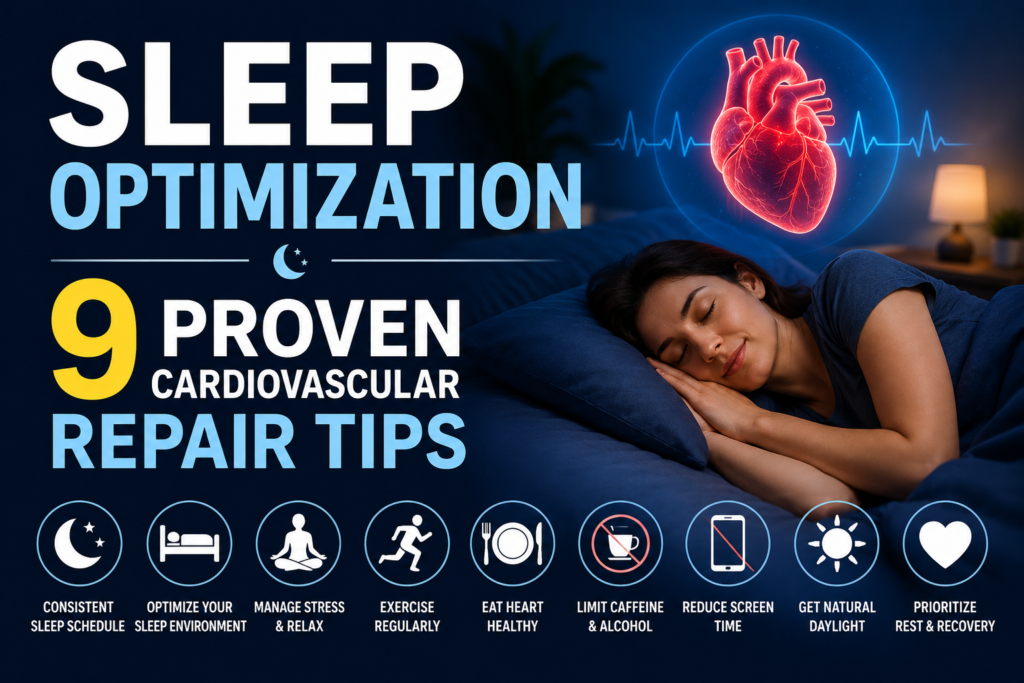
Sleep Optimization: 9 Proven Cardiovascular Repair Tips

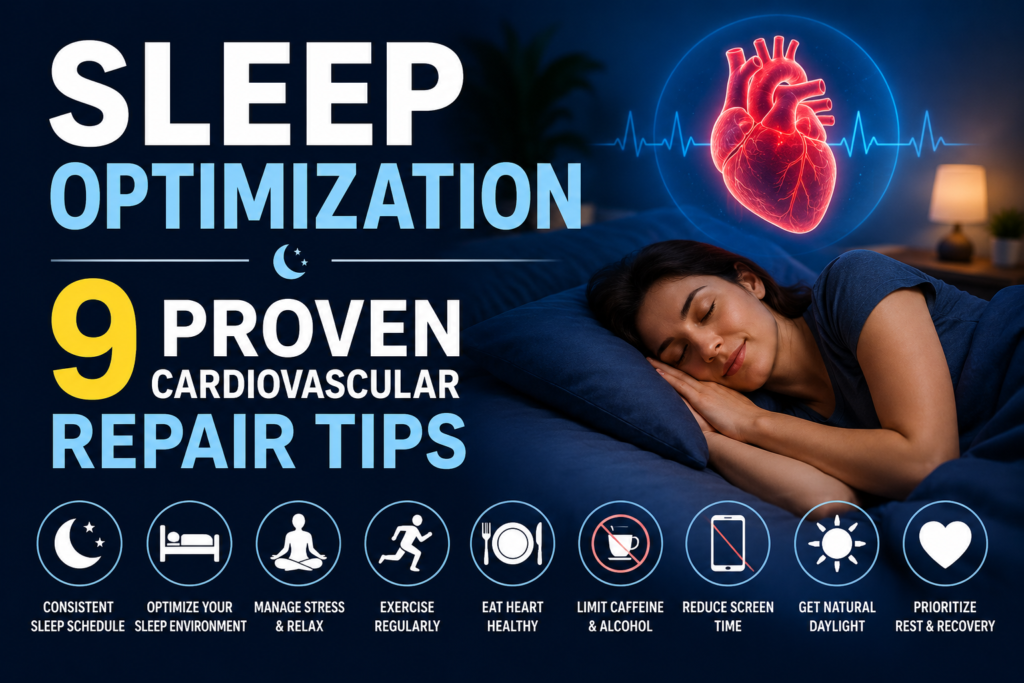
Sleep optimization is a fundamental pillar of modern cardiovascular medicine that often goes overlooked by the average patient. In our hyper-connected, fast-paced world, we frequently prioritize professional productivity over necessary nightly rest. However, your cardiovascular system pays a steep, cumulative price for this persistent imbalance. Current scientific research confirms that consistent, high-quality rest is just as important as a heart-healthy diet and regular physical exercise. By mastering the art of sleep optimization, you provide your weary heart with the critical nightly downtime it requires to mend, regenerate, and thrive. For those already managing heart conditions, sleep optimization is not merely a lifestyle preference; it is a clinical necessity for long-term recovery and arterial protection. The human heart is a tireless, high-performance muscle, beating over 100,000 times every single day. Because it never truly stops to rest, it relies on specific, rhythmic windows of deep slumber to perform essential maintenance. During the deep, non-REM stages of rest, your blood pressure naturally and safely drops. This physiological phenomenon, known as “nocturnal dipping,” is a vital safety mechanism for your vascular walls. Without intentional sleep optimization, this natural dipping process is frequently disrupted by stress, poor habits, or underlying medical conditions. When your blood pressure fails to drop at night, it forces your heart to work harder throughout the duration of your slumber, accelerating wear and tear on your delicate arteries. Furthermore, sleep optimization is essential for regulating the complex inflammatory markers that contribute to the development of atherosclerosis. By prioritizing sleep optimization, you are not just sleeping; you are actively engaging in essential cardiovascular repair that keeps your circulatory system resilient. How exactly does the human body heal itself during the quiet hours of the night? The process involves a highly complex and sensitive interplay of hormones, nervous system regulation, and cellular metabolic pathways. When you commit to a routine of effective sleep optimization, your sympathetic nervous system—often called the “fight or flight” mode—successfully calms down. This shift to parasympathetic dominance is the key to true systemic recovery. In stark contrast, chronic sleep debt keeps your nervous system in a constant state of sympathetic dominance. This leads to perpetually elevated levels of cortisol and adrenaline, which can stiffen your arteries and trigger dangerous, irregular heart rhythms. Effective sleep optimization acts as a biological “reset button” that balances these systems, promoting cardiac recovery and protecting against long-term vascular aging. When you ignore sleep optimization, you essentially deny your cardiovascular system the opportunity to neutralize the oxidative stress accumulated during your waking hours. Implementing a robust strategy for sleep optimization does not necessarily require a medical degree or expensive equipment. These nine actionable, scientifically backed steps will transform your nightly recovery and significantly improve your cardiovascular health. 1. Maintain a Consistent Circadian Rhythm Your body thrives on predictability. Going to bed and waking up at the exact same time—even on weekends—aligns your internal biological clock perfectly. This consistency is the absolute foundation of sleep optimization, as it signals your brain precisely when to trigger the release of sleep-inducing melatonin. 2. Control Your Bedroom Environment Your bedroom should be a sanctuary for healing. Keep the temperature cool, ideally between 60°F and 67°F, to encourage deep rest. A dark, quiet room is absolutely essential for sleep optimization, as it minimizes external environmental disturbances that pull you out of your deep, healing sleep cycles. 3. Eliminate Digital Distractions Modern blue light from smartphones and computers inhibits your natural melatonin production. To support your sleep optimization efforts, turn off all electronic devices at least one hour before your intended bedtime. The artificial glow from your phone acts as a direct, chemical barrier to the deep, restorative rest that your heart desperately needs. 4. Optimize Your Nutritional Timing Digestion is a surprisingly energy-intensive process that can keep your heart rate elevated while you try to rest. Avoid consuming large or heavy meals within three hours of your bedtime. By aligning your dinner schedule with your core goals for sleep optimization, you ensure your body spends the night in repair mode rather than processing food. 5. Strategize Your Daily Exercise Physical activity is a cornerstone of cardiovascular health. However, engaging in intense evening activity can raise your core body temperature and keep your heart rate too high for rest. For better sleep optimization, try to finish your most vigorous workouts at least four hours before you plan to retire for the night. 6. Monitor Your Caffeine Intake Caffeine remains in your bloodstream for many hours after consumption. Even a mid-afternoon cup of coffee can fragment your rest quality later that night. A core rule of sleep optimization is to cut off all caffeine intake by midday to ensure your brain and heart can transition to a restful state effectively. 7. Practice Mindfulness for Stress Reduction Anxious thoughts and racing minds are major enemies of quality rest. Before bed, dedicate fifteen minutes to deep, controlled breathing or gentle stretching. This helps lower your cortisol levels, which is a key component of successful sleep optimization and long-term arterial health. 8. Invest in Quality Bedding You spend roughly one-third of your entire life in bed. If your mattress is sagging or your pillow is uncomfortable, your body remains in a state of physical tension all night long. High-quality bedding is a tangible, necessary investment in your sleep optimization strategy and your overall spinal and cardiac comfort. 9. Seek Professional Guidance If you consistently struggle to find rest despite these fundamental changes, you may have an underlying physiological condition. Sleep optimization is physically impossible if you suffer from undiagnosed issues like obstructive sleep apnea. Consulting experienced professionals, such as Dr. Vedprakash, can help you identify and treat the root causes of your persistent fatigue. Many busy individuals mistakenly believe they can simply “catch up” on their rest during the weekends. Unfortunately, the human body does not function in this linear, forgiving way. This irregular sleep-wake pattern often makes your Monday morning transition significantly more difficult. True sleep optimization is about the consistent, high-quality

Uncategorized

Heart Health Check at Home: 5 Best Proven Methods

Performing a daily Heart Health Check is absolutely essential for a long life. Therefore, you should never ignore vital warning signs from your body. In addition, routine monitoring empowers you to take full control. Consequently, tracking your vital signs can prevent serious medical complications. Furthermore, you do not need expensive medical equipment to start. Today, we will thoroughly explore how monitoring protects your future. Specifically, early detection acts as your primary defense against illness. Ultimately, taking action today secures a much healthier tomorrow. What is a Heart Health Check? First, we must define what this process actually entails. A Heart Health Check is a series of simple daily evaluations. Specifically, it involves monitoring your basic vital signs safely at home. Therefore, it requires no specialized medical training at all. In addition, it takes only a few minutes every morning. Consequently, a Heart Health Check acts as a brilliant early warning system. Furthermore, you can perform these basic tests using minimal equipment. For instance, a basic watch and a blood pressure cuff are usually enough. Therefore, a routine Heart Health Check is highly accessible to everyone. Above all, it provides objective data about your personal physical wellness. Thus, a regular Heart Health Check is your absolute first line of defense. Ultimately, it is a tool for profound personal empowerment. The Anatomy of Cardiovascular Wellness To understand monitoring, we must look at basic human anatomy. Your heart is a powerful muscular pump located inside your chest. In addition, it pumps blood through a vast network of vessels. Consequently, this system delivers vital oxygen to every single cell. Furthermore, it carries away harmful waste products efficiently and constantly. Therefore, any disruption in this delicate flow causes immediate distress. As a result, implementing a Heart Health Check keeps this plumbing clear. Your arteries must remain flexible to handle changing physical pressure. However, poor diet can easily stiffen these vital pathways over time. Therefore, utilizing a regular Heart Health Check detects this stiffening early. Because early detection is possible, you can reverse the damage. Ultimately, a strong cardiovascular system guarantees better overall energy levels. Why You Need Monitoring Daily Your cardiovascular system works continuously without a single break. However, it can silently develop severe issues over a long period. Therefore, learning to do a Heart Health Check is your best defense. As a result, proactive habits literally save lives every single day. For instance, identifying high blood pressure early prevents permanent damage. Moreover, recognizing an irregular pulse helps you avoid major strokes. Thus, a daily Heart Health Check is highly beneficial for everyone. Consequently, you can sleep much better knowing you are monitoring your wellness. Furthermore, establishing a clear baseline makes spotting future abnormalities much easier. Therefore, never underestimate the profound power of a daily Heart Health Check. Specifically, consistency is the true key to unlocking long-term benefits. Ultimately, taking charge of your physical data changes your entire destiny. Method 1: Monitor Your Resting Pulse First, checking your resting pulse is an incredibly informative starting point. Ideally, you should measure this first thing in the quiet morning. Simply place two fingers gently on your bare wrist. Next, carefully count the total beats for exactly 60 seconds. Alternatively, count for 30 seconds and simply multiply the result by two. A normal resting rate falls between 60 and 100 beats per minute. However, a lower rate usually indicates much better athletic fitness. Conversely, a consistently high pulse might suggest underlying hidden stress. Therefore, track your morning numbers to improve your Heart Health Check. Consequently, you will easily notice if illness or stress elevates your baseline. Furthermore, a steady pulse indicates a highly efficient cardiovascular system. Ultimately, this simple step anchors your entire morning routine. Method 2: Track Your Blood Pressure Secondly, monitoring blood pressure is a crucial vital sign for everyone. In fact, high blood pressure is universally called the “silent killer.” Therefore, buying a reliable digital home monitor is a wise investment. To get accurate results, sit quietly for five full minutes beforehand. In addition, keep your arm supported perfectly at your chest level. Furthermore, ensure both of your feet rest completely flat on the floor. A genuinely healthy reading is generally below 120/80 mm Hg. If your numbers remain high, you must consult a doctor promptly. Incorporating this device is absolutely vital for a complete Heart Health Check. Because blood pressure fluctuates, checking it at the same exact time is best. Consequently, you will gather incredibly reliable and highly accurate data. Ultimately, managing pressure prevents massive internal organ damage. Method 3: Measure Variability (HRV) Furthermore, Heart Rate Variability (HRV) is gaining immense popularity among athletes. HRV precisely measures the microscopic time variation between individual heartbeats. Higher variability generally means your nervous system handles daily stress well. Conversely, incredibly low HRV can indicate fatigue or potential cardiovascular strain. Thankfully, many modern smartwatches automatically calculate this complex metric. Therefore, wearing a quality fitness tracker simplifies your daily monitoring greatly. As a result, you gain much deeper insights into your physical recovery. Tracking HRV is a wonderful modern addition to a Heart Health Check. Consequently, if your HRV drops suddenly, you know you need deep rest. Furthermore, it tells you when you are ready to exercise hard. Ultimately, listening to this specific data prevents severe physical burnout. Method 4: Evaluate Your Waist Circumference Another incredibly powerful indicator is your exact waistline measurement in inches. Surprisingly, excess belly fat directly impacts your overall cardiovascular risk dramatically. Specifically, dangerous visceral fat surrounds your vital internal organs completely. Consequently, this deep fat releases harmful inflammatory chemicals into your bloodstream. To measure accurately, wrap a flexible tape around your bare abdomen. Ensure the tape rests just slightly above your upper hip bones. For men, the ideal healthy measurement is strictly under 40 inches. Meanwhile, for women, it should consistently remain under 35 inches. Thus, keeping your waist trim actively improves your Heart Health Check. Furthermore, this step requires absolutely no complicated digital technology at all. Therefore, checking your waist is cheap

Mudra Practice for a Healthy Heart: 10 Best Secrets by Dr.Vedprakash
Uncategorized

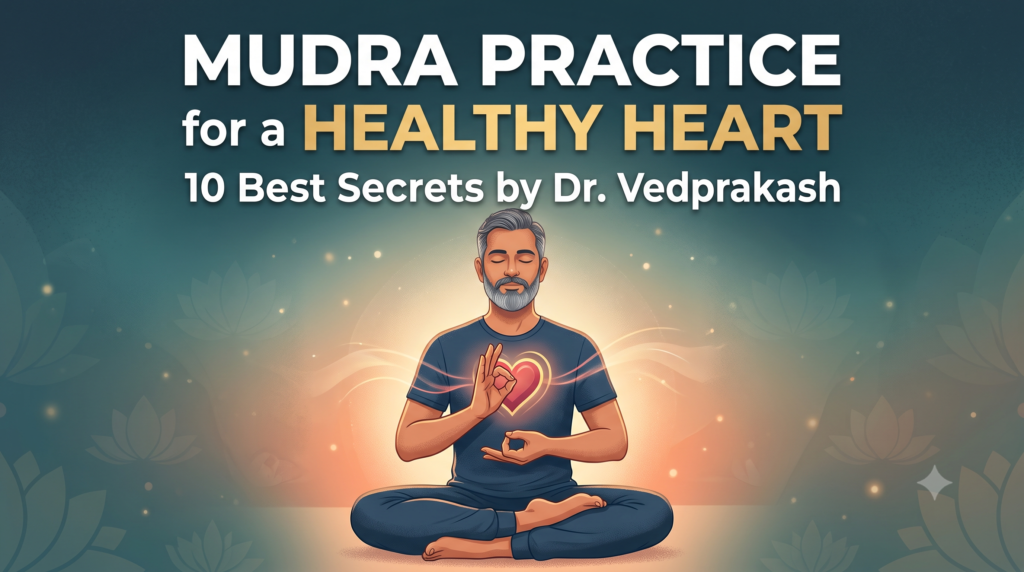
Mudra Practice for a Healthy Heart: 10 Best Secrets by Dr.Vedprakash

Starting a Mudra Practice for a Healthy Heart is a truly wonderful decision. Indeed, many people want natural ways to boost their daily wellness. Therefore, ancient yoga hand gestures are gaining massive modern popularity. Specifically, Dr. Vedprakash highly recommends these simple, natural healing techniques. Because of this, we will deeply explore ten amazing options today. Overall, they are very easy to learn and highly effective. Furthermore, you can do a Mudra Practice for a Healthy Heart absolutely anywhere. Consequently, you do not need any special exercise equipment to begin. Ultimately, building a regular daily routine changes lives for the better. Therefore, let us dive into the ultimate guide for cardiovascular wellness. Why You Need This Daily Routine Your cardiovascular system works incredibly hard every single day. However, modern life brings constant severe stress to our physical bodies. Because of this, you urgently need a way to completely relax. Specifically, hand gestures can stimulate vital healing energy flow within you. Moreover, this ancient Indian science is completely free for everyone to use. Indeed, beginning a Mudra Practice for a Healthy Heart takes only minutes. Furthermore, you can practice them wherever you go every single day. For instance, try them while sitting on the morning commute bus. Alternatively, do them right before you go to sleep late tonight. Certainly, Dr. Vedprakash believes deeply in their natural, powerful healing ability. Therefore, a Mudra Practice for a Healthy Heart is truly essential today. Importantly, it perfectly complements your existing medical and healthy dietary routines. As a result, your chest physically feels lighter and much calmer. Consequently, a Mudra Practice for a Healthy Heart protects your long-term longevity. Specifically, energy pathways quickly open up when you bend your fingers. The Science Behind The Gestures Many people wonder how simple finger movements actually heal human bodies. Firstly, your hands contain thousands of highly sensitive nerve endings. Consequently, these delicate nerves connect directly to your brain and vital organs. Therefore, pressing specific hand points stimulates your entire complex nervous system. Specifically, this creates a very calming parasympathetic response in your body. Because of this, your rapid heart rate naturally begins to slow down. Indeed, a Mudra Practice for a Healthy Heart actively lowers physical stress. Furthermore, Ayurvedic medicine states the fingers beautifully represent five natural elements. Importantly, balancing these distinct elements creates deep harmony inside your physical chest. Therefore, a Mudra Practice for a Healthy Heart perfectly balances your internal fire. Additionally, it regulates the vital air element flowing constantly through you. As a result, your tight blood vessels relax and open much wider. Ultimately, a Mudra Practice for a Healthy Heart drastically improves your blood circulation. Moreover, clinical modern studies show meditation lowers high blood pressure significantly. Consequently, combining gestures with meditation maximizes your daily medical healing results. Dr. Vedprakash’s Expert Holistic Approach Holistic healing requires a completely dedicated and consistent daily mental mindset. Specifically, Dr. Vedprakash teaches his patients to embrace ancient, natural wellness routines. Therefore, he created this specific comprehensive guide for your daily routine. Indeed, his busy clinic sees amazing results from dedicated, daily client practice. Furthermore, he constantly emphasizes that consistency brings the absolute best medical results. Importantly, a Mudra Practice for a Healthy Heart requires great daily patience. Because of this, you should never rush your personal natural healing journey. Moreover, you must always combine this therapy with a highly nutritious diet. Additionally, regular light physical exercise is vital for your total physical longevity. Consequently, a Mudra Practice for a Healthy Heart is just one puzzle piece. However, it is a very powerful and completely transformative puzzle piece. Therefore, trust the ancient process and breathe very deeply every single day. Ultimately, a Mudra Practice for a Healthy Heart fully empowers your human spirit. As a result, you reclaim total control over your own cardiovascular health. 10 Amazing Gestures for Cardiovascular Wellness Here are ten incredible gestures to add directly to your routine. Specifically, these exact steps are heavily backed by ancient, proven yogic wisdom. Additionally, always remember to breathe deeply while formally practicing them at home. 1. Apana Vayu Mudra This is widely called the ultimate “lifesaver” physical hand gesture. Specifically, it helps redirect vital healing energy directly to your tight chest. Therefore, it is the best Mudra Practice for a Healthy Heart. To begin, touch your index finger directly to your thumb base. Next, join your middle, ring, and thumb tips very gently together. Finally, keep your pinky finger extended perfectly straight and fully relaxed. Indeed, you should hold this specific pose for exactly fifteen minutes. Furthermore, you can easily do this three times every single day. Importantly, this specific Mudra Practice for a Healthy Heart acts very fast. Because of this, many people use it during sudden, scary panic attacks. Moreover, it regulates irregular fast heartbeats and calms severe daily chest palpitations. Consequently, fresh oxygen flows much better throughout your entire physical body. Therefore, prioritize this Mudra Practice for a Healthy Heart every single morning. Ultimately, it is the true cornerstone of cardiovascular yoga therapies globally. 2. Prana Mudra This beautiful gesture strongly boosts your overall bodily life force energy. Consequently, it increases daily vitality and deeply improves your vital blood circulation. Importantly, it greatly helps reduce daily fatigue and chronic physical tiredness. To begin, join your ring and pinky fingers with your thumb tip. Meanwhile, keep your other two fingers perfectly straight and deeply relaxed. Indeed, this is a vital Mudra Practice for a Healthy Heart. Because it directly charges your cellular energy and boosts your immune system. Furthermore, better immunity ensures your chest organs suffer much less internal inflammation. Therefore, inflammation reduction is absolutely crucial for long-term cardiovascular disease prevention. Specifically, this Mudra Practice for a Healthy Heart gently clears your blocked arteries. Moreover, it naturally helps you breathe much deeper into your lower lungs. Consequently, deeper breathing oxygenates your rich blood much faster and much easier. As a result, your internal chest organs receive rich, healing cellular nutrients daily. 3. Surya Mudra This ancient gesture

VO2 Max Explained: The 1 best Metric for Cardiovascular Health
Uncategorized

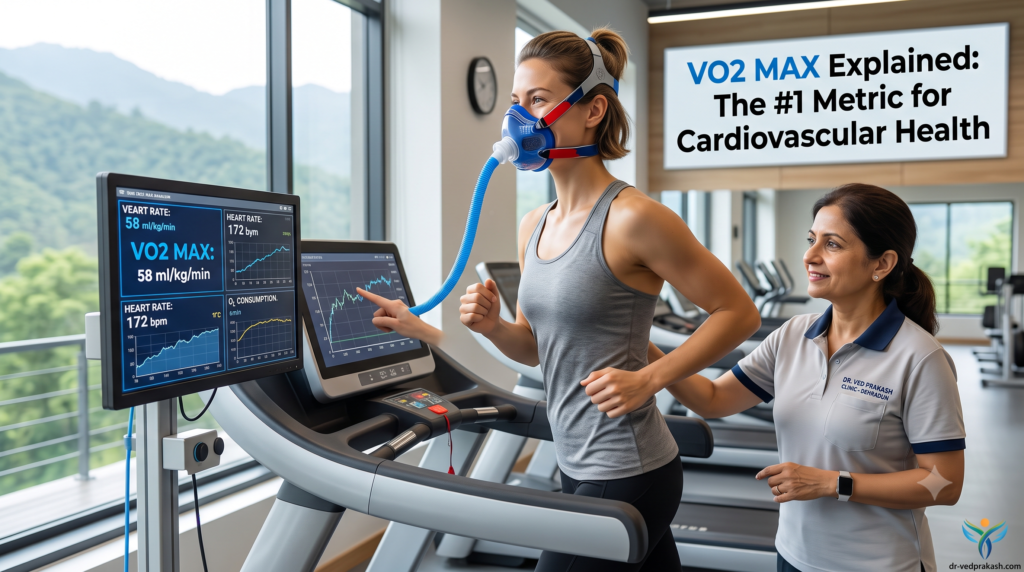
VO2 Max Explained: The 1 best Metric for Cardiovascular Health

Understanding your VO2 Max is one of the smartest things you can do for your body today. Simply put, this metric defines your true cardiovascular fitness. Therefore, knowing your number can change your life. Many people spend hours at the gym without tracking their progress. However, guessing your fitness level rarely works well. Consequently, experts agree that measuring this vital sign is completely essential for everyone. In this comprehensive guide, we will explore exactly what this metric means. Furthermore, we will reveal how you can improve yours quickly. Let us begin this journey toward better wellness right now. What is VO2 Max? First, let us define what this term actually means. Basically, VO2 Max measures the maximum amount of oxygen your body uses during intense exercise. It stands for “volume of oxygen maximum.” Your muscles need oxygen to create energy efficiently. Therefore, a higher number means your body is excellent at using oxygen. As a result, you can exercise harder and longer without fatigue. Usually, doctors measure it using a special treadmill test. During this test, you wear a mask that tracks your breathing. However, many modern smartwatches also provide an estimated score. While these watches are not perfect, they offer a great starting point. When you breathe in, your lungs fill with air. Then, oxygen travels into your bloodstream quickly. Next, your heart pumps this oxygen-rich blood to your working muscles. Inside your muscles, tiny powerhouses called mitochondria use this oxygen. They create the energy needed for movement. Therefore, your VO2 Max reflects how well this entire system operates. If any part of this system is weak, your score will be lower. For instance, if your heart cannot pump enough blood, you will struggle. Similarly, if your muscles lack mitochondria, you will tire out quickly. Therefore, improving this metric requires training your whole body. You must strengthen your heart, lungs, and muscles simultaneously. Fortunately, targeted exercise does exactly this. The Science Behind Your Breathing To truly grasp this concept, we must look deeper into human biology. Your respiratory system plays a massive role in your fitness. Every single breath you take matters during exercise. When you start running, your breathing rate increases instantly. Your body demands more oxygen to keep moving. Consequently, your lungs work harder to pull in fresh air. At the same time, your heart beats much faster. It needs to deliver that oxygen to your legs and arms. This continuous cycle is the core of cardiovascular endurance. Your VO2 Max represents the absolute ceiling of this process. It is the exact moment your body cannot utilize any more oxygen. Even if you breathe faster, your muscles cannot process it. At this point, your body switches to anaerobic energy production. This means it creates energy without using oxygen. However, this process creates lactic acid as a byproduct. Lactic acid causes that familiar burning sensation in your muscles. Eventually, this buildup forces you to slow down or stop completely. Therefore, a higher VO2 Max delays this painful burning sensation. By training effectively, you build more tiny blood vessels. These vessels, called capillaries, deliver blood to your muscles. More capillaries mean better oxygen delivery. Additionally, training increases the size and number of your mitochondria. These cellular powerhouses become much more efficient. Consequently, your overall VO2 Max rises significantly over time. Why Does VO2 Max Matter for Longevity? Why should you care about this specific fitness number? Primarily, it is the ultimate predictor of your long-term health. In fact, research links a high score to a longer, healthier lifespan. Moreover, a strong cardiovascular system protects your heart completely. When your body uses oxygen well, your heart works less hard. Consequently, this reduces your overall risk of chronic heart diseases. According to the American Heart Association, improving your cardiovascular fitness is crucial. Regular exercise directly lowers your blood pressure over time. In addition, it keeps your arteries flexible and healthy. Furthermore, having a high VO2 Max improves your daily energy. You will feel less tired when climbing stairs or playing with kids. Ultimately, it gives you a much higher quality of life. It also protects your brain as you age. Strong blood flow delivers essential nutrients to your brain cells. Therefore, staying fit can delay cognitive decline significantly. People with a high VO2 Max recover from illnesses much faster. Their immune systems are generally stronger and more resilient. Consequently, they spend fewer days feeling sick each year. Furthermore, a good score indicates excellent metabolic health. It means your body processes sugars and fats efficiently. As a result, you face a lower risk of developing type 2 diabetes. In summary, this metric is not just for athletes. It is a vital sign for every single person. Improving your VO2 Max is basically like buying health insurance for your future. Good vs. Bad Scores Explained Now, you might wonder what a good score actually looks like. The answer depends heavily on your age and gender. Generally, men have slightly higher scores than women naturally. This difference exists because men usually have larger hearts. They also typically have more muscle mass and hemoglobin. Hemoglobin is the protein that carries oxygen in your blood. For a man in his 30s, a score of 40 to 45 is considered average. However, elite male athletes often score above 70. Some professional cyclists even reach scores in the high 80s. For a woman in her 30s, a score of 30 to 35 is average. Meanwhile, elite female athletes frequently score above 60. Therefore, the scale varies greatly based on your background. As we age, our VO2 Max naturally declines. On average, it drops by about 10% every single decade after age 30. This decline happens because our maximum heart rate decreases over time. However, you can slow down this natural decline significantly. Regular, intense exercise keeps your heart youthful and strong. Many active 60-year-olds have better scores than sedentary 30-year-olds. Therefore, you should only compare yourself to your own past scores. Do not worry about matching professional

Checking pulse to monitor irregular heartbeat.
Uncategorized

Chest Pain: 7 Common Causes and When You Should Worry

Chest pain is one of the most frightening symptoms anyone can experience. Therefore, you should never ignore it. Because it can signal a serious medical emergency, immediate attention is often required. However, not every ache in your chest means you are having a heart attack. Dr. Ved Prakash, a highly experienced medical professional, strongly advises patients to stay informed. Consequently, understanding your symptoms can save your life. In this comprehensive guide, we will explore everything you need to know. First, we will look at common triggers. Next, we will discuss severe warning signs. Finally, we will explain how to protect your heart health in context of chest pain. Furthermore, this article will break down complex medical terms. As a result, you will easily understand your body. Let us begin our detailed journey into understanding this vital health topic. Introduction to Chest Discomfort Many people experience discomfort in their upper body at some point. However, the intensity can vary greatly. For example, some people feel a sharp, stabbing sensation. In contrast, others feel a dull, heavy ache. Therefore, pinpointing the exact cause is challenging without a doctor in context of chest pain. Because the chest contains many vital organs, diagnosing the pain is complex. For instance, your heart, lungs, esophagus, and ribs are all located here. Consequently, a problem in any of these areas can trigger severe discomfort. Dr. Ved Prakash emphasizes that early diagnosis is critical. Thus, you should never try to self-diagnose severe symptoms. The Anatomy of Your Chest To understand the pain, we must first look at human anatomy. Basically, the chest is a highly complex structure. First, the rib cage protects your vital organs. Next, the lungs sit on either side of your heart. Furthermore, the esophagus runs right down the middle. Because these organs are packed closely together, pain can easily radiate. As a result, stomach pain can feel exactly like a heart problem. Similarly, a lung issue can mimic a cardiac event. Therefore, doctors must run careful tests to find the true source. In addition, nerve pathways in this area overlap frequently. Consequently, this overlapping makes symptom checking very difficult for average patients in context of chest pain. 7 Proven Causes of Chest Pain There are dozens of reasons why your upper body might hurt. However, we have narrowed down the most common ones. Below, we discuss seven distinct causes that you should know. 1. Heart Attack (Myocardial Infarction) Undoubtedly, a heart attack is the most dangerous cause of chest pain. This occurs when blood flow to the heart muscle is suddenly blocked. Because the heart muscle is starving for oxygen, it begins to die. Therefore, this is a massive medical emergency. Symptoms often include a crushing pressure. Furthermore, this pressure can radiate to your left arm or jaw. In addition, you might sweat heavily and feel short of breath. Dr. Ved Prakash strongly warns patients not to drive themselves to the hospital. Instead, you must call for an ambulance immediately. Consequently, paramedics can begin life-saving treatment on the way in context of chest pain. 2. Angina Pectoris Angina is another major heart-related issue. However, it is slightly different from a full heart attack. Basically, angina happens when your heart does not get enough blood. Often, this occurs during physical exertion or high stress. For example, you might feel a squeezing sensation while climbing stairs. Then, the pain goes away when you rest. Therefore, this is known as stable angina. On the other hand, unstable angina happens even when you are resting. Because unstable angina is unpredictable, it is much more dangerous. Consequently, you must visit dr-vedprakash.com to book a consultation if you experience this in context of chest pain.. 3. Acid Reflux and GERD Surprisingly, the digestive system causes many emergency room visits. Acid reflux happens when stomach acid travels up into your esophagus. Because the esophagus sits right behind the heart, the pain feels identical to cardiac arrest. Furthermore, this condition is known as Gastroesophageal Reflux Disease (GERD). Usually, you will feel a burning sensation in your chest. In addition, this burning often gets worse after eating a heavy meal. Moreover, lying down flat can increase the discomfort. Therefore, sitting up straight and taking antacids can provide quick relief. However, Dr. Ved Prakash notes that you should still get checked to be safe in context of chest pain.. 4. Muscle Strain Sometimes, the cause is entirely physical and related to your muscles. Your chest wall contains many small intercostal muscles. Because these muscles stretch between your ribs, they can easily tear. For instance, lifting heavy weights at the gym can cause a painful strain in context of chest pain.. Similarly, severe coughing from a cold can pull a chest muscle. Therefore, you will usually feel a sharp ache when you twist your body. Furthermore, pressing on the sore area will make the pain much worse. Fortunately, this type of chest pain is completely harmless to your internal organs. Rest and ice will usually resolve the issue quickly. 5. Anxiety and Panic Attacks Mental health plays a massive role in physical health. Surprisingly, extreme anxiety can create severe physical symptoms. A panic attack is an intense wave of sudden fear. Because the body releases adrenaline, your heart rate skyrockets in context of chest pain.. Consequently, this can cause a tight, squeezing sensation in your chest. In addition, you might hyperventilate and feel dizzy. Many people mistake panic attacks for heart attacks. Therefore, they rush to the emergency room in terror. However, once doctors run tests, the heart appears perfectly healthy. Dr. Ved Prakash frequently helps patients understand this strong mind-body connection. 6. Costochondritis Costochondritis is a long, complicated medical word for a simple problem. Essentially, it is the inflammation of the cartilage in your rib cage. Specifically, it affects the cartilage connecting your ribs to your breastbone. Because of this inflammation, taking a deep breath becomes extremely painful. Furthermore, the pain is often described as a sharp, stabbing ache. Just like a muscle

Heart Palpitations: 9 Shocking Triggers To Avoid Now
Uncategorized

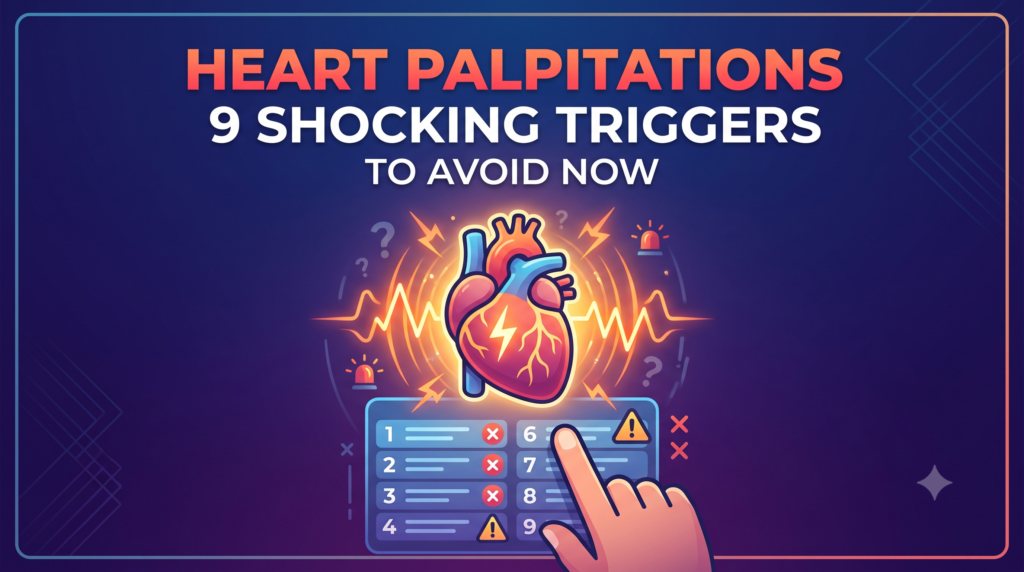
Heart Palpitations: 9 Shocking Triggers To Avoid Now

Heart palpitations can feel incredibly scary for anyone. Suddenly, your chest flutters without any warning. Therefore, you might panic immediately. However, this racing feeling is often completely harmless. In addition, many hidden factors cause these sudden beats. Today, we will explore these hidden causes in simple words. Understanding your body is extremely important for your health. Because of this, you must learn the warning signs. Furthermore, knowledge gives you power over your fears. Consequently, we created this detailed, comprehensive guide for you. Specifically, Dr. Ved Prakash frequently treats these exact symptoms in his clinic. As a result, we compiled this helpful information carefully. Ultimately, our goal is to keep you safe and informed. Therefore, please read every single section below. 1. What Are Heart Palpitations? Basically, Heart Palpitations are simply irregular heartbeats. Specifically, your heart beats too fast or skips a beat. Consequently, you feel a strange fluttering sensation inside. Although it feels dangerous, it is usually safe. Moreover, this sensation can happen at any time. For instance, you might feel it while resting peacefully. Alternatively, it can happen while you are walking. Therefore, it is important to know the exact causes to prevent Heart Palpitations. (Alt Text: Heart Palpitations) Because your heart is a muscle, it reacts to stress. Furthermore, electrical signals control how this muscle pumps. Consequently, any disruption to these signals causes a flutter. In addition, many everyday habits disrupt these delicate signals easily to prevent Heart Palpitations. Therefore, let us dive deeply into the nine shocking triggers. By understanding them, you can protect your heart better. 2. Trigger 1: Severe Dehydration First, not drinking enough water is a major trigger. Because your body needs water, dehydration causes instant problems. Consequently, your blood volume actually drops significantly. As a result, your blood becomes much thicker than normal. Therefore, your heart must work much harder to pump. Furthermore, this extra effort disrupts your normal heart rhythm. Consequently, you will likely experience sudden flutters. In addition, your heart rate increases to compensate for low volume. How to Prevent Dehydration Thankfully, this problem is very easy to fix today. However, you must be completely consistent with your habits. First, drink eight glasses of water every single day to prevent Heart Palpitations. Second, eat fruits that contain high amounts of water. Furthermore, avoid spending too much time in extreme heat to prevent Heart Palpitations. Finally, always carry a reusable water bottle with you. Because water is essential, you should never ignore your thirst. Therefore, start drinking water the moment you wake up to prevent Heart Palpitations. 3. Trigger 2: Stress and Anxiety Furthermore, mental stress takes a massive physical toll. When you panic, your body enters “fight or flight” mode. Consequently, your adrenal glands release powerful stress hormones immediately. Specifically, adrenaline floods directly into your bloodstream. As a result, your heart rate increases very quickly. Because your body prepares for danger, your heart pumps aggressively. Therefore, Heart Palpitations frequently occur during panic attacks. In addition, chronic anxiety keeps your heart rate constantly elevated. Managing Your Daily Stress However, you can manage this stress with simple techniques. Therefore, you must prioritize your mental health every day. First, practice deep breathing exercises every single morning to prevent Heart Palpitations. Secondly, try meditating for ten minutes before bed. Moreover, consider talking to a licensed mental health therapist. Finally, take short breaks during your busy workday to prevent Heart Palpitations. Because stress is unavoidable, management is your best defense. Consequently, your heart will remain much calmer and steadier. For expert guidance, visit Dr. Ved Prakash regularly. 4. Trigger 3: Eating Heavy Meals Interestingly, eating too much food causes surprising cardiovascular issues. Because digestion requires massive energy, your body shifts its focus. Specifically, blood flow redirects heavily toward your stomach area. As a result, your heart must pump blood much faster. Furthermore, eating large meals expands your stomach greatly. Consequently, a full stomach presses against your diaphragm and chest. Therefore, this physical pressure directly irritates your vagus nerve. Because the vagus nerve controls heart rate, flutters often occur. Dietary Choices Matter In addition, the type of food you eat matters deeply. For example, highly processed foods cause rapid blood sugar spikes. Consequently, these sudden spikes stress your cardiovascular system immensely. Moreover, extremely spicy foods can trigger terrible acid reflux. Therefore, try eating smaller, lighter meals throughout the day. Furthermore, chew your food very slowly to aid digestion. As a result, your heart will not have to overwork. Finally, avoid eating massive dinners right before going to bed. 5. Trigger 4: Extreme Lack of Sleep Similarly, sleep deprivation stresses your entire physical body. Without proper rest, your nervous system remains completely hyperactive. Consequently, your body produces extra stress hormones to stay awake. As a result, Heart Palpitations often happen when you are tired. Furthermore, sleep is when your heart actually heals itself. Because your blood pressure drops at night, your heart rests. However, skipping sleep robs your heart of this vital recovery. Therefore, chronic insomnia leads to long-term rhythm disturbances. Building Better Sleep Habits Thankfully, building a solid nighttime routine is highly effective. Therefore, you should adopt these simple habits tonight. First, go to bed at the exact same time. Secondly, turn off all bright screens one hour prior. In addition, keep your bedroom very dark and cool. Finally, avoid drinking liquids right before you fall asleep. Because rest is vital, prioritize your sleep schedule aggressively. Consequently, your heart will beat much more smoothly daily. 6. Trigger 5: Cold and Flu Medicines Surprisingly, some over-the-counter drugs are major hidden culprits. Specifically, common cold decongestants contain very strong chemical stimulants. Pseudoephedrine, for example, is a widely used active ingredient. Because of these ingredients, your resting heartbeat speeds up dramatically. Furthermore, asthma inhalers often contain similar powerful stimulant medications. Consequently, they open your lungs but overstimulate your heart. Therefore, you might feel a sudden, terrifying chest flutter. In addition, mixing different medicines makes this side effect worse. Reading the Warning Labels Because medications affect everyone differently, caution is

Coronary Artery: 5 Proven Steps To Better Health
Uncategorized

Coronary Artery: 5 Proven Steps To Better Health

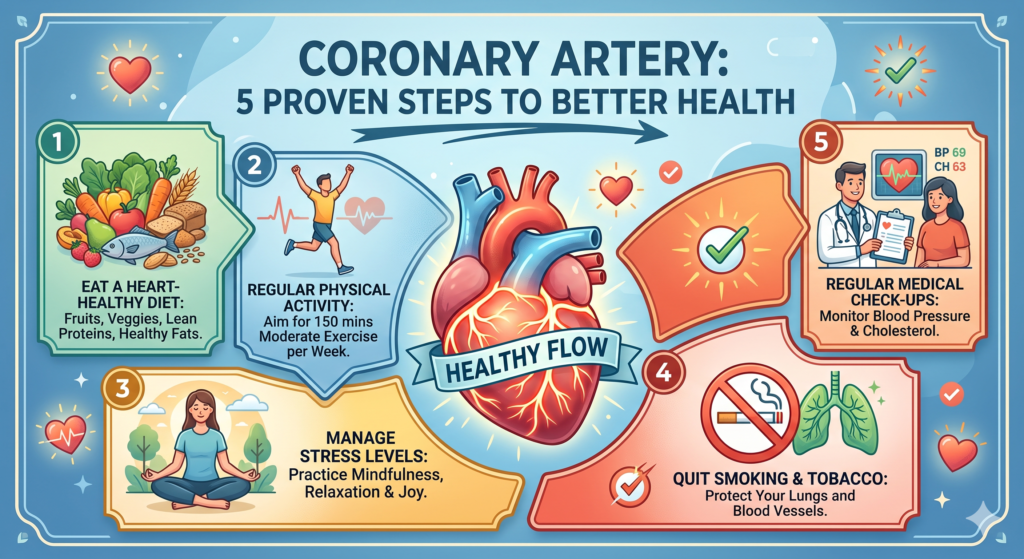
Coronary Artery Disease is a serious and life-altering medical condition. Currently, it affects millions of people across the globe. Therefore, understanding how to manage this disease is incredibly important. Essentially, it happens when your heart’s major blood vessels become damaged. This damage is usually caused by a buildup of plaque. Consequently, your heart receives less oxygen and vital nutrients. However, you are not powerless against this diagnosis. In fact, you can take control of your health today. Dr. Vedprakash strongly believes in the power of lifestyle medicine. Thus, making small changes can yield massive health improvements. In this comprehensive guide, we will explore the best strategies available. Coronary Artery Disease develops slowly over many decades. Often, people do not notice any symptoms until a blockage is severe. Primarily, this condition is driven by atherosclerosis. Atherosclerosis is the scientific term for plaque hardening inside your arteries. Importantly, this plaque is made of cholesterol, fat, and cellular waste. Over time, this mixture creates a thick, hard wall. Consequently, the space for blood to flow becomes very narrow in Coronary Artery. Furthermore, this narrowing forces your heart to pump much harder. Eventually, the heart muscle weakens from this constant, exhausting effort. Sometimes, a piece of this hardened plaque can rupture suddenly. If this happens, a blood clot will form around the rupture. Ultimately, this blood clot can completely block the artery. This sudden blockage is what causes a dangerous heart attack in context of Coronary Artery. Therefore, preventing plaque buildup is your primary goal. According to Dr. Vedprakash, early detection saves countless lives. You must pay attention to subtle warning signs. For example, chest pain or angina is a very common symptom. Additionally, you might experience unexplained shortness of breath. Some people feel unusual fatigue after mild physical exertion. Therefore, you should never ignore these vital warning signals. Indeed, your body is telling you that it needs immediate help in context of Coronary Artery. Alt Text: Heart healthy foods to manage cardiovascular health. Nutrition is your first line of defense against Coronary Artery Disease. Specifically, the food you eat directly impacts your blood vessels. Therefore, you must view your meals as medical treatments. A heart-healthy diet drastically reduces inflammation inside your body. Moreover, it lowers bad cholesterol levels naturally and safely. First, you must focus on consuming whole, unprocessed foods. For instance, fresh vegetables and fruits should fill half your plate. Vegetables are packed with essential vitamins and powerful antioxidants. Consequently, these nutrients protect your artery walls from cellular damage. Dark leafy greens, like spinach and kale, are particularly beneficial. They contain dietary nitrates that help open up your blood vessels. Second, you need to monitor your daily fat intake carefully. However, you should not avoid all fats entirely. Instead, you must avoid artificial trans fats completely. Trans fats are often found in cheap, processed, and fried foods. Furthermore, you should limit saturated fats from red meat and dairy. Conversely, you should increase your intake of healthy, unsaturated fats. Olive oil, avocados, and raw nuts are excellent choices. They actively help to lower your bad LDL cholesterol in context of Coronary Artery. The Power of Omega-3 Fatty Acids Omega-3 fatty acids are incredibly crucial for heart patients. Specifically, they reduce the risk of dangerous irregular heartbeats. In addition, they slow down the growth of arterial plaque. Therefore, you should eat fatty fish twice a week. Salmon, mackerel, and sardines are fantastic sources of Omega-3s. If you do not like fish, consider a high-quality supplement. However, always consult Dr. Vedprakash before starting new supplements. Reducing Sodium for Better Blood Pressure High blood pressure accelerates the progression of Coronary Artery Disease. Unfortunately, excessive dietary sodium is a major cause of high blood pressure. Therefore, you must drastically cut back on table salt. Moreover, hidden salt in restaurant meals is a massive hidden danger. Consequently, cooking your meals at home gives you total control. Instead of salt, use fresh herbs and vibrant spices. Garlic, turmeric, and black pepper add massive flavor without the risks. Ultimately, changing your diet takes time and consistent patience. You will not become perfect overnight, and that is okay. However, making one small change every week yields massive results. Indeed, your heart will thank you for this incredible nutritional effort in context of Coronary Artery. Physical inactivity is a major risk factor for Coronary Artery Disease. Conversely, regular exercise acts like a miracle drug for your heart. When you exercise, your heart muscle becomes much stronger. Furthermore, a strong heart pumps blood more efficiently with less effort. Therefore, your overall resting heart rate will decrease over time. The American Heart Association provides clear, scientific guidelines for exercise. Specifically, they recommend at least 150 minutes of moderate activity weekly. Alternatively, you can do 75 minutes of vigorous activity. However, if you have heart disease, you must start very slowly. Always get medical clearance from Dr. Vedprakash before exercising. Building a Safe Exercise Routine You do not need to run a marathon to be healthy. In fact, brisk walking is one of the best exercises available. Walking is low-impact, highly accessible, and totally free. Therefore, try to walk for thirty minutes, five days a week. If thirty minutes is too much, break it into smaller sessions. For example, walk for ten minutes three times a day. Consequently, you will still receive the exact same cardiovascular benefits in context of Coronary Artery. Additionally, swimming and cycling are excellent, joint-friendly options. These activities keep your heart rate elevated safely. Moreover, they build impressive endurance over a long period. Furthermore, you should include light strength training in your routine. Lifting light weights twice a week builds essential muscle mass. Consequently, having more muscle helps your body burn fat faster. Listening to Your Body During Exercise While exercising, you must always listen to your body closely. It is normal to feel slightly breathless and warm. However, you should never feel sharp pain or severe dizziness. If you experience chest pressure, you must stop immediately. Furthermore, if you

Scroll to Top