
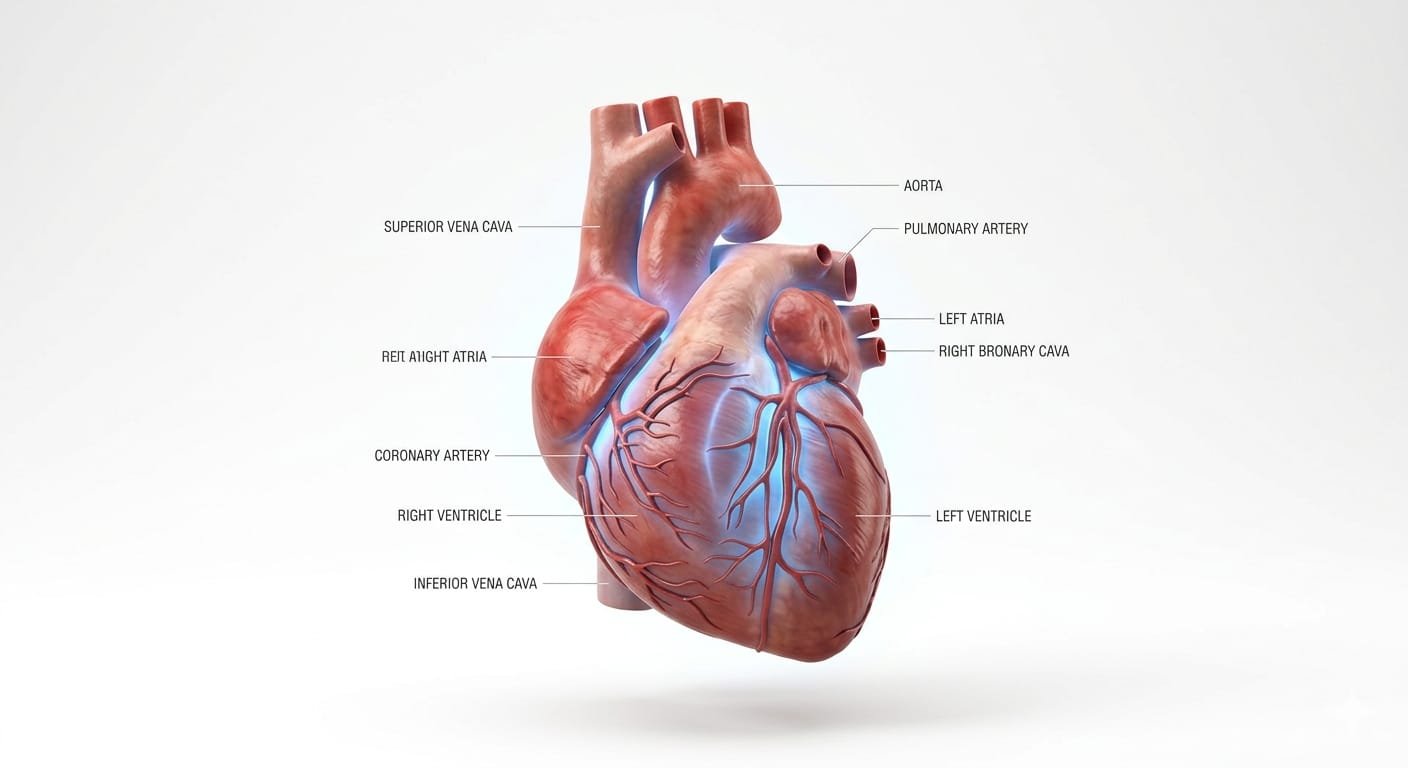
 Understanding your VO2 Max is one of the smartest things you can do for your body today. Simply put, this metric defines your true cardiovascular fitness. Therefore, knowing your number can change your life.
Many people spend hours at the gym without tracking their progress. However, guessing your fitness level rarely works well. Consequently, experts agree that measuring this vital sign is completely essential for everyone.
In this comprehensive guide, we will explore exactly what this metric means. Furthermore, we will reveal how you can improve yours quickly. Let us begin this journey toward better wellness right now.
What is VO2 Max?
First, let us define what this term actually means. Basically, VO2 Max measures the maximum amount of oxygen your body uses during intense exercise. It stands for “volume of oxygen maximum.”
Your muscles need oxygen to create energy efficiently. Therefore, a higher number means your body is excellent at using oxygen. As a result, you can exercise harder and longer without fatigue.
Usually, doctors measure it using a special treadmill test. During this test, you wear a mask that tracks your breathing.
However, many modern smartwatches also provide an estimated score. While these watches are not perfect, they offer a great starting point.
When you breathe in, your lungs fill with air. Then, oxygen travels into your bloodstream quickly. Next, your heart pumps this oxygen-rich blood to your working muscles.
Inside your muscles, tiny powerhouses called mitochondria use this oxygen. They create the energy needed for movement. Therefore, your VO2 Max reflects how well this entire system operates.
If any part of this system is weak, your score will be lower. For instance, if your heart cannot pump enough blood, you will struggle. Similarly, if your muscles lack mitochondria, you will tire out quickly.
Therefore, improving this metric requires training your whole body. You must strengthen your heart, lungs, and muscles simultaneously. Fortunately, targeted exercise does exactly this.
The Science Behind Your Breathing
To truly grasp this concept, we must look deeper into human biology. Your respiratory system plays a massive role in your fitness. Every single breath you take matters during exercise.
When you start running, your breathing rate increases instantly. Your body demands more oxygen to keep moving. Consequently, your lungs work harder to pull in fresh air.
At the same time, your heart beats much faster. It needs to deliver that oxygen to your legs and arms. This continuous cycle is the core of cardiovascular endurance.
Your VO2 Max represents the absolute ceiling of this process. It is the exact moment your body cannot utilize any more oxygen. Even if you breathe faster, your muscles cannot process it.
At this point, your body switches to anaerobic energy production. This means it creates energy without using oxygen. However, this process creates lactic acid as a byproduct.
Lactic acid causes that familiar burning sensation in your muscles. Eventually, this buildup forces you to slow down or stop completely. Therefore, a higher VO2 Max delays this painful burning sensation.
By training effectively, you build more tiny blood vessels. These vessels, called capillaries, deliver blood to your muscles. More capillaries mean better oxygen delivery.
Additionally, training increases the size and number of your mitochondria. These cellular powerhouses become much more efficient. Consequently, your overall VO2 Max rises significantly over time.
Why Does VO2 Max Matter for Longevity?
Why should you care about this specific fitness number? Primarily, it is the ultimate predictor of your long-term health. In fact, research links a high score to a longer, healthier lifespan.
Moreover, a strong cardiovascular system protects your heart completely. When your body uses oxygen well, your heart works less hard. Consequently, this reduces your overall risk of chronic heart diseases.
According to the American Heart Association, improving your cardiovascular fitness is crucial. Regular exercise directly lowers your blood pressure over time. In addition, it keeps your arteries flexible and healthy.
Furthermore, having a high VO2 Max improves your daily energy. You will feel less tired when climbing stairs or playing with kids. Ultimately, it gives you a much higher quality of life.
It also protects your brain as you age. Strong blood flow delivers essential nutrients to your brain cells. Therefore, staying fit can delay cognitive decline significantly.
People with a high VO2 Max recover from illnesses much faster. Their immune systems are generally stronger and more resilient. Consequently, they spend fewer days feeling sick each year.
Furthermore, a good score indicates excellent metabolic health. It means your body processes sugars and fats efficiently. As a result, you face a lower risk of developing type 2 diabetes.
In summary, this metric is not just for athletes. It is a vital sign for every single person. Improving your VO2 Max is basically like buying health insurance for your future.
Good vs. Bad Scores Explained
Now, you might wonder what a good score actually looks like. The answer depends heavily on your age and gender. Generally, men have slightly higher scores than women naturally.
This difference exists because men usually have larger hearts. They also typically have more muscle mass and hemoglobin. Hemoglobin is the protein that carries oxygen in your blood.
For a man in his 30s, a score of 40 to 45 is considered average. However, elite male athletes often score above 70. Some professional cyclists even reach scores in the high 80s.
For a woman in her 30s, a score of 30 to 35 is average. Meanwhile, elite female athletes frequently score above 60. Therefore, the scale varies greatly based on your background.
As we age, our VO2 Max naturally declines. On average, it drops by about 10% every single decade after age 30. This decline happens because our maximum heart rate decreases over time.
However, you can slow down this natural decline significantly. Regular, intense exercise keeps your heart youthful and strong. Many active 60-year-olds have better scores than sedentary 30-year-olds.
Therefore, you should only compare yourself to your own past scores. Do not worry about matching professional runners. Instead, focus entirely on improving your personal VO2 Max steadily.
To find out where you stand, consider visiting a sports clinic. They can perform a highly accurate treadmill test for you. Alternatively, use a high-quality fitness tracker for a decent estimate.
7 Proven Secrets to Improve Your Heart Health
Fortunately, you can absolutely improve your number at any age. You do not need to be a professional athlete at all. Instead, you just need a smart and consistent plan.
Many beginners make the mistake of running at the exact same pace every day. However, the body adapts to this routine quickly. To see real changes, you must challenge your heart in new ways.
Here are seven proven secrets to boost your cardiovascular fitness. Implementing these strategies will elevate your VO2 Max dramatically.
1. Try High-Intensity Interval Training (HIIT)
Firstly, HIIT is the absolute best way to see rapid improvements. This method involves short bursts of very hard work. Afterward, you follow it with brief periods of rest.
For example, try sprinting as fast as you can for 30 seconds. Then, walk slowly for 90 seconds to recover. Repeat this cycle six to eight times.
This intense effort pushes your heart to its absolute limit. Therefore, your body learns to adapt and recover much faster. Consequently, your VO2 Max will increase noticeably within just a few weeks.
However, you should only do HIIT workouts one or two times per week. Doing them too often leads to severe overtraining and exhaustion. Always prioritize proper recovery after these intense sessions.
2. Embrace the 80/20 Rule
Secondly, do not train intensely every single day. Instead, do 80% of your workouts at a very easy, conversational pace. Then, push yourself hard for the remaining 20% of your training volume.
This polarized training method is incredibly effective. The easy days build a massive aerobic base safely. They increase the number of capillaries and mitochondria in your muscles.
Meanwhile, the hard days push your absolute ceiling higher. Consequently, you build massive endurance without burning out completely. This balance is crucial for long-term progress.
Many people run too fast on their easy days and too slow on hard days. Therefore, they remain stuck in a mediocre middle ground. Embrace the extremes to see your VO2 Max truly soar.
3. Add Hill Sprints to Your Routine
Thirdly, running up steep hills forces your heart to pump much harder. It requires massive amounts of oxygen almost instantly. As a result, your VO2 Max will naturally increase over time.
Hill sprints also build incredible leg strength. They are safer than flat sprints because the impact forces are lower. Start with short, 15-second hill sprints and walk down slowly to recover.
You can also use a treadmill set to a high incline. Set the grade to 10% or higher for a massive challenge. Your lungs will burn, but the results are absolutely worth the effort.
Try adding a dedicated hill workout to your routine once every two weeks. Over time, you will notice everyday tasks feel much easier.
4. Lose Excess Body Fat
Interestingly, your score is calculated based on your total body weight. It is measured in milliliters of oxygen per kilogram of body weight per minute. Therefore, losing excess fat automatically improves your relative score.
Even a small weight loss makes a very noticeable difference. If you maintain the exact same fitness level but drop five pounds, your number rises. This mathematical reality provides great motivation for weight loss.
However, do not focus on extreme, unhealthy diets. Instead, aim for a slow, sustainable reduction in body fat. Combine regular exercise with a balanced, whole-food diet for the best results.
As you become leaner, your heart does not have to work as hard to move your body. Consequently, your VO2 Max improves alongside your body composition.
5. Increase Your Workout Volume Slowly
Additionally, you must progressively increase your weekly exercise time. Try adding just ten extra minutes to your routine each week. However, never increase your volume too quickly to avoid overuse injuries.
Building a high VO2 Max requires patience and time. You cannot rush the biological adaptations happening inside your body. A larger aerobic base supports higher intensity work later on.
If you currently run 20 miles a week, aim for 22 miles next week. Small, incremental changes add up to massive gains over several months.
Remember, consistency beats massive, sporadic efforts every single time. A slow, steady build-up is the safest path to cardiovascular excellence.
6. Do Not Forget Strength Training
Moreover, lifting heavy weights helps your body become highly efficient. Stronger leg muscles use oxygen much better than weak ones. Therefore, aim for two days of strength training every week.
Focus on compound movements like squats, deadlifts, and lunges. These exercises engage multiple large muscle groups simultaneously. Consequently, they demand a strong cardiovascular response as well.
Furthermore, strength training prevents common running and cycling injuries. Strong joints and tendons can handle higher training volumes safely. Therefore, you can train your VO2 Max more frequently without getting hurt.
Do not worry about getting too bulky from lifting weights. Endurance athletes rarely gain massive amounts of muscle mass anyway.
7. Stay Consistent Above All Else
Finally, consistency is the ultimate key to success. You cannot improve your VO2 Max in just one weekend. Therefore, find physical activities you genuinely enjoy doing regularly.
Whether it is cycling, swimming, rowing, or running, stick with it. It takes about four to six weeks of consistent training to see measurable changes. Never give up during this initial, challenging adaptation phase.
If you miss a workout, do not panic or punish yourself. Simply get back on track the very next day. Long-term cardiovascular health is a lifelong journey, not a quick sprint.
If you need personalized guidance, reach out to Dr. Ved Prakash’s team today. Expert advice can help you optimize your training effectively.
Nutrition and Hydration Strategies
Exercise alone is not enough to maximize your true potential. Your diet plays a massive role in your overall performance. Without proper fuel, your workouts will suffer greatly.
To improve your VO2 Max, you must consume enough high-quality carbohydrates. Carbs are your body’s preferred energy source during intense exercise. Therefore, eat plenty of oats, rice, potatoes, and fresh fruits.
Additionally, ensure you eat enough lean protein every day. Protein repairs the muscle damage caused by intense interval training. Chicken, fish, beans, and Greek yogurt are all excellent choices.
Healthy fats are also crucial for overall health and hormone production. Include avocados, nuts, seeds, and olive oil in your daily meals. However, avoid eating heavy, fatty meals right before a hard workout.
Furthermore, hydration is absolutely critical for cardiovascular efficiency. When you are dehydrated, your blood volume actually decreases significantly. Consequently, your heart has to beat faster to pump the same amount of blood.
This extra strain lowers your VO2 Max during that specific workout. Therefore, drink plenty of water throughout the entire day. During long workouts, consider using a sports drink with essential electrolytes.
Iron is another vital nutrient for endurance athletes. Iron is a key component of hemoglobin, which carries oxygen. If your iron levels are low, your VO2 Max will drop noticeably.
If you feel constantly fatigued, ask your doctor for a blood test. They can check your iron levels and recommend supplements if necessary.
How to Track Your Progress Accurately
Knowing your starting point is essential for any fitness journey. You cannot manage what you do not measure accurately. Therefore, you need a reliable way to track your VO2 Max over time.
The most accurate method is a laboratory test on a treadmill or bike. You wear a mask that analyzes every breath you take. However, these tests can be expensive and somewhat uncomfortable.
Fortunately, most premium smartwatches now offer very good estimates. Brands like Garmin, Apple, and Coros use advanced algorithms. They calculate your score based on your heart rate and running speed.
While not perfect, these watches are excellent for tracking trends. If your watch says your VO2 Max is going up, you are definitely improving. Just ensure you wear the watch tightly for accurate heart rate readings.
Another simple way to test yourself is the famous Cooper Test. Simply run as far as you possibly can in exactly 12 minutes. There are many free online calculators that convert your distance into a score.
You can perform the Cooper Test every two months to check your progress. It is completely free and only requires a local running track.
Whichever method you choose, be consistent with it. Always test yourself under similar conditions for the most accurate comparisons. Track your data in a journal or an app to stay motivated.
Common Myths and Misconceptions
There are many myths surrounding cardiovascular fitness. One common myth is that only young people can improve their scores. However, science proves this is completely false.
People in their 60s and 70s can see massive improvements with proper training. While their absolute peak might be lower, their relative progress is still incredible. Therefore, age is never an excuse to avoid cardio.
Another myth is that you must run to have a high VO2 Max. In reality, any exercise that challenges your heart works perfectly well. Swimming, rowing, cycling, and cross-country skiing are all fantastic options.
Many people also believe that more pain equals better results. However, constantly pushing yourself to exhaustion leads to overtraining. As discussed earlier, the 80/20 rule is much more effective and sustainable.
Some individuals think that genetics completely determine your fitness level. While genetics play a role, training is far more important. A well-trained person with average genetics will easily beat an untrained genetic freak.
Finally, do not believe that improving your VO2 Max happens overnight. It requires massive patience and serious dedication. Your body needs time to build new capillaries and mitochondria safely.
Ignore the quick-fix fitness trends and stick to proven scientific methods. Hard work and consistency are the only real secrets to success here.
Conclusion
In conclusion, understanding and tracking your VO2 Max is incredibly empowering. It is much more than just a random number for elite runners. Rather, it is a vital sign for your long-term health and longevity.
By applying these seven proven secrets, you will strengthen your heart immensely. You will build a more efficient, resilient body that defies aging. Start slowly, stay consistent, and monitor your progress over time.
Remember to balance intense interval sessions with plenty of easy, relaxed recovery days. Fuel your body with nutritious foods and stay perfectly hydrated. Do not forget to incorporate regular strength training to protect your joints completely.
If you commit to this process, your VO2 Max will absolutely rise. Therefore, you will enjoy a vibrant, energetic, and highly active life. Start your journey today and reap the incredible cardiovascular rewards tomorrow.