
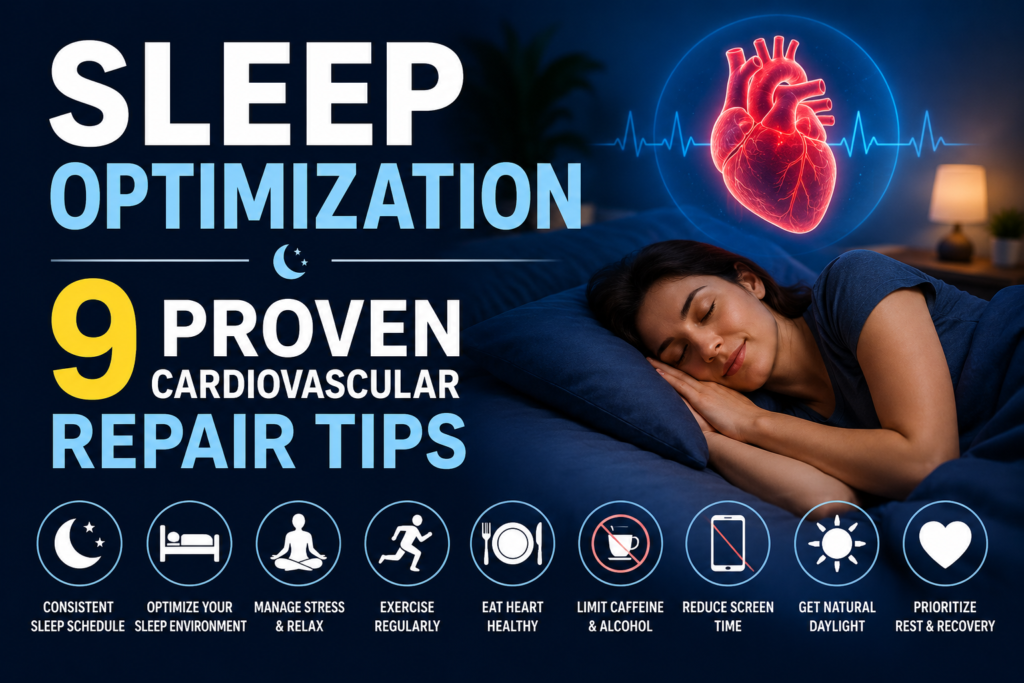
Daily Habits for a Healthy Heart play a vital role in protecting your cardiovascular system and improving your overall well-being. While genetics can influence your risk of heart disease, your everyday choices have an even greater impact on maintaining a strong and healthy heart. Simple actions, such as eating nutritious foods, staying physically active, sleeping well, and managing stress, can significantly reduce the risk of heart attacks, strokes, high blood pressure, and other cardiovascular conditions.
Heart disease remains one of the leading causes of death worldwide. However, research consistently shows that adopting healthy lifestyle habits can prevent many heart-related problems before they begin. The good news is that you don’t need drastic changes to make a difference. Small, consistent improvements in your daily routine often lead to lasting benefits for your heart and overall health.
In this comprehensive guide, you’ll discover 15 science-backed daily habits for a healthy heart that are practical, easy to follow, and suitable for people of all ages. Each recommendation is supported by medical research and focuses on sustainable lifestyle changes rather than quick fixes. Whether your goal is to prevent heart disease, lower blood pressure, improve cholesterol levels, or simply enhance your long-term cardiovascular health, these habits can help you build a stronger foundation for a healthier future.
At Dr. Ved Prakash, we believe that prevention is the first step toward lifelong wellness. By making informed choices every day, you can protect your heart, improve your quality of life, and enjoy better health for years to come.
Why Daily Habits Matter for Heart Health
Your heart works every second of every day. It pumps oxygen-rich blood throughout your body, supplying every organ with the nutrients it needs to function properly. Because the heart never takes a break, it deserves consistent care. Daily Habits for a Healthy Heart are not about making one big change overnight. Instead, they involve small, positive actions that gradually improve cardiovascular health over time.
Modern lifestyles often include long hours of sitting, unhealthy eating, chronic stress, and poor sleep. Together, these factors increase the risk of high blood pressure, high cholesterol, obesity, diabetes, and heart disease. Fortunately, the opposite is also true. Healthy daily habits can strengthen the heart, improve blood circulation, reduce inflammation, and lower the risk of serious cardiovascular conditions.
Research shows that people who follow a healthy lifestyle have a significantly lower chance of developing heart disease. Eating nutritious meals, exercising regularly, getting enough sleep, avoiding tobacco, and managing stress all contribute to better heart function. Moreover, these habits work together. For example, regular exercise helps control weight, lowers blood pressure, improves sleep quality, and reduces stress. As a result, the overall benefit is greater than focusing on just one habit.
Another important reason to build healthy habits is consistency. Many people try strict diets or intense workout routines for a few weeks. However, they often stop because the changes are difficult to maintain. Sustainable daily habits are much easier to follow. Walking for 30 minutes, drinking enough water, choosing whole foods, and practicing relaxation techniques every day can produce long-term improvements.
Age is another factor to consider. While heart disease becomes more common as people grow older, prevention should begin early. Healthy habits established in your twenties and thirties often continue into later life. Even if you already have high blood pressure or diabetes, adopting better habits today can still improve your heart health and reduce future complications.
Therefore, the goal is not perfection. Instead, focus on making better choices more often than not. Every healthy meal, every walk, and every good night’s sleep is an investment in your heart. Over months and years, these small decisions create a powerful foundation for lifelong cardiovascular wellness.
Daily Habits for a Healthy Heart: Eat a Heart-Healthy Diet Every Day
A balanced diet is one of the most effective ways to protect your heart. The food you eat directly affects your blood pressure, cholesterol levels, blood sugar, body weight, and overall cardiovascular health. Therefore, making smart food choices should be one of your top priorities.
Start by filling your plate with colorful vegetables and fresh fruits. These foods are naturally rich in vitamins, minerals, antioxidants, and dietary fiber. They help reduce inflammation and protect blood vessels from damage. Aim to include a variety of colors every day because different fruits and vegetables provide different nutrients.
Whole grains are another essential part of a heart-healthy diet. Foods such as oats, brown rice, whole wheat bread, quinoa, and millet provide fiber that helps lower LDL, often called “bad” cholesterol. Additionally, whole grains help maintain stable blood sugar levels and keep you feeling full for longer.
Choose lean sources of protein whenever possible. Skinless chicken, fish, beans, lentils, tofu, and low-fat dairy products are excellent options. Fatty fish like salmon, sardines, and mackerel contain omega-3 fatty acids that support heart function and reduce inflammation. Including fish in your meals at least twice a week is a simple way to improve cardiovascular health.
Healthy fats are equally important. Replace butter, ghee in excess, and processed vegetable shortening with healthier alternatives like olive oil, nuts, seeds, and avocados. These foods contain unsaturated fats that help improve cholesterol levels when consumed in moderation.
At the same time, limit foods that contain excessive saturated fat, trans fat, refined sugar, and sodium. Processed snacks, sugary drinks, packaged desserts, fried foods, and fast food can increase the risk of obesity, hypertension, and heart disease. Reading food labels before purchasing packaged products can help you make healthier decisions.
Portion control also plays a major role. Even healthy foods can contribute to weight gain if eaten in very large quantities. Therefore, use smaller plates, avoid overeating, and eat slowly so your body has time to recognize when you are full.
Hydration is another often-overlooked aspect of nutrition. Drinking enough water helps your heart pump blood more efficiently and supports overall body function. While individual needs vary, most adults benefit from drinking water regularly throughout the day rather than waiting until they feel thirsty.
Planning meals in advance can make healthy eating much easier. Preparing home-cooked meals allows you to control ingredients, reduce salt, and avoid unhealthy additives. Furthermore, meal planning helps reduce dependence on processed convenience foods.
Finally, remember that no single meal determines your heart health. Instead, your overall eating pattern matters most. Making nutritious choices consistently is far more beneficial than following short-term restrictive diets. By building balanced eating habits today, you are taking one of the most powerful steps toward protecting your heart for years to come. Dr. vedprakash.com