Introduction
Stress Management is one of the most important skills you can develop for better physical and mental health. While stress is a natural response to life’s challenges, ongoing or unmanaged stress can negatively affect your body and mind. It may contribute to high blood pressure, poor sleep, anxiety, digestive issues, weakened immunity, and an increased risk of heart disease.
The good news is that effective stress management does not require complicated techniques or expensive treatments. Instead, small, consistent daily habits can help your body recover from stress and improve your overall quality of life. Scientific research has shown that regular exercise, healthy eating, quality sleep, mindfulness, and relaxation techniques all play a major role in reducing stress levels.
Modern lifestyles often leave little time for self-care. Busy work schedules, financial responsibilities, family commitments, and constant digital distractions can make it difficult to relax. As a result, many people experience chronic stress without realizing its long-term impact. Therefore, learning healthy coping strategies is essential for maintaining both mental and physical well-being.
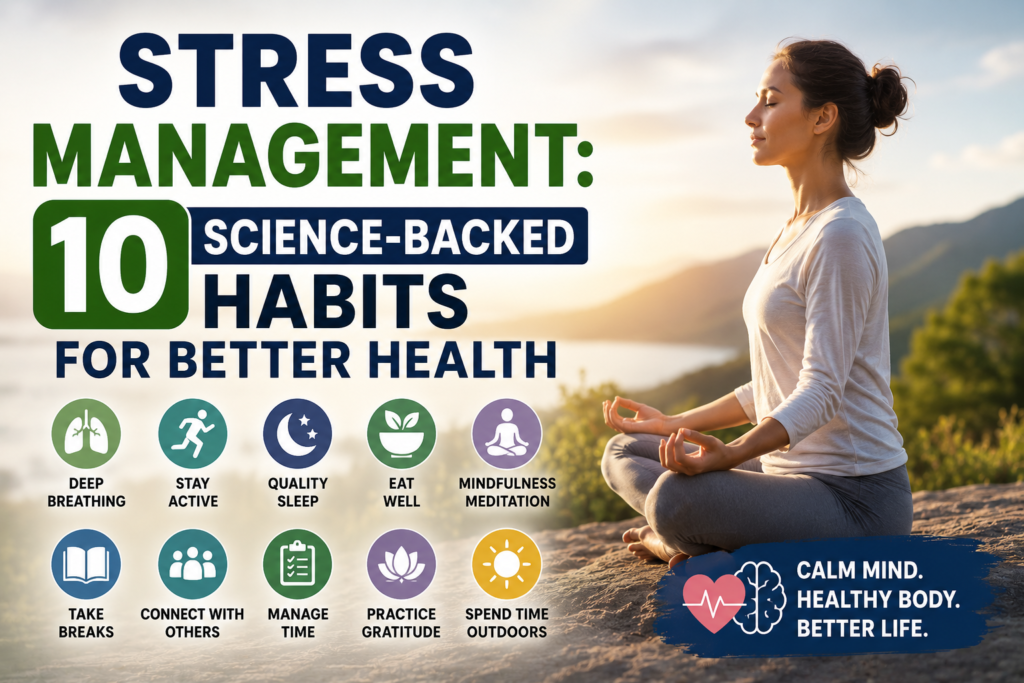
This guide explores 10 science-backed habits that can help you manage stress naturally. These practical strategies are easy to follow and suitable for people of all ages. By incorporating these habits into your daily routine, you can improve your resilience, increase your energy levels, and enjoy a healthier, happier life.
Why Stress Management Matters
Stress affects nearly every system in the body. During stressful situations, your brain releases hormones such as cortisol and adrenaline. These hormones prepare your body for immediate action by increasing your heart rate, blood pressure, and energy levels.
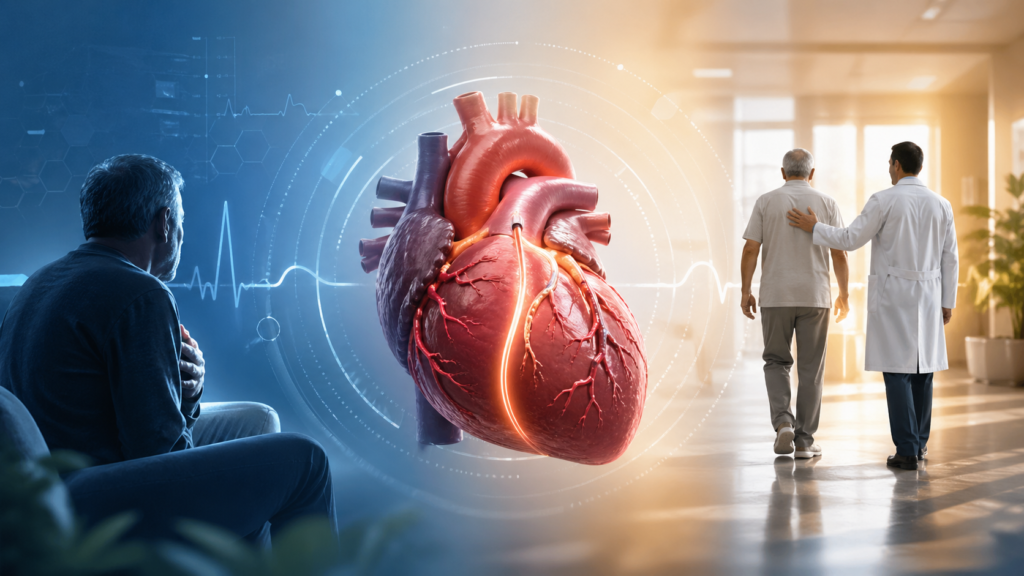
While this response is helpful during short-term challenges, constant stress keeps these hormones elevated. Consequently, the body has less time to recover. Over time, chronic stress may contribute to fatigue, poor concentration, digestive problems, headaches, weakened immunity, and cardiovascular disease.
Effective stress management helps reduce these harmful effects. It improves emotional balance, supports better sleep, strengthens the immune system, and promotes healthier relationships. In addition, people who manage stress well are often more productive, make better decisions, and enjoy greater overall life satisfaction.
Rather than trying to eliminate stress completely, the goal is to build healthy habits that allow your mind and body to recover quickly after stressful events.
1. Practice Deep Breathing Every Day
Deep breathing is one of the simplest and most effective stress management techniques. Slow, controlled breathing activates the body’s relaxation response and helps reduce the production of stress hormones.
Spend five to ten minutes each day taking slow breaths. Inhale through your nose for four seconds, hold briefly, and exhale slowly through your mouth. Repeat this pattern several times.
Over time, regular breathing exercises can lower blood pressure, reduce anxiety, improve concentration, and promote a greater sense of calm. Furthermore, deep breathing can be practiced almost anywhere, making it an excellent daily habit.
2. Stay Physically Active
Exercise is a natural stress reliever. Physical activity stimulates the release of endorphins, which are chemicals that improve mood and reduce feelings of stress.
Aim for at least 30 minutes of moderate exercise on most days of the week. Walking, cycling, swimming, yoga, and dancing are all excellent choices.
Regular exercise also improves sleep quality, supports heart health, and boosts self-confidence. Moreover, spending time outdoors while exercising provides additional mental health benefits through exposure to fresh air and sunlight.
The key is consistency rather than intensity. Even a short daily walk can make a meaningful difference.
3. Prioritize Quality Sleep
Sleep and stress have a close relationship. High stress often causes poor sleep, while inadequate sleep increases stress levels the following day.
Most adults should aim for seven to nine hours of quality sleep each night. Establish a regular bedtime, reduce screen time before bed, and keep your bedroom cool, quiet, and comfortable.
Avoid caffeine late in the day and consider relaxing activities such as reading or meditation before bedtime. Good sleep improves emotional regulation, memory, focus, and overall resilience against stress.
4. Eat a Balanced Diet
Nutrition plays an important role in stress management. A balanced diet provides the vitamins, minerals, and nutrients your body needs to function properly during stressful situations.
Include plenty of vegetables, fruits, whole grains, lean proteins, legumes, nuts, and healthy fats in your meals. These foods support stable energy levels and help reduce inflammation.
Limit processed foods, sugary drinks, and excessive caffeine because they may worsen anxiety and contribute to energy crashes.
Staying hydrated is equally important. Drinking enough water throughout the day supports brain function and helps your body respond more effectively to stress.
5. Practice Mindfulness and Meditation
Mindfulness encourages you to focus on the present moment instead of worrying about the past or future. Research shows that regular mindfulness practice can significantly reduce stress and improve emotional well-being.
Begin with just five to ten minutes each day. Sit comfortably, focus on your breathing, and gently return your attention whenever your mind wanders.
Meditation does not require perfection. Instead, consistent practice gradually improves emotional awareness and resilience. Over time, many people notice better concentration, lower anxiety levels, and greater inner calm.
Conclusion
Stress is a normal part of life, but it does not have to control your health or happiness. By adopting simple, evidence-based habits such as deep breathing, regular exercise, quality sleep, balanced nutrition, and mindfulness, you can build resilience and improve your overall well-being.
Remember that lasting results come from consistency rather than perfection. Start with one habit today, practice it regularly, and gradually add more positive changes to your routine. Small daily improvements can lead to significant long-term benefits for both your mental and physical health.
For more evidence-based health guidance, consult qualified healthcare professionals and explore additional wellness resources from Dr. Ved Prakash.