Heart palpitations can feel incredibly scary for anyone. Suddenly, your chest flutters without any warning. Therefore, you might panic immediately. However, this racing feeling is often completely harmless. In addition, many hidden factors cause these sudden beats. Today, we will explore these hidden causes in simple words.
Understanding your body is extremely important for your health. Because of this, you must learn the warning signs. Furthermore, knowledge gives you power over your fears. Consequently, we created this detailed, comprehensive guide for you. Specifically, Dr. Ved Prakash frequently treats these exact symptoms in his clinic. As a result, we compiled this helpful information carefully.
Ultimately, our goal is to keep you safe and informed. Therefore, please read every single section below.
1. What Are Heart Palpitations?
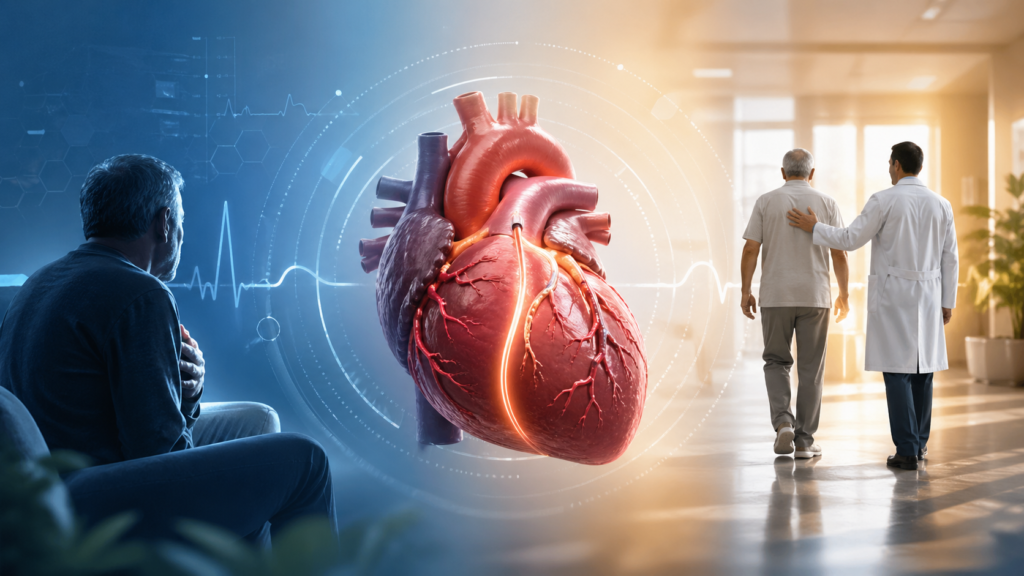
Basically, Heart Palpitations are simply irregular heartbeats. Specifically, your heart beats too fast or skips a beat. Consequently, you feel a strange fluttering sensation inside. Although it feels dangerous, it is usually safe.
Moreover, this sensation can happen at any time. For instance, you might feel it while resting peacefully. Alternatively, it can happen while you are walking. Therefore, it is important to know the exact causes to prevent Heart Palpitations.
(Alt Text: Heart Palpitations)
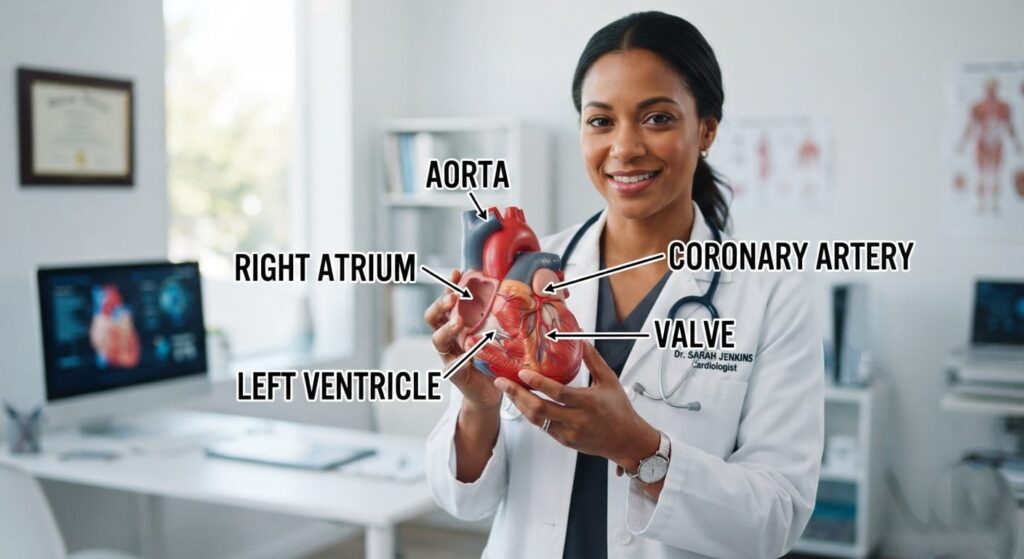
Because your heart is a muscle, it reacts to stress. Furthermore, electrical signals control how this muscle pumps. Consequently, any disruption to these signals causes a flutter. In addition, many everyday habits disrupt these delicate signals easily to prevent Heart Palpitations.
Therefore, let us dive deeply into the nine shocking triggers. By understanding them, you can protect your heart better.
2. Trigger 1: Severe Dehydration
First, not drinking enough water is a major trigger. Because your body needs water, dehydration causes instant problems. Consequently, your blood volume actually drops significantly. As a result, your blood becomes much thicker than normal.
Therefore, your heart must work much harder to pump. Furthermore, this extra effort disrupts your normal heart rhythm. Consequently, you will likely experience sudden flutters. In addition, your heart rate increases to compensate for low volume.
How to Prevent Dehydration
Thankfully, this problem is very easy to fix today. However, you must be completely consistent with your habits.
-
First, drink eight glasses of water every single day to prevent Heart Palpitations.
-
Second, eat fruits that contain high amounts of water.
-
Furthermore, avoid spending too much time in extreme heat to prevent Heart Palpitations.
-
Finally, always carry a reusable water bottle with you.
Because water is essential, you should never ignore your thirst. Therefore, start drinking water the moment you wake up to prevent Heart Palpitations.
3. Trigger 2: Stress and Anxiety
Furthermore, mental stress takes a massive physical toll. When you panic, your body enters “fight or flight” mode. Consequently, your adrenal glands release powerful stress hormones immediately. Specifically, adrenaline floods directly into your bloodstream.
As a result, your heart rate increases very quickly. Because your body prepares for danger, your heart pumps aggressively. Therefore, Heart Palpitations frequently occur during panic attacks. In addition, chronic anxiety keeps your heart rate constantly elevated.
Managing Your Daily Stress
However, you can manage this stress with simple techniques. Therefore, you must prioritize your mental health every day.
-
First, practice deep breathing exercises every single morning to prevent Heart Palpitations.
-
Secondly, try meditating for ten minutes before bed.
-
Moreover, consider talking to a licensed mental health therapist.
-
Finally, take short breaks during your busy workday to prevent Heart Palpitations.
Because stress is unavoidable, management is your best defense. Consequently, your heart will remain much calmer and steadier. For expert guidance, visit Dr. Ved Prakash regularly.
4. Trigger 3: Eating Heavy Meals
Interestingly, eating too much food causes surprising cardiovascular issues. Because digestion requires massive energy, your body shifts its focus. Specifically, blood flow redirects heavily toward your stomach area. As a result, your heart must pump blood much faster.
Furthermore, eating large meals expands your stomach greatly. Consequently, a full stomach presses against your diaphragm and chest. Therefore, this physical pressure directly irritates your vagus nerve. Because the vagus nerve controls heart rate, flutters often occur.
Dietary Choices Matter
In addition, the type of food you eat matters deeply. For example, highly processed foods cause rapid blood sugar spikes. Consequently, these sudden spikes stress your cardiovascular system immensely. Moreover, extremely spicy foods can trigger terrible acid reflux.
Therefore, try eating smaller, lighter meals throughout the day. Furthermore, chew your food very slowly to aid digestion. As a result, your heart will not have to overwork. Finally, avoid eating massive dinners right before going to bed.
5. Trigger 4: Extreme Lack of Sleep
Similarly, sleep deprivation stresses your entire physical body. Without proper rest, your nervous system remains completely hyperactive. Consequently, your body produces extra stress hormones to stay awake. As a result, Heart Palpitations often happen when you are tired.
Furthermore, sleep is when your heart actually heals itself. Because your blood pressure drops at night, your heart rests. However, skipping sleep robs your heart of this vital recovery. Therefore, chronic insomnia leads to long-term rhythm disturbances.
Building Better Sleep Habits
Thankfully, building a solid nighttime routine is highly effective. Therefore, you should adopt these simple habits tonight.
-
First, go to bed at the exact same time.
-
Secondly, turn off all bright screens one hour prior.
-
In addition, keep your bedroom very dark and cool.
-
Finally, avoid drinking liquids right before you fall asleep.
Because rest is vital, prioritize your sleep schedule aggressively. Consequently, your heart will beat much more smoothly daily.
6. Trigger 5: Cold and Flu Medicines
Surprisingly, some over-the-counter drugs are major hidden culprits. Specifically, common cold decongestants contain very strong chemical stimulants. Pseudoephedrine, for example, is a widely used active ingredient. Because of these ingredients, your resting heartbeat speeds up dramatically.
Furthermore, asthma inhalers often contain similar powerful stimulant medications. Consequently, they open your lungs but overstimulate your heart. Therefore, you might feel a sudden, terrifying chest flutter. In addition, mixing different medicines makes this side effect worse.
Reading the Warning Labels
Because medications affect everyone differently, caution is absolutely necessary. Therefore, you must always read the warning labels very carefully.
-
First, ask your pharmacist about potential cardiovascular side effects.
-
Secondly, avoid mixing cold medicines with high caffeine drinks.
-
Moreover, tell your doctor about every pill you take.
-
Finally, stop taking the medication if flutters become severe.
Ultimately, you must protect your heart from dangerous chemical interactions. Therefore, always consult a professional before taking new pills.
7. Trigger 6: Dangerously Low Blood Sugar
Additionally, skipping meals rapidly drops your blood sugar levels. When this happens, your body enters a minor crisis mode. Consequently, your brain signals the release of emergency adrenaline. As a result, your heart races to protect your organs.
Furthermore, low blood sugar makes you feel incredibly dizzy. Because your brain lacks glucose, you might feel confused. Therefore, you will likely start sweating and trembling violently. In addition, your heart rhythm will feel completely chaotic.
Keeping Sugar Levels Stable
However, you can prevent this by eating highly nutritious foods. Therefore, you must fuel your body consistently and properly.
-
First, never skip your healthy morning breakfast meal.
-
Secondly, keep healthy snacks inside your work bag always.
-
Moreover, eat complex carbohydrates instead of pure processed sugar.
-
Finally, pair your sweet fruits with healthy protein sources.
Because stable energy prevents adrenaline spikes, your heart benefits. Consequently, you will easily avoid these terrifying sudden flutters.
8. Trigger 7: Excessive Alcohol Consumption
Moreover, drinking alcohol severely affects your normal heart rhythm. Even entirely healthy people experience a racing heart after drinking. Because alcohol is highly toxic, it irritates the heart muscle. Consequently, it interferes with your heart’s natural electrical signals.
Furthermore, binge drinking causes a condition called “Holiday Heart Syndrome.” Specifically, this happens when people drink heavily during weekend parties. As a result, they experience terrifying episodes of rapid heartbeats. In fact, the World Health Organization warns against excessive drinking for health.
Drinking Responsibly
Therefore, you must control your alcohol intake very strictly. Because alcohol dehydrates you, the negative effects easily multiply.
-
First, limit yourself to one single drink per day.
-
Secondly, drink a full glass of water between drinks.
-
In addition, never mix heavy alcohol with energy drinks.
-
Finally, stop drinking entirely if you experience chest flutters.
Ultimately, protecting your heart means making very smart choices. Therefore, reducing alcohol is one of the best preventative steps.
9. Trigger 8: Overly Intense Exercise
Usually, regular exercise is incredibly great for your health. However, pushing your body too hard triggers sudden flutters. Because your muscles need more oxygen, your heart pumps aggressively. Consequently, extreme workouts can easily disrupt your normal rhythm briefly.
Furthermore, exercising in extreme heat makes this problem much worse. Specifically, heavy sweating leads to rapid loss of electrolytes. Because electrolytes control heartbeats, losing them causes immediate chaos. Therefore, your heart might skip several beats during tough workouts.
Exercising Safely
Thankfully, you can still exercise safely with proper precautions. Therefore, you must listen to your body’s clear warning signals.
-
First, always warm up for ten minutes before starting.
-
Secondly, drink plenty of electrolyte water during your session.
-
Moreover, never push through severe chest pain while lifting.
-
Finally, always cool down slowly after working out completely.
Because fitness should heal you, avoid destroying your body. Consequently, your heart will grow stronger without skipping beats.
10. Trigger 9: Caffeine Overload
Finally, drinking too much coffee is a classic trigger. Specifically, caffeine strongly stimulates your entire central nervous system. Because it blocks tiredness, it forces your heart to race. As a result, you might experience very uncomfortable chest fluttering.
Furthermore, energy drinks contain dangerously high levels of caffeine. Consequently, young people frequently experience severe Heart Palpitations after drinking them. In addition, mixing caffeine with stress creates a terrible combination. Therefore, you must monitor your daily caffeine intake very strictly.
Cutting Back on Caffeine
However, quitting caffeine abruptly causes terrible withdrawal headaches usually. Therefore, you should reduce your daily intake very slowly.
-
First, switch your afternoon coffee to decaffeinated blends immediately.
-
Secondly, try drinking calming herbal tea instead of espresso.
-
Moreover, absolutely avoid energy drinks under all circumstances.
-
Finally, read labels carefully for hidden caffeine in sodas.
Because caffeine is powerful, respecting its effects is crucial. Consequently, your heart will maintain a peaceful, steady rhythm daily.
11. The Role of Essential Minerals
Additionally, your heart relies heavily on very specific minerals. Specifically, potassium and magnesium are completely vital for heartbeats. Because they conduct electricity, they regulate your heart’s pumping action. Therefore, a mineral deficiency causes severe electrical misfires instantly.
Furthermore, poor diets usually lack these completely essential nutrients. Consequently, many people suffer from low magnesium without knowing it. As a result, their hearts flutter randomly throughout the day. In addition, heavy sweating easily depletes your body’s potassium stores.
Boosting Your Minerals
Therefore, eating a highly balanced diet is extremely important. Because food provides natural minerals, it acts as medicine.
-
First, eat plenty of fresh bananas for healthy potassium to prevent Heart Palpitations.
-
Secondly, consume dark leafy greens for natural dietary magnesium.
-
Moreover, snack on raw nuts and healthy seeds daily.
-
Finally, consider taking a mineral supplement if a doctor advises.
Ultimately, proper nutrition provides the foundation for cardiac health. Therefore, feed your heart the exact nutrients it needs.
12. How Doctors Diagnose the Problem
Moreover, figuring out the exact cause requires professional help. Because flutters have many triggers, doctors use specialized medical tools. Specifically, an Electrocardiogram (ECG) is the most common initial test. Consequently, this simple machine records your heart’s unique electrical signals.
Furthermore, a doctor might give you a Holter monitor. Basically, this is a portable ECG you wear safely at home. Because flutters happen randomly, this device records your heart continuously to prevent Heart Palpitations. Therefore, the doctor can see exactly what happens during episodes.
Additional Medical Tests
In addition, doctors might order several other routine tests. Because your thyroid affects your heart, they check your blood.
-
First, they perform a comprehensive blood panel test safely.
-
Secondly, they might use an echocardiogram to check valves.
-
Moreover, they may conduct a stress test on a treadmill.
-
Finally, they review your complete family medical history carefully to prevent Heart Palpitations.
Therefore, never skip a professional medical evaluation for flutters. Because early detection saves lives, testing is absolutely vital.
13. Common Medical Treatment Options
Thankfully, modern medicine offers many highly effective treatment options. Because most flutters are harmless, lifestyle changes are usually enough. However, severe cases sometimes require specific prescription medical interventions to prevent Heart Palpitations. Specifically, doctors might prescribe beta-blockers to slow your heart rate.
Furthermore, anti-arrhythmic drugs help regulate chaotic electrical signals effectively. Consequently, these medications stop the flutters from happening so frequently. In addition, doctors treat underlying conditions like overactive thyroid glands directly to prevent Heart Palpitations. Therefore, curing the root cause usually stops the heart symptoms.
Advanced Procedures
Sometimes, medications simply do not work well enough alone. Because of this, cardiologists might recommend more advanced physical procedures.
-
First, a catheter ablation can destroy faulty electrical pathways.
-
Secondly, pacemakers help regulate extremely slow or chaotic beats.
-
Moreover, cardioversion uses electrical shocks to reset the rhythm.
-
Finally, surgery is rarely used for very severe structural issues.
Ultimately, your specific treatment depends on your exact diagnosis. Therefore, trust your cardiologist to choose the safest path.
14. Simple Lifestyle Changes for Better Health
Moreover, taking daily action prevents most future cardiovascular issues. Because your daily habits build your health, consistency is key. Therefore, you must actively protect your heart from unnecessary stress. In addition, small positive changes compound into massive health benefits.
Furthermore, quitting smoking is the single most important step. Because nicotine is a massive stimulant, it damages blood vessels. Consequently, smoking directly causes severe Heart Palpitations and deadly heart attacks. Therefore, you must throw away your cigarettes forever today to prevent Heart Palpitations.
Daily Action Steps
However, building new habits takes extreme patience and time. Therefore, start with these very simple daily action steps.
-
First, walk for thirty minutes every single afternoon to prevent Heart Palpitations.
-
Secondly, practice mindfulness to reduce your daily anxiety levels.
-
Moreover, cook your own meals using fresh, healthy ingredients.
-
Finally, schedule a yearly checkup with Dr. Ved Prakash to prevent Heart Palpitations.
Because your heart beats 100,000 times daily, protect it. Consequently, you will enjoy a much longer, healthier life.
15. Frequently Asked Questions
Because this topic is scary, people have many common questions. Therefore, we compiled the most frequent inquiries right here.
Are these flutters a sign of an impending heart attack? Usually, no. Because anxiety and caffeine are the main causes, flutters are mostly harmless. However, you should never ignore them completely to prevent Heart Palpitations.
Can acid reflux actually cause my heart to skip beats? Yes, absolutely. Because the esophagus sits near the heart, reflux irritates the vagus nerve. Consequently, you might feel terrifying flutters after eating spicy food.
Is it safe to exercise if my heart skips occasionally? Generally, yes. However, you must get clearance from a professional doctor first. Because exercise stresses the heart, safety must come first always to prevent Heart Palpitations.
How long do these terrifying fluttering episodes typically last? Most episodes only last for a few brief seconds. Furthermore, they usually stop entirely on their own. However, if they last for hours, seek immediate medical help to prevent Heart Palpitations.
Will drinking cold water instantly stop a racing heart episode? Sometimes, yes. Because cold water stimulates the calming vagus nerve, it can slow your heart. Therefore, splashing freezing water on your face also helps immensely.
Do hormonal changes trigger irregular heartbeats in healthy women? Yes, they definitely do to prevent Heart Palpitations. Specifically, menopause and pregnancy cause massive hormonal shifts naturally. As a result, women frequently experience harmless flutters during these times.
16. When to Seek Emergency Medical Help
In conclusion, most everyday triggers are completely safe and harmless. However, you must recognize the signs of a true emergency. Because a heart attack is fatal, speed is incredibly critical. Therefore, you should never ignore sudden, severe, crushing chest pain to prevent Heart Palpitations.
Furthermore, intense dizziness is a massive medical warning sign. If you feel like you might faint, sit down immediately. Consequently, ask someone to call an emergency ambulance right away. In addition, severe shortness of breath requires instant professional medical attention.
Red Flag Symptoms
Therefore, memorize this specific list of dangerous red flag symptoms. Because knowledge saves lives, you must act very quickly.
-
First, severe pain radiating down your left arm instantly.
-
Secondly, extreme chest tightness that feels like a heavy weight.
-
Moreover, sudden confusion or an inability to speak clearly.
-
Finally, excessive cold sweating without any physical exertion.
Ultimately, it is always better to be completely safe. Therefore, always consult a medical professional for proper emergency care. Your heart is your most vital organ, so protect it.