
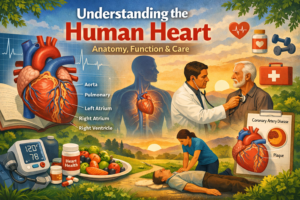
The human heart is one of the most important organs in the body. About the size of a clenched fist, it works tirelessly every second to pump oxygen-rich blood throughout the body. A healthy heart ensures that every organ receives the oxygen and nutrients needed to function properly. Understanding the human heart helps people recognize the importance of maintaining cardiovascular health and preventing heart diseases.
Heart disease remains one of the leading causes of death worldwide. However, many heart conditions can be prevented through healthy lifestyle choices, regular medical check-ups, and early diagnosis. Learning how the heart functions empowers individuals to make informed decisions about their health and reduce their risk of serious cardiac conditions.
What Is the Human Heart?
The human heart is a muscular organ located slightly to the left of the center of the chest, protected by the rib cage. It is responsible for pumping blood continuously through the circulatory system.
The heart beats approximately 100,000 times every day, pumping nearly 7,500 liters of blood throughout the body. This continuous circulation delivers oxygen, nutrients, hormones, and immune cells while removing carbon dioxide and waste products.
Without a healthy heart, organs such as the brain, kidneys, lungs, and muscles cannot function efficiently.
Anatomy of the Human Heart
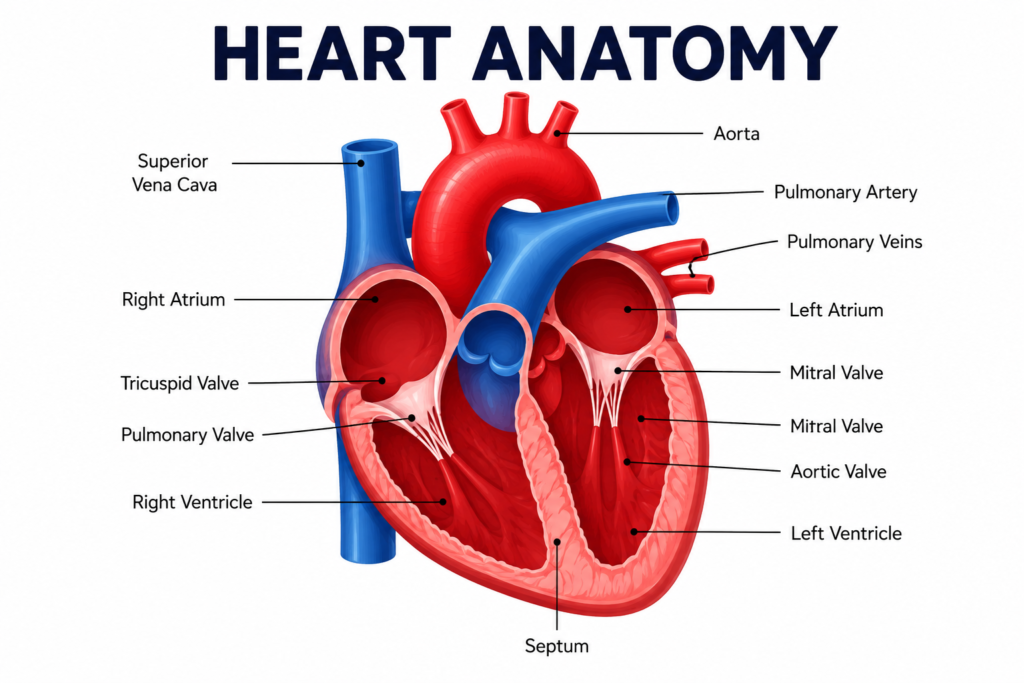
Right Atrium
The right atrium receives oxygen-poor blood returning from the body through the superior and inferior vena cava.
Right Ventricle
The right ventricle pumps this blood to the lungs through the pulmonary artery, where it receives oxygen.
Left Atrium
The left atrium receives oxygen-rich blood from the lungs through the pulmonary veins.
Left Ventricle
The left ventricle is the strongest chamber because it pumps oxygen-rich blood throughout the body via the aorta.
Other important structures include:
- Tricuspid Valve
- Pulmonary Valve
- Mitral Valve
- Aortic Valve
- Septum
- Coronary Arteries
These structures ensure that blood flows in one direction without backflow.
How Does the Human Heart Work?
The heart functions as a double pump.
- Oxygen-poor blood returns from the body.
- The right side pumps blood to the lungs.
- Blood receives oxygen in the lungs.
- Oxygen-rich blood returns to the left side.
- The left ventricle pumps oxygen-rich blood to the entire body.
This continuous cycle keeps every organ supplied with oxygen and nutrients needed for survival.
Main Functions of the Human Heart
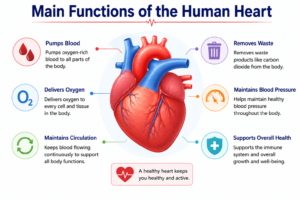
The heart performs several life-sustaining functions.
- Pumps oxygen-rich blood throughout the body
- Delivers nutrients to tissues
- Removes carbon dioxide and waste products
- Maintains healthy blood pressure
- Supports immune function
- Regulates body temperature through circulation
- Supplies oxygen to muscles during physical activity
Each heartbeat contributes to maintaining the body’s overall health.
Why Heart Health Is Important
A healthy heart supports every organ in the body. When heart function declines, blood circulation becomes less efficient, increasing the risk of complications such as stroke, kidney disease, heart failure, and reduced quality of life.
Maintaining good heart health can help:
- Improve energy levels
- Reduce disease risk
- Enhance physical performance
- Promote healthy aging
- Increase life expectancy
Common Heart Diseases
Several conditions can affect the heart and blood vessels.
Coronary Artery Disease (CAD)
Occurs when plaque builds up inside coronary arteries, reducing blood flow to the heart muscle.
Heart Attack
A heart attack happens when blood flow to part of the heart is blocked, causing damage to the heart muscle.
Heart Failure
Heart failure occurs when the heart cannot pump enough blood to meet the body’s needs.
Heart Valve Disease
Damaged or narrowed heart valves interfere with normal blood flow.
Arrhythmia
Irregular heart rhythms may cause the heart to beat too fast, too slow, or irregularly.
Congenital Heart Disease
These are structural heart defects present at birth that may require medical or surgical treatment.
Risk Factors for Heart Disease
Many heart diseases develop gradually over time.
Major risk factors include:
- High blood pressure
- High cholesterol
- Diabetes
- Smoking
- Obesity
- Physical inactivity
- Unhealthy diet
- Excessive alcohol consumption
- Chronic stress
- Family history of heart disease
- Increasing age
Managing these risk factors significantly reduces the likelihood of developing cardiovascular disease.
Warning Signs of Heart Problems
Seek medical attention if you experience:
- Chest pain or pressure
- Shortness of breath
- Pain spreading to the arm, neck, jaw, or back
- Rapid or irregular heartbeat
- Dizziness or fainting
- Persistent fatigue
- Swelling in the legs or ankles
Early diagnosis often leads to better treatment outcomes.
Tips to Keep Your Heart Healthy

- Eat a balanced diet rich in fruits, vegetables, whole grains, and lean proteins.
- Exercise for at least 150 minutes each week.
- Maintain a healthy body weight.
- Avoid smoking and tobacco products.
- Limit alcohol intake.
- Control blood pressure, cholesterol, and blood sugar.
- Manage stress through meditation, yoga, or relaxation techniques.
- Get adequate sleep every night.
- Schedule regular health check-ups.
Small lifestyle changes made consistently can have a lasting impact on heart health.
Importance of Regular Heart Check-ups
Routine heart screenings help detect problems before symptoms appear. Doctors may recommend:
- Blood pressure measurement
- Cholesterol testing
- Blood sugar testing
- Electrocardiogram (ECG)
- Echocardiogram
- Stress testing
- Cardiac CT or MRI (when necessary)
Regular monitoring is especially important for people with diabetes, hypertension, obesity, or a family history of heart disease.
When Should You Consult a Cardiac Surgeon?
If you have been diagnosed with severe coronary artery disease, heart valve disease, congenital heart defects, or an aortic condition, you may require evaluation by an experienced cardiac surgeon. Early consultation helps determine the most appropriate treatment and can improve long-term outcomes.
Why Choose Dr. Ved Prakash?

Dr. Ved Prakash is an experienced Cardiothoracic and Vascular (CTVS) Surgeon specializing in the diagnosis and surgical treatment of complex heart conditions. He performs advanced cardiac procedures, including:
- Coronary Artery Bypass Grafting (CABG)
- Heart Valve Repair and Replacement
- Minimally Invasive Cardiac Surgery
- Congenital Heart Surgery
- Aortic Surgery
His patient-centered approach, surgical expertise, and commitment to excellence help ensure safe treatment and better recovery for patients with heart disease.
Consult Dr. Ved Prakash for Expert Heart Care
If you are experiencing symptoms of heart disease or have been advised to undergo heart surgery, consult Dr. Ved Prakash for expert evaluation and personalized treatment. Early diagnosis, timely intervention, and advanced cardiac care can make a significant difference in your heart health and overall quality of life.
Conclusion
Understanding the human heart is essential for maintaining lifelong cardiovascular health. By learning how the heart works, recognizing early warning signs, and adopting healthy lifestyle habits, you can significantly reduce your risk of heart disease. Regular heart screenings and timely consultation with an experienced cardiac surgeon like Dr. Ved Prakash ensure the best possible care for both preventive and advanced heart conditions.