Uncategorized

Heart valve diseases
Uncategorized

Valve Replacement Surgery: 7 Proven 2026 Recovery Tips

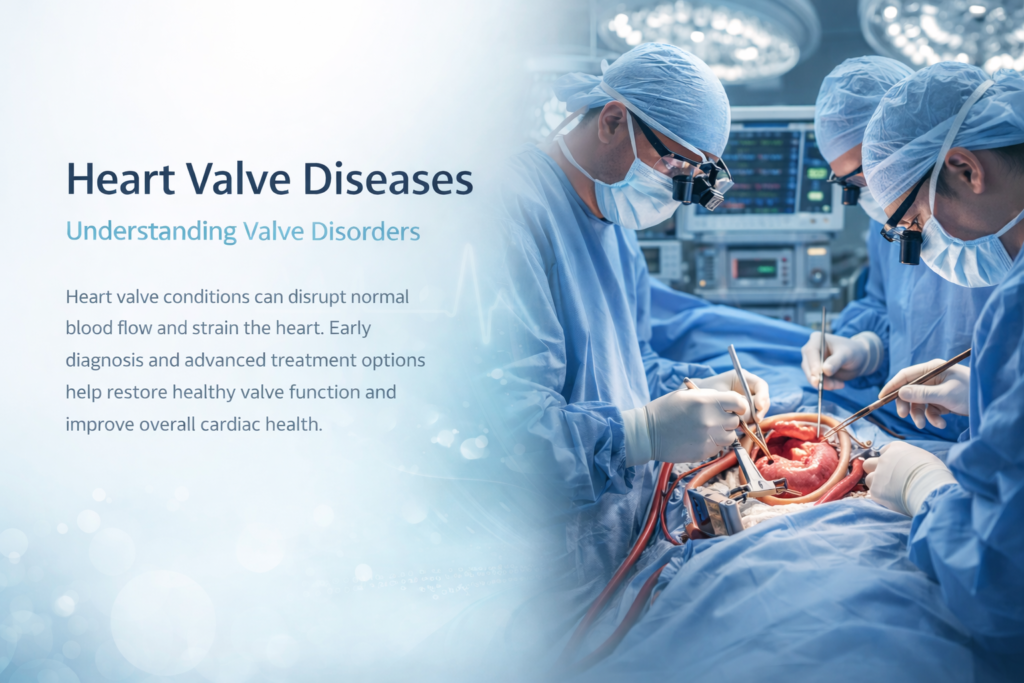
Valve replacement surgery is a life-saving medical procedure for heart patients. First, it restores normal blood flow. Moreover, it significantly improves your daily energy levels. Therefore, understanding this treatment is incredibly important. However, many patients feel anxious before their operation. Consequently, this complete guide will ease your worries. Dr. Vedprakash, a leading expert, provides top-tier care. You can learn more at dr-vedprakash.com. Let us explore the procedure and your best recovery path. Why You Might Need This Surgery Your heart relies on four vital valves. Specifically, these valves keep blood flowing correctly. Sometimes, however, they become damaged or diseased. This condition is known as valvular heart disease. Therefore, a damaged valve forces your heart to work harder. As a result, you might feel extreme fatigue. Additionally, you could experience severe shortness of breath. Over time, untreated valves can cause heart failure. Because of this, doctors often recommend surgical intervention. Indeed, fixing the issue early prevents permanent heart damage. Thus, replacing the faulty valve is often the best solution. Types of Heart Valves Explained When facing valve replacement surgery, choosing the right valve is a critical decision for your future. Therefore, understanding the available options is absolutely essential for your long-term health. Essentially, surgeons choose between two primary categories of artificial valves. These are mechanical valves and biological valves. Both types offer unique benefits and distinct drawbacks. First, let us examine mechanical heart valves. Manufacturers create these devices from incredibly strong, durable materials like titanium and carbon. Consequently, mechanical valves are designed to last for the rest of your natural life. Because they are so resilient, they rarely wear out or break down over time. This makes them an excellent choice for younger patients. However, mechanical valves come with one major requirement. Specifically, you must take strong blood-thinning medications, called anticoagulants, every single day for life. Blood naturally tends to clot on artificial surfaces. Therefore, without these daily medications, dangerous blood clots could easily form. Additionally, some people can actually hear a faint clicking sound when the mechanical valve closes. On the other hand, we have biological tissue valves. Doctors often call these bioprosthetic valves. Typically, these are carefully crafted from specially treated animal tissue, such as cow or pig hearts. Sometimes, human donor tissue is also utilized. The greatest advantage of a biological valve is that it functions very naturally inside the body. Because of this natural function, patients do not need lifelong blood-thinning medications. Usually, you only need blood thinners for a few short months after your operation. This greatly reduces the risk of serious bleeding complications. Therefore, biological valves are highly recommended for older adults or highly active individuals who are prone to injury. Unfortunately, biological valves do not last forever. In fact, the natural tissue slowly wears out over time. Generally, a biological valve will function well for 10 to 15 years. Eventually, another valve replacement surgery might become completely necessary as the tissue degrades. Ultimately, your cardiac surgeon will guide your final decision. They will carefully consider your age, your daily lifestyle, and your specific medical history. By discussing these critical factors openly, you can confidently choose the perfect valve. Preparing for Valve Replacement Surgery Preparation is key to a successful outcome. First, you will undergo several medical tests. For example, doctors will perform an echocardiogram. Additionally, blood tests are standard procedure. Next, you must adjust your daily medications. Specifically, you might need to stop blood thinners temporarily. Furthermore, smoking must be stopped immediately. Quitting smoking vastly improves your healing process. Finally, prepare your home for your eventual return. Set up a comfortable sleeping area downstairs. Also, ask friends or family for help. Having a support system is absolutely crucial. The Surgical Procedure Steps Understanding the operating room reduces surgical anxiety. Initially, the anesthesiologist gives you general anesthesia. Consequently, you will be completely asleep. Therefore, you will not feel any pain. Next, the surgeon accesses your heart carefully. Traditionally, this requires an incision down the chest. However, minimally invasive options are sometimes available. Dr. Vedprakash specializes in modern, safe surgical techniques. Afterward, the faulty valve is precisely removed. Then, the new valve is sewn into place. Finally, the surgeon tests the new valve. Once it works perfectly, they close the incision. 7 Best Steps for a Fast Recovery Recovery takes time, patience, and dedication. Therefore, following expert advice is mandatory. Here are seven proven steps for optimal healing. Rest deeply: First, prioritize your sleep. Healing requires massive amounts of bodily energy. Walk daily: Next, start walking short distances. Consequently, this prevents dangerous blood clots. Eat well: Furthermore, consume a heart-healthy diet. Eat plenty of vegetables, fruits, and lean proteins. Manage pain: Take your prescribed pain medications on time. Unquestionably, staying ahead of pain aids mobility. Care for your wound: Keep your surgical incision completely clean. Additionally, watch closely for any signs of infection. Attend rehab: Participate fully in cardiac rehabilitation programs. Indeed, this safely rebuilds your physical endurance. Follow up: Attend every scheduled appointment with Dr. Vedprakash. Regular checks ensure your new valve functions correctly. By following these rules, your health will soar. Moreover, you will regain your previous quality of life. Why Choose Dr. Vedprakash? Selecting the right surgeon is your most important decision. Fortunately, Dr. Vedprakash offers unmatched clinical expertise. Furthermore, his patient success rates are incredibly high. He uses the latest, most advanced surgical tools. Additionally, his bedside manner is warm and reassuring. You can easily schedule a personal consultation today. Simply visit dr-vedprakash.com for booking details. In conclusion, fixing your heart valve changes your life. Therefore, do not wait until symptoms worsen. Reach out to the experts and reclaim your health. Your heart will certainly thank you!
eart Bypass vs Angioplasty
Uncategorized

Coronary Artery Bypass Surgery (CABG): Procedure, Benefits, Risks & Recovery

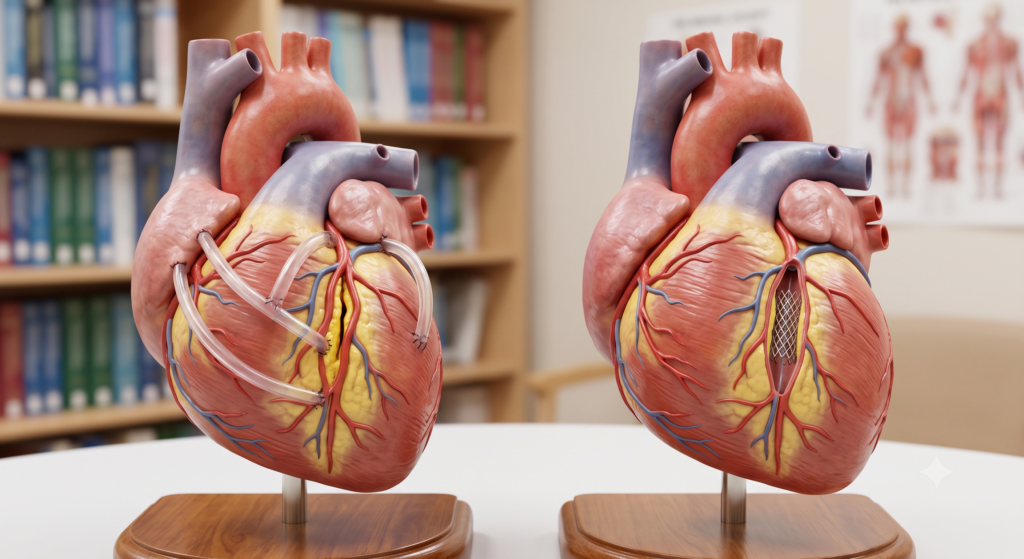
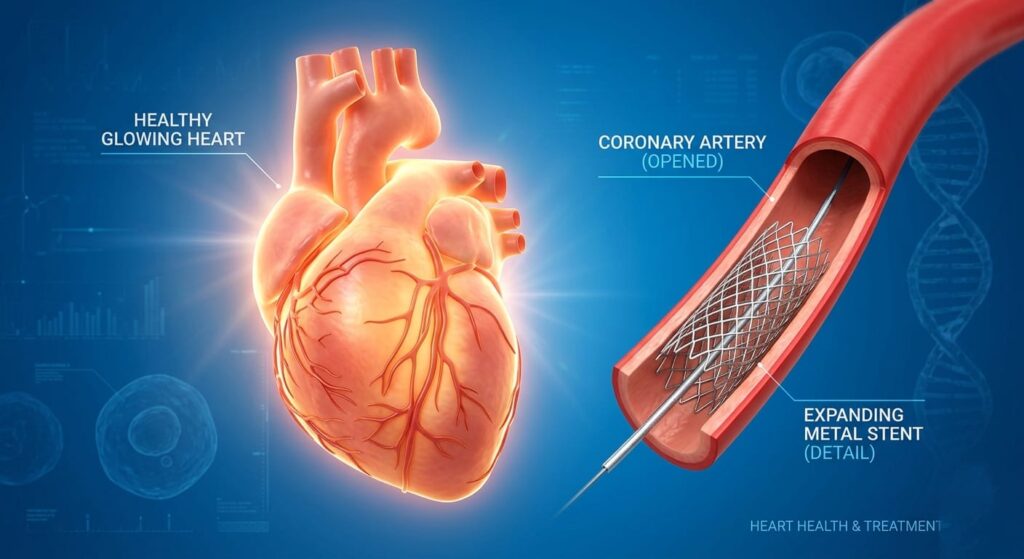
Coronary Artery Bypass Grafting (CABG), commonly known as Coronary Artery Bypass Surgery, is one of the most effective surgical treatments for patients with severe coronary artery disease (CAD). When the arteries supplying oxygen-rich blood to the heart become narrowed or blocked, the heart muscle may not receive adequate blood flow, leading to chest pain, shortness of breath, or even a heart attack. Dr. Ved Prakash, Director of Cardiothoracic and Vascular Surgery (CTVS), provides comprehensive evaluation and advanced surgical care for patients with complex coronary artery disease. His focus is on delivering evidence-based treatment, personalized care, and supporting patients throughout every stage of their recovery. What Is Coronary Artery Bypass Surgery (CABG)? CABG is a surgical procedure that restores blood flow to the heart by creating a new route around blocked or narrowed coronary arteries. During the operation, a healthy blood vessel is taken from another part of the body, such as the chest, leg, or arm, and used to bypass the blocked artery. The goal of CABG is to improve blood circulation to the heart muscle, relieve symptoms, reduce the risk of heart attack, and improve overall quality of life. When Is CABG Recommended? Dr. Ved Prakash may recommend CABG after a detailed evaluation if a patient has: Severe coronary artery disease affecting one or more arteries Significant blockage of the left main coronary artery Multiple blocked coronary arteries Persistent chest pain (angina) despite medication Failed angioplasty or recurrent blockage after stenting Diabetes with complex coronary artery disease Reduced heart function due to poor blood supply Every treatment plan is individualized based on the patient’s condition, diagnostic findings, and overall health. Symptoms That May Indicate Coronary Artery Disease Patients experiencing the following symptoms should seek medical evaluation promptly: Chest pain or pressure Shortness of breath Fatigue during physical activity Pain radiating to the arm, neck, shoulder, or jaw Irregular heartbeat Dizziness or fainting Heart attack symptoms Early diagnosis can significantly improve treatment outcomes. How Is CABG Surgery Performed? Coronary artery bypass surgery is performed under general anesthesia by an experienced cardiac surgery team. 1. Preoperative Evaluation Patients undergo a thorough assessment that may include blood tests, ECG, echocardiography, coronary angiography, and other investigations to determine the most appropriate treatment plan. 2. Harvesting the Graft A healthy blood vessel is carefully taken from the chest, arm, or leg to serve as the bypass graft. 3. Creating the Bypass The surgeon connects the graft above and below the blocked artery, allowing blood to flow around the blockage and restore circulation to the heart muscle. 4. Completion of Surgery After ensuring proper blood flow through the grafts, the surgical incision is closed, and the patient is transferred to the intensive care unit (ICU) for close monitoring. Benefits of CABG Surgery Coronary artery bypass surgery offers several long-term benefits, including: Improved blood flow to the heart Relief from chest pain (angina) Reduced risk of future heart attacks Better exercise tolerance Improved heart function Enhanced quality of life Increased ability to perform daily activities Better long-term outcomes for appropriately selected patients Risks of CABG Surgery As with any major surgery, CABG carries potential risks. These may include: Bleeding Infection Stroke Irregular heartbeat Blood clots Kidney complications Breathing difficulties Wound healing issues Dr. Ved Prakash carefully evaluates each patient’s medical condition and discusses the potential benefits and risks before recommending surgery. Recovery After CABG Surgery Recovery after Coronary Artery Bypass Surgery (CABG) is a gradual process that continues even after you leave the hospital. While every patient’s recovery journey is different, following your cardiac surgeon’s advice and maintaining a healthy lifestyle are essential for achieving the best outcomes. Hospital Stay After surgery, patients are usually transferred to the Intensive Care Unit (ICU) for close monitoring. Most patients remain in the ICU for 1–2 days, where healthcare professionals continuously monitor heart function, blood pressure, breathing, and overall recovery. Once the patient’s condition is stable, they are moved to a regular hospital room for an additional 3–5 days before discharge. Recovery at Home Patients are encouraged to: Walk regularly as advised Take medications exactly as prescribed Follow a heart-healthy diet Avoid smoking and tobacco products Attend follow-up appointments Participate in a cardiac rehabilitation program if recommended Most patients return to many normal activities within 6 to 12 weeks, depending on their overall health and the nature of their surgery. Why Choose Dr. Ved Prakash for CABG? Choosing an experienced cardiac surgeon is an important step in achieving the best possible outcome. Patients choose Dr. Ved Prakash because of his: Expertise in cardiothoracic and vascular surgery Patient-centered treatment approach Comprehensive preoperative evaluation Evidence-based surgical planning Focus on patient safety Personalized postoperative care and follow-up His goal is to help patients receive the right treatment at the right time while supporting them throughout their recovery. Frequently Asked Questions Is CABG better than angioplasty? The most appropriate treatment depends on the number and location of blocked arteries, overall heart function, and other medical conditions. A cardiologist and cardiac surgeon will recommend the best option based on an individual assessment. How long does CABG surgery take? The procedure generally takes between 3 and 6 hours, depending on the complexity of the surgery. How long is the recovery period? Most patients recover within 6–12 weeks, although recovery time varies from person to person. Can I live a normal life after CABG? Many patients return to an active lifestyle after recovery by following their doctor’s advice, taking prescribed medications, eating a heart-healthy diet, exercising regularly, and attending follow-up appointments. Book a Consultation with Dr. Ved Prakash If you have been diagnosed with coronary artery disease or have been advised to undergo bypass surgery, consulting an experienced cardiac surgeon is an important step. Dr. Ved Prakash provides comprehensive evaluations, personalized treatment plans, and compassionate care to help patients make informed decisions about their heart health. Schedule a consultation to discuss your symptoms, understand your treatment options, and receive expert guidance on whether Coronary Artery Bypass Surgery (CABG) is appropriate for your condition. Conclusion Coronary

Aortic Dissection Treatment
Uncategorized

Aortic Dissection Treatment: 7 Proven 2026 Recovery Tips

What Is Aortic Dissection? Aortic Dissection Treatment is a life-saving medical approach used to repair a tear in the wall of the aorta, the body’s largest artery. Because the aorta supplies oxygen-rich blood to every organ, any tear can quickly become a medical emergency. When the inner layer of the aorta tears, blood enters the vessel wall and separates its layers. Therefore, blood flow to the brain, heart, kidneys, or other organs may be reduced or completely blocked. However, early diagnosis and timely Aortic Dissection Treatment can significantly improve survival rates. Above all, seeking emergency medical care at the first sign of symptoms is essential. Causes and Risk Factors Several conditions increase the risk of developing an aortic dissection. Common risk factors include: High blood pressure Atherosclerosis Connective tissue disorders such as Marfan syndrome Bicuspid aortic valve Previous heart surgery Chest trauma Smoking Increasing age Family history of aortic disease Moreover, uncontrolled hypertension remains the most common cause worldwide. Because high blood pressure weakens the artery wall over time, it greatly increases the likelihood of a tear. Maintaining healthy blood pressure can reduce this risk significantly. Symptoms That Need Immediate Attention Recognizing symptoms quickly can save a life. Common symptoms include: Sudden severe chest pain Sharp tearing pain in the back Pain spreading to the neck or jaw Difficulty breathing Fainting Weak pulse in one arm Sudden weakness or paralysis Loss of consciousness However, symptoms may sometimes resemble a heart attack. Therefore, emergency evaluation is necessary whenever severe chest pain occurs. Never delay medical attention. Diagnosis of Aortic Dissection Doctors use several advanced investigations to confirm the diagnosis. These include: CT Angiography MRI Scan Echocardiography (TEE) Chest X-ray Blood Tests ECG to rule out heart attack Furthermore, CT angiography is usually the fastest and most accurate imaging technique during emergencies. Once confirmed, doctors classify the condition according to the affected portion of the aorta. Aortic Dissection Treatment Options Emergency Medical Management The first goal is stabilizing blood pressure and heart rate. Doctors commonly administer: Beta blockers Pain medications Blood pressure lowering drugs Because lowering blood pressure reduces stress on the damaged aorta, it helps prevent further tearing. Aortic Dissection Treatment Through Surgery Patients with Type A aortic dissection usually require emergency surgery. The procedure may include: Removing the torn section Replacing the damaged aorta with a synthetic graft Repairing or replacing the aortic valve Coronary artery bypass if necessary However, experienced cardiac surgeons achieve excellent outcomes with timely intervention. Early surgery saves lives. Endovascular Repair (TEVAR) Type B dissections may sometimes be treated using minimally invasive techniques. During TEVAR: A catheter is inserted through the groin. A covered stent graft is placed inside the aorta. Blood flow is redirected. The torn area is sealed. Moreover, recovery after TEVAR is generally faster than open surgery. Recovery After Aortic Dissection Treatment Recovery varies depending on the severity of the condition and the treatment performed. Patients usually require: Intensive care monitoring Blood pressure control Cardiac rehabilitation Regular follow-up scans Healthy lifestyle modifications Furthermore, complete recovery may take several weeks or months. Patients should avoid heavy lifting during the early healing phase. Most importantly, lifelong monitoring is recommended because the remaining aorta must be checked regularly. 7 Proven Recovery Tips Control blood pressure daily. Take medications exactly as prescribed. Stop smoking permanently. Follow a heart-healthy diet. Walk regularly after medical clearance. Attend every follow-up appointment. Manage stress through healthy activities. Because these habits reduce strain on the heart and arteries, they improve long-term outcomes. How Can You Prevent Future Complications? Although not every case can be prevented, healthy lifestyle choices lower future risk. Recommended habits include: Maintain healthy blood pressure Exercise regularly Eat fruits and vegetables Reduce salt intake Control cholesterol Avoid tobacco Maintain healthy weight Sleep adequately Manage diabetes Schedule routine cardiac evaluations In addition, patients with connective tissue disorders should undergo regular imaging as advised by their specialist. Why Choose Dr. Vedprakash? Choosing an experienced cardiac surgeon is essential for achieving the best possible outcome. Dr. Vedprakash provides comprehensive evaluation and advanced cardiac surgical care for complex heart diseases, including Aortic Dissection Treatment. Every patient receives individualized treatment planning, advanced diagnostic evaluation, evidence-based surgical care, and structured follow-up. Moreover, timely intervention, compassionate care, and modern surgical techniques help improve recovery and long-term quality of life. If you experience sudden severe chest or back pain, seek emergency medical attention immediately. Early diagnosis and prompt treatment can make the difference between life and death. Conclusion Aortic Dissection Treatment is a medical emergency that requires rapid diagnosis and expert management. However, advances in cardiac surgery and endovascular techniques have significantly improved survival and recovery. Therefore, understanding the symptoms, seeking immediate medical attention, and following a structured recovery plan are essential. Furthermore, regular follow-up, healthy lifestyle changes, and expert care from Dr. Vedprakash can help patients achieve better long-term heart health.

Ganesha Mudra
Uncategorized

Signs of Silent Heart Attack in Women: 7 Urgent Clues

The signs of silent heart attack in women often go completely unnoticed by many. However, ignoring these subtle warnings can be extremely dangerous. Therefore, women must learn to identify these hidden symptoms early. In addition, prompt medical care saves lives. Dr. Vedprakash at dr-vedprakash.com strongly advises regular heart checkups. Furthermore, knowing what to look for empowers you. Ultimately, understanding the exact signs of silent heart attack in women is your best defense against severe complications. Understanding Signs of Silent Heart Attack in Women Many people expect chest-clutching pain during a cardiac event. However, this is a dangerous and common misconception. Specifically, the signs of silent heart attack in women are often vague. Therefore, they are easily mistaken for the flu or extreme stress. In addition, these quiet attacks still cause massive heart damage. Consequently, you must not ignore mild, lingering discomfort. Furthermore, Dr. Vedprakash notes that early detection is highly critical. Thus, understanding the unique signs of silent heart attack in women prevents future tragedy. 1. Extreme Fatigue and Unexplained Weakness Fatigue is a common issue, but sudden exhaustion is alarming. For example, feeling entirely wiped out after making a bed is abnormal. Furthermore, this intense weakness can last for several continuous days. Therefore, it is one of the major signs of silent heart attack in women. In addition, this symptom appears because the heart struggles to pump blood. Consequently, the body reroutes energy away from muscles. Thus, you feel heavily drained and lethargic. Always report unexplained fatigue to Dr. Vedprakash immediately. 2. Shortness of Breath Without Exertion Breathing heavily after a run is perfectly normal. However, gasping for air while resting is not. In fact, sudden shortness of breath is highly dangerous. Therefore, it ranks high among the signs of silent heart attack in women. Furthermore, this happens when fluid builds up in the lungs. Because the failing heart cannot keep up, pressure naturally increases. Consequently, you feel winded without doing any physical activity. Thus, you must seek urgent help if breathing suddenly becomes highly difficult. 3. Discomfort in the Jaw, Neck, or Upper Back Heart issues often radiate pain to unexpected places. For instance, you might feel a dull ache in your jaw. Alternatively, your neck or upper back might suddenly throb. Therefore, these are crucial signs of silent heart attack in women. Furthermore, women rarely experience traditional, localized left-arm pain. Instead, they feel a burning sensation across the upper body. Because nerves connect these areas, the brain misinterprets the pain source. Consequently, always consult Dr. Vedprakash for sudden back or jaw pain. 4. Nausea, Indigestion, or Stomach Pain Stomach issues are easily brushed off as bad food. However, sudden indigestion can mean something much worse. In fact, nausea is one of the sneakiest signs of silent heart attack in women. Furthermore, the pain might closely mimic severe heartburn. Therefore, taking simple antacids will not resolve the actual issue. Because the heart rests near the stomach, pain easily overlaps. Consequently, vomiting without a clear reason requires immediate attention. Thus, never ignore intense, unexplained stomach pressure or severe nausea. 5. Cold Sweats and Sudden Dizziness Sweating from summer heat is entirely normal. However, breaking into a cold sweat while resting is terrifying. Therefore, sudden dizziness and sweating are classic signs of silent heart attack in women. Furthermore, this occurs because the nervous system panics suddenly. In addition, your blood pressure often drops very quickly. Consequently, your brain receives less oxygen, causing severe dizziness. Thus, if you feel faint and sweaty, call a doctor. Importantly, Dr. Vedprakash warns never to sleep off these exact symptoms. 6. Mild Chest Pressure Instead of Pain Hollywood movies show heart attacks as incredibly violent events. However, reality is often much quieter and subtle. Often, women feel only mild pressure or tightness. Therefore, this subtle squeezing is among the signs of silent heart attack in women. Furthermore, it might feel like an elephant is sitting on your chest. In addition, the pressure may come and go repeatedly. Consequently, you might wrongly think it is just severe anxiety. Thus, treat any strange chest fullness very seriously. 7. A Sudden Sense of Dread or Anxiety Sometimes, your body knows something is wrong before you do. For instance, a sudden, unexplained feeling of doom can strike. Therefore, intense anxiety is one of the rare signs of silent heart attack in women. Furthermore, this severe panic arises without any obvious emotional trigger. Because the body is experiencing massive physical stress, hormones surge. Consequently, you feel completely terrified for absolutely no logical reason. Thus, trust your gut instinct if you suddenly feel an impending sense of doom. When to Consult Dr. Vedprakash Knowing these critical warnings is only the first step. Importantly, acting on them quickly is what truly matters. Therefore, if you notice any signs of silent heart attack in women, act fast. Furthermore, you can visit dr-vedprakash.com for expert cardiac guidance. Because time equals saved heart muscle, waiting is incredibly dangerous. Consequently, Dr. Vedprakash strongly recommends immediate medical evaluation for suspected symptoms. Thus, never hesitate to call emergency services. Ultimately, prompt medical intervention easily prevents fatal cardiac damage. Final Thoughts on Protecting Your Heart Protecting your heart requires constant, dedicated vigilance. First, you must prioritize learning the signs of silent heart attack in women. Furthermore, you should schedule routine checkups to monitor your overall health closely. Therefore, managing your daily stress and diet helps immensely. In addition, staying physically active keeps your cardiovascular system highly robust. Consequently, taking proactive steps today secures a much healthier tomorrow. Thus, rely on trusted experts like Dr. Vedprakash. Finally, always listen closely to what your body tells you.

Why Does My Heart Beat Fast When I Stand Up? 7 Proven Tips
Uncategorized

Why Does My Heart Beat Fast When I Stand Up? 7 Proven Tips

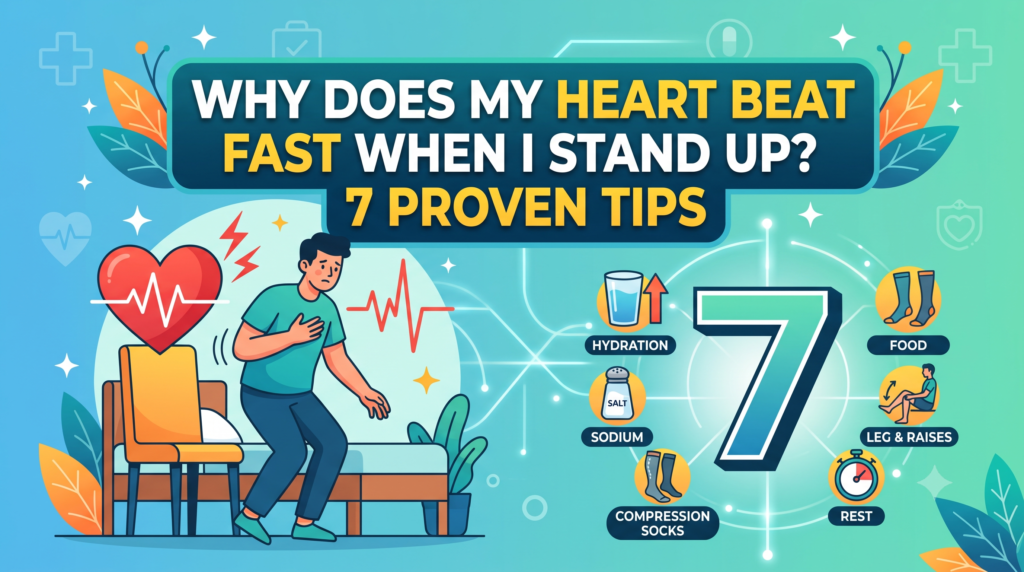
This is an incredibly common feeling. Furthermore, it can feel very scary and overwhelming. However, this sensation is usually completely harmless. In most cases, your body is simply adjusting to gravity. In this comprehensive guide, I will explain the exact reasons behind this. Therefore, you can understand your body better and find quick relief today. Exactly Why Does My Heart Beat Fast When I Stand Up? Whenever you ask why does my heart beat fast when I stand up, the answer starts with basic physics. When you stand, gravity instantly pulls your blood downward. Consequently, blood pools in your lower legs and abdomen. Because of this, less blood returns to your heart. Therefore, your heart has less blood to pump to your brain. To prevent you from fainting, your amazing body reacts immediately. Thus, your heart rate speeds up to compensate. The Role of Gravity and Blood Pressure Gravity is a constant force on your circulation. Normally, your blood pressure remains stable when you are lying down. However, standing up challenges your blood pressure significantly. As a result, special sensors in your neck detect a pressure drop. These sensors are called baroreceptors. Immediately, they send emergency signals straight to your brain. Consequently, your brain commands your heart to beat faster. This rapid pumping restores your normal blood pressure quickly. Your Nervous System at Work Your nervous system controls this entire process automatically. Specifically, the sympathetic nervous system acts like a gas pedal. When you stand, this system releases adrenaline into your blood. Therefore, your heart rate spikes almost instantly. Meanwhile, your blood vessels tighten up to push blood upwards. Usually, this racing feeling vanishes within a few seconds. However, if your nervous system is overly sensitive, the racing continues. Consequently, you feel a pounding sensation in your chest. Common Causes of a Racing Heartbeat Many everyday factors influence your heart rate. In addition, your daily habits play a massive role in your cardiovascular health. Sometimes, simple lifestyle choices cause major physical symptoms. Therefore, we must examine your daily routines closely. If you constantly wonder why does my heart beat fast when I stand up, look at these common triggers first. Dehydration: The Hidden Culprit First, dehydration is the most frequent cause of this problem. When you do not drink enough water, your total blood volume drops. Because of this, your heart must work much harder. Furthermore, thick blood is harder to pump uphill against gravity. Consequently, even a slight fluid drop makes your heart race. Therefore, you must prioritize drinking water throughout your day. Morning Routine: Drink a large glass of water right upon waking. Daily Goal: Aim for at least eight full glasses daily. Electrolytes: Add a pinch of salt to your water for better absorption. Stress and Anxiety Triggers Stress profoundly impacts your resting heart rate. When you feel anxious, your body releases cortisol and adrenaline. As a result, your baseline heart rate remains abnormally high. Therefore, standing up pushes an already fast heart even faster. Moreover, panic attacks can mimic severe heart conditions easily. Hence, managing your mental health is vital for your physical heart. Anemia and Vitamin Deficiencies Sometimes, a lack of essential nutrients causes heart palpitations. Specifically, iron deficiency anemia reduces your red blood cells. Because red blood cells carry oxygen, your body panics when they are low. Consequently, your heart beats rapidly to deliver enough oxygen to your brain. In addition, Vitamin B12 deficiency causes similar neurological symptoms. Therefore, a simple blood test at dr-vedprakash.com can reveal these hidden issues. How Medications Affect Your Heart Many common prescription drugs alter your heart rhythm. For example, asthma inhalers frequently cause temporary heart racing. Furthermore, blood pressure medications sometimes lower your pressure too much. As a result, your heart beats faster to compensate when you stand. Even over-the-counter cold medicines containing decongestants act as powerful stimulants. Therefore, always discuss your current medications with your doctor. Understanding POTS (Postural Orthostatic Tachycardia Syndrome) Often, patients asking why does my heart beat fast when I stand up actually have POTS. This stands for Postural Orthostatic Tachycardia Syndrome. Basically, POTS is a malfunction of your automatic nervous system. Normally, your blood vessels squeeze tight when you stand. However, in POTS patients, the blood vessels remain totally relaxed. Because of this, blood pools heavily in the legs. Consequently, the heart must race incredibly fast to push blood to the brain. Thus, POTS requires professional medical diagnosis and management. Common Symptoms of POTS POTS is more than just a fast heartbeat. In fact, it affects your entire body daily. First, extreme dizziness upon standing is the hallmark symptom. Furthermore, patients often experience severe “brain fog” or confusion. Moreover, chronic fatigue makes normal daily tasks feel impossible. If you experience these symptoms, you must consult a cardiologist soon. Understanding Orthostatic Hypotension Similarly, orthostatic hypotension causes major problems when standing. Unlike POTS, this condition involves a massive drop in blood pressure. When your blood pressure crashes, your brain loses oxygen rapidly. As a result, you might see dark spots or feel faint. Consequently, your heart attempts to race to save you. Therefore, checking your blood pressure while sitting and standing is a crucial diagnostic test. 7 Proven Tips for a Calmer Heartbeat Fortunately, you can safely manage these scary symptoms at home. If you frequently wonder why does my heart beat fast when I stand up, try these strategies. First, always drink plenty of fresh water throughout the day. Second, practice getting up very slowly from your bed or chair. Because of this simple pause, your nervous system adjusts much better. Third, try wearing medical-grade compression socks to improve leg blood flow. Hydrate Well: Drink at least 2 to 3 liters of fluid daily. Stand Slowly: Sit on the edge of the bed for 30 seconds before walking. Wear Compression: Knee-high tight socks push blood back to your heart. Exercise Safely: Build your calf muscles to help pump blood upward. Avoid Heat: Hot showers expand your blood vessels, lowering blood pressure. Eat Small

How Does Sleep Apnea Affect The Heart? 7 Proven Dangers
Uncategorized

How Does Sleep Apnea Affect The Heart? 7 Proven Dangers

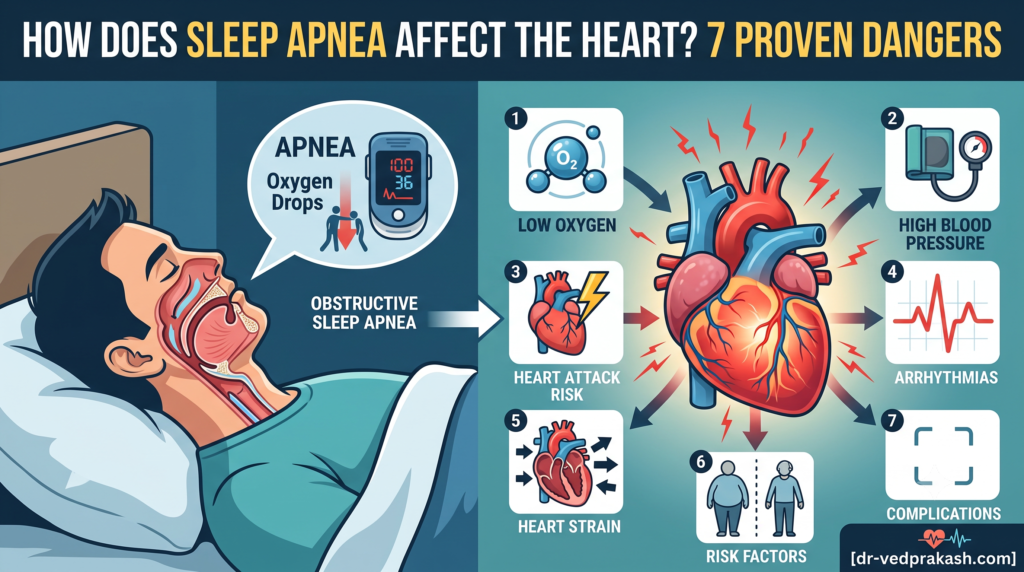
Many patients ask, how does sleep apnea affect the heart on a daily basis? Therefore, understanding this connection is completely vital for your long-term health. Furthermore, untreated sleep disorders can slowly ruin your cardiovascular system. Dr. Vedprakash strongly warns that snoring is not just a loud nuisance. Instead, it is often a major warning sign of severe cardiovascular stress. Consequently, you must take these breathing pauses very seriously. In this comprehensive guide, we will explore exactly what happens inside your body. Additionally, we will share seven proven dangers you need to know now. How Does Sleep Apnea Affect The Heart Directly? First, we must look at the direct physical impact on your body. When you stop breathing, your brain panics immediately. As a result, your nervous system releases heavy stress hormones instantly. These stress hormones force your heart to pump much harder. However, your heart is trying to pump without enough oxygen. Therefore, this creates a dangerous nightly cycle of severe stress. To fully answer how does sleep apnea affect the heart, we must look deeper. Specifically, we must examine the physical changes happening inside your chest walls. 1. It Drops Your Oxygen Levels During an apnea episode, your airway completely collapses. Consequently, your lungs simply cannot pull in fresh air. Because of this, the oxygen levels in your blood drop rapidly. Naturally, your heart muscle desperately needs oxygen to function properly. Without it, the heart tissue begins to suffer from immediate starvation. Therefore, this nightly oxygen starvation damages healthy heart cells over time. 2. It Spikes Your Blood Pressure Whenever you stop breathing, your brain sends out a loud alarm. Instantly, your blood vessels constrict to redirect oxygen to your brain. As a result, your blood pressure shoots up drastically in seconds. Furthermore, this is known as severe nocturnal hypertension. Even worse, this high blood pressure often continues into the daytime hours. Thus, your heart is constantly fighting against highly elevated pressure. 3. It Strains The Heart Walls Working against high blood pressure requires massive effort. Because of this, the muscular walls of your heart actually thicken. Over time, this unnatural thickening makes the heart very stiff. Consequently, a stiff heart cannot pump blood efficiently to your body. Therefore, fluid can begin to back up into your lungs. Ultimately, this leads to a terrible condition called congestive heart failure. Long-Term Proven Dangers To Your Heart Over months and years, the damage becomes permanent. So, how does sleep apnea affect the heart in the long run? Unfortunately, the constant strain drastically shortens your overall life expectancy. In fact, many sudden cardiac events happen during the early morning. Furthermore, the cumulative damage heavily weakens your entire cardiovascular system. Let us look at the most severe long-term risks below. 4. Increased Risk of Heart Attacks Low oxygen heavily damages the delicate lining of your blood vessels. As a result, harmful plaque builds up much faster inside your arteries. Eventually, this sticky plaque can rupture and form massive blood clots. Furthermore, these clots easily block blood flow to the heart muscle. When this happens, a severe heart attack occurs immediately. Therefore, treating your breathing prevents these deadly blockages from forming entirely. 5. Triggering Heart Arrhythmias An irregular heartbeat is a very common and scary complication. Specifically, atrial fibrillation (AFib) is heavily linked to sleep disorders. During an apnea event, the heart is physically stretched and stressed. Because of this stretching, the electrical signals in the heart misfire completely. Consequently, the heart begins to beat wildly out of rhythm. Sadly, this chaotic rhythm heavily increases your major stroke risk. Dr. Vedprakash Explains Who Is At Risk Not everyone faces the exact same level of medical danger. According to Dr. Vedprakash, certain patients have much higher risks. Therefore, you must evaluate your own personal health history carefully. Additionally, catching the warning signs early can literally save your life. Furthermore, ignoring these specific risk factors is incredibly dangerous. Here are the top factors that multiply your cardiovascular risk today. 6. Obesity and Heart Health Excess body weight is the leading cause of airway blockages. Specifically, extra fat around the neck physically crushes your windpipe. As a result, obese patients suffer from much longer breathing pauses. Therefore, their hearts experience much deeper oxygen drops every night. Moreover, obesity itself already puts heavy strain on the heart muscle. Consequently, combining obesity with apnea is a very deadly mix. 7. Age and Genetic Factors As we get older, our throat muscles naturally lose their tone. Because of this, they collapse much easier during deep sleep cycles. Additionally, a family history of snoring drastically increases your personal risk. However, you cannot easily change your genetics or your age. Therefore, you must actively seek professional medical screening instead. Furthermore, older adults suffer from silent heart damage much faster. Effective Ways To Protect Your Heart Today Thankfully, the damage to your heart can often be stopped completely. When asking how does sleep apnea affect the heart, there is hope. First, the most vital step is getting a proper sleep study. Afterwards, your doctor will prescribe a targeted medical treatment plan. As a result, your heart will finally get the oxygen it needs. Let us explore the best ways to heal your heart now. Using CPAP Therapy Successfully Continuous Positive Airway Pressure (CPAP) is the absolute gold standard treatment. Essentially, it gently blows air to keep your throat open constantly. Therefore, your oxygen levels never drop dangerously during the night. Because of this, your blood pressure stabilizes almost immediately. Furthermore, studies show CPAP heavily reduces your risk of heart attacks. Indeed, it is the best way to reverse cardiovascular damage. Visiting Dr-Vedprakash.com For Help If you suspect you have this disorder, do not wait. Instead, reach out to trusted experts for immediate medical guidance. For instance, visiting dr-vedprakash.com is a great first step forward. There, you can easily find vital resources and schedule a consultation. Consequently, getting expert help will give you complete peace of mind. Moreover, your heart will thank you

Natural Ways to Clean Arteries: 7 Proven, Amazing Tips
Uncategorized

Natural Ways to Clean Arteries: 7 Proven, Amazing Tips

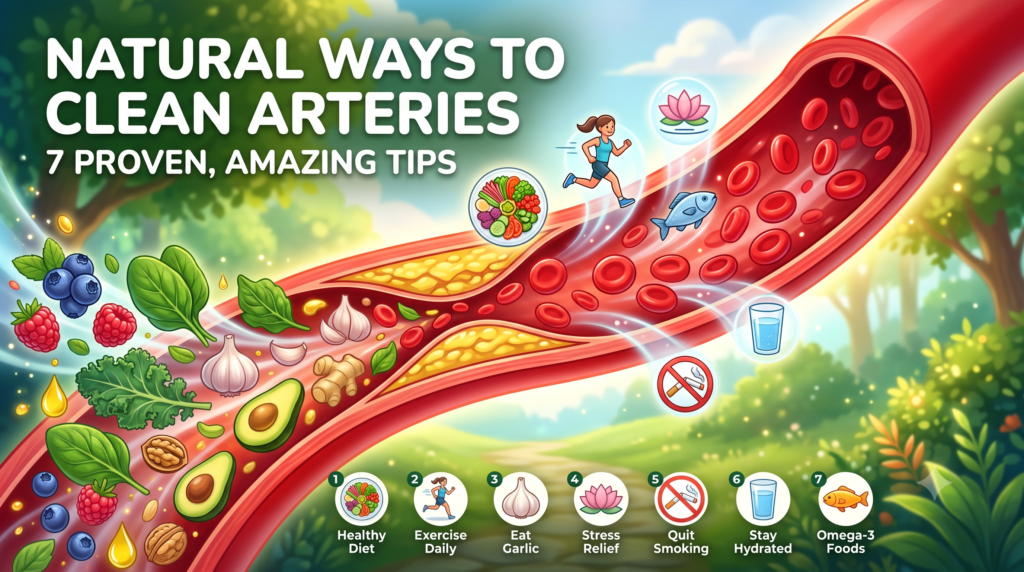
Are you searching for natural ways to clean arteries? You are certainly not alone today. Many people want to improve their heart health safely. Therefore, making smart lifestyle choices is incredibly important. Over time, plaque can build up in your blood vessels. This dangerous buildup reduces healthy blood flow. Fortunately, Dr. Vedprakash offers expert advice on this vital topic. Below, we share seven proven methods to protect your heart. Let us explore these simple, effective steps. 1. Eat Heart-Healthy Foods When researching natural ways to clean arteries, diet plays a massive role. For instance, eating fresh vegetables provides essential vitamins. Furthermore, fiber helps reduce bad cholesterol easily. In addition, healthy fats actively protect your blood vessels. You should eat avocados, almonds, and walnuts often. These whole foods fight harmful inflammation daily. Consequently, your body starts healing itself naturally. Dr. Vedprakash strongly recommends avoiding processed junk foods completely. Fresh food is always your best medicine. 2. Exercise Regularly Moving your body daily is absolutely crucial. Exercise strengthens your heart muscle significantly. Moreover, it improves your overall blood circulation. As a result, your blood vessels remain highly flexible. You do not need to run a grueling marathon. Simply walking thirty minutes daily works wonders. Furthermore, swimming and cycling are excellent choices too. Stay consistent with your daily physical activities. Your heart will certainly thank you later. 3. Manage Your Stress Levels Chronic stress damages your heart over time. Specifically, it raises your blood pressure dangerously. Therefore, finding daily peace is deeply important. Meditation is a highly effective relaxation tool. Additionally, deep breathing exercises calm the nervous system. Yoga is another fantastic option for everyone. Dr. Vedprakash advises taking short, relaxing daily breaks. Consequently, your heart rate remains steady and safe. Always prioritize your precious mental well-being. 4. Quit Smoking Today Finding natural ways to clean arteries begins with dropping bad habits. Smoking heavily damages your delicate blood vessels. In fact, toxic chemicals cause severe plaque buildup. Therefore, quitting is your best possible choice. As soon as you stop, healing begins immediately. Furthermore, your circulation improves within just days. It is truly an amazing physical transformation. If you need help, seek proper medical support. Never give up on this vital goal. 5. Maintain a Healthy Weight Extra weight strains your entire cardiovascular system. Because of this, losing belly fat is crucial. Even a small weight loss brings huge benefits. Consequently, your blood sugar levels stabilize nicely. In addition, your bad cholesterol numbers often drop significantly. This directly supports your long-term vascular health. Combine a good diet with daily movement. Gradually, you will reach your ideal, healthy weight. Patience is definitely key to lasting success. 6. Essential Natural Ways to Clean Arteries High blood pressure directly damages your artery walls. Over time, this makes them stiff and narrow. Therefore, regular monitoring at home is highly recommended. Reducing sodium intake helps lower blood pressure safely. Additionally, eating potassium-rich foods like bananas helps immensely. Always take prescribed medications if needed. By doing this, you prevent serious future complications. Keeping your blood pressure normal is incredibly beneficial. It is one of the best natural ways to clean arteries. 7. Consult Dr. Vedprakash Finally, regular medical checkups are totally essential. Dr. Vedprakash provides personalized, expert heart care. Thus, you get the absolute best medical advice. Every patient requires a completely unique health strategy. Because of this, professional guidance is invaluable. Do not guess with your delicate heart health. Visit dr-vedprakash.com today to book an appointment. Together, you can achieve your wellness goals safely. Take positive action for your future now.

3. Manage Your Stress Levels
Uncategorized

Stress Heart Damage: 7 Proven Facts About Fatal Risks

Are you wondering about stress heart damage? Many people ignore the physical effects of severe daily anxiety. However, your cardiovascular system takes a massive hit from constant worry. Therefore, we must explore this critical medical topic today. Dr. Vedprakash explains how mental pressure slowly ruins your cardiovascular health. In addition, ignoring these warning signs can be completely fatal. Specifically, chronic tension forces your body to work much harder. Because of this, your delicate arteries can suffer from long-term issues. Consequently, understanding the 7 proven risks is absolutely vital. Stress Heart Damage: Is It Truly Permanent? Can intense emotions permanently ruin your cardiovascular system? Usually, temporary panic attacks do not leave lasting physical scars. However, chronic anxiety is a completely different story. Furthermore, consistent adrenaline surges inflame your arteries over time. Because of this, permanent plaque buildup can eventually occur. Therefore, stress heart damage becomes a very real, physical threat. In addition, Dr. Vedprakash notes that early intervention helps immensely. Luckily, making fast lifestyle changes can reverse some early problems. Consequently, you must act before the cardiovascular damage is permanent. How Chronic Anxiety Impacts The Body Your body constantly releases cortisol when you feel overwhelmed. Specifically, this stress hormone raises your resting blood pressure immensely. Over time, high blood pressure severely strains your fragile arteries. Consequently, the inner walls of your blood vessels develop tears. Furthermore, these tiny microscopic tears attract dangerous cholesterol and fat. Ultimately, this creates dangerous plaque blockages near your chest. Therefore, your mental health directly controls your physical well-being. Because of this link, daily relaxation is not just a luxury. Instead, it is mandatory for your long-term physical survival. 7 Proven Signs Of Stress Heart Damage You must carefully watch for specific physical warning signs daily. Here are 7 proven indicators of severe cardiovascular strain: Constant chest tightness during minor daily arguments. A rapid, irregular heartbeat while resting quietly at home. Extreme fatigue after completely normal daily activities. Sudden shortness of breath without any physical exertion. Frequent dizziness when standing up from a chair quickly. Chronic high blood pressure that ignores basic medication. Frequent tension headaches combined with a racing pulse. Therefore, you should track these symptoms closely every single week. Furthermore, consult Dr. Vedprakash immediately if you experience three or more. Broken Heart Syndrome Explained Have you ever heard of Takotsubo cardiomyopathy? Specifically, medical doctors call this sudden condition “broken heart syndrome.” It happens right after extreme emotional trauma or severe grief. Because of a massive adrenaline surge, the muscle weakens instantly. Consequently, the left ventricle balloons out and pumps very poorly. Therefore, you feel exactly like you are having an attack. However, this specific stress heart damage is usually temporary. Most patients actually recover fully within a few short weeks. In addition, fatal complications are incredibly rare but still possible. High Blood Pressure And Artery Wear Consistent tension keeps your blood pressure highly elevated every day. Furthermore, this intense pressure constantly damages your delicate blood vessels. Because of this, your cardiovascular system ages much faster. Over time, your arteries become incredibly stiff and very narrow. Consequently, your muscle works much harder to pump vital oxygen. Therefore, your overall risk of a fatal attack skyrockets daily. In addition, cardiovascular damage from high pressure builds entirely silently. You might never feel the silent internal wear and tear. Thus, regular physical checkups at dr-vedprakash.com are incredibly important. Prevention Tips From Dr. Vedprakash How can you actively protect your vital organs today? Firstly, Dr. Vedprakash highly recommends daily mindfulness and deep meditation. Furthermore, exercising for thirty minutes reduces dangerous cortisol levels significantly. In addition, you must prioritize getting seven hours of sleep. Because of proper rest, your body naturally heals microscopic tears. Consequently, your resting pulse rate will drop to safe levels. Finally, you must limit caffeine and eliminate smoking completely today. Therefore, your blood vessels will easily relax and widen naturally. Ultimately, these simple daily habits prevent permanent stress heart damage. When To Seek Immediate Medical Help Never ignore sudden, crushing chest pain at any time. Specifically, if pain radiates directly to your left arm, act. Furthermore, call emergency services immediately for any rapid breathing issues. Because of these severe symptoms, you might face an emergency. Therefore, any delay can result in permanent, fatal muscle death. In addition, extreme nausea combined with cold sweating requires immediate help. Ultimately, Dr. Vedprakash warns against treating severe symptoms lightly ever. Consequently, going to the local hospital early saves countless lives. Always put your long-term cardiovascular health first before anything else.

signs of silent heart attack in women
Uncategorized

Does anxiety cause high blood pressure? 5 Proven Scary Facts

Many patients frequently ask, does anxiety cause high blood pressure? Yes, the connection between your mind and your heart is very real. Therefore, understanding this dangerous medical link is vital for your overall health. When you feel stressed, your body reacts instantly to the threat. Consequently, your nervous system triggers a rapid and intense physical response. Dr. Vedprakash often sees this frightening phenomenon at dr-vedprakash.com. Furthermore, ignoring these mental triggers can lead to serious physical problems. Because of this, we must explore exactly how stress affects your body. Indeed, knowing the facts could eventually save your life. Exactly How Does Anxiety Cause High Blood Pressure Spikes? First, we must carefully examine how sudden stress alters your body. When sudden panic sets in, your brain releases powerful stress hormones. These specific chemicals, like adrenaline, flood directly into your active bloodstream. As a result, your heart immediately begins to beat much faster. Furthermore, your blood vessels physically narrow to redirect vital blood flow. This sudden narrowing forces your resting blood pressure to spike sharply. So, does anxiety cause high blood pressure on a permanent basis? Usually, these dramatic physical spikes are temporary but still quite dangerous. However, repeated sudden spikes can eventually damage your delicate blood vessels. Over time, damaged vessels lead to serious cardiovascular complications. Therefore, you cannot afford to ignore frequent episodes of extreme stress. Ultimately, managing your mental state protects your physical vascular system. Understanding the Powerful Fight or Flight Response Historically, this exact physical reaction helped early humans survive dangerous situations. For example, running from a wild predator required sudden energy bursts. Today, however, simple daily workplace stressors trigger this exact same reaction. Consequently, your heart works extremely hard for absolutely no physical reason. During a severe panic attack, the physical symptoms often mimic a heart attack. For instance, you might experience chest pain, sweating, and a racing heartbeat. Therefore, many frightened patients rush straight to the hospital emergency room. Dr. Vedprakash always advises nervous patients to take these symptoms seriously. Never ignore sudden chest pain, even if you suspect severe anxiety. In addition, prolonged panic attacks exhaust your delicate heart muscle completely. Because of this, your body requires significant time to fully recover. Thus, resting after a stressful event is absolutely crucial for health. The Hidden Danger of White Coat Syndrome Sometimes, the medical clinic itself is the actual source of stress. Specifically, this common phenomenon is known as “white coat syndrome.” When visiting a doctor, nervous patients experience sudden, severe blood pressure spikes. As a result, doctors might record a falsely high medical reading. Therefore, patients often wonder, does anxiety cause high blood pressure during exams? Yes, the simple fear of bad news triggers immediate vascular narrowing. To prevent this, doctors usually take multiple readings during your visit. Furthermore, they might ask you to monitor your pressure at home. Consequently, home monitoring provides a much more accurate daily average. Ultimately, communicating your clinical fears to Dr. Vedprakash is very important. He can create a relaxing, stress-free environment for your medical exam. Thus, you will receive a highly accurate, proper cardiac evaluation. Chronic Stress versus Temporary Heart Strain While sudden panic causes temporary spikes, chronic stress is subtly different. Chronic stress means you feel constantly worried every single day. Consequently, your nervous system remains stuck on a high alert setting. Because of this constant alert, your blood pressure rarely drops normally. Over time, this constant physical pressure strains your heart muscle significantly. Moreover, your kidneys suffer from this constant high-pressure blood flow. So, in the long term, does anxiety cause high blood pressure permanently? Medical experts agree that chronic stress accelerates permanent arterial damage. Therefore, untreated chronic worry is a major risk factor for hypertension. In addition, high cortisol levels from stress promote dangerous fat storage. Specifically, this harmful fat gathers around your most vital internal organs. Ultimately, this weight gain further increases your daily blood pressure readings. Indirect Causes: Unhealthy Habits and Coping Mechanisms In addition to direct physical spikes, stress changes your daily habits. Highly anxious individuals often struggle to maintain healthy daily lifestyle choices. For instance, they might sleep poorly or eat heavily processed foods. Moreover, extreme stress often leads to increased alcohol consumption or smoking. People use these highly addictive substances to quickly numb their worry. Ultimately, these bad chemical habits are known causes of chronic hypertension. Thus, anxiety indirectly ruins your long-term cardiovascular health over time. Furthermore, depressed or anxious patients rarely exercise on a regular basis. Because of this, their physical cardiovascular fitness rapidly declines over time. Additionally, a lack of deep sleep prevents your heart from resting. Nighttime is when your cardiovascular system is supposed to heal completely. Therefore, chronic insomnia directly contributes to sustained, dangerously high blood pressure. 5 Proven Ways to Protect Your Heart Today Fortunately, you can take immediate daily action to protect your heart. By actively managing your mental health, you lower your physical risks. Here are five highly effective strategies to reduce your stress levels: Practice Deep Breathing: Slow breaths signal your brain to relax immediately. Exercise Daily: Physical activity naturally burns off excess harmful stress hormones. Limit Daily Caffeine: Excess coffee can easily trigger artificial panic attacks. Improve Your Sleep: A rested brain handles daily anxiety much more effectively. Seek Medical Help: Never hesitate to consult a professional for proper medication. In conclusion, taking control of your racing mind saves your heart. For example, just ten minutes of daily meditation lowers your pressure. Therefore, you must prioritize your mental peace for cardiovascular longevity. Expert Cardiac Advice from Dr. Vedprakash If you still constantly wonder, does anxiety cause high blood pressure, please consult an expert. Dr. Vedprakash provides highly comprehensive cardiac evaluations to rule out dangerous conditions. Therefore, getting a professional medical diagnosis brings you immediate peace of mind. To thoroughly learn more about your heart health, visit dr-vedprakash.com today. Early medical detection is always the best defense against complex cardiovascular disease. Furthermore, Dr. Vedprakash can properly guide you toward effective stress management. Finally,

Heartburn vs Heart Attack Symptoms: 5 Critical Signs
Uncategorized

Heartburn vs Heart Attack Symptoms: 5 Critical Signs

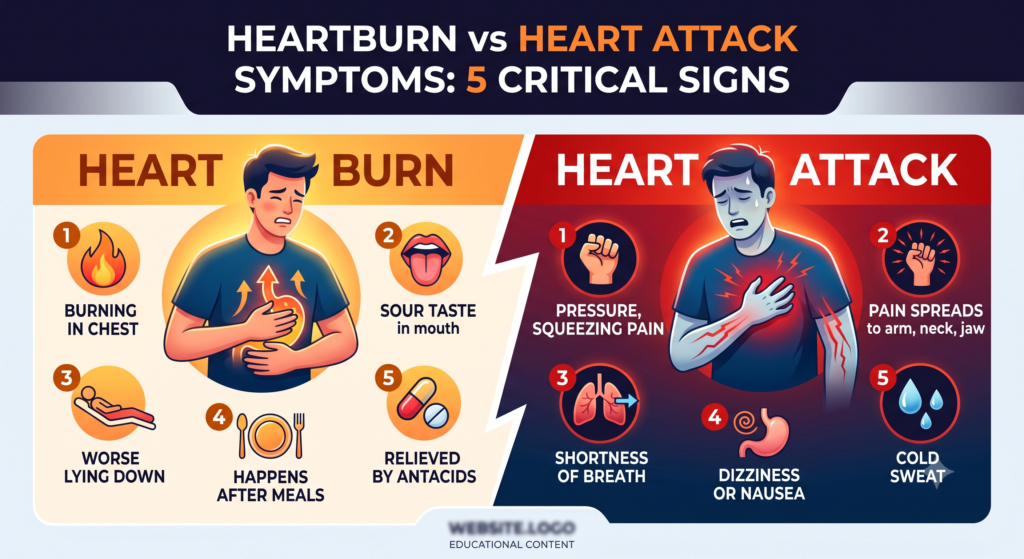
Chest pain can be very frightening. Therefore, you must act fast. Knowing the difference between heartburn vs heart attack symptoms is essential. However, telling them apart is tricky. Heartburn happens in your digestive system. Conversely, a heart attack is a severe cardiac issue. Because of this, confusion is highly dangerous. Dr. Vedprakash wants you to stay safe. Let us explore these vital differences together. Understanding Heartburn vs Heart Attack Symptoms Firstly, both conditions cause chest pain. Thus, people often panic immediately. Heartburn vs heart attack symptoms share some common similarities. For example, both can cause a burning feeling. Additionally, both can radiate upwards. However, the root causes are completely different. Acid reflux causes simple heartburn. Meanwhile, blocked arteries cause heart attacks. Therefore, getting the right diagnosis is incredibly crucial. 1. The Location of the Pain Usually, heartburn starts lower down. Specifically, it begins in the stomach area. Then, it slowly moves up to the throat. In contrast, a heart attack feels different. Typically, the pain sits deep inside the chest. Often, it stays perfectly centered. Furthermore, heart pain spreads quickly. For instance, it can reach your left arm. Also, it might travel directly to your jaw. 2. How the Pain Actually Feels Describing the pain helps immensely. Normally, heartburn is just a burning sensation. Occasionally, it feels like a sharp sting. Conversely, heart attacks feel like immense pressure. Many patients describe an elephant sitting on them. Consequently, they feel squeezed tightly. Moreover, evaluating heartburn vs heart attack symptoms requires focus. Burning usually means stomach acid. Squeezing typically means a severe heart issue. 3. Watch for Other Physical Signs Heartburn rarely causes full-body symptoms. Usually, you only get a sour taste. Sometimes, you might burp frequently after eating. However, heart attacks bring severe physical changes. For example, you might start sweating heavily. Suddenly, you feel incredibly dizzy. Additionally, extreme shortness of breath is common. Therefore, these extra signs are massive red flags. Never ignore sudden, severe nausea. 4. Pay Attention to Triggers Timing offers huge diagnostic clues. Often, heartburn happens right after eating. Especially, spicy or fatty foods trigger it quickly. Furthermore, lying down makes heartburn worse. Consequently, bending over causes more burning. This happens because stomach acid moves upward naturally. On the other hand, heart attacks happen anytime. Sometimes, they start after heavy exercise. Yet, they can also happen while resting completely. 5. Response to Quick Medication Testing a basic antacid can help. Usually, antacids quickly relieve simple heartburn. Because they neutralize the stomach acid instantly. However, antacids do absolutely nothing for heart attacks. Therefore, if chest pain remains, seek immediate help. Checking heartburn vs heart attack symptoms saves lives. In short, do not wait too long. If medication fails, assume the worst scenario. Taking quick emergency action is always the best choice. When to Call Dr. Vedprakash Ultimately, self-diagnosis is very risky. Therefore, always consult a medical professional. Dr. Vedprakash specializes in comprehensive, advanced heart care. If you feel unsure, call emergency services immediately. Better safe than sorry. Afterward, schedule a full cardiac checkup. Finally, understanding heartburn vs heart attack symptoms is vital. Visit Dr-vedprakash.com for more expert medical advice. Protect your heart health today.

Scroll to Top