 What Is Aortic Dissection?
Aortic Dissection Treatment is a life-saving medical approach used to repair a tear in the wall of the aorta, the body’s largest artery. Because the aorta supplies oxygen-rich blood to every organ, any tear can quickly become a medical emergency.
When the inner layer of the aorta tears, blood enters the vessel wall and separates its layers. Therefore, blood flow to the brain, heart, kidneys, or other organs may be reduced or completely blocked.
However, early diagnosis and timely Aortic Dissection Treatment can significantly improve survival rates. Above all, seeking emergency medical care at the first sign of symptoms is essential.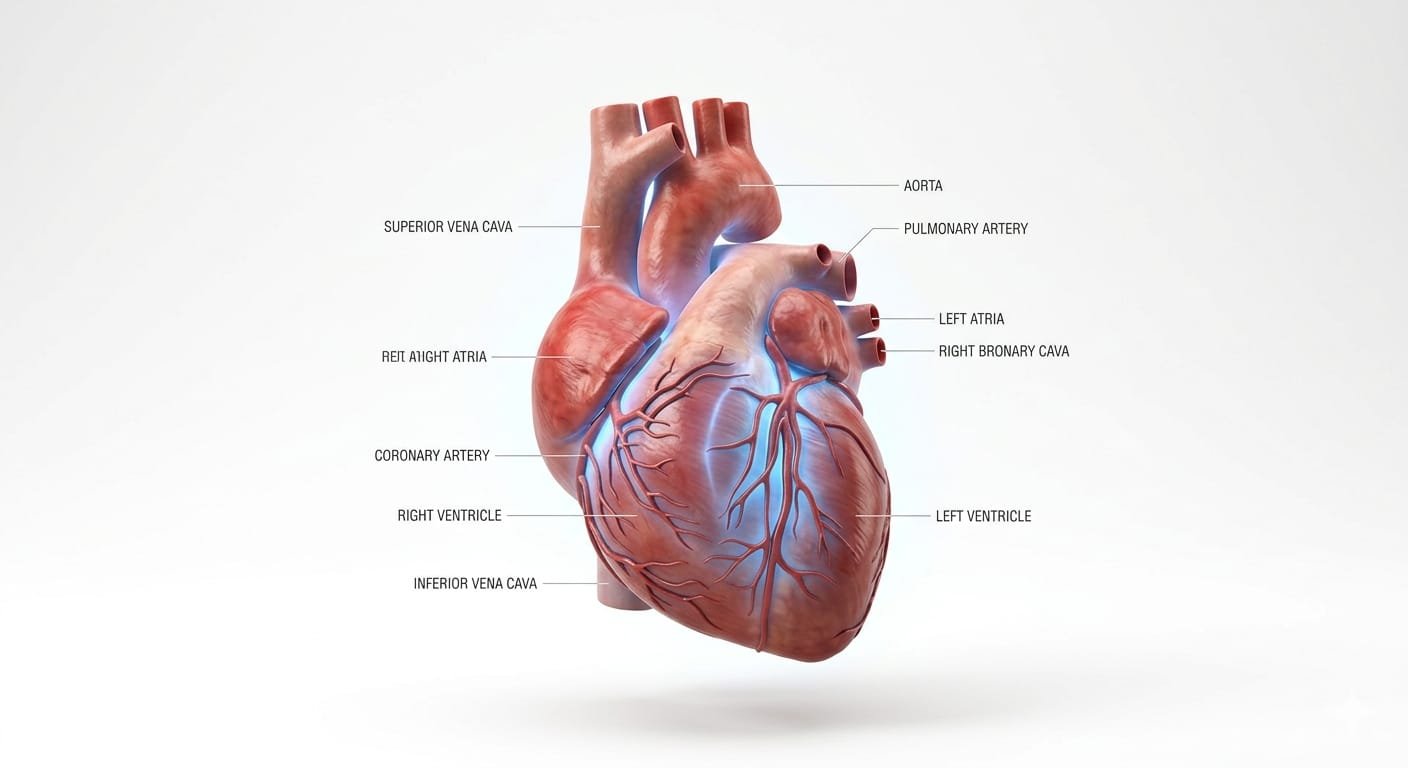
Causes and Risk Factors
Several conditions increase the risk of developing an aortic dissection.
Common risk factors include:
- High blood pressure
- Atherosclerosis
- Connective tissue disorders such as Marfan syndrome
- Bicuspid aortic valve
- Previous heart surgery
- Chest trauma
- Smoking
- Increasing age
- Family history of aortic disease
Moreover, uncontrolled hypertension remains the most common cause worldwide. Because high blood pressure weakens the artery wall over time, it greatly increases the likelihood of a tear.
Maintaining healthy blood pressure can reduce this risk significantly.
Symptoms That Need Immediate Attention
Recognizing symptoms quickly can save a life.
Common symptoms include:
- Sudden severe chest pain
- Sharp tearing pain in the back
- Pain spreading to the neck or jaw
- Difficulty breathing
- Fainting
- Weak pulse in one arm
- Sudden weakness or paralysis
- Loss of consciousness
However, symptoms may sometimes resemble a heart attack. Therefore, emergency evaluation is necessary whenever severe chest pain occurs.
Never delay medical attention.
Diagnosis of Aortic Dissection
Doctors use several advanced investigations to confirm the diagnosis.
These include:
- CT Angiography
- MRI Scan
- Echocardiography (TEE)
- Chest X-ray
- Blood Tests
- ECG to rule out heart attack
Furthermore, CT angiography is usually the fastest and most accurate imaging technique during emergencies.
Once confirmed, doctors classify the condition according to the affected portion of the aorta.
Aortic Dissection Treatment Options
Emergency Medical Management
The first goal is stabilizing blood pressure and heart rate.
Doctors commonly administer:
- Beta blockers
- Pain medications
- Blood pressure lowering drugs
Because lowering blood pressure reduces stress on the damaged aorta, it helps prevent further tearing.
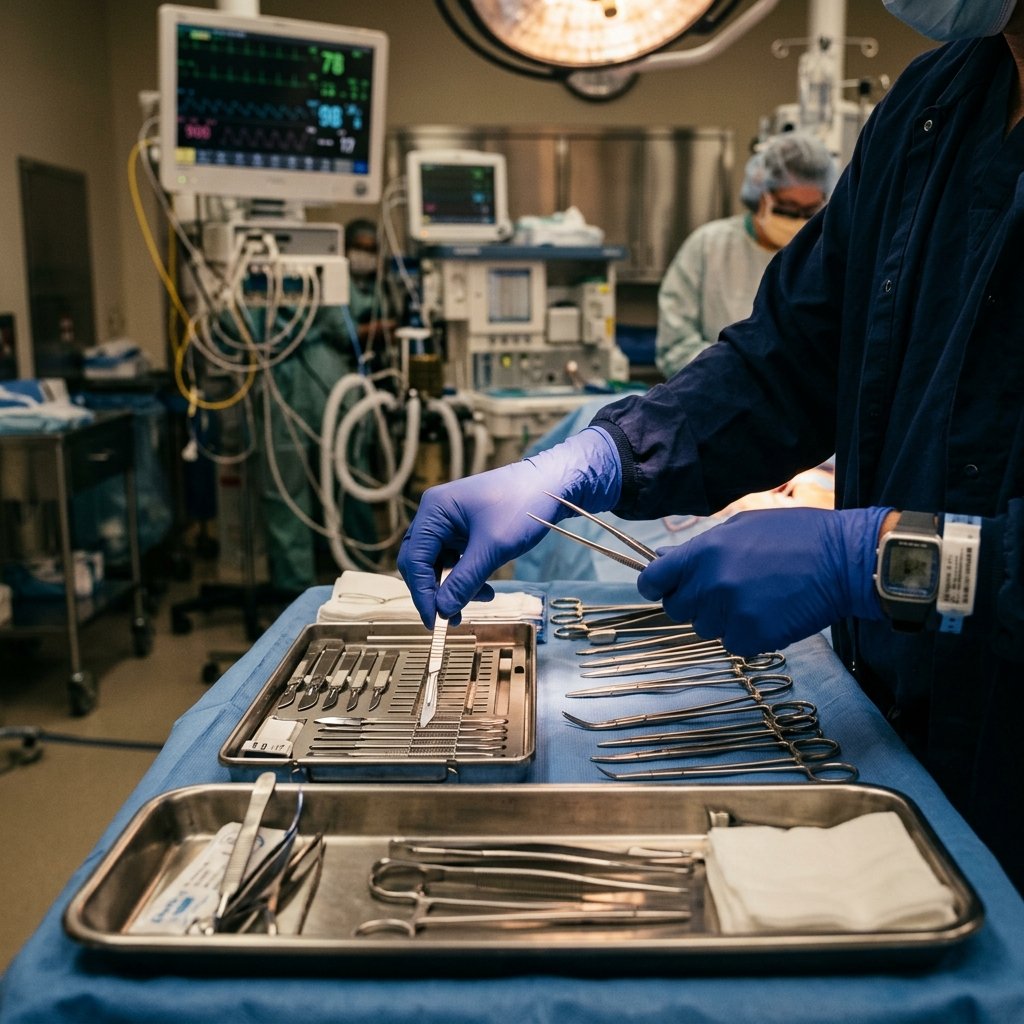
Aortic Dissection Treatment Through Surgery
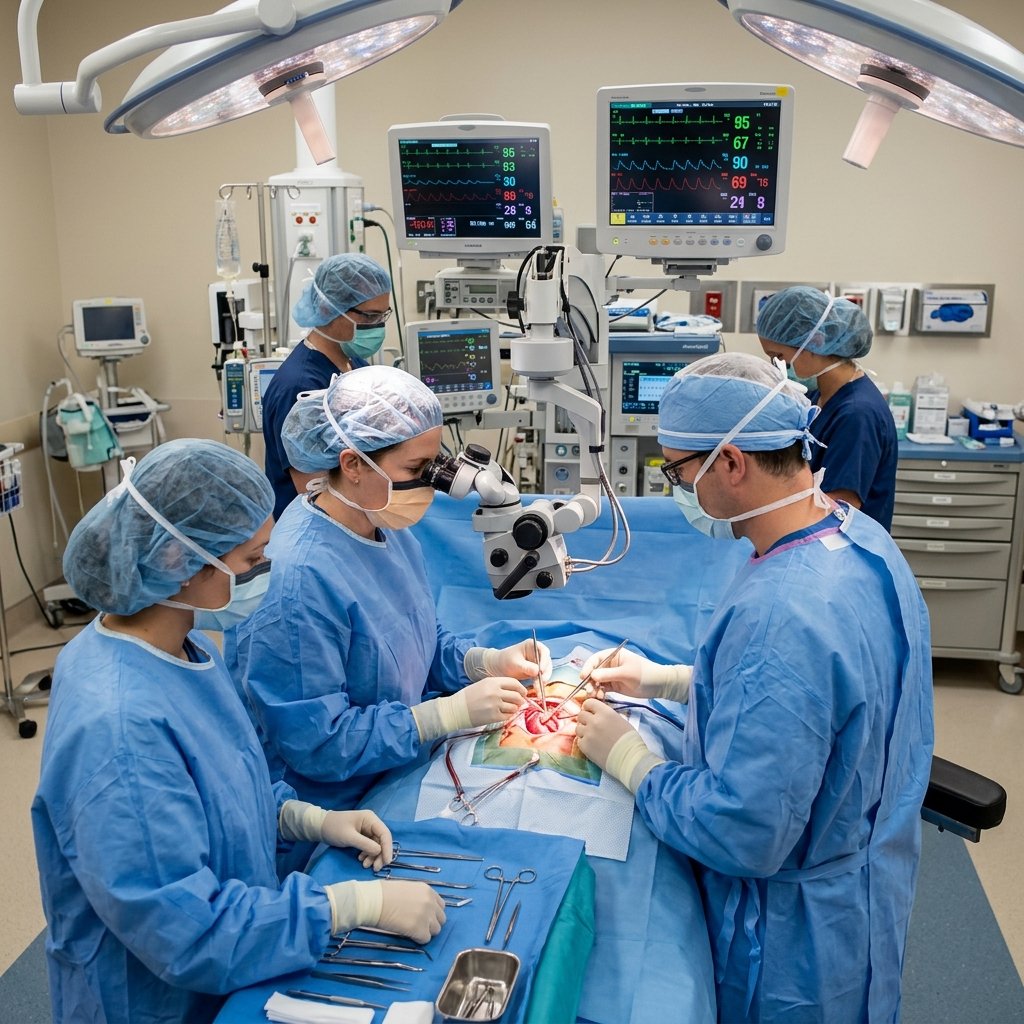
Patients with Type A aortic dissection usually require emergency surgery.
The procedure may include:
- Removing the torn section
- Replacing the damaged aorta with a synthetic graft
- Repairing or replacing the aortic valve
- Coronary artery bypass if necessary
However, experienced cardiac surgeons achieve excellent outcomes with timely intervention.
Early surgery saves lives.
Endovascular Repair (TEVAR)
Type B dissections may sometimes be treated using minimally invasive techniques.
During TEVAR:
- A catheter is inserted through the groin.
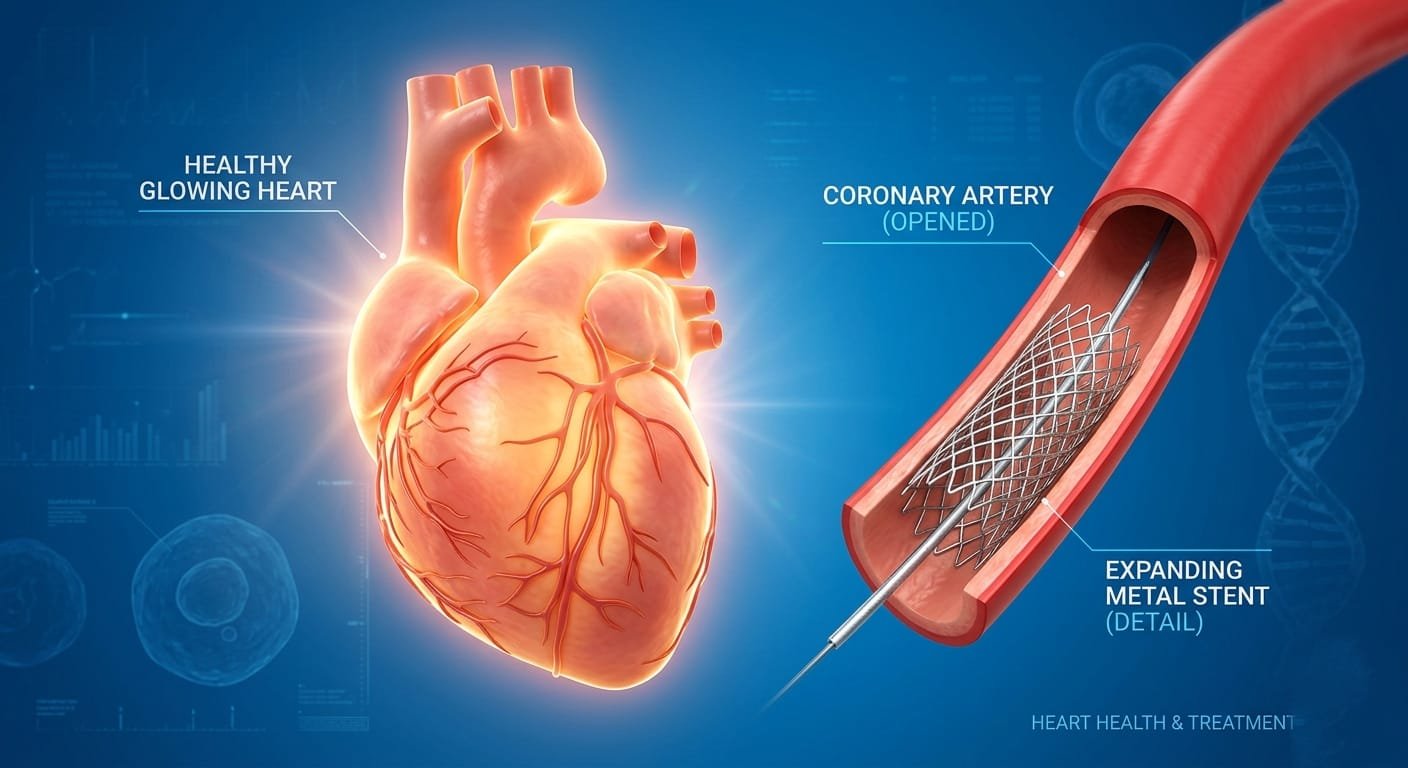
- A covered stent graft is placed inside the aorta.
- Blood flow is redirected.
- The torn area is sealed.
Moreover, recovery after TEVAR is generally faster than open surgery.
Recovery After Aortic Dissection Treatment
Recovery varies depending on the severity of the condition and the treatment performed.
Patients usually require:
- Intensive care monitoring
- Blood pressure control
- Cardiac rehabilitation
- Regular follow-up scans
- Healthy lifestyle modifications
Furthermore, complete recovery may take several weeks or months.
Patients should avoid heavy lifting during the early healing phase.
Most importantly, lifelong monitoring is recommended because the remaining aorta must be checked regularly.
7 Proven Recovery Tips
- Control blood pressure daily.
- Take medications exactly as prescribed.
- Stop smoking permanently.
- Follow a heart-healthy diet.
- Walk regularly after medical clearance.
- Attend every follow-up appointment.
- Manage stress through healthy activities.
Because these habits reduce strain on the heart and arteries, they improve long-term outcomes.

How Can You Prevent Future Complications?
Although not every case can be prevented, healthy lifestyle choices lower future risk.
Recommended habits include:
- Maintain healthy blood pressure
- Exercise regularly
- Eat fruits and vegetables
- Reduce salt intake
- Control cholesterol
- Avoid tobacco
- Maintain healthy weight
- Sleep adequately
- Manage diabetes
- Schedule routine cardiac evaluations
In addition, patients with connective tissue disorders should undergo regular imaging as advised by their specialist.
Why Choose Dr. Vedprakash?
Choosing an experienced cardiac surgeon is essential for achieving the best possible outcome.
Dr. Vedprakash provides comprehensive evaluation and advanced cardiac surgical care for complex heart diseases, including Aortic Dissection Treatment. Every patient receives individualized treatment planning, advanced diagnostic evaluation, evidence-based surgical care, and structured follow-up.
Moreover, timely intervention, compassionate care, and modern surgical techniques help improve recovery and long-term quality of life.
If you experience sudden severe chest or back pain, seek emergency medical attention immediately. Early diagnosis and prompt treatment can make the difference between life and death.

Conclusion
Aortic Dissection Treatment is a medical emergency that requires rapid diagnosis and expert management. However, advances in cardiac surgery and endovascular techniques have significantly improved survival and recovery.
Therefore, understanding the symptoms, seeking immediate medical attention, and following a structured recovery plan are essential. Furthermore, regular follow-up, healthy lifestyle changes, and expert care from Dr. Vedprakash can help patients achieve better long-term heart health.