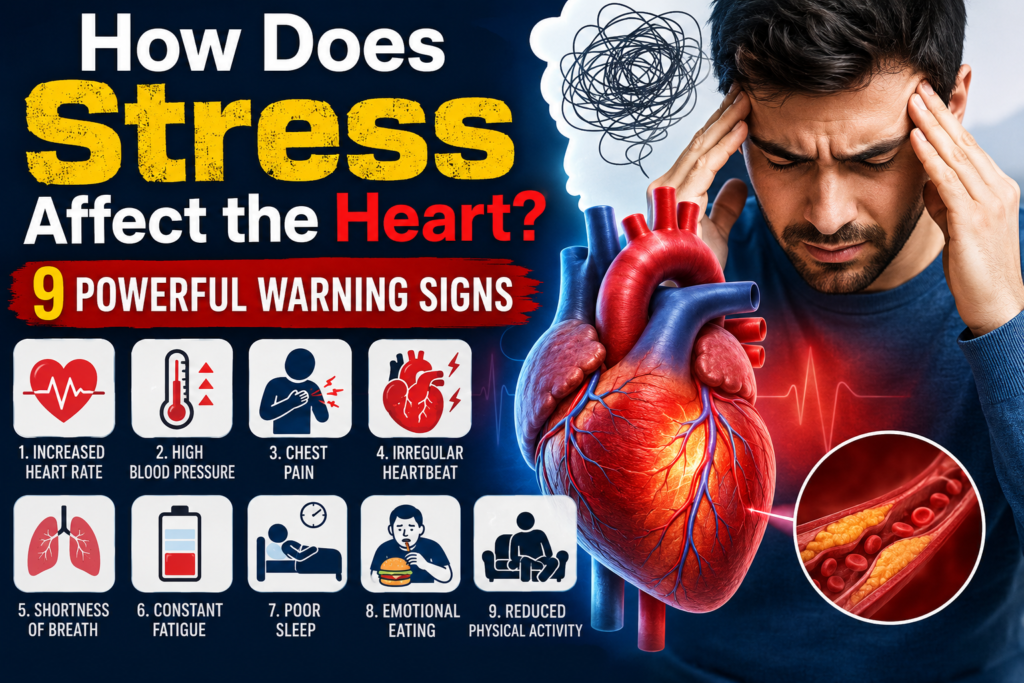
How Does Stress Affect the Heart? 9 Powerful Warning Signs
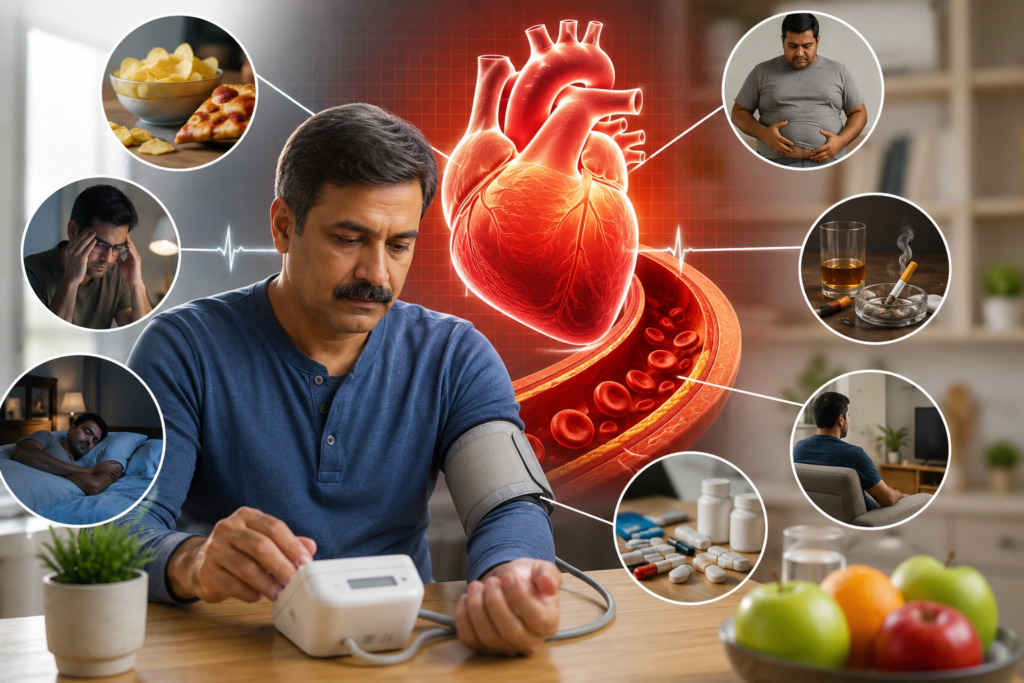
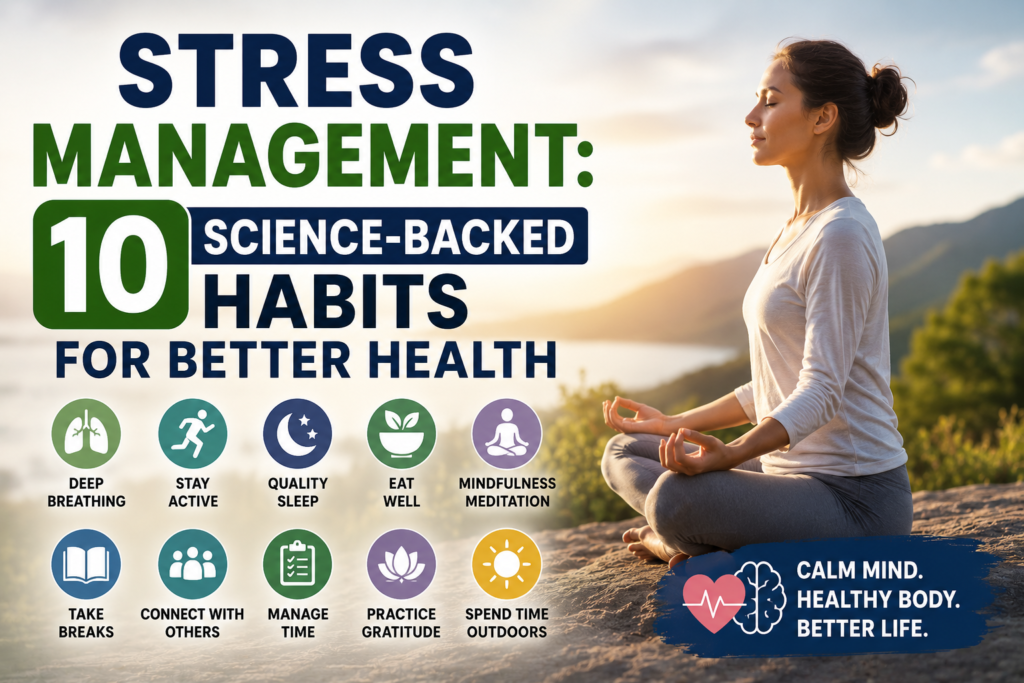
How does stress affect the heart? This is a common question among people who experience chest discomfort, a racing heartbeat, or high blood pressure during stressful situations. Stress is your body’s natural response to challenges. Short-term stress is normal and can even help you react quickly. However, chronic stress keeps your body in a constant state of alert. As a result, your heart works harder than it should. Many people do not realize how does stress affect the heart until symptoms begin to appear. According to Dr. Vedprakash, managing stress early can help reduce the risk of heart disease and improve overall health. Fortunately, simple lifestyle changes can make a significant difference. Understanding how does stress affect the heart is the first step toward protecting your cardiovascular health. H2: How Does Stress Affect the Heart? Many people wonder, how does stress affect the heart during daily life. The answer lies in your body’s natural stress response. Whenever you feel stressed, your brain releases hormones like adrenaline and cortisol. These hormones prepare your body for action. As a result, your heart beats faster. Your blood pressure also rises to pump more blood throughout the body. Although this response is helpful during emergencies, long-term stress keeps these hormones elevated. Consequently, your heart continues working harder every day. Research shows that how does stress affect the heart depends on both the intensity and duration of stress. Chronic stress can damage blood vessels, increase inflammation, and contribute to heart disease. Therefore, learning healthy ways to manage stress is essential for long-term heart health. H2: 9 Powerful Warning Signs of Stress Affecting Your Heart Understanding how does stress affect the heart also means recognizing early warning signs. Your body often gives clues before serious heart problems develop. H3: 1. Increased Heart Rate Stress hormones make your heart beat faster. You may notice a pounding heartbeat even while resting. If your heart rate increases frequently without exercise, speak with your doctor. H3: 2. High Blood Pressure One way how does stress affect the heart is by increasing blood pressure. Short-term increases are normal. However, repeated stress can contribute to chronic hypertension. Over time, high blood pressure damages your arteries and increases the risk of heart disease. H3: 3. Chest Pain Stress can tighten chest muscles and reduce blood flow. As a result, some people experience chest pain during emotional stress. Never ignore chest pain because it may also signal a heart attack. H3: 4. Irregular Heartbeat Many people notice heart palpitations during stressful moments. This is another example of how does stress affect the heart. Although occasional palpitations are common, frequent episodes require medical evaluation. H3: 5. Shortness of Breath Stress and anxiety can make breathing feel difficult. Rapid breathing also forces your heart to work harder. If shortness of breath happens often, consult a healthcare professional. H3: 6. Constant Fatigue Another way how does stress affect the heart is by causing ongoing fatigue. When stress hormones stay elevated, your body uses more energy. As a result, you may feel tired even after a full night’s sleep. Persistent fatigue can also reduce physical activity, which further increases heart disease risk. H3: 7. Poor Sleep Poor sleep and chronic stress often go hand in hand. When you do not sleep well, stress hormone levels remain high. Consequently, how does stress affect the heart becomes even more noticeable. Quality sleep helps your heart recover and keeps blood pressure under control. H3: 8. Emotional Eating Many people eat unhealthy foods when they feel stressed. This habit increases cholesterol, blood sugar, and body weight. Therefore, it is another example of how does stress affect the heart over time. Choosing nutritious meals supports both mental and heart health. H3: 9. Reduced Physical Activity Stress often lowers motivation to exercise. Less movement weakens the heart and increases cardiovascular risk. In addition, inactivity can lead to weight gain and high blood pressure. Staying active is one of the best ways to reduce stress naturally. H2: Why Chronic Stress Is Dangerous for Your Heart Understanding how does stress affect the heart requires looking at the long-term effects of chronic stress. Long-lasting stress increases inflammation throughout the body. It also raises blood pressure, blood sugar, and cholesterol levels. These changes damage blood vessels and reduce healthy blood flow. Consequently, the risk of heart attack, stroke, and heart failure becomes much higher. Furthermore, stress often leads to unhealthy habits like smoking, overeating, poor sleep, and alcohol use. Together, these habits place additional strain on the heart. H2: Who Is at Higher Risk? Although anyone can experience stress, how does stress affect the heart varies from person to person. The following groups have a higher risk: People with high blood pressure Individuals with diabetes Smokers Adults with obesity People with high cholesterol Those who sleep less than seven hours Individuals with demanding jobs People living with anxiety or depression Adults with a family history of heart disease Recognizing these risk factors allows early prevention and better heart health. H2: How to Reduce Stress and Protect Your Heart Fortunately, knowing how does stress affect the heart also helps you prevent future problems. Healthy daily habits can lower stress hormones and improve cardiovascular health. Follow these simple tips: Exercise for at least 30 minutes most days. Practice deep breathing or meditation. Sleep for 7–9 hours every night. Eat plenty of fruits and vegetables. Reduce processed foods and sugary drinks. Limit caffeine intake. Avoid smoking and tobacco. Stay connected with family and friends. Take regular breaks from work. Visit your doctor for routine heart checkups. Even small lifestyle changes can produce long-term heart benefits. H2: When Should You See a Doctor? If you notice symptoms and wonder how does stress affect the heart, do not ignore warning signs. Seek immediate medical care if you experience: Severe chest pain Difficulty breathing Pain spreading to the arm, jaw, or back Fainting Persistent heart palpitations Sudden dizziness Cold sweats with chest discomfort Early diagnosis greatly improves treatment outcomes and reduces complications. H2: