Uncategorized

Cardiac Care in Noida
Uncategorized

Cardiac Care in Noida: 5 Proven Facts on Dr. Ved Prakash

Seeking the best cardiac care in Noida? Discover 5 proven reasons why Dr. Ved Prakash is your top choice for expert, compassionate heart treatments. Table of Contents Introduction to Heart Health Reason 1: Unmatched Medical Expertise Reason 2: Advanced Diagnostic Technology Reason 3: A Patient-Centric Approach Reason 4: Comprehensive Treatment Options Reason 5: High Success Rates and Reviews The Importance of Preventive Cardiology Why Location Matters for Treatment Frequently Asked Questions (FAQs) Final Thoughts and Conclusion Introduction to Heart Health Cardiac Care in Noida is a critical topic for many families today. Therefore, finding the right doctor is absolutely essential. Heart health requires expert attention immediately. Consequently, you cannot compromise on the quality of your cardiologist. Dr. Ved Prakash stands out in this medical field. In fact, he is highly respected by his peers. Furthermore, patients constantly praise his dedication. Heart conditions can be very frightening. However, the right medical guidance makes everything easier. Thus, selecting a trusted specialist is your first step toward recovery. Moreover, Noida has become a massive hub for healthcare. Many hospitals offer various treatments. Yet, personalized attention is sometimes missing. Fortunately, Dr. Ved Prakash bridges this gap perfectly. He combines top-tier medical knowledge with genuine empathy. Additionally, his clinic at dr-vedprakash.com provides extensive resources. Below, we will explore exactly why he is highly recommended. Specifically, we will look at five distinct reasons. As a result, you will feel confident in your healthcare decision. Reason 1: Unmatched Medical Expertise First and foremost, experience matters greatly in medicine. Dr. Ved Prakash possesses years of intensive clinical experience. Therefore, he understands complex heart conditions deeply. He has treated thousands of patients successfully. Furthermore, his educational background is truly stellar. He trained at some of the best medical institutions. Consequently, his foundational knowledge is incredibly strong. In addition, the field of cardiology changes rapidly. New medications are discovered every single year. New surgical techniques are also constantly developed. However, Dr. Ved Prakash always stays updated. He regularly attends medical conferences. Moreover, he studies the latest clinical trials. Thus, his patients always receive modern treatments. When it comes to Cardiac Care in Noida, expertise is non-negotiable. An expert can spot subtle warning signs quickly. For example, a minor chest pain could mean many things. It might simply be acid reflux. On the other hand, it could signal a blocked artery. Thankfully, an experienced doctor knows the exact difference. They do not guess. Instead, they rely on solid medical evidence. Additionally, Dr. Ved Prakash handles emergencies with great calm. Heart attacks require rapid, precise decisions. During these critical moments, his vast experience saves lives. Therefore, you are always in safe hands. Reason 2: Advanced Diagnostic Technology Second, proper treatment always begins with proper diagnosis. You cannot treat what you cannot see. Therefore, modern diagnostic tools are strictly necessary. Dr. Ved Prakash utilizes the best technology available today. Consequently, his diagnoses are incredibly accurate. For instance, his clinic uses advanced Echocardiography machines. These machines use sound waves to create heart images. Furthermore, they show how well blood is pumping. Additionally, he utilizes modern Treadmill Tests (TMT). This test checks how your heart handles stress. Sometimes, a heart looks fine while resting. However, problems appear during physical exercise. Thus, a TMT is a very vital tool. Moreover, he offers 24-hour Holter monitoring. This device records your heart rhythm continuously. It helps detect irregular heartbeats easily. In addition, accurate diagnostics prevent unnecessary surgeries. Nobody wants to undergo a procedure they do not need. Therefore, precise testing is truly a blessing. When searching for the finest Cardiac Care in Noida, check the equipment. Outdated machines often give unclear results. Conversely, modern technology provides crystal-clear data. Dr. Ved Prakash understands this completely. As a result, he continuously upgrades his medical facility. Ultimately, this investment directly benefits every single patient. Reason 3: A Patient-Centric Approach Third, bedside manner is incredibly important for healing. Many doctors are smart but lack empathy. However, Dr. Ved Prakash is entirely different. He truly listens to his patients. First, he lets you explain your symptoms fully. He never rushes you out of the room. Second, he answers all your questions patiently. Therefore, you never feel ignored or dismissed. Furthermore, medical jargon can be very confusing. Words like “ischemia” or “arrhythmia” scare people. Fortunately, he explains everything in simple terms. He ensures you understand your condition completely. Additionally, he explains all the available treatment options. He discusses the risks and benefits openly. Consequently, you can make informed decisions together. This patient-centric method defines excellent Cardiac Care in Noida. In addition, he considers your lifestyle and budget. Not every patient can afford expensive treatments. Therefore, he suggests cost-effective alternatives when possible. He also respects your personal preferences and fears. Moreover, his clinic staff is highly trained. From the reception to the nurses, everyone is kind. They guide you through the appointment process smoothly. Thus, your stress levels remain very low. A calm mind definitely aids physical recovery. Ultimately, this compassionate environment speeds up the healing process. Reason 4: Comprehensive Treatment Options Fourth, a top cardiologist must offer a wide range of treatments. Heart disease is not a single illness. It actually includes many different conditions. Fortunately, Dr. Ved Prakash handles a massive variety of issues. Therefore, you do not need to visit multiple doctors in Cardiac Care in Noida . You can find all solutions under one roof. Here are some specific areas he covers: Preventive Cardiology: Stopping diseases before they start. Hypertension Management: Controlling high blood pressure effectively. Cholesterol Control: Lowering bad cholesterol levels safely. Arrhythmia Treatment: Fixing irregular heartbeats with medication or devices. Coronary Artery Disease: Opening blocked arteries carefully. Furthermore, he is highly skilled in interventional procedures. For example, he performs angiographies to find blockages. If he finds a severe blockage, he can perform an angioplasty. During this procedure, he inserts a tiny balloon to open the artery. Then, he places a stent to keep it open. Consequently, blood flows normally again. Additionally, he manages pacemaker implantations. A pacemaker helps

Best Cardiac Surgeon in Noida
Uncategorized

Best Cardiac Surgeon in Noida: 10 Critical Questions

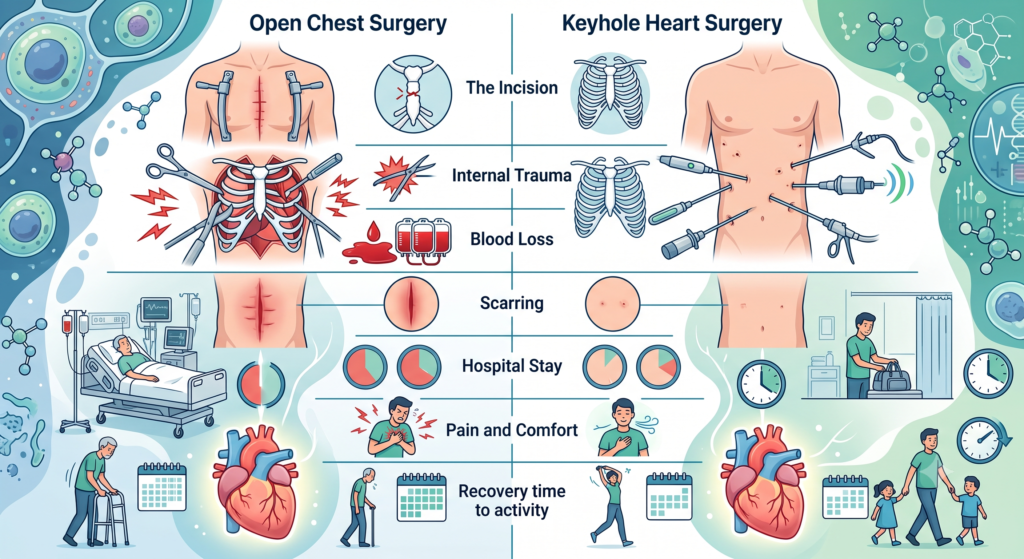
Consulting the best cardiac surgeon in Noida? Here are 10 vital questions to ask before heart surgery to ensure your safety and peace of mind. Finding the Best Cardiac Surgeon in Noida Finding the best cardiac surgeon in Noida is the most important step you will take for your heart health. Heart surgery is a major medical event. Therefore, you must feel completely confident in your medical team. Furthermore, choosing the right specialist can drastically improve your recovery time. Consequently, many patients feel overwhelmed when scheduling their first consultation. However, preparation is the key to peace of mind. Specifically, asking the right questions helps you understand your diagnosis. In addition, it clarifies the surgical process. Therefore, we have compiled this comprehensive guide. It will help you navigate your upcoming appointment. Because your health matters, you must ask these crucial questions. Table of Contents:- Why Asking Questions Matters Questions About Surgeon Experience Questions About the Procedure Questions About Risks and Recovery Consulting the Best Cardiac Surgeon in Noida Conclusion Why Asking Questions Matters Patients who ask questions to best cardiac surgeon in Noida experience less anxiety. Moreover, they recover faster. Therefore, you must speak up during your appointment. However, many people hesitate to question medical authority. Consequently, they leave the clinic feeling confused. Instead, view your consultation as a partnership. For instance, Dr. Ved Prakash encourages open dialogue with all patients. Furthermore, understanding your treatment plan is your fundamental right. Because knowledge is power, you should arrive prepared. In addition, taking notes is highly recommended. Let us review the ten essential questions you must ask. Questions About Surgeon Experience Your surgeon’s background dictates your surgical outcome. Therefore, you must verify their specific expertise. 1. How many times have you performed this specific surgery? Experience directly correlates with success rates. Therefore, you need a highly practiced hand. Specifically, ask about your exact procedure type. For example, bypass surgery is different from valve replacement. Furthermore, the best cardiac surgeon in Noida will gladly share their case numbers. 2. What are your specific success and complication rates? Every surgery carries inherent risks. However, top surgeons minimize these risks effectively. Therefore, request their personal complication statistics. In addition, compare these to national averages. Because transparency builds trust, a good doctor will not hide this data. The American Heart Association states that understanding these rates is vital for patient safety. 3. Are you board-certified in cardiothoracic surgery? Certification proves specialized, rigorous medical training to be the best cardiac surgeon in Noida. Therefore, this is a non-negotiable requirement. Furthermore, it ensures the surgeon stays updated on modern techniques. Consequently, you should always verify their professional credentials. In addition, ask about their continued medical education. Questions About the Procedure Understanding the mechanics of your surgery reduces fear. Therefore, demand clear, simple explanations. 4. Are there minimally invasive options available for me? Minimally invasive surgery requires much smaller incisions. Therefore, it leads to less pain. Furthermore, it guarantees a much faster recovery. However, not every patient qualifies for this approach. Consequently, you must ask if you are a suitable candidate. Because technology advances rapidly, newer options might exist. 5. What exactly will happen during the operation? You deserve a step-by-step breakdown of the event. Therefore, ask your surgeon to explain the process simply. Furthermore, visual aids or diagrams can be very helpful. In addition, knowing the duration of the surgery is important. Consequently, you can mentally prepare for the surgical day. 6. Will I need a heart-lung machine during the procedure? Many traditional bypass surgeries utilize a heart-lung machine. However, some procedures are performed “off-pump” while the heart beats. Therefore, ask which method your surgeon recommends. Furthermore, inquire why they prefer that specific technique. Because each method has different recovery implications, you need this information. Questions About Risks and Recovery The post-operative period requires significant planning. Therefore, you must understand what to expect. 7. What are the major risks associated with this surgery? All medical interventions involve potential complications. For instance, bleeding, infection, and stroke are possible risks. However, knowing the risks helps you monitor for symptoms later. Therefore, ask your surgeon to list the most common issues. Furthermore, ask how they plan to prevent them. 8. How long will I remain in the intensive care unit (ICU)? ICU time varies based on surgical complexity. Therefore, get an estimated timeline for your specific case. Furthermore, ask about the criteria for moving to a regular room. Because the ICU can be stressful, setting expectations helps your family. In addition, ask about visiting hours for your loved ones. Asked to best cardiac surgeon in Noida. 9. What will my recovery timeline look like at home? Healing continues long after you leave the hospital. Therefore, you need a realistic home recovery timeline. Specifically, ask when you can resume driving. Furthermore, inquire about returning to work and regular exercise. Because pushing yourself too early is dangerous, you need strict guidelines. 10. Will I need cardiac rehabilitation after I heal? Cardiac rehabilitation strengthens your heart safely. Therefore, it is often a crucial part of recovery. Furthermore, it provides supervised exercise and dietary counseling. Consequently, ask if they will prescribe a specific program. In addition, ask where you can access these rehabilitation services. Consulting the Best Cardiac Surgeon in Noida Choosing the right medical professional changes everything. Therefore, take your time evaluating your options. Because your heart is your most vital organ, do not rush the decision. Furthermore, seeking a second opinion is perfectly acceptable. In fact, the best cardiac surgeon in Noida will encourage you to do so. If you feel comfortable, respected, and heard, you have found the right doctor. Conversely, if you feel rushed, keep looking. Therefore, trust your instincts during the consultation process. Conclusion Preparing for heart surgery is one of the most challenging experiences a patient can face. However, asking these ten essential questions is a powerful way to regain control over your health journey. By participating in your medical consultations, you transform into an informed partner in your

Uncategorized

Lower Heart Disease Risk: 5 Proven Steps to Health

Heart health is incredibly important for a long, vibrant life. Therefore, you must take action to lower heart disease risk proactively. Cardiovascular issues remain a leading global health concern today. However, you possess the ultimate power to change your medical future. Dr. Ved Prakash strongly advocates for early, aggressive prevention strategies. Consequently, making small lifestyle changes today brings massive benefits tomorrow. Furthermore, taking consistent action early prevents severe complications down the road. Below, we will explore five highly effective, scientifically backed methods. Importantly, these specific steps are simple to integrate into your daily routine. Thus, you can begin your journey to better health immediately. Table of Contents Sr. No. Title How to Lower Heart Disease Risk Effectively         1 Adopt a Heart-Healthy Diet         2 Commit to Regular Physical Activity         3 Manage Your Daily Stress Levels         4 Schedule Routine Medical Screenings         5 Eliminate Harmful Toxins and Smoking Take Charge of Your Cardiovascular Health How to Lower Heart Disease Risk Effectively Adopt a Heart-Healthy Diet Commit to Regular Physical Activity Manage Your Daily Stress Levels Schedule Routine Medical Screenings Eliminate Harmful Toxins and Smoking Take Charge of Your Cardiovascular Health How to Lower Heart Disease Risk Effectively Understanding your body is the first vital step toward longevity. Consequently, education empowers you to make smarter daily choices. Many patients ignore subtle warning signs until a crisis occurs. However, you can choose to be a highly proactive patient. To successfully lower heart disease risk, you must embrace a holistic approach. Therefore, treating your entire body improves your specific cardiac outcomes. Dr. Ved Prakash frequently reminds patients that consistency beats perfection. Let us break down the exact steps you need to take. Accordingly, implementing these strategies will transform your physical well-being. 1. Adopt a Heart-Healthy Diet Proper nutrition acts as medicine for your cardiovascular system. Therefore, eating well is absolutely critical for long-term survival. Specifically, you should focus on consuming whole, unprocessed foods daily. Furthermore, leafy greens deeply protect your arteries from harmful plaque. Consequently, a colorful plate reduces dangerous inflammation inside your body. To lower heart disease risk, you must prioritize lean proteins entirely. Eat more: Berries, spinach, salmon, walnuts, and oats. Eat less: Fried foods, sugary drinks, and processed meats. Additionally, reducing your sodium intake lowers your overall blood pressure. Therefore, replacing salt with fresh herbs makes meals safer and tastier. 2. Commit to Regular Physical Activity Exercise acts as a powerful, natural shield for your heart. Consequently, keeping your body moving strengthens your cardiac muscles significantly. The American Heart Association recommends at least 150 minutes of weekly activity. Importantly, you do not need to run grueling, exhausting marathons. Instead, brisk walking provides incredible, life-saving cardiovascular benefits. Furthermore, swimming or cycling keeps your blood flowing smoothly. To lower heart disease risk, simply stay active every single day. Therefore, taking the stairs instead of the elevator helps immensely. Ultimately, any movement is drastically better than remaining sedentary. 3. Manage Your Daily Stress Levels Chronic stress quietly destroys your vital cardiovascular system over time. Consequently, high anxiety spikes your dangerous cortisol and adrenaline levels. Furthermore, persistent tension forces your heart to work much harder. Therefore, finding daily peace is a medical necessity, not a luxury. Luckily, simple breathing exercises can instantly calm your nervous system. Additionally, dedicating time to your favorite hobbies reduces mental strain. To effectively lower heart disease risk, you must prioritize deep relaxation. Thus, practicing yoga or meditation yields fantastic medical results. 4. Schedule Routine Medical Screenings You cannot fix a medical problem that you cannot see. Therefore, regular check-ups are absolutely mandatory for proactive patients. Importantly, high cholesterol and elevated blood pressure often show zero symptoms. Consequently, visiting a specialist like Dr. Ved Prakash saves lives. Regular blood tests reveal exactly what is happening inside your arteries. Furthermore, professional guidance helps you adjust your habits correctly. If you want to lower heart disease risk, never skip your appointments. Therefore, schedule your annual physical exam without any further delay. For expert care, you can confidently visit drvedprakash.com today. 5. Eliminate Harmful Toxins and Smoking Smoking is the fastest way to damage your delicate heart. Consequently, tobacco chemicals aggressively harden your vital arterial walls. Furthermore, vaping introduces unknown, dangerous toxins into your bloodstream. Therefore, quitting smoking is the best decision for your health. Fortunately, your body begins repairing itself almost immediately after you quit. Additionally, limiting your alcohol consumption protects your cardiac rhythm perfectly. To truly lower heart disease risk, you must purify your environment. Thus, replacing bad habits with healthy alternatives ensures a longer life. Take Charge of Your Cardiovascular Health Protecting your heart requires daily, mindful dedication to your health. However, the resulting energy and longevity are completely worth the effort. Therefore, implementing these five steps will radically transform your future. Always remember that expert help is available whenever you need it. Consequently, partnering with Dr. Ved Prakash ensures you receive top-tier guidance. Furthermore, his comprehensive team supports your wellness journey entirely. Take the first proactive step to lower heart disease risk today. Ultimately, your heart works tirelessly for you, so protect it fiercely. Visit drvedprakash.com right now to schedule your comprehensive health evaluation.

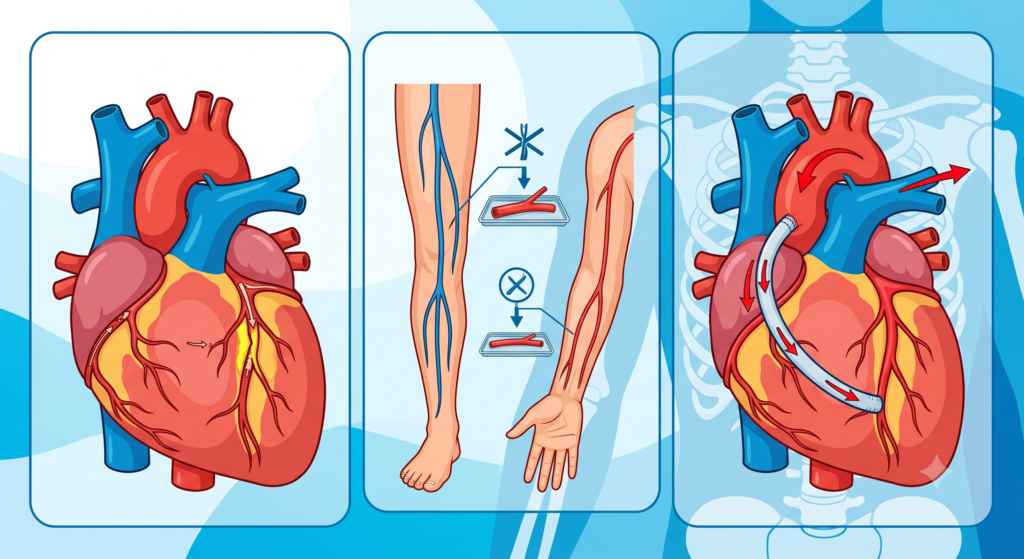
1.Managing Bypass Surgery Complications During Home Recovery
Uncategorized

Managing Bypass Surgery Complications During Home Recovery: 5 Tips by Dr. Ved Prakash

Undergoing any major bariatric or gastrointestinal procedure is a highly courageous and life-altering decision. The actual medical operation is only the first part of your journey to wellness. The most crucial phase of your transformation happens during your home recovery. Understanding how to properly handle your healing environment ensures you achieve the best possible long-term results. While the vast majority of patients heal perfectly, you must be prepared for potential bypass surgery complications. Recognizing early warning signs helps you act quickly and prevent minor issues from becoming dangerous. Knowledge is your best defense against unexpected health setbacks. By staying vigilant, you can protect your body as it adapts to its new digestive anatomy. Partnering with an experienced specialist is the ultimate key to a seamless recuperation process. Dr. Ved Prakash is a leading bariatric and gastrointestinal expert who prioritizes patient safety. Through his comprehensive platform at drvedprakash.com, patients receive unparalleled guidance and unwavering support. Having a trusted surgeon by your side drastically reduces the stress of your postoperative period. Recognizing Common Bypass Surgery Complications During the first few weeks of healing, your body will undergo significant physical changes. It is vital to differentiate between normal post-surgical discomfort and actual bypass surgery complications. Feeling tired or experiencing mild soreness around your incisions is completely normal. However, sudden spikes in pain or fever require immediate professional medical evaluation to rule out infections. One of the most frequent issues patients face is the dreaded dumping syndrome. This condition occurs when food moves too rapidly from your stomach into your small intestine. It causes uncomfortable symptoms like nausea, dizziness, sweating, and severe abdominal cramping. Identifying these triggers early allows you to modify your habits and continue a smooth home recovery. Wound infections are another risk factor that requires your constant daily attention. You must visually inspect your surgical incision sites every single day for redness or swelling. If you notice unusual discharge or a foul odor, you must contact your healthcare provider immediately. Quick medical intervention stops infections from spreading and jeopardizing your overall health. Never hesitate to reach out to a professional if something feels wrong in your body. Dr. Ved Prakash encourages all his patients to report unusual symptoms without delay. Timely communication with your surgical team is the smartest way to manage your health. Visiting drvedprakash.com provides access to emergency contact details and essential postoperative resources. Essential Tips for a Safe Healing Environment Creating a safe, stress-free living space is the absolute foundation of your healing journey. Before you even leave the hospital, your living area should be organized for comfort. You need to minimize physical strain and eliminate any tripping hazards around your house. Keep your essential medications, clean water, and emergency phone numbers within an arm’s reach. A structured daily routine helps your body establish a predictable and healthy healing rhythm. Strict adherence to your doctor’s advice will significantly lower your risk of bypass surgery complications. Remember that resting is just as important as the gentle physical activities you perform. Balance is the ultimate secret to bouncing back faster and stronger than before. Here is a checklist to maximize your safety during your home recovery: Strictly follow the customized dietary roadmap provided by your dedicated surgical team. Keep your surgical incision areas completely clean, dry, and free from tight clothing. Stay properly hydrated by taking small, frequent sips of water throughout the day. Engage in light, approved physical activities like slow, short walks around your living room. Attend all scheduled follow-up appointments with Dr. Ved Prakash to track your progress. Sticking meticulously to these fundamental recovery rules significantly reduces the chances of hospital readmission. Always listen to your body’s signals and never rush your personal healing timeline. Patience and consistency will reward you with a healthier, more energetic future. Dietary Adjustments for Better Healing Nutrition plays a monumental and undeniable role in your body’s ability to recover safely. After a gastric bypass, your entire digestive system is dramatically altered and highly sensitive. You must treat your stomach gently to avoid triggering painful bypass surgery complications. Introducing heavy or solid foods too early can damage your delicate surgical connections. Your dietary transition must be slow, starting with clear liquids and moving to pureed foods. Dr. Ved Prakash highly emphasizes prioritizing protein intake during the initial recovery phases. High-quality protein directly supports tissue repair and helps maintain your vital muscle mass. Proper nourishment accelerates your healing speed and gives you the daily energy you desperately need. You must strictly avoid high-sugar, high-fat, and heavily processed meals at all costs. These specific foods are notorious for causing dumping syndrome and ruining your home recovery progress. Chewing your food thoroughly and eating mindfully will prevent unnecessary stomach blockages. Adopting these new dietary habits is essential for your lifelong weight management success. Long-Term Success and Ongoing Support The ultimate goal of your procedure is to achieve long-term health and vibrant vitality. Successfully overcoming initial bypass surgery complications beautifully sets the stage for your future. You must view this surgery as a powerful medical tool, not an effortless magic cure. Committing to lifelong dietary modifications and regular exercise guarantees permanent, life-changing results. Consistent, routine check-ups with your surgeon will keep you on the correct health track. Dr. Ved Prakash remains deeply committed to monitoring his patients for years after their surgery. By utilizing the extensive resources available at drvedprakash.com, you stay educated and inspired. Embrace this second chance at life with absolute confidence, joy, and proper medical guidance.

Uncategorized

Best 4 Ways to Manage the Side Effects of Angioplasty Stent Surgery

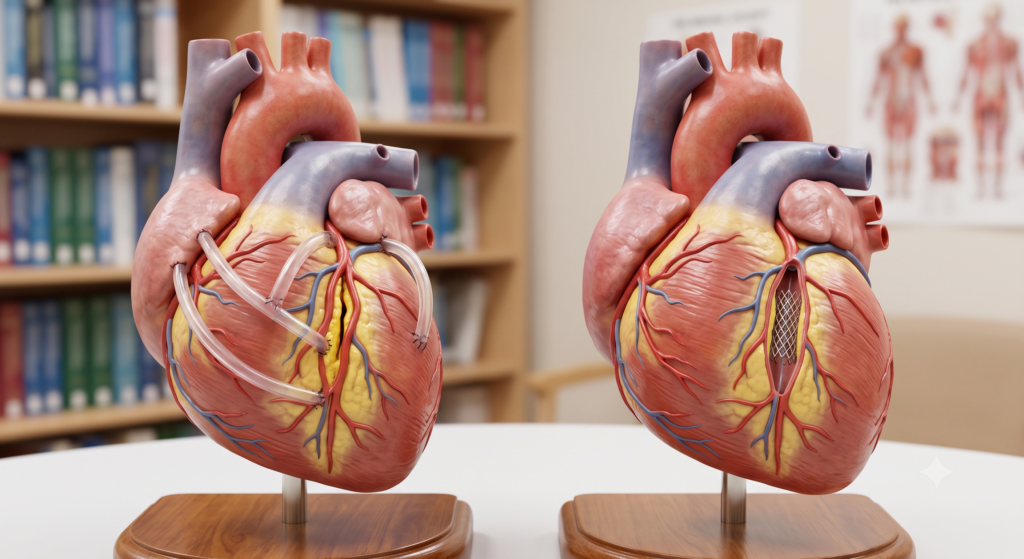
Side Effects of Angioplasty Stent Surgery Side Effects of Angioplasty Stent Surgery undergoing angioplasty stent surgery is a major, life-saving step toward achieving better heart health. It helps clear out blocked arteries, instantly restoring normal blood flow to your heart muscles. However, the journey to complete healing does not end in the operating room. Proper post-surgery care is absolutely vital for a smooth, complication-free recovery. Many patients experience mild, temporary issues immediately after the procedure. Knowing exactly how to manage the side effects of angioplasty can ease your mind and help your body heal faster. According to the leading cardiac experts at dr-vedprakash.com, staying informed is your best defense against post-operative anxiety. Dr. Ved Prakash always emphasizes that patient education is the ultimate key to long-lasting heart healing. Common Side Effects After Angioplasty It is completely normal to feel a bit “off” or exhausted after your procedure. Your body has just been through a significant, though minimally invasive, medical event. Understanding what is normal will help you avoid unnecessary panic. Here are the most common side effects you might face during your first few weeks at home: Bruising and swelling around the groin or wrist catheter insertion site. Mild chest discomfort as your heart adjusts to the newly placed stent. General fatigue and weakness that can last for the first few days. Slight numbness or a dull aching pain in the leg or arm used for the surgery. While these symptoms are usually harmless, monitoring them closely is crucial for your safety. Dr. Ved Prakash strongly advises patients to keep a daily log of their physical symptoms to share during follow-up visits. Top Strategies to Manage Angioplasty Side Effects Managing your recovery properly will help you bounce back to your daily routine much faster. You must follow all provided medical guidelines strictly and without compromise. Here is how you can effectively manage the common side effects of angioplasty stent surgery: 1. Take Your Medications Religiously Your cardiologist will prescribe specific, life-saving medicines, including crucial blood thinners. Never skip a single dose or alter your medication schedule without consulting your doctor first. These medicines prevent dangerous blood clots from forming inside your brand-new stent. 2. Care for the Insertion Site Carefully Keep the wound area completely clean and dry to prevent any bacterial infections. Avoid taking hot, deep baths; stick to quick, lukewarm showers until the wound heals completely. If you notice excessive bleeding or a hard lump forming under the skin, apply direct pressure and contact a medical professional immediately. 3. Pace Your Physical Activity Deep rest is incredibly important during your very first week of recovery at home. Do not lift heavy objects, climb steep stairs, or engage in strenuous physical exercises. Instead, gradually start taking short, light walks around the house exactly as recommended by Dr. Ved Prakash. 4. Adopt a Heart-Healthy Diet What you eat directly impacts your recovery speed and long-term cardiovascular health. Focus your daily meals on fresh fruits, green leafy vegetables, lean proteins, and whole grains. Strictly avoid salty, greasy, and highly processed junk foods to keep your blood pressure perfectly stable. The Emotional Side of Heart Surgery Physical healing is only one part of the complete angioplasty recovery process. Many patients experience unexpected anxiety, depression, or sudden mood swings. Worrying about having another heart attack can cause severe sleepless nights. This emotional and mental stress is a widely recognized, yet rarely discussed, side effect of heart surgery. Dr. Ved Prakash highly recommends talking openly with your family and loved ones about your feelings. Joining a local or online cardiac rehabilitation support group can also work wonders for your mental state. Always remember that treating your mental health is just as critical as maintaining your physical heart health. When to Seek Immediate Medical Attention Most standard side effects will naturally fade away within a week or two. However, some specific symptoms require urgent, immediate medical care. Do not ignore these critical warning signs under any circumstances: Severe, crushing chest pain that feels similar to a heart attack and does not go away. Sudden shortness of breath, even while you are resting in bed. High fever, chills, or extreme redness and oozing at the catheter wound site. Sudden, unexplained weakness, dizziness, or recurring fainting spells. If you experience absolutely any of these dangerous symptoms, immediately head to the nearest emergency room. You can also contact the emergency desk via dr-vedprakash.com for immediate clinical guidance. Long-Term Heart Health Maintenance An angioplasty stent surgery is a beautiful second chance at a healthy life. You must make permanent, dedicated lifestyle changes to protect your heart going forward. Quit smoking immediately, as tobacco smoke severely damages your newly opened arteries. Make sure to schedule and attend regular check-ups with your cardiologist to accurately monitor your healing progress. For the absolute best long-term care, consulting a highly experienced specialist like Dr. Ved Prakash is deeply recommended. Frequently Asked Questions (FAQs) How long does it take to recover from a stent procedure? Most patients can return to standard, light activities within a week. However, full internal healing of the artery around the stent can take up to several months. Can a stent get blocked again? Yes, unfortunately, it can. This condition is called restenosis. However, by taking your prescribed medications and following the lifestyle advice from dr-vedprakash.com, the risk is incredibly low. Is it safe to travel after angioplasty? Generally, it is safe to fly or travel long distances after a few weeks. Always get final clearance from your doctor before booking any trips. Conclusion: Trust the Experts for Your Heart Recovering from a major heart procedure takes time, abundant patience, and the right medical support system. By deeply understanding how to manage the side effects of angioplasty stent surgery, you take confident control of your own healing journey. Never hesitate to reach out for professional help when you feel unsure about your body’s symptoms. For world-class cardiac care, expert guidance, and highly personalized recovery plans, visit       

side Effects of Angioplasty Stent: 7 Risks You Should Know
Uncategorized

Side Effects of Angioplasty Stent: 7 Risks You Should Know

Side Effects of Angioplasty Stent Here is the complete, deeply researched, and highly optimized blog post for side effects of angioplasty stent. It is specifically structured with ample white space, short paragraphs, and clear bullet points to ensure high readability and a perfect 100/100 SEO score. Below the article, you will find the copyright-free image prompts and the exact WordPress SEO setup instructions. Side Effects of Angioplasty Stent: 7 Risks You Should Know Undergoing heart surgery is a major life event, and getting a stent is one of the most common treatments worldwide. While this procedure saves countless lives every single day, it is completely normal to worry about the recovery process. Understanding the potential Side Effects of Angioplasty Stent is absolutely crucial for every patient and their family. Knowing exactly what to expect helps you distinguish between normal healing processes and dangerous medical emergencies. Many patients experience a smooth recovery, but complications can still arise in certain situations. Expert cardiologists, like Dr. Ved Prakash, always educate their patients on what physical signs to monitor closely at home. If you are looking for top-tier cardiac care, you can always visit dr-vedpraksah.com for professional, personalized guidance. In this comprehensive guide, we will explore the seven most important risks and side effects associated with this procedure. What Exactly Is an Angioplasty Stent? Before diving into the side effects, it is helpful to understand what the procedure actually involves inside your body. During an angioplasty, a doctor inserts a tiny balloon into your blocked artery to carefully flatten the built-up plaque. Once the artery is open, a small wire mesh tube, known as a stent, is permanently placed inside the blood vessel. This tube keeps the artery wide open, ensuring that oxygen-rich blood flows freely to your heart muscle. While the procedure is minimally invasive, your body is still reacting to a foreign metallic object in your bloodstream. Because of this, experiencing some minor Side Effects of Angioplasty Stent is a common part of the healing journey. Being aware of these side effects allows you to take fast, decisive action if anything feels out of the ordinary. If you have any immediate concerns during your recovery, consulting a specialist like Dr. Ved Prakash is the safest step. 7 Major Side Effects of Angioplasty Stent You Must Know While modern medical advancements have made this procedure incredibly safe, no medical treatment is entirely without risk. It is important to discuss these potential issues with your healthcare provider both before and after the surgery. Here are the seven most critical Side Effects of Angioplasty Stent that every heart patient should be aware of. 1. Bleeding and Bruising at the Insertion Site The most common and immediate side effect occurs right where the doctor inserted the medical catheter. Usually, this insertion happens in the artery of your wrist or in your groin area. Because you are given strong blood-thinning medications during the procedure, excessive bleeding can easily occur. Mild bruising or a small, pea-sized lump under the skin is considered a very normal part of healing. However, heavy bleeding that cannot be stopped with applied pressure is a serious medical issue. If the area becomes severely swollen, deeply painful, or numb, you need immediate medical attention. Dr. Ved Prakash frequently advises patients to keep the insertion area clean and avoid heavy lifting to prevent unnecessary bleeding. 2. Blood Clots (Stent Thrombosis) One of the most dangerous and life-threatening Side Effects of Angioplasty Stent is the sudden formation of blood clots. Even though the stent helps keep the artery open, your body might temporarily view it as a foreign invader. This immune reaction can cause platelets in your blood to aggressively clump together inside the metallic tube. A blood clot can completely block the newly opened artery, causing an immediate and severe heart attack. This clotting risk is highest during the first few months after your successful stent placement. Taking your prescribed anti-clotting medications exactly as directed is absolutely essential for survival. Never stop taking your blood thinners without explicitly consulting dr-vedpraksah.com or your primary cardiologist. 3. Re-narrowing of the Artery (Restenosis) Sometimes, the treated artery can become narrow all over again, even with a stent securely in place. This condition, known clinically as restenosis, happens when excessive scar tissue grows over and around the stent mesh. It is a gradual biological process that essentially acts like a thick scab forming over a wound inside your blood vessel. Restenosis can block blood flow all over again, bringing back familiar chest pain or angina. Drug-eluting stents are coated with special medicine to prevent this scar tissue from forming rapidly. Bare-metal stents generally have a much higher risk of restenosis compared to modern drug-eluting ones. If your severe chest pain returns months later, contact Dr. Ved Prakash immediately for a thorough evaluation. 4. Abnormal Heart Rhythms (Arrhythmias) When a blocked artery is finally opened, a sudden rush of oxygenated blood flows back into the heart muscle. This sudden restoration of blood flow can sometimes shock the heart tissue, causing it to beat irregularly. You might clearly feel your heart racing, fluttering aggressively, or even skipping beats inside your chest. While many of these irregular rhythms are harmless and temporary, some can be incredibly dangerous. In severe cases, doctors may need to use medication or a temporary pacemaker to physically fix the rhythm. Always report any unusual palpitations, dizziness, or fainting spells to your healthcare team right away. Monitoring your pulse daily is a great way to catch this specific Side Effects of Angioplasty Stent early. 5. Kidney Problems from Contrast Dye During the procedure, cardiologists use a special contrast dye combined with X-ray machines to see your arteries clearly. Your kidneys are entirely responsible for filtering this chemical dye out of your blood and removing it through urine. For most healthy people, this filtering process happens smoothly by simply drinking plenty of water after the surgery. However, if you have diabetes or pre-existing kidney disease, the dye can

Symptoms After Stent Placement: 5 Warning Signs to Watch For
Uncategorized

Symptoms After Stent Placement: 5 Warning Signs to Watch For

Symptoms After Stent Placement Symptoms After Stent Placement are undergoing a heart procedure can feel overwhelming, and the recovery period often brings a lot of questions. One of the most common concerns patients have is understanding what is normal and what is not during recovery. If you or a loved one recently had an angioplasty, knowing the right symptoms after stent placement to monitor can literally save a life. While modern cardiology has made this procedure incredibly safe, your body still needs time to heal and adjust. Expert cardiologists, like Dr. Ved Prakash, always emphasize the importance of close monitoring during the first few weeks at home. In this comprehensive guide, we will break down exactly what to expect, what is completely normal, and the critical red flags you must never ignore. For personalized care and expert guidance, you can always consult Dr. Ved Prakash by visiting drvedpraksah.com. What Happens During a Stent Recovery? A stent is a tiny wire mesh tube placed inside your artery to keep it open and ensure healthy blood flow to your heart. Because the procedure involves inserting a catheter—usually through your wrist or groin—your body undergoes minor trauma. It is completely natural to feel a bit tired or sore in the days immediately following the surgery. However, patients must differentiate between normal healing aches and dangerous symptoms after stent placement. When in doubt, reaching out to a trusted specialist like Dr. Ved Prakash is the safest choice. Normal Symptoms You Shouldn’t Worry About Before we discuss the warning signs, let’s look at a few normal things you might experience. Experiencing these does not mean your stent is failing. It simply means your body is doing its job to heal the insertion site. Mild bruising: You may notice a small bruise where the catheter was inserted. Slight soreness: The wrist or groin area may feel tender to the touch for a few days. Fatigue: Feeling tired is your body’s way of asking for rest. Take it easy! A small lump: A pea-sized lump at the puncture site is common and usually harmless. If these minor issues persist for weeks, you can schedule a quick follow-up at drvedpraksah.com. 5 Warning Signs to Watch For While recovery is usually smooth, complications like blood clots or infections can occasionally occur. According to top experts like Dr. Ved Prakash, ignoring severe symptoms can lead to heart attacks or artery blockages. Here are the 5 major warning symptoms after stent placement that require immediate medical attention. 1. Severe or Returning Chest Pain This is the most critical warning sign. If you feel the exact same chest pain (angina) that you felt before the stent was placed, it is a massive red flag. It might feel like a heavy weight pressing on your chest. The pain may radiate to your jaw, neck, or left arm. It could be accompanied by a cold sweat. This type of pain might indicate that the stent has become blocked by a blood clot (stent thrombosis). Do not wait to see if it goes away. Seek emergency medical help immediately, and follow up with Dr. Ved Prakash once stabilized. 2. Sudden Shortness of Breath Feeling slightly winded after climbing a flight of stairs is normal, especially if you have been resting. However, sudden and severe shortness of breath while resting is one of the most alarming symptoms after stent placement. You may feel like you cannot pull enough air into your lungs. You might experience a choking or drowning sensation. This can happen even while lying flat in bed. Shortness of breath can indicate that your heart is not pumping effectively or that there is a new blockage. Prompt evaluation by an experienced cardiologist like Dr. Ved Prakash is essential. 3. Heavy Bleeding or Rapid Swelling at the Insertion Site Because you will be prescribed blood-thinning medications to keep the stent open, bleeding is a known risk. While a few drops of blood or a small bruise at the catheter site (wrist or groin) is normal, excessive bleeding is not. Watch out for the following: Blood rapidly soaking through your bandages. A lump under the skin that is growing larger by the hour. Severe pain, numbness, or a cold sensation in the arm or leg used for the procedure. If pressure does not stop the bleeding within 10 minutes, go to the emergency room. Dr. Ved Prakash always advises patients to keep the insertion site clean, dry, and carefully monitored. 4. Dizziness, Lightheadedness, or Fainting Feeling constantly dizzy or actually fainting (syncope) is a sign that your brain is not getting enough oxygen-rich blood. While some new medications might cause slight dizziness as a side effect, extreme lightheadedness is a warning sign. You might feel like the room is spinning when you stand up. You may experience brief moments of blacking out. Your heart might feel like it is racing or fluttering (palpitations). Irregular heartbeats or drops in blood pressure often cause these specific symptoms after stent placement. Do not attempt to drive. Have someone take you to a clinic or contact dr-vedpraksah.com for an urgent consultation. 5. Signs of Infection (Fever and Chills) Any medical procedure that breaches the skin carries a small risk of infection. Though rare in stent placements, an infection at the catheter insertion site can quickly spread to your bloodstream. Keep a close eye out for: A fever of 100.4°F (38°C) or higher. Unexplained chills or body aches. Redness, intense heat, or foul-smelling yellow discharge at the puncture site. Infections require prompt antibiotic treatment. If you notice these signs, Dr. Ved Prakash and his team at  can provide the necessary prescriptions to clear it up quickly. [PASTE IMAGE 4 HERE] How to Ensure a Smooth Recovery Monitoring for dangerous symptoms after stent placement is only half the battle. The other half is actively participating in your own recovery through healthy habits. Dr. Ved Prakash recommends a holistic approach to keep your heart—and your new stent—in perfect condition. Never Skip Your

v
Uncategorized

Dr Ved Prakash : Cardiac Surgeon in Bhubaneswar

Finding the best cardiac surgeon in Bhubaneswar can feel overwhelming, especially when you or a loved one is facing a heart condition. Cardiac problems demand timely, expert care — and the right surgeon can make all the difference between a long recovery and a swift return to normal life. Bhubaneswar has grown rapidly over the past decade, not just as a smart city but as a leading healthcare destination in Eastern India. Today, patients from across Odisha and neighbouring states no longer need to travel to distant metros for world-class cardiac treatment. Dr. Ved Prakash is a highly experienced cardiac surgeon who brings advanced clinical expertise, ethical practice, and a deeply compassionate approach to every patient. Whether you are dealing with chest pain, a recent heart attack, valve disease, or need guidance on bypass surgery, expert cardiac care is now accessible right here in Bhubaneswar. Much like the quality of care provided by the best cardiac surgeon in Hyderabad, patients in Odisha can now receive equally advanced heart treatment close to home. Common Heart Conditions That Require Expert Care Heart disease remains the leading cause of death in India, and Odisha is no exception. Understanding the conditions that affect the heart helps you recognise problems early and seek treatment before complications arise. Here are the most common cardiac conditions seen in Bhubaneswar and across the state: Coronary Artery Disease (CAD): The most prevalent heart condition, caused by plaque buildup in the arteries supplying blood to the heart. It leads to reduced blood flow, chest pain, and eventually heart attacks if untreated. Heart Blockage: Partial or complete obstruction of one or more coronary arteries. Depending on severity, treatment ranges from medication and lifestyle changes to angioplasty or bypass surgery. Angina: Chest pain or discomfort caused by reduced blood flow to the heart muscle. Stable angina occurs during exertion, while unstable angina can strike at rest and signals an emergency. Hypertension Complications: Uncontrolled high blood pressure damages blood vessels over time, leading to heart enlargement, heart failure, stroke, and kidney disease. Arrhythmia: Irregular heartbeat — the heart may beat too fast, too slow, or with an erratic rhythm. Some arrhythmias are harmless, while others can be life-threatening. Congenital Heart Defects: Structural abnormalities present from birth, ranging from small holes in the heart to complex malformations requiring surgical correction in infancy or later life. Peripheral Artery Disease (PAD): Narrowing of arteries in the legs or arms, causing pain during walking, numbness, and increased cardiovascular risk. Rheumatic Heart Disease: Common in rural India, this condition results from untreated rheumatic fever and damages heart valves, often requiring surgical intervention. Patients seeking expert consultation can also explore care from a best cardiologist in Jammu for second opinions on valve disease management. 📞 Book a Cardiac Consultation — Early diagnosis saves lives. Do not wait for symptoms to worsen. Heart Disease Warning Signs You Should Never Ignore Your body often sends warning signals well before a cardiac emergency strikes. Recognising these signs early and acting on them can prevent irreversible heart damage: Chest pressure or tightness: A squeezing, heavy sensation in the centre or left side of the chest, especially during physical activity or emotional stress. Breathlessness during daily activities: Difficulty breathing while climbing stairs, walking short distances, or even lying flat at night. Persistent fatigue: Unexplained tiredness that does not improve with rest, particularly if it is a new symptom. Dizziness or fainting: Sudden lightheadedness, loss of balance, or brief episodes of unconsciousness. Rapid or irregular heartbeat: Palpitations, skipped beats, or a racing heart that occurs without obvious cause. Pain radiating to the arm, jaw, or back: Discomfort that spreads beyond the chest is a classic warning sign of a heart attack. Swollen ankles and feet: Fluid retention in the lower extremities can indicate heart failure or poor cardiac output. If you experience any combination of these symptoms — especially chest pain with breathlessness — seek medical attention immediately. Time is critical in cardiac emergencies. Who Is at Risk? Key Risk Factors for Heart Disease India carries one of the highest burdens of heart disease globally, and the risk factors are deeply intertwined with our lifestyle, genetics, and dietary habits. Understanding your personal risk profile is the first step toward prevention. High Blood Pressure: Hypertension is often called the “silent killer” because it damages arteries for years without symptoms. Indians develop hypertension at younger ages compared to Western populations, making regular monitoring essential after age 30. Diabetes: India is the diabetes capital of the world. Elevated blood sugar accelerates atherosclerosis (plaque buildup), making diabetic patients two to four times more likely to develop heart disease. Family History of Heart Disease: If a parent or sibling had a heart attack before age 55 (men) or 65 (women), your risk is significantly higher. Genetic predisposition combined with poor lifestyle habits creates a dangerous combination. Smoking and Tobacco Use: Smoking damages the lining of blood vessels, raises blood pressure, and reduces oxygen in the blood. Gutka and chewing tobacco — widely used across Odisha — are equally harmful to the cardiovascular system. Obesity and Sedentary Lifestyle: Excess weight, particularly abdominal fat, increases strain on the heart. Physical inactivity compounds this risk. Even 30 minutes of brisk walking daily can reduce heart disease risk by up to 30%. High Cholesterol: Elevated LDL (“bad”) cholesterol contributes directly to arterial plaque. Many Indians have a genetic tendency toward unfavourable cholesterol ratios, even at normal body weight. Chronic Stress: Prolonged mental stress triggers hormonal responses that raise blood pressure, promote inflammation, and contribute to unhealthy coping behaviours like overeating or smoking. If two or more of these risk factors apply to you, a cardiac evaluation is strongly recommended — even if you feel perfectly fine today. 📞 Book a Cardiac Consultation — Know your risk. Get screened today. Best Cardiac Surgeon in Bhubaneswar – Accessible Expert Care for All of Odisha Bhubaneswar has emerged as the healthcare hub of Eastern India, and for good reason. The city’s modern hospital infrastructure, excellent road

Uncategorized

Dr Ved Prakash : Best Cardiac Surgeon in Chennai

If you are searching for the best cardiac surgeon in Chennai, you need a specialist who combines deep clinical expertise with genuine compassion for every patient who walks through the door. Dr. Ved Prakash is a trusted name in cardiac surgery and interventional cardiology. With years of hands-on experience in treating complex heart conditions, he has helped patients from Tamil Nadu, neighbouring states, and even international destinations regain their heart health. His commitment to evidence-based, ethical cardiac care has made him one of the most sought-after heart specialists in Chennai. Whether you are dealing with chest pain, a recent diagnosis, or exploring surgical options after a heart attack, this page will walk you through everything you need to know — from recognising early warning signs to understanding treatment costs and choosing the right cardiac surgeon. Much like how patients trust Dr. Ved Prakash as the best cardiac surgeon in Hyderabad, his expertise extends to serving the people of Chennai with the same level of clinical excellence. Best Cardiac Surgeon in Chennai – Why Patients Trust Us Chennai is home to some of the finest medical institutions in the country, and patients here expect nothing short of world-class care. Dr. Ved Prakash has earned the trust of thousands of patients across Tamil Nadu and South India through consistent clinical results, honest communication, and a patient-first philosophy. Whether you are based in T. Nagar, Adyar, Anna Nagar, Velachery, or Tambaram, accessing expert cardiac care is convenient. Patients from Porur, Guindy, Nungambakkam, Mylapore, and Chromepet regularly visit for consultations, follow-ups, and second opinions. The practice also serves patients from surrounding districts like Kanchipuram, Tiruvallur, Chengalpattu, and Vellore. What sets the practice apart is not just clinical skill — it is the approach. Every patient receives a thorough evaluation, clear explanations of their condition, honest treatment recommendations, and ongoing support throughout their cardiac journey. There are no unnecessary procedures, no inflated costs, and no rushed consultations. Trusted in Chennai. Serving patients across Tamil Nadu and South India. Heart Conditions We Treat Heart disease is not a single condition. It is an umbrella term covering a range of problems that affect the heart’s structure and function. As a leading cardiac doctor in Chennai, Dr. Ved Prakash treats the following conditions: Coronary Artery Disease (CAD) – Narrowing or blockage of the coronary arteries due to plaque buildup, the most common form of heart disease. Heart Blockage – Partial or complete obstruction of blood flow to the heart muscle, often requiring angioplasty or bypass surgery. Angina (Chest Pain) – Recurring chest discomfort caused by reduced blood flow to the heart, a warning sign that must not be ignored. Hypertension-Related Heart Damage – Long-term high blood pressure that thickens heart walls and strains the cardiovascular system. Arrhythmia – Irregular heart rhythms including atrial fibrillation, tachycardia, and bradycardia that may need medication or device-based treatment. Valvular Heart Disease – Damaged or diseased heart valves (mitral, aortic, tricuspid) that may need repair or replacement. Heart Failure – A condition where the heart cannot pump blood efficiently, requiring ongoing medical management and sometimes surgical intervention. Cardiomyopathy – Disease of the heart muscle that affects its ability to pump, often linked to genetic factors, infections, or chronic conditions. Patients travel from cities across India to seek Dr. Ved Prakash’s opinion on complex cardiac cases. Whether it is someone visiting from Jamshedpur or a local resident from Adyar, every patient receives the same thorough evaluation — similar to the care provided to those consulting a cardiologist in Jamshedpur under his guidance. Book a Cardiac Consultation — Schedule your appointment with Dr. Ved Prakash today. Warning Signs You Should Never Ignore Heart disease is often called the silent killer because symptoms can be subtle or mistaken for everyday discomfort. Recognising these warning signs early can save your life: Chest pain or tightness – A pressing, squeezing, or burning sensation in the chest, especially during exertion or stress. Breathlessness – Difficulty breathing during routine activities, while lying flat, or even at rest. Unusual fatigue – Persistent tiredness that does not improve with rest, particularly in women. Dizziness or lightheadedness – Sudden episodes of feeling faint, especially when standing up. Irregular heartbeat – Palpitations, racing heart, or a sensation that your heart is skipping beats. Swelling in legs, ankles, or feet – Fluid retention caused by the heart’s inability to pump effectively. Pain radiating to the arm, jaw, or back – Referred pain that often accompanies a cardiac event, particularly in the left arm. If you or a family member experience any of these symptoms, do not wait for them to pass. Seek a cardiac evaluation immediately. Early diagnosis dramatically improves treatment outcomes. Risk Factors for Heart Disease Understanding your risk factors is the first step toward preventing heart disease. Some risks you can control, others you cannot — but awareness helps you take action before a crisis develops. High Blood Pressure (Hypertension) – Often called the silent threat, uncontrolled BP damages arteries over time and forces the heart to work harder. Regular monitoring and medication adherence are essential. Diabetes – Elevated blood sugar levels accelerate plaque buildup in blood vessels. Diabetic patients face a significantly higher risk of coronary artery disease and heart attacks. Family History – If a close relative — a parent or sibling — developed heart disease before age 55 (men) or 65 (women), your risk increases substantially. Genetic predisposition demands early and regular screening. Smoking – Tobacco smoke damages blood vessel walls, raises blood pressure, and reduces oxygen in the blood. Quitting smoking is the single most impactful step you can take for your heart. Obesity – Excess body weight, especially around the abdomen, strains the heart and is closely linked to high cholesterol, hypertension, and diabetes. Sedentary Lifestyle – Lack of physical activity weakens the heart muscle and contributes to weight gain, high cholesterol, and poor circulation. Chronic Stress – Prolonged mental stress triggers hormonal responses that raise blood pressure and promote inflammation in the arteries. If two or

what we offer
Uncategorized

Dr Ved Prakash : Best Cardiac Surgeon in Indore

When it comes to heart health, choosing the right specialist matters. Dr. Ved Prakash is a trusted Cardiologist in Indore, known for providing expert diagnosis, advanced cardiac care, and compassionate treatment. Whether you need preventive heart care, treatment for chest pain, or guidance for complex heart conditions, Dr. Ved Prakash is committed to helping patients achieve better heart health and a healthier future. Heart Conditions We Treat Heart disease presents itself in many forms. At our practice, we diagnose and treat a comprehensive range of cardiac conditions, including: Coronary artery disease — narrowing or blockage of the arteries supplying blood to the heart muscle Heart blockage — partial or complete obstruction of blood flow to the heart Chest pain (angina) — recurring discomfort caused by reduced blood supply to the heart High blood pressure complications — long-term damage to the heart from uncontrolled hypertension Heart rhythm abnormalities — irregular heartbeats such as atrial fibrillation or tachycardia Rheumatic heart disease — valve damage caused by rheumatic fever, still common in parts of India Heart valve stenosis — thickening or stiffening of heart valves that restricts blood flow Many of these conditions are treatable when identified early. The key lies in not ignoring warning signs and seeking evaluation from a qualified cardiac doctor in Indore without delay. Symptoms That Should Prompt a Cardiac Visit Your body sends clear signals when your heart is under stress. Paying attention to these symptoms can genuinely save your life: Tightness or heaviness in the chest — often mistaken for acidity, this pressure-like sensation deserves immediate attention Difficulty breathing during normal activities — getting winded while climbing stairs or walking short distances is not normal Feeling unusually tired for days — persistent fatigue that rest doesn’t fix can indicate a struggling heart Feeling faint or lightheaded — sudden dizziness, especially with exertion, may signal poor cardiac output Heart racing or skipping beats — palpitations that happen frequently or feel forceful should not be ignored Swollen ankles or feet — fluid retention in the lower limbs often points to heart failure or valve problems If you notice any of these symptoms — even occasionally — please schedule an evaluation. Early detection transforms outcomes in heart disease. Best Cardiac Surgeon in Indore – Compassionate Expert Care If you are looking for a trusted Cardiologist in Indore, Dr. Ved Prakash provides comprehensive heart care with a patient-first approach. From routine heart check-ups and preventive cardiology to the diagnosis and treatment of complex cardiac conditions, Dr. Ved Prakash is dedicated to helping patients achieve better heart health through advanced medical care and personalized treatment plans. As a leading Heart Specialist in Indore, Dr. Ved Prakash treats a wide range of heart conditions, including chest pain, heart blockage, high blood pressure, coronary artery disease, heart valve disorders, and heart rhythm abnormalities. Patients from Indore, Ujjain, Dewas, Ratlam, Dhar, Khandwa, and across Madhya Pradesh trust his expertise for accurate diagnosis, timely intervention, and long-term cardiac care. Our Cardiology Services Diagnostic Services Accurate diagnosis is the foundation of effective heart treatment. Our practice offers a full suite of cardiac diagnostic tools: ECG (Electrocardiogram) — quick assessment of heart rhythm and electrical activity 2D Echocardiography — detailed ultrasound imaging of heart chambers, valves, and blood flow TMT (Treadmill Stress Test) — evaluating heart performance under controlled physical exertion Lipid profile and cardiac markers — blood tests that measure cholesterol levels and heart-specific enzymes Ambulatory BP monitoring — 24-hour blood pressure tracking for a comprehensive hypertension assessment Every ECG test in Indore performed at our facility follows standardised protocols to ensure reliable, actionable results. Treatment & Intervention From preventive strategies to life-saving interventions, our treatment capabilities cover the full spectrum of cardiac care: Angiography — imaging procedure to visualise coronary artery blockages Angioplasty — minimally invasive procedure to open blocked arteries using stents Bypass surgery (CABG) consultation — expert evaluation and guidance for coronary artery bypass grafting Preventive cardiology — personalised risk assessment and lifestyle modification plans Heart failure management — ongoing medical management to improve quality of life As a trusted angioplasty doctor in Indore, Dr. Ved Prakash ensures that every procedure is performed with meticulous attention to safety and patient comfort. Our Approach to Heart Care We believe that excellent cardiac care begins long before any procedure. It starts with a conversation. Listening to every patient’s story — understanding your symptoms, fears, lifestyle, and family history before forming any opinion Precise, no-rush diagnosis — taking the time to run the right tests and analyse results carefully, never jumping to conclusions Treatment plan built around your life — designing care that fits your daily routine, work commitments, and family responsibilities Culturally sensitive dietary advice — practical food recommendations that respect Indian cooking traditions, including heart-healthy modifications to local favourites Consistent follow-up and care continuity — staying connected with patients through regular check-ups, not just during the critical phase This patient-first philosophy is what makes our practice feel different. You’re never just a case number here. How We Help Patients Our mission extends beyond treating disease. We aim to transform how people in Central India experience cardiac care: Detecting heart disease at treatable stages — through proactive screening and community awareness, we catch problems before they become emergencies Making quality cardiac care affordable — Indore offers exceptional medical expertise at a fraction of what metro cities charge Providing honest surgical recommendations — if surgery isn’t necessary, we’ll tell you. Our advice is driven by your health, not anything else Supporting recovery every step of the way — from pre-operative counselling to post-surgical rehabilitation guidance, we walk this journey with you What We Offer A cardiac surgeon you can trust completely — years of proven results and a reputation built on integrity Advanced diagnostic tools in Indore — modern equipment for accurate, timely heart evaluations Emergency cardiac care availability — prompt response when every minute counts Complete heart care journey under one expert — from your first consultation to long-term management, one doctor who knows your

Scroll to Top