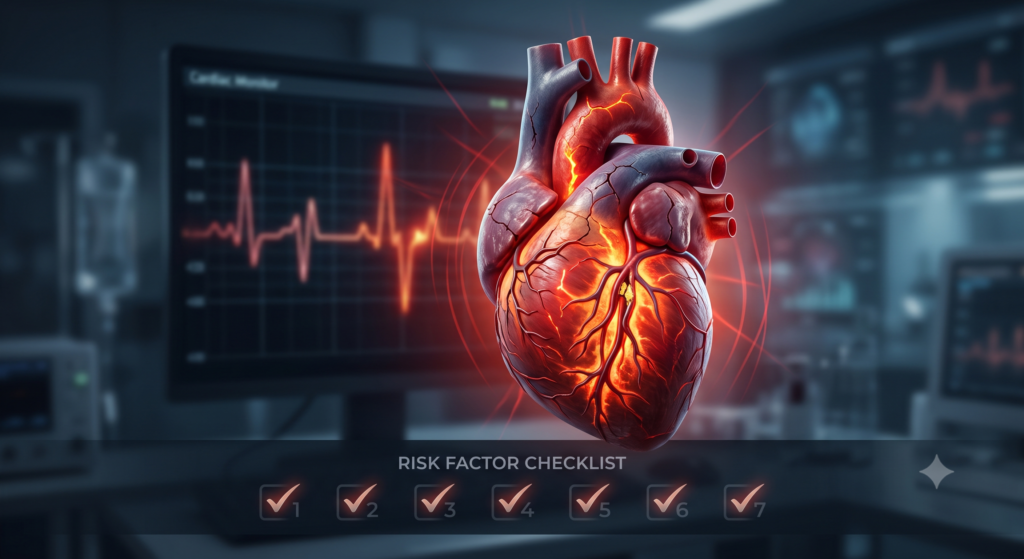
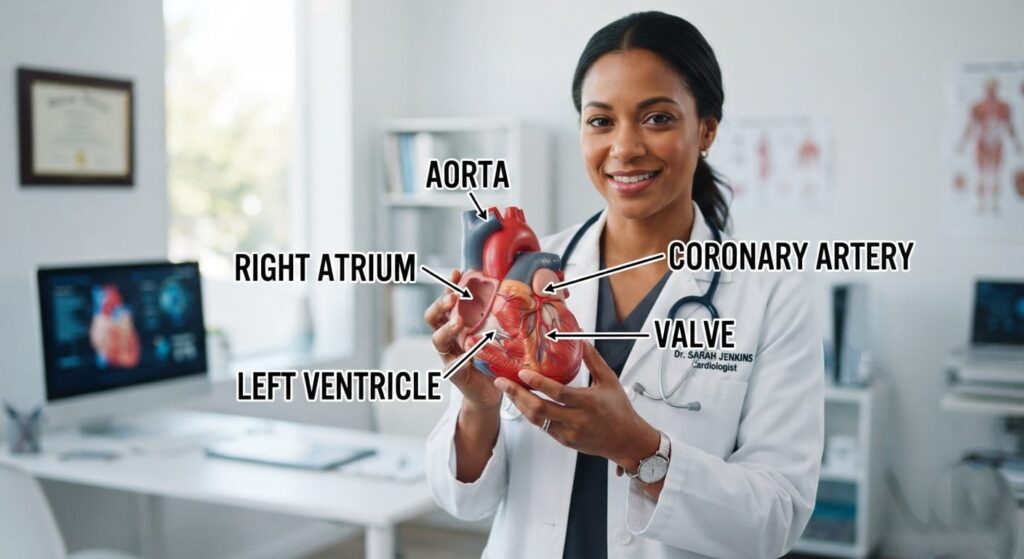
Arrhythmia Explained simply refers to any change from the normal sequence of your heartbeat impulses. Consequently, your heart may beat too fast, too slowly, or with an irregular pattern.
Your heart relies on an internal electrical system to pump blood efficiently. However, when these electrical signals malfunction, your heart rhythm instantly becomes disrupted.
Many people experience a fluttering feeling in their chest at some point. Therefore, understanding this condition is the first step toward maintaining a strong, healthy cardiovascular system.
What Causes an Irregular Heartbeat?
There are many reasons why your heart rhythm might deviate from its normal pattern. For instance, high blood pressure and coronary artery disease are common medical triggers.
In addition, everyday lifestyle choices significantly impact your cardiac health. Specifically, excessive caffeine intake, high stress levels, and smoking can disrupt your natural heart signals.
Fortunately, identifying these specific triggers can help you manage the condition effectively. Because of this, doctors recommend keeping a daily log of your symptoms and activities.
Arrhythmia Explained: The Main Types
Not all irregular heartbeats are identical, so medical experts categorize them into distinct types. Understanding these differences helps patients better comprehend their specific diagnosis.
Tachycardia: This term describes a heart rate that beats way too fast, usually over 100 beats per minute.
Bradycardia: This condition occurs when the heart beats too slowly, dropping below 60 beats per minute.
Fibrillation: This happens when the heart muscle quivers irregularly and unproductively instead of pumping properly.
Each type requires a unique approach for diagnosis and long-term care. Therefore, accurate testing is vital for creating a safe and effective treatment plan.
5 Best Ways to Manage Your Heart Health
If you want to protect your heart, you must adopt proactive daily habits. Fortunately, small modifications can yield significant benefits for your cardiovascular system over time. Here are 5 effective strategies you can implement right now to improve your cardiac wellness:
1. Eat a Heart-Healthy Diet First, focus on consuming whole foods, leafy greens, and lean proteins daily. These nutrient-dense options provide vital vitamins that actively protect your blood vessels from damage. In addition, reducing processed sodium helps maintain optimal blood pressure levels. Because your body thrives on clean fuel, prioritizing fresh ingredients directly strengthens your cardiac muscle tissue.
2. Exercise Regularly Next, engage in moderate aerobic activities like brisk walking for at least 30 minutes. Consistent physical movement trains your heart to pump blood much more efficiently. Furthermore, daily exercise helps control your weight and lowers harmful cholesterol levels. Therefore, finding an activity you truly enjoy ensures you remain committed to long-term physical fitness.
3. Manage Stress Levels Additionally, practice deep breathing exercises, mindfulness, or yoga to calm your nervous system. High mental stress releases excessive cortisol, which can accelerate your heart rate dangerously. By actively dedicating time to relaxation techniques, you allow your blood pressure to normalize safely. Consequently, keeping your mind calm acts as a powerful shield for your physical heart.
4. Limit Stimulants Moreover, reduce your intake of caffeine, alcohol, and energy drinks significantly. Artificial stimulants force your heart to work harder than necessary, which often triggers irregular palpitations. Replacing these beverages with pure water or herbal teas keeps your body perfectly hydrated. Thus, eliminating chemical spikes helps sustain a smooth, steady, and predictable cardiac rhythm.
5. Schedule Regular Checkups Finally, visit a cardiac specialist consistently to monitor your heart patterns over time. Routine medical screenings can catch underlying cardiovascular issues long before dangerous symptoms actually manifest. If you notice unusual chest fluttering, do not hesitate to seek immediate professional guidance at dr-vedprakash.com. Taking early preventive action with Dr. Vedprakash ensures you receive expert care customized to your lifestyle.
By consistently following these steps, you can reduce the frequency of irregular heartbeats. Furthermore, these habits enhance your overall energy levels and physical longevity.
When to Consult Dr. Vedprakash
Dr. Ved Prakash
If you frequently experience unexplained chest fluttering, you should seek professional medical advice. For expert guidance and personalized care, visit dr-vedprakash.com.
Dr. Vedprakash specializes in identifying the root causes of cardiac rhythm disorders. Thus, you will receive a comprehensive evaluation tailored to your specific health history.
Please do not ignore the warning signs that your body sends you. Instead, take control of your cardiovascular health by booking a professional consultation today.