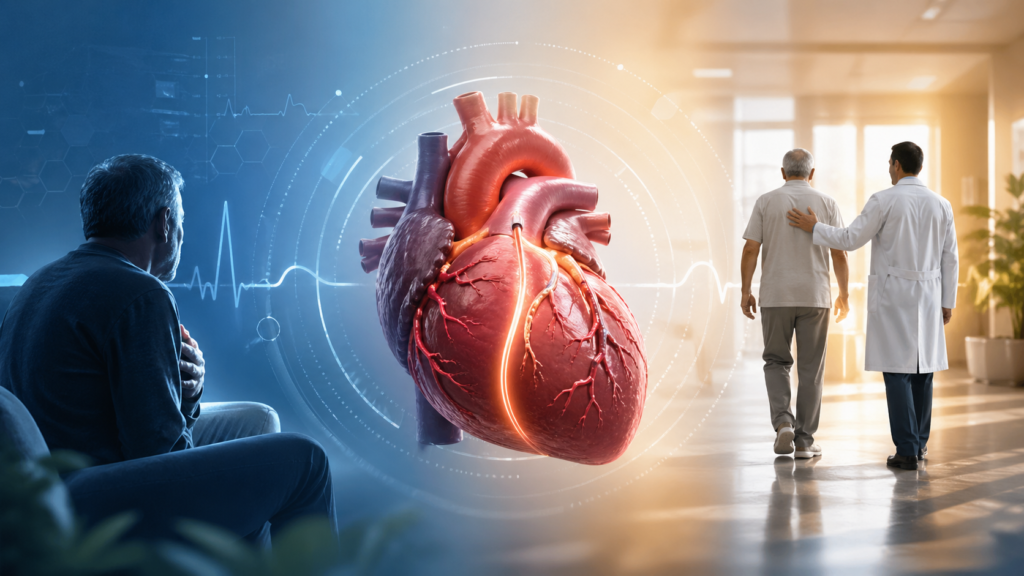
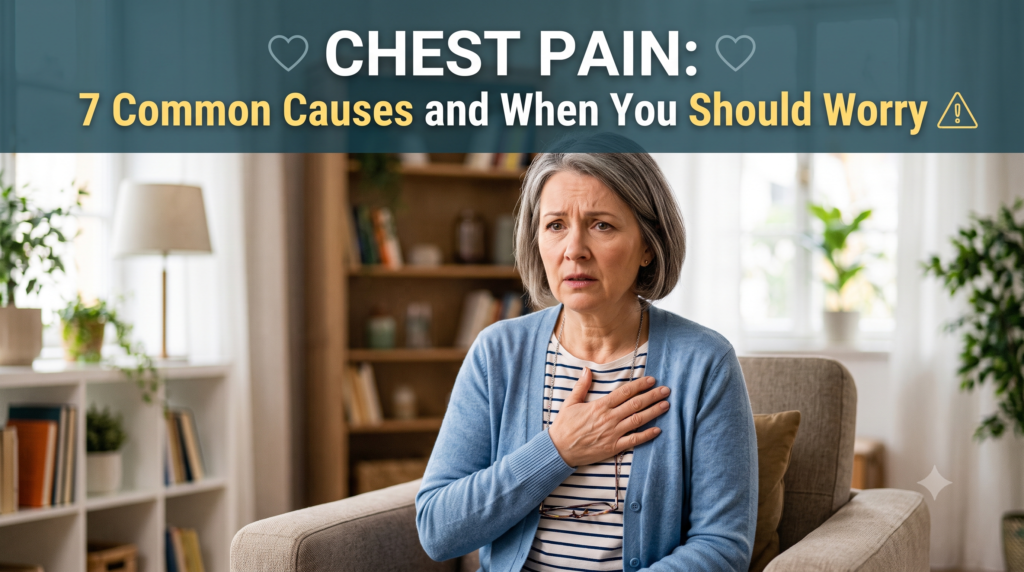
 Chest pain is one of the most frightening symptoms anyone can experience. Therefore, you should never ignore it. Because it can signal a serious medical emergency, immediate attention is often required. However, not every ache in your chest means you are having a heart attack.
Dr. Ved Prakash, a highly experienced medical professional, strongly advises patients to stay informed. Consequently, understanding your symptoms can save your life. In this comprehensive guide, we will explore everything you need to know. First, we will look at common triggers. Next, we will discuss severe warning signs. Finally, we will explain how to protect your heart health in context of chest pain.
Furthermore, this article will break down complex medical terms. As a result, you will easily understand your body. Let us begin our detailed journey into understanding this vital health topic.
Introduction to Chest Discomfort
Many people experience discomfort in their upper body at some point. However, the intensity can vary greatly. For example, some people feel a sharp, stabbing sensation. In contrast, others feel a dull, heavy ache. Therefore, pinpointing the exact cause is challenging without a doctor in context of chest pain.
Because the chest contains many vital organs, diagnosing the pain is complex. For instance, your heart, lungs, esophagus, and ribs are all located here. Consequently, a problem in any of these areas can trigger severe discomfort. Dr. Ved Prakash emphasizes that early diagnosis is critical. Thus, you should never try to self-diagnose severe symptoms.
The Anatomy of Your Chest
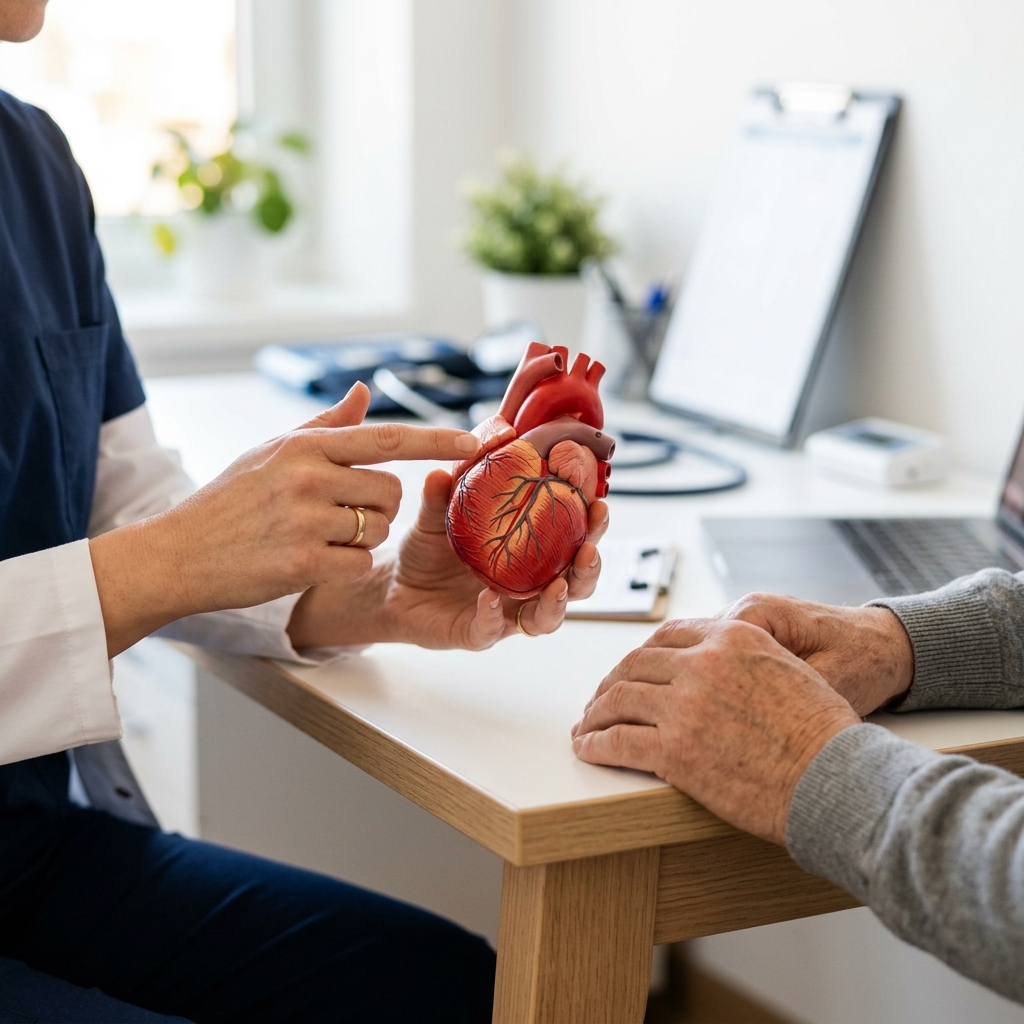
To understand the pain, we must first look at human anatomy. Basically, the chest is a highly complex structure. First, the rib cage protects your vital organs. Next, the lungs sit on either side of your heart. Furthermore, the esophagus runs right down the middle.
Because these organs are packed closely together, pain can easily radiate. As a result, stomach pain can feel exactly like a heart problem. Similarly, a lung issue can mimic a cardiac event. Therefore, doctors must run careful tests to find the true source. In addition, nerve pathways in this area overlap frequently. Consequently, this overlapping makes symptom checking very difficult for average patients in context of chest pain.
7 Proven Causes of Chest Pain
There are dozens of reasons why your upper body might hurt. However, we have narrowed down the most common ones. Below, we discuss seven distinct causes that you should know.
1. Heart Attack (Myocardial Infarction)
Undoubtedly, a heart attack is the most dangerous cause of chest pain. This occurs when blood flow to the heart muscle is suddenly blocked. Because the heart muscle is starving for oxygen, it begins to die. Therefore, this is a massive medical emergency.
Symptoms often include a crushing pressure. Furthermore, this pressure can radiate to your left arm or jaw. In addition, you might sweat heavily and feel short of breath. Dr. Ved Prakash strongly warns patients not to drive themselves to the hospital. Instead, you must call for an ambulance immediately. Consequently, paramedics can begin life-saving treatment on the way in context of chest pain.
2. Angina Pectoris
Angina is another major heart-related issue. However, it is slightly different from a full heart attack. Basically, angina happens when your heart does not get enough blood. Often, this occurs during physical exertion or high stress.
For example, you might feel a squeezing sensation while climbing stairs. Then, the pain goes away when you rest. Therefore, this is known as stable angina. On the other hand, unstable angina happens even when you are resting. Because unstable angina is unpredictable, it is much more dangerous. Consequently, you must visit dr-vedprakash.com to book a consultation if you experience this in context of chest pain..
3. Acid Reflux and GERD
Surprisingly, the digestive system causes many emergency room visits. Acid reflux happens when stomach acid travels up into your esophagus. Because the esophagus sits right behind the heart, the pain feels identical to cardiac arrest.
Furthermore, this condition is known as Gastroesophageal Reflux Disease (GERD). Usually, you will feel a burning sensation in your chest. In addition, this burning often gets worse after eating a heavy meal. Moreover, lying down flat can increase the discomfort. Therefore, sitting up straight and taking antacids can provide quick relief. However, Dr. Ved Prakash notes that you should still get checked to be safe in context of chest pain..
4. Muscle Strain
Sometimes, the cause is entirely physical and related to your muscles. Your chest wall contains many small intercostal muscles. Because these muscles stretch between your ribs, they can easily tear. For instance, lifting heavy weights at the gym can cause a painful strain in context of chest pain..
Similarly, severe coughing from a cold can pull a chest muscle. Therefore, you will usually feel a sharp ache when you twist your body. Furthermore, pressing on the sore area will make the pain much worse. Fortunately, this type of chest pain is completely harmless to your internal organs. Rest and ice will usually resolve the issue quickly.
5. Anxiety and Panic Attacks
Mental health plays a massive role in physical health. Surprisingly, extreme anxiety can create severe physical symptoms. A panic attack is an intense wave of sudden fear. Because the body releases adrenaline, your heart rate skyrockets in context of chest pain..
Consequently, this can cause a tight, squeezing sensation in your chest. In addition, you might hyperventilate and feel dizzy. Many people mistake panic attacks for heart attacks. Therefore, they rush to the emergency room in terror. However, once doctors run tests, the heart appears perfectly healthy. Dr. Ved Prakash frequently helps patients understand this strong mind-body connection.
6. Costochondritis
Costochondritis is a long, complicated medical word for a simple problem. Essentially, it is the inflammation of the cartilage in your rib cage. Specifically, it affects the cartilage connecting your ribs to your breastbone.
Because of this inflammation, taking a deep breath becomes extremely painful. Furthermore, the pain is often described as a sharp, stabbing ache. Just like a muscle strain, pushing on your chest bone will hurt. Therefore, doctors can easily diagnose this during a physical exam. Consequently, anti-inflammatory medications like ibuprofen are the best treatment. However, you should still consult a medical professional for guidance in context of chest pain.
7. Lung Conditions
Finally, your lungs can be a major source of discomfort. Conditions like pneumonia can cause a deep, aching pain in your chest. Because pneumonia is a severe lung infection, it requires antibiotics.
Furthermore, a pulmonary embolism is a highly dangerous lung issue. This happens when a blood clot travels into your lung arteries. As a result, you will feel sudden, extremely sharp pain. In addition, you will likely struggle to breathe properly. Because a pulmonary embolism is fatal without treatment, it requires instant emergency care. Therefore, you must never ignore sharp pain that worsens when inhaling in context of chest pain..
When You Should Worry About Chest Pain
Knowing when to panic is difficult for most patients. However, there are specific “red flag” symptoms you must memorize. If you experience these, you must seek emergency medical care immediately.
Firstly, worry if the pain feels like an elephant sitting on your chest. Secondly, worry if the discomfort spreads to your neck, jaw, or back. Furthermore, radiating pain down the left arm is a classic warning sign. In addition, if you suddenly break out in a cold sweat, call an ambulance. Because time equals heart muscle, delaying treatment is deadly.
Moreover, lightheadedness and nausea are serious warning signs. Therefore, do not wait to see if the symptoms pass. Dr. Ved Prakash strongly advises against trying to sleep off a severe ache. Consequently, it is always better to be safe in an emergency room than sorry at home. For more information on heart safety, you can visit the American Heart Association.
Diagnostic Procedures by Dr. Ved Prakash
When you visit a clinic, the doctor will run several tests. Because chest pain has many causes, accurate testing is crucial. First, Dr. Ved Prakash will listen to your medical history carefully. Next, he will order an Electrocardiogram (ECG).
An ECG measures the electrical activity of your heart. Therefore, it can instantly show if you are having a heart attack. Furthermore, blood tests are highly essential. When your heart is damaged, it releases specific enzymes into your blood. Because of this, a simple blood draw can reveal hidden heart damage.
Additionally, you might need an Echocardiogram. This is essentially an ultrasound of your heart. Consequently, it allows the doctor to see the valves and pumping action. In some cases, a stress test on a treadmill is required. Therefore, the doctor can see how your heart handles intense physical exercise.
Dietary Changes for Heart Health
Preventing problems is much better than treating them. Therefore, your diet plays a massive role in cardiovascular health. First, you must reduce your intake of saturated fats. Because these fats clog your arteries, they lead directly to heart disease in context of chest pain.
Instead, focus on eating plenty of fresh vegetables and fruits. Furthermore, lean proteins like chicken and fish are excellent choices. In addition, you should switch to whole grains like brown rice and oats. Because whole grains contain high fiber, they lower your bad cholesterol in context of chest pain.
Moreover, limiting your salt intake is absolutely vital. Salt forces your body to retain extra water. Consequently, this raises your blood pressure significantly. Therefore, high blood pressure damages your blood vessels over time. Finally, try to eliminate sugary sodas and processed junk food entirely. Your heart will thank you for making these positive changes.
Exercise and Cardiovascular Wellness
Exercise is like medicine for your cardiovascular system. However, you must approach it safely. First, you should aim for thirty minutes of moderate activity daily. For example, a brisk walk in the park is absolutely perfect.
Because aerobic exercise strengthens the heart muscle, it pumps blood more efficiently. Therefore, your resting heart rate will drop nicely over time. Furthermore, swimming and cycling are highly recommended by Dr. Ved Prakash. In addition, you do not need to run marathons to see huge benefits in context of chest pain.
Consequently, consistency is far more important than intensity. However, if you have existing heart issues, speak to your doctor first. Therefore, they can design a safe, customized workout plan just for you. Because sudden heavy exercise can trigger chest pain, you must always warm up properly.
The Psychological Impact of Heart Worries
Living with heart anxiety is very exhausting. Many patients become deeply terrified of every small ache. Because they fear a heart attack constantly, their quality of life drops. Therefore, addressing mental health is just as important as physical health in context of chest pain.
First, cognitive behavioral therapy (CBT) can be highly effective. This therapy helps you retrain your anxious brain. Furthermore, practicing daily meditation can lower your stress hormones. In addition, joining a local support group can provide wonderful comfort.
Because talking about your fears reduces their power, you should communicate openly. Moreover, Dr. Ved Prakash always takes the time to reassure nervous patients. Consequently, a clear diagnosis often cures the anxiety entirely. Therefore, getting checked out is good for both your body and your mind.
Frequently Asked Questions (FAQs)
Patients ask many common questions during their clinic visits in context of chest pain. Because knowledge reduces fear, we have compiled the most frequent questions below. Therefore, please read these carefully to understand your health better.
Can gas cause severe pain in the chest?
Yes, absolutely. Because the stomach sits high in the abdomen, trapped gas can cause severe pressure. Furthermore, this pressure easily radiates upward into the chest cavity in context of chest pain. Therefore, many people confuse painful gas bubbles with a cardiac event. However, burping usually relieves this specific type of pain quickly.
How long does a heart attack last?
A heart attack does not just stop after a few minutes. Because the blood vessel remains blocked, the pain will continue and worsen. Therefore, the discomfort will easily last for more than fifteen minutes. Consequently, you must seek emergency medical help immediately if pain persists this long.
Is sharp, stabbing pain usually a heart attack?
Usually, no. Because heart attacks are typically described as heavy, crushing pressure, sharp pain is often something else. For example, a sharp, stabbing ache is more likely linked to a muscle strain. Furthermore, it could be inflammation of the rib cartilage in context of chest pain. However, you should still let a doctor evaluate the symptom in context of chest pain.
Does drinking water help heart pain?
If the pain is caused by acid reflux, drinking water can wash the acid down. Therefore, it might provide mild relief for digestive issues. However, water will do absolutely nothing to stop a real heart attack. Because a blocked artery needs medical intervention, water cannot cure it.
Why does my chest hurt when I breathe in?
This is a highly classic sign of a lung issue or rib issue. Because your lungs expand when you inhale, they push against your ribs. Therefore, if you have pleurisy or costochondritis, inhaling deeply will hurt sharply. Consequently, Dr. Ved Prakash can quickly diagnose this with a stethoscope in context of chest pain.
Can stress cause chest tightness all day?
Yes, severe stress causes chronic muscle tension. Because your body is in “fight or flight” mode, your chest muscles tighten up. Furthermore, this tightness can literally last for days or weeks. Therefore, practicing deep breathing exercises can help relax these specific muscles.
What is the difference between women’s and men’s symptoms?
Interestingly, women often experience much different symptoms than men. While men usually get the classic crushing chest ache, women might not. Because women’s symptoms are subtle, they often feel extreme fatigue or jaw pain. Furthermore, nausea is very common in female patients. Therefore, women must be extra vigilant.
Can a pinched nerve cause chest pain?
Yes, a pinched nerve in your upper spine can radiate pain to your chest. Because the nerve pathways travel around the rib cage, the pain travels too. Therefore, a cervical spine issue can feel exactly like a heart problem. Consequently, physical therapy is usually the best treatment for this issue.
Is a high heart rate dangerous?
A high heart rate is normal during exercise. However, a resting heart rate over 100 beats per minute is called tachycardia. Because the heart is beating too fast, it cannot fill with blood properly. Therefore, it is a condition that requires medical evaluation from Dr. Ved Prakash.
Should I take aspirin during chest pain?
If you strongly suspect a heart attack, chewing a standard aspirin can help. Because aspirin thins the blood, it can slightly open the blocked artery. However, you must call emergency services first before doing anything else. Furthermore, only take aspirin if you are not allergic to it.
Detailed Look at Risk Factors
Certain lifestyle choices increase your risk of heart problems drastically. Because understanding your risk is crucial, we must explore these factors. First, smoking is the absolute worst thing you can do for your heart.
Smoking damages the lining of your blood vessels permanently. Furthermore, it encourages dangerous fatty plaques to build up fast. Therefore, quitting smoking is the biggest step toward a healthy life. In addition, obesity puts massive mechanical stress on your cardiovascular system. Because your heart has to pump harder, it wears out faster.
Consequently, maintaining a healthy Body Mass Index (BMI) is highly essential. Moreover, underlying conditions like diabetes must be managed perfectly. High blood sugar damages your nerves and blood vessels silently over time. Therefore, regular checkups at Dr. Ved Prakash’s clinic are highly recommended for diabetic patients.
How Sleep Affects Your Heart
Sleep is heavily underrated when it comes to cardiovascular health. Because your body repairs itself during deep sleep, a lack of rest is dangerous. Therefore, chronic insomnia can actually raise your blood pressure significantly.
Furthermore, sleep apnea is a major hidden danger. This condition causes you to stop breathing briefly while you sleep. Because the oxygen levels drop, your heart panics and beats wildly. Consequently, sleep apnea greatly increases your risk of a sudden heart attack. In addition, you might wake up with unexpected chest pain.
If you snore very loudly, you should get a sleep study done immediately. Dr. Ved Prakash often refers patients to sleep specialists for this reason. Therefore, treating sleep apnea with a CPAP machine can save your heart.
The Role of Genetics
Sometimes, you can do everything right but still have heart issues. Because genetics play a massive role, your family history matters immensely. Therefore, if your parents had heart disease, your risk is naturally higher.
First, you must ask your family members about their medical history. Furthermore, tell your doctor if any relative had a heart attack before age fifty. In addition, genetic high cholesterol is a very real condition. Because your liver produces too much cholesterol naturally, diet alone cannot fix it.
Consequently, you might need prescription statin medications to stay healthy. Therefore, Dr. Ved Prakash will likely order a comprehensive lipid panel test. Because knowing your numbers is power, do not skip your yearly blood work.
Natural Remedies and Supplements
Many patients want to use natural supplements to protect their hearts. However, you must use caution with over-the-counter pills. Because some supplements interfere with prescription medicines, always ask your doctor first.
First, Omega-3 fatty acids from fish oil are highly beneficial. They help lower dangerous triglycerides in your blood. Furthermore, Coenzyme Q10 (CoQ10) is a popular supplement for heart energy. In addition, magnesium helps relax the blood vessels effectively.
Therefore, magnesium can naturally lower your blood pressure slightly. However, supplements cannot cure existing blocked arteries or severe chest pain. Consequently, they should only be used alongside proper medical care. Because Dr. Ved Prakash believes in holistic care, he can guide your supplement choices safely.
Summary of Action Steps
If you are currently experiencing a heavy, crushing sensation, stop reading immediately. You must pick up your phone and call emergency services right now. Because every single minute counts, do not delay.
However, if you are reading this for educational purposes, take proactive steps today. First, schedule an annual physical exam with your doctor. Secondly, clean up your diet by dropping junk food entirely. Furthermore, lace up your sneakers and start walking thirty minutes daily.
In addition, manage your stress through meditation or fun hobbies. Because a happy heart is a healthy heart, focus on joy. Therefore, taking control of your lifestyle is the best medicine available anywhere.
Conclusion
Understanding the various causes of chest pain is incredibly empowering. Because this symptom can mean many different things, education is your best defense. Whether it is a simple muscle strain, annoying acid reflux, or a severe heart attack, your body is communicating with you.
Therefore, you must learn to listen closely to these vital signals. Furthermore, knowing exactly when you should worry can literally save your life one day. Never feel embarrassed to seek emergency medical care if you are terrified. In addition, doctors would rather treat a false alarm than miss a fatal heart attack.
Consequently, prioritize your cardiovascular health starting right now in context of chest pain. Eat clean foods, exercise daily, and manage your mental stress effectively. Because you only have one heart, you must protect it fiercely. Finally, if you need expert guidance, do not hesitate to reach out to the medical professionals. By booking an appointment at dr-vedprakash.com, you are taking a brilliant first step toward a long, healthy life.