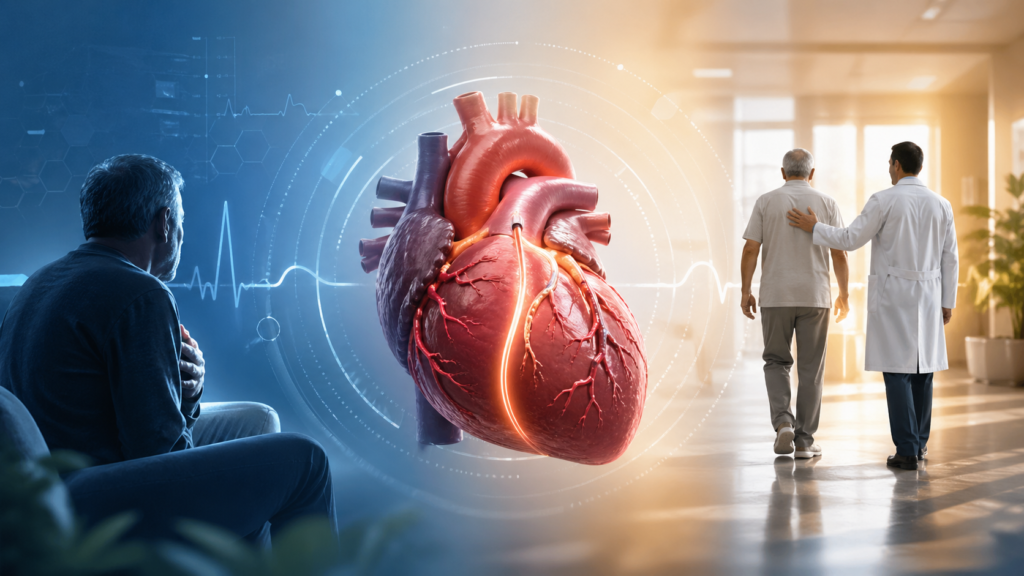
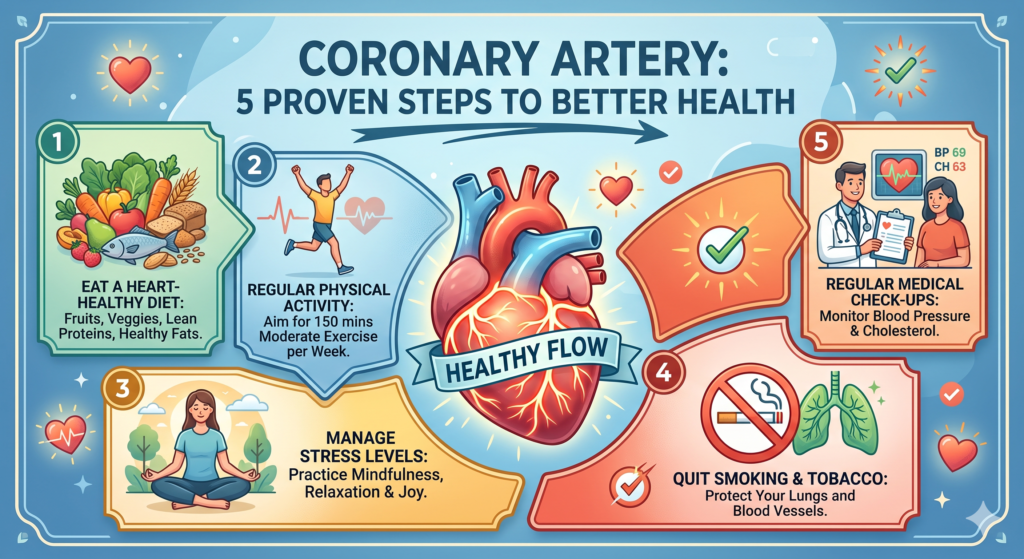
 Coronary Artery Disease is a serious and life-altering medical condition. Currently, it affects millions of people across the globe. Therefore, understanding how to manage this disease is incredibly important. Essentially, it happens when your heart’s major blood vessels become damaged. This damage is usually caused by a buildup of plaque. Consequently, your heart receives less oxygen and vital nutrients. However, you are not powerless against this diagnosis. In fact, you can take control of your health today. Dr. Vedprakash strongly believes in the power of lifestyle medicine. Thus, making small changes can yield massive health improvements. In this comprehensive guide, we will explore the best strategies available.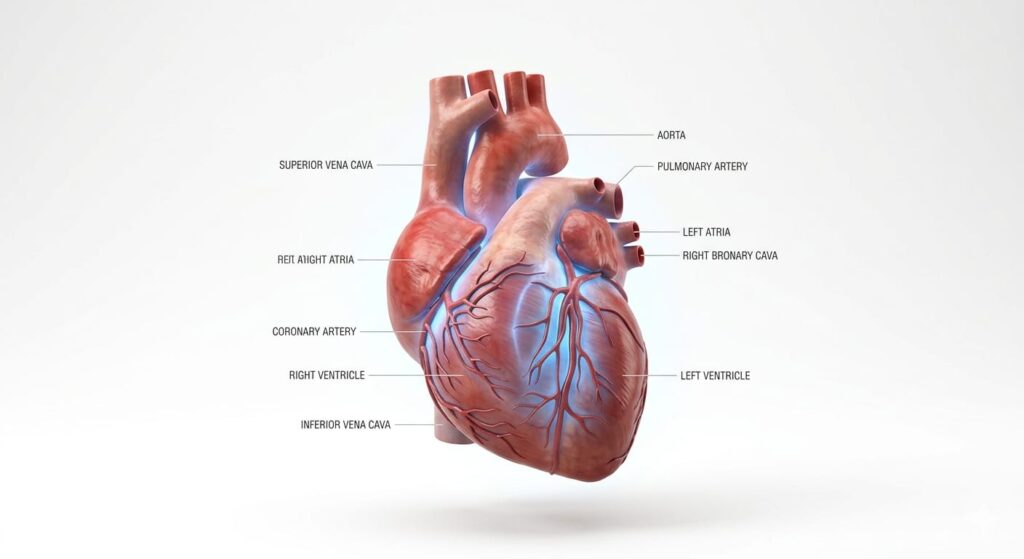
Coronary Artery Disease develops slowly over many decades. Often, people do not notice any symptoms until a blockage is severe. Primarily, this condition is driven by atherosclerosis. Atherosclerosis is the scientific term for plaque hardening inside your arteries. Importantly, this plaque is made of cholesterol, fat, and cellular waste. Over time, this mixture creates a thick, hard wall. Consequently, the space for blood to flow becomes very narrow in Coronary Artery.
Furthermore, this narrowing forces your heart to pump much harder. Eventually, the heart muscle weakens from this constant, exhausting effort. Sometimes, a piece of this hardened plaque can rupture suddenly. If this happens, a blood clot will form around the rupture. Ultimately, this blood clot can completely block the artery. This sudden blockage is what causes a dangerous heart attack in context of Coronary Artery. Therefore, preventing plaque buildup is your primary goal.
According to Dr. Vedprakash, early detection saves countless lives. You must pay attention to subtle warning signs. For example, chest pain or angina is a very common symptom. Additionally, you might experience unexplained shortness of breath. Some people feel unusual fatigue after mild physical exertion. Therefore, you should never ignore these vital warning signals. Indeed, your body is telling you that it needs immediate help in context of Coronary Artery.

-
Alt Text: Heart healthy foods to manage cardiovascular health.
Nutrition is your first line of defense against Coronary Artery Disease. Specifically, the food you eat directly impacts your blood vessels. Therefore, you must view your meals as medical treatments. A heart-healthy diet drastically reduces inflammation inside your body. Moreover, it lowers bad cholesterol levels naturally and safely.
First, you must focus on consuming whole, unprocessed foods. For instance, fresh vegetables and fruits should fill half your plate. Vegetables are packed with essential vitamins and powerful antioxidants. Consequently, these nutrients protect your artery walls from cellular damage. Dark leafy greens, like spinach and kale, are particularly beneficial. They contain dietary nitrates that help open up your blood vessels.
Second, you need to monitor your daily fat intake carefully. However, you should not avoid all fats entirely. Instead, you must avoid artificial trans fats completely. Trans fats are often found in cheap, processed, and fried foods. Furthermore, you should limit saturated fats from red meat and dairy. Conversely, you should increase your intake of healthy, unsaturated fats. Olive oil, avocados, and raw nuts are excellent choices. They actively help to lower your bad LDL cholesterol in context of Coronary Artery.
The Power of Omega-3 Fatty Acids
Omega-3 fatty acids are incredibly crucial for heart patients. Specifically, they reduce the risk of dangerous irregular heartbeats. In addition, they slow down the growth of arterial plaque. Therefore, you should eat fatty fish twice a week. Salmon, mackerel, and sardines are fantastic sources of Omega-3s. If you do not like fish, consider a high-quality supplement. However, always consult Dr. Vedprakash before starting new supplements.
Reducing Sodium for Better Blood Pressure
High blood pressure accelerates the progression of Coronary Artery Disease. Unfortunately, excessive dietary sodium is a major cause of high blood pressure. Therefore, you must drastically cut back on table salt. Moreover, hidden salt in restaurant meals is a massive hidden danger. Consequently, cooking your meals at home gives you total control. Instead of salt, use fresh herbs and vibrant spices. Garlic, turmeric, and black pepper add massive flavor without the risks.
Ultimately, changing your diet takes time and consistent patience. You will not become perfect overnight, and that is okay. However, making one small change every week yields massive results. Indeed, your heart will thank you for this incredible nutritional effort in context of Coronary Artery.
Physical inactivity is a major risk factor for Coronary Artery Disease. Conversely, regular exercise acts like a miracle drug for your heart. When you exercise, your heart muscle becomes much stronger. Furthermore, a strong heart pumps blood more efficiently with less effort. Therefore, your overall resting heart rate will decrease over time.
The American Heart Association provides clear, scientific guidelines for exercise. Specifically, they recommend at least 150 minutes of moderate activity weekly. Alternatively, you can do 75 minutes of vigorous activity. However, if you have heart disease, you must start very slowly. Always get medical clearance from Dr. Vedprakash before exercising.
Building a Safe Exercise Routine
You do not need to run a marathon to be healthy. In fact, brisk walking is one of the best exercises available. Walking is low-impact, highly accessible, and totally free. Therefore, try to walk for thirty minutes, five days a week. If thirty minutes is too much, break it into smaller sessions. For example, walk for ten minutes three times a day. Consequently, you will still receive the exact same cardiovascular benefits in context of Coronary Artery.
Additionally, swimming and cycling are excellent, joint-friendly options. These activities keep your heart rate elevated safely. Moreover, they build impressive endurance over a long period. Furthermore, you should include light strength training in your routine. Lifting light weights twice a week builds essential muscle mass. Consequently, having more muscle helps your body burn fat faster.
Listening to Your Body During Exercise
While exercising, you must always listen to your body closely. It is normal to feel slightly breathless and warm. However, you should never feel sharp pain or severe dizziness. If you experience chest pressure, you must stop immediately. Furthermore, if you feel lightheaded, sit down and rest. Therefore, pushing through chest pain is extremely dangerous for heart patients. Always carry your prescribed emergency medications, like nitroglycerin, with you in context of Coronary Artery.
Ultimately, consistency is the key to cardiovascular success. You must make physical activity a daily, non-negotiable habit. Over time, your energy levels will increase dramatically. Furthermore, your mood will improve due to natural endorphins. Therefore, exercise is a holistic treatment for both body and mind.

-
Alt Text: Regular exercise prevents Coronary Artery Disease complications.
To conquer Coronary Artery Disease, you must protect your bloodstream. Unfortunately, modern life surrounds us with various harmful toxins. The most destructive toxin for your heart is cigarette smoke. Therefore, if you smoke, quitting is your absolute top priority in context of Coronary Artery.
Smoking physically damages the delicate lining of your arteries. Consequently, this damage makes it easier for sticky plaque to build up. Furthermore, cigarette smoke lowers your good HDL cholesterol. Additionally, it raises your blood pressure and increases your heart rate. Importantly, smoking makes your blood thicker and more likely to clot. A sudden blood clot is exactly what triggers a fatal heart attack.
The Journey to Quitting Tobacco
Quitting smoking is incredibly difficult, but it is entirely possible. You do not have to do it completely alone. In fact, seeking medical support greatly increases your success rate. Dr. Vedprakash can prescribe helpful medications to ease severe cravings. Moreover, nicotine replacement therapies, like patches, are very effective in context of Coronary Artery.
Furthermore, you must avoid secondhand smoke whenever possible. Breathing in someone else’s smoke is almost as dangerous. Therefore, politely ask friends and family not to smoke around you. Protect your healing lungs and recovering heart at all costs. Remarkably, your heart disease risk drops dramatically within a year of quitting. Therefore, every single smoke-free day is a massive medical victory.
Managing Alcohol Consumption
Besides tobacco, you must evaluate your daily alcohol intake. Excessive alcohol is toxic to your sensitive heart muscle. It can raise blood pressure and cause irregular, dangerous heartbeats. Furthermore, alcoholic drinks are packed with useless, empty calories. Consequently, these calories contribute to unwanted weight gain and obesity.
If you do not drink, you absolutely should not start. However, if you do drink, you must do so very moderately. This means one drink per day for women. For men, the limit is strictly two drinks per day. Ultimately, reducing alcohol protects your liver and your heart simultaneously.
Mental health directly influences your physical cardiovascular health. Unfortunately, chronic stress is a silent killer in modern society. When you are stressed, your body releases cortisol and adrenaline. Consequently, these stress hormones prepare your body for a physical fight. Your heart rate skyrockets, and your blood pressure spikes dangerously.
While this response is helpful in emergencies, it is bad long-term. If you are always stressed, your heart never gets a break. Therefore, constant stress accelerates the worsening of Coronary Artery Disease. Furthermore, stressed people often cope with bad, unhealthy habits. They might overeat junk food, smoke cigarettes, or skip exercise completely.
Effective Stress Reduction Techniques
You must actively incorporate relaxation into your daily schedule. Firstly, deep breathing exercises are incredibly fast and effective. When you feel anxious, take five slow, deep breaths. This simple action signals your nervous system to calm down immediately.
Secondly, meditation is a powerful tool for cardiac patients. You only need ten minutes of quiet meditation daily. Sit in a comfortable chair, close your eyes, and focus. Consequently, daily meditation physically lowers your resting blood pressure. Furthermore, yoga combines physical stretching with mental relaxation perfectly.
The Importance of High-Quality Sleep
Stress management is impossible without adequate, restful sleep. Sadly, poor sleep is a major risk factor for heart disease. When you sleep, your heart rate and blood pressure drop. This gives your cardiovascular system a much-needed rest. Therefore, you must aim for seven to eight hours nightly.
To improve sleep, create a strict, calming bedtime routine. Turn off all glowing screens one hour before bed. Instead, read a physical book or listen to soft music. Furthermore, keep your bedroom dark, cool, and very quiet. If you snore loudly, you might have sleep apnea. Sleep apnea puts enormous stress on the heart overnight. Therefore, you should mention loud snoring to Dr. Vedprakash immediately.
You cannot successfully manage a disease blindly. Therefore, routine medical screenings are absolutely mandatory for your survival. Because Coronary Artery Disease is often silent, tests are crucial. You must know your numbers to protect your future.
Specifically, you need to track your blood pressure regularly. High blood pressure physically tears the inside of your arteries. Ideally, your blood pressure should be below 120/80 mm Hg. You can buy a reliable home monitor for daily tracking. Furthermore, you must know your complete cholesterol profile. This includes your total cholesterol, HDL, LDL, and triglycerides.
Working With Your Cardiologist
Building a strong relationship with your doctor is vital. Dr. Vedprakash emphasizes personalized, patient-centered cardiac care. During your visits, your doctor might order an EKG. An EKG measures the electrical activity of your heart quickly. It can reveal past heart attacks or dangerous abnormal rhythms.
Additionally, you might need a comprehensive stress test. A stress test shows how your heart performs under pressure. Usually, you will walk on a treadmill while connected to monitors. Consequently, this helps doctors identify hidden blockages in your arteries. If necessary, your doctor might recommend an echocardiogram. This is an ultrasound that creates pictures of your beating heart.
Medication Adherence
If lifestyle changes are not enough, medications are necessary. You must take your prescribed medications exactly as directed. Never stop taking heart pills without your doctor’s permission. For example, statins are drugs that aggressively lower bad cholesterol. Furthermore, beta-blockers slow your heart rate and lower your blood pressure in context of Coronary Artery.
Additionally, you might need daily blood thinners, like low-dose aspirin. These prevent sticky blood clots from forming in narrow arteries. Sometimes, medications have mild, temporary side effects. If you feel unwell, do not just stop the pill. Instead, call Dr. Vedprakash to adjust your specific dosage safely.
Sometimes, Coronary Artery Disease reaches a critical, dangerous stage. When blockages are severe, lifestyle and pills are not enough. Therefore, you might require advanced medical procedures to restore blood flow. Fortunately, modern cardiology offers incredibly effective, life-saving treatments in context of Coronary Artery.
Angioplasty and Stenting
Percutaneous Coronary Intervention, or angioplasty, is very common. During this procedure, a doctor inserts a tiny, deflated balloon. This balloon is threaded up into your blocked coronary artery. Once inside the blockage, the doctor inflates the balloon safely. Consequently, the balloon squashes the hard plaque against the artery wall.
This action immediately widens the artery and restores blood flow. Usually, the doctor will also place a tiny wire mesh tube. This tube is called a medical stent. Essentially, the stent acts like a permanent scaffold inside the artery. It keeps the freshly opened blood vessel from collapsing again. Today, most stents are coated with special medication. This medication actively prevents new scar tissue from blocking the stent in context of Coronary Artery.
Coronary Artery Bypass Grafting (CABG)
If you have multiple severe blockages, you might need surgery. Coronary Artery Bypass Grafting is a major open-heart surgery. However, it is incredibly safe and highly successful today. During CABG, a surgeon takes a healthy blood vessel from your leg. Or, they might take an artery from your chest wall.
Then, they sew this healthy vessel above and below the blockage. Therefore, the blood completely bypasses the narrowed, diseased artery segment. The blood flows smoothly through the new, clean pathway instead. Recovery from bypass surgery takes several weeks of careful rest. However, it provides excellent long-term relief from severe angina symptoms.
Ultimately, your medical team will decide the best treatment path. They will consider your age, symptoms, and overall health status. Regardless of the procedure, you still must follow the five lifestyle steps. Surgery fixes the mechanical plumbing, but it does not cure the disease. Therefore, diet and exercise prevent new blockages from forming elsewhere.
Patients often have many questions about their cardiovascular health. Therefore, we have compiled the most common, pressing inquiries below. Dr. Vedprakash believes that an educated patient is a healthy patient.
1. Is Coronary Artery Disease completely curable?
No, it is generally considered a chronic, lifelong condition. However, it is highly manageable and treatable. By strictly following diet, exercise, and medical protocols, you can halt its progression. In some very strict dietary cases, slight reversal of plaque is possible.
2. Can I live a normal life with this disease?
Yes, absolutely. Millions of people live long, vibrant, active lives after diagnosis. The key is early detection and immediate, aggressive lifestyle modification. If you follow your doctor’s advice carefully, your prognosis is excellent.
3. What does angina actually feel like?
Angina is often described as a heavy pressure or squeezing sensation. Many patients say it feels like an elephant sitting on their chest. Importantly, this pain can radiate to your left arm, jaw, or back. It usually happens during physical stress and goes away with rest.
4. Are women at risk for this disease?
Yes. Heart disease is actually the leading killer of adult women globally. Unfortunately, women often experience different, subtler warning symptoms than men do. They might feel extreme nausea, profound fatigue, or upper abdominal pain. Therefore, women must be incredibly vigilant about their heart screenings.
5. How does diabetes affect my heart?
Diabetes is a massive, independent risk factor for arterial disease. High blood sugar literally damages the inner lining of your blood vessels. Consequently, this makes it incredibly easy for cholesterol plaque to stick. Therefore, managing your blood sugar is identical to managing your heart health in context of Coronary Artery.
6. Can genetic factors cause heart blockages?
Yes, your family history plays a huge role in your risk profile. If your parents had early heart attacks, your risk is elevated. However, genetics only load the gun; lifestyle pulls the trigger. Therefore, you can overcome bad genetics with a pristine, healthy lifestyle.
7. Is it safe to have sex with heart disease?
Generally, yes. If you can climb two flights of stairs without chest pain, sex is usually safe. However, always discuss this specific topic frankly with your cardiologist. Certain heart medications cannot be mixed with erectile dysfunction drugs safely.
8. What is a “silent” heart attack?
A silent heart attack happens without the classic, crushing chest pain. You might just feel unusually tired, slightly dizzy, or have mild indigestion. Consequently, people often ignore these subtle signs entirely. A doctor usually discovers the damage later during a routine EKG test in context of Coronary Artery.
9. Should I take an aspirin every single day?
You should only take daily aspirin if Dr. Vedprakash prescribes it. While aspirin prevents clots, it also increases your risk of stomach bleeding. Therefore, the medical guidelines have changed recently for older adults. Never start daily aspirin therapy without professional, personalized medical advice.
10. How quickly can lifestyle changes make a difference?
Your body responds incredibly fast to positive, healthy changes. Within hours of quitting smoking, your blood pressure begins to normalize. Within a few weeks of healthy eating, your cholesterol numbers will improve. Therefore, it is literally never too late to start protecting your heart in context of Coronary Artery.
Conclusion: Taking Control of Your Future
Facing a diagnosis of Coronary Artery Disease is undeniably frightening. However, fear should not paralyze you; it should motivate you. You possess incredible power over your own cardiovascular destiny. By adopting these five proven strategies, you protect your heart daily.
Firstly, filling your plate with nutritious, whole foods provides healing fuel. Secondly, committing to daily movement keeps your cardiovascular engine strong. Thirdly, eliminating toxic habits like smoking stops further internal damage immediately. Fourthly, managing your mental stress protects your physical heart rhythm beautifully. Finally, partnering with a skilled professional ensures you stay perfectly on track.
Heart health is a marathon, not a quick, easy sprint. Therefore, be kind to yourself when you experience inevitable setbacks. If you eat a bad meal or skip a workout, do not panic. Simply restart your healthy habits the very next morning. Consistency over years is what truly saves lives and clears arteries.
Reach out to Dr. Vedprakash today to schedule a comprehensive evaluation. Do not wait for a heart attack to prioritize your vascular health. Your heart beats around one hundred thousand times every single day. Therefore, it absolutely deserves your time, respect, and utmost daily care. Take the first brave step toward a healthier, longer life today.