
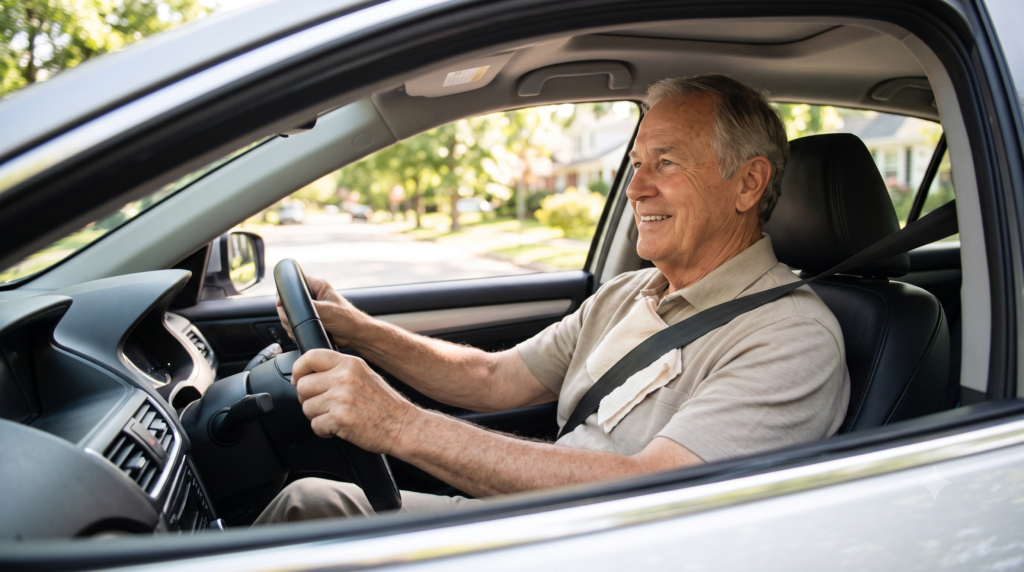
 Are you asking yourself, when can I drive after heart valve surgery? Naturally, this is a very common question. Therefore, you are definitely not alone in your curiosity. Many patients desperately want their personal independence back quickly. However, healing your chest takes significant time. In addition, returning to the open road too soon is dangerous. Consequently, you must wait for official medical clearance. Dr. Vedprakash at dr-vedprakash.com provides expert guidance right here. Ultimately, your long-term safety is our biggest priority. Let us comprehensively explore the exact timeline for your safe return.

The Big Question for Patients
Losing your independence is genuinely frustrating. Consequently, patients often feel completely stuck at home. First, you heavily rely on family members for basic transportation. Moreover, this constant reliance can feel highly stressful daily. However, extreme patience is extremely crucial right now. Your body recently underwent a major medical procedure. Therefore, asking when can I drive after heart valve surgery is perfectly normal. Your breastbone simply needs complete rest to heal properly. In addition, your physical reflexes are much slower than normal. Thus, rushing back behind the wheel is a terrible idea. Ultimately, we want you fully recovered first.
 Understanding the Healing Timeline
Healing from a major operation is a slow process. Specifically, your divided breastbone takes many weeks to fuse. Therefore, standard recovery timelines are carefully designed for safety. First, the initial four weeks are strictly for resting. Furthermore, physical exertion must be kept very minimal. However, light walking is highly encouraged every single day. In addition, bone healing requires proper nutrition and deep sleep. Consequently, pushing yourself physically delays actual bone fusion. Thus, you must strictly follow your surgeon’s specific timeline. Ultimately, patience guarantees a much stronger physical recovery.
When Can I Drive After Heart Valve Surgery?
So, exactly when can I drive after heart valve surgery? Generally, most patients must wait four to six weeks. However, this specific timeline heavily depends on your healing rate. First, your breastbone must be completely and structurally stable. Furthermore, you must totally stop taking any strong narcotic painkillers. In addition, your physical reflexes must return to absolute normal. Therefore, Dr. Vedprakash will carefully evaluate you at your follow-up appointment. Consequently, never drive before your doctor explicitly clears you. Ultimately, waiting those full six weeks protects your fragile chest.

5 Safe Tips for Returning to the Road
Getting back behind the wheel requires careful preparation. Before you figure out when can I drive after heart valve surgery, prepare carefully. Therefore, clearly follow these five tips for your own safety.
1. Start with Very Short Trips First, do not drive for long distances initially. Instead, safely drive around your quiet local neighborhood. Consequently, you can test your physical comfort easily.
2. Bring a Trusted Passenger Moreover, always bring a trusted family member with you. If you feel unexpectedly tired, they can easily take over. Thus, you avoid getting stranded far from home.
3. Avoid Heavy Highway Traffic In addition, entirely skip the busy highways during your first week. High speeds require extremely fast physical reflexes. Therefore, strongly stick to slow, familiar residential streets.
4. Listen to Your Body Furthermore, carefully monitor any chest pain while steering. If turning the wheel physically hurts, stop driving immediately. Consequently, pain strictly means your chest is not fully healed yet.
5. Drive During Daylight Hours Ultimately, night driving is much more stressful and visually demanding. Therefore, only drive when outside visibility is absolutely perfect.
 Medications and Driving Risks
Pain management is a huge part of your recovery. However, strong medications heavily impair your driving ability. First, narcotic painkillers make you dangerously drowsy. Moreover, they significantly slow down your crucial brain functions. Therefore, operating a heavy vehicle is strictly prohibited while taking them. In addition, some blood pressure pills cause severe dizziness. Consequently, you must be entirely off strong painkillers first. Thus, always strictly ask Dr. Vedprakash about your specific pill side effects. Ultimately, medication management heavily dictates your driving timeline.
The Danger of Airbag Deployment
Safety devices in modern cars are normally very helpful. However, a deploying airbag is incredibly dangerous for heart patients. Specifically, airbags forcefully deploy with massive physical impact. Therefore, aggressively hitting a healing breastbone causes catastrophic internal damage. In addition, even a tiny fender bender can trigger deployment. Consequently, this is exactly why the strict six-week rule exists. Your bone must be perfectly strong enough to withstand sudden impacts. Thus, asking when can I drive after heart valve surgery is largely about bone strength.
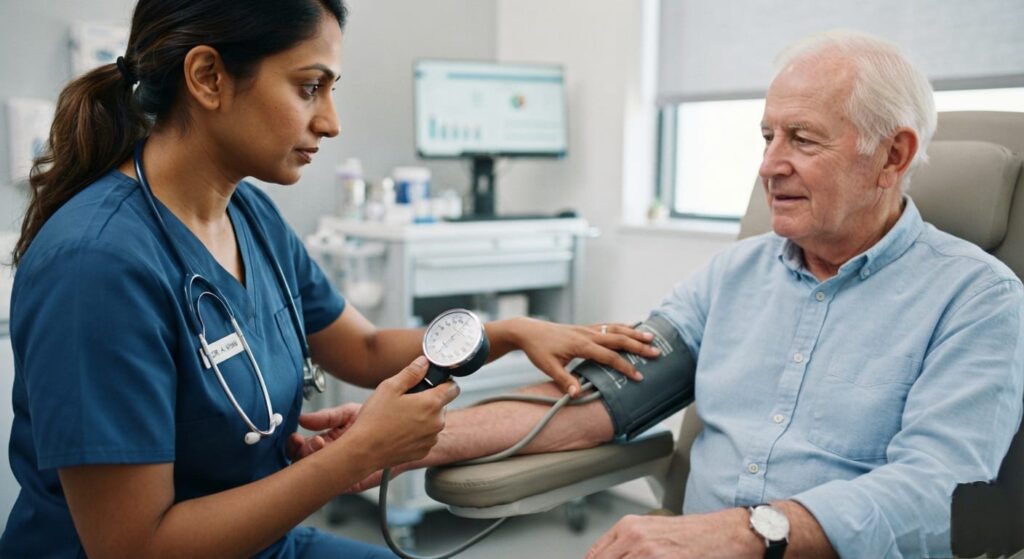 Checking Your Motor Skills
Your physical reflexes must be perfectly sharp for safe driving. First, you must rapidly move your foot between pedals. Moreover, you critically need to firmly grip and turn the steering wheel. However, recent surgery leaves your upper body feeling very weak. In addition, you must comfortably physically look over your shoulder. Therefore, safely try these movements while sitting securely at home. If looking backwards causes severe chest pain, do not drive. Consequently, your body will clearly tell you when it is ready. Ultimately, motor skills return slowly but surely.
Taking Your First Drive
Your very first drive should be highly controlled. Once cleared, answering when can I drive after heart valve surgery becomes a reality. Therefore, pick a perfectly sunny and dry afternoon. First, precisely adjust your seat to a highly comfortable position. Furthermore, ensure the seatbelt rests gently across your chest. You can carefully place a small, soft towel under the strap. Consequently, this cleverly prevents painful rubbing against your fresh scar. In addition, strictly keep the car radio completely turned off. Thus, you can focus entirely on the open road ahead.
 Signs You Should Stop Driving
Sometimes, ambitious patients try to drive just a bit too early. However, you must quickly recognize the immediate warning signs. First, diligently watch out for sudden dizziness or severe lightheadedness. Moreover, extreme fatigue after a short drive is a huge red flag. Therefore, instantly pull over safely if you feel overly exhausted. In addition, sharp chest pain during steering means you must stop. Consequently, absolutely do not stubbornly push through the physical discomfort. Ultimately, returning home safely is the only logical goal.
Alternative Transportation Options
While you are temporarily unable to drive, you have great options. First, heavily rely on your loving friends and family. Moreover, people genuinely want to help during your difficult recovery. Therefore, politely ask them for simple rides to the grocery store. In addition, easily utilize modern rideshare applications on your smartphone. Consequently, getting to your medical appointments remains incredibly easy. Furthermore, some local community centers offer completely free medical transport. Thus, you never have to feel completely trapped at home. Ultimately, exploring these easy alternatives reduces your daily mental stress.
 The Role of Cardiac Rehab
Cardiac rehabilitation is highly essential for regaining your full strength. This program helps answer when can I drive after heart valve surgery with confidence. First, supervised exercise drastically improves your overall stamina. Moreover, trained nurses carefully monitor your heart rate during workouts. Therefore, you safely build up your physical endurance every week. In addition, targeted rehab helps improve your necessary upper body mobility. Consequently, strongly steering a heavy car becomes much easier later on. Thus, faithfully attending these sessions speeds up your driving clearance. Ultimately, active participation in rehab is highly recommended by dr-vedprakash.com.

Final Thoughts from Dr. Vedprakash
Recovering from major surgery takes massive daily patience. However, your temporary loss of driving is completely worth it. First, a perfectly healed chest entirely prevents terrible future complications. Moreover, safely returning to normal activities requires strict medical guidance. Therefore, always discuss your progress directly with Dr. Vedprakash at dr-vedprakash.com. In addition, boldly keep asking questions about your daily physical limits. Thus, you proudly guarantee an incredibly smooth and safe recovery journey. Ultimately, safely answering when can I drive after heart valve surgery ensures a very healthy future.