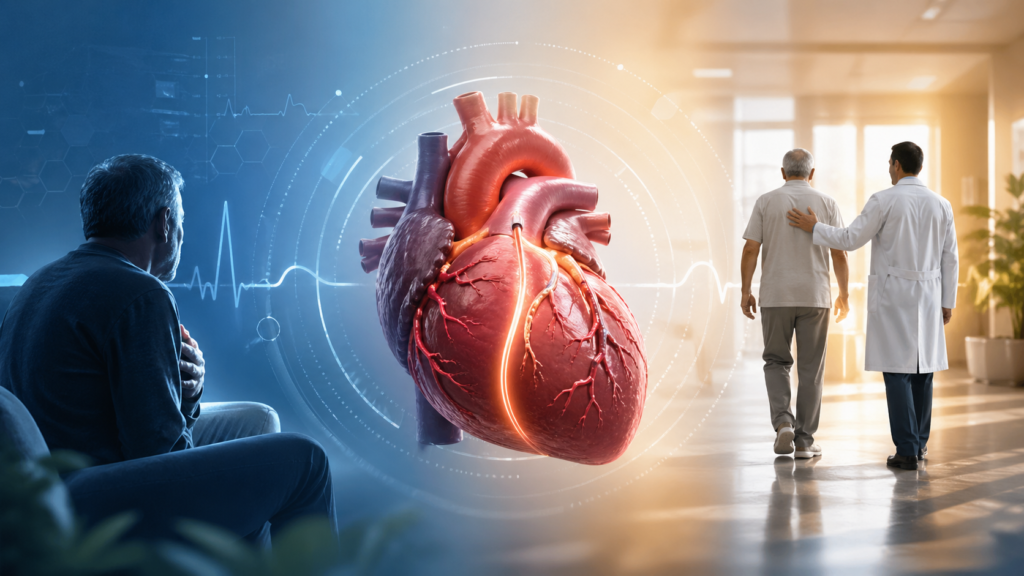
Finding the best cardiac surgeon in Bhubaneswar can feel overwhelming, especially when you or a loved one is facing a heart condition. Cardiac problems demand timely, expert care — and the right surgeon can make all the difference between a long recovery and a swift return to normal life. Bhubaneswar has grown rapidly over the past decade, not just as a smart city but as a leading healthcare destination in Eastern India. Today, patients from across Odisha and neighbouring states no longer need to travel to distant metros for world-class cardiac treatment.
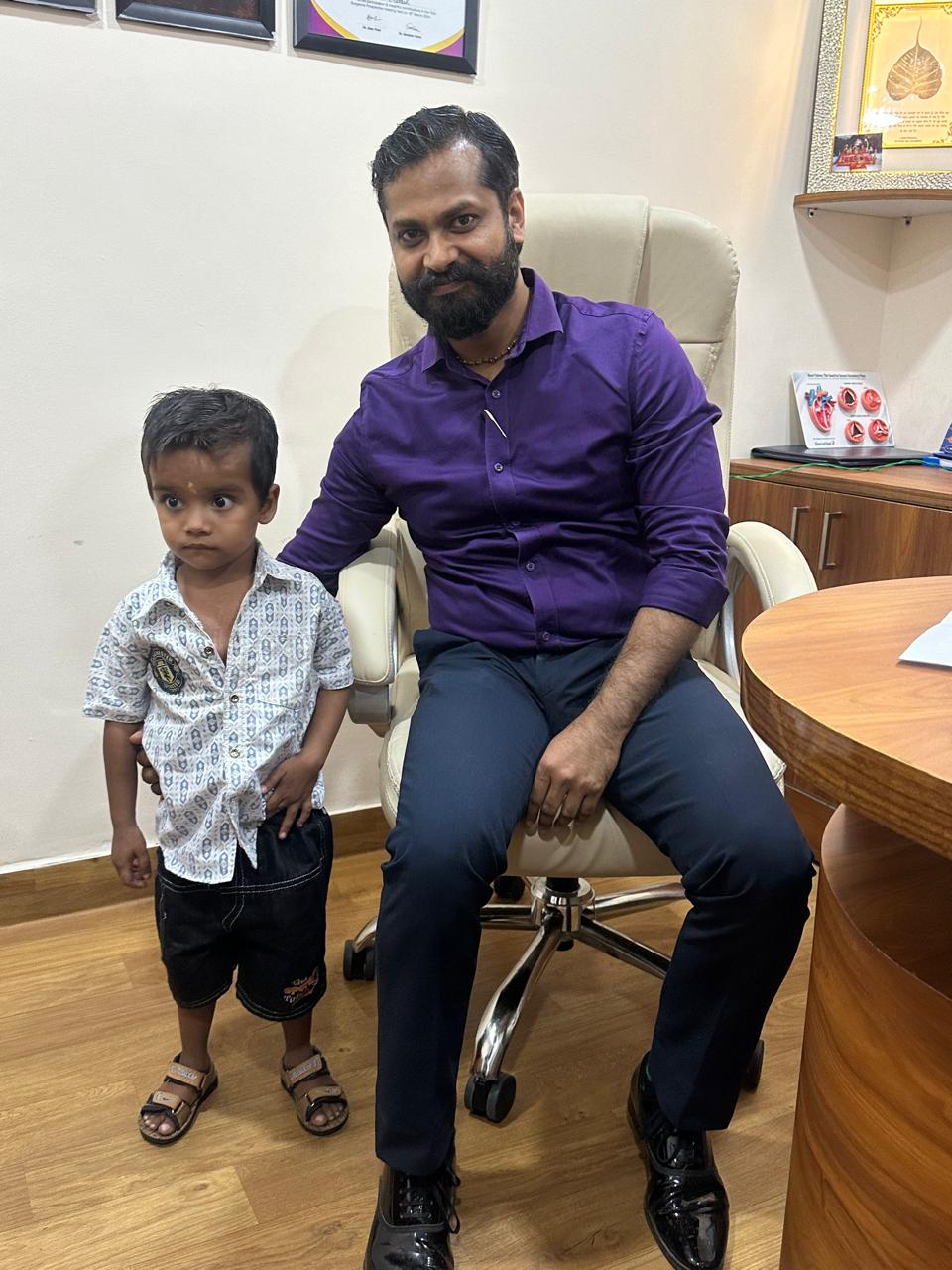
Dr. Ved Prakash is a highly experienced cardiac surgeon who brings advanced clinical expertise, ethical practice, and a deeply compassionate approach to every patient. Whether you are dealing with chest pain, a recent heart attack, valve disease, or need guidance on bypass surgery, expert cardiac care is now accessible right here in Bhubaneswar. Much like the quality of care provided by the best cardiac surgeon in Hyderabad, patients in Odisha can now receive equally advanced heart treatment close to home.
Common Heart Conditions That Require Expert Care
Heart disease remains the leading cause of death in India, and Odisha is no exception. Understanding the conditions that affect the heart helps you recognise problems early and seek treatment before complications arise. Here are the most common cardiac conditions seen in Bhubaneswar and across the state:
- Coronary Artery Disease (CAD): The most prevalent heart condition, caused by plaque buildup in the arteries supplying blood to the heart. It leads to reduced blood flow, chest pain, and eventually heart attacks if untreated.
- Heart Blockage: Partial or complete obstruction of one or more coronary arteries. Depending on severity, treatment ranges from medication and lifestyle changes to angioplasty or bypass surgery.
- Angina: Chest pain or discomfort caused by reduced blood flow to the heart muscle. Stable angina occurs during exertion, while unstable angina can strike at rest and signals an emergency.
- Hypertension Complications: Uncontrolled high blood pressure damages blood vessels over time, leading to heart enlargement, heart failure, stroke, and kidney disease.
- Arrhythmia: Irregular heartbeat — the heart may beat too fast, too slow, or with an erratic rhythm. Some arrhythmias are harmless, while others can be life-threatening.
- Congenital Heart Defects: Structural abnormalities present from birth, ranging from small holes in the heart to complex malformations requiring surgical correction in infancy or later life.
- Peripheral Artery Disease (PAD): Narrowing of arteries in the legs or arms, causing pain during walking, numbness, and increased cardiovascular risk.
- Rheumatic Heart Disease: Common in rural India, this condition results from untreated rheumatic fever and damages heart valves, often requiring surgical intervention. Patients seeking expert consultation can also explore care from a best cardiologist in Jammu for second opinions on valve disease management.
📞 Book a Cardiac Consultation — Early diagnosis saves lives. Do not wait for symptoms to worsen.
Heart Disease Warning Signs You Should Never Ignore
Your body often sends warning signals well before a cardiac emergency strikes. Recognising these signs early and acting on them can prevent irreversible heart damage:
- Chest pressure or tightness: A squeezing, heavy sensation in the centre or left side of the chest, especially during physical activity or emotional stress.
- Breathlessness during daily activities: Difficulty breathing while climbing stairs, walking short distances, or even lying flat at night.
- Persistent fatigue: Unexplained tiredness that does not improve with rest, particularly if it is a new symptom.
- Dizziness or fainting: Sudden lightheadedness, loss of balance, or brief episodes of unconsciousness.
- Rapid or irregular heartbeat: Palpitations, skipped beats, or a racing heart that occurs without obvious cause.
- Pain radiating to the arm, jaw, or back: Discomfort that spreads beyond the chest is a classic warning sign of a heart attack.
- Swollen ankles and feet: Fluid retention in the lower extremities can indicate heart failure or poor cardiac output.
If you experience any combination of these symptoms — especially chest pain with breathlessness — seek medical attention immediately. Time is critical in cardiac emergencies.
Who Is at Risk? Key Risk Factors for Heart Disease
India carries one of the highest burdens of heart disease globally, and the risk factors are deeply intertwined with our lifestyle, genetics, and dietary habits. Understanding your personal risk profile is the first step toward prevention.
- High Blood Pressure: Hypertension is often called the “silent killer” because it damages arteries for years without symptoms. Indians develop hypertension at younger ages compared to Western populations, making regular monitoring essential after age 30.
- Diabetes: India is the diabetes capital of the world. Elevated blood sugar accelerates atherosclerosis (plaque buildup), making diabetic patients two to four times more likely to develop heart disease.
- Family History of Heart Disease: If a parent or sibling had a heart attack before age 55 (men) or 65 (women), your risk is significantly higher. Genetic predisposition combined with poor lifestyle habits creates a dangerous combination.
- Smoking and Tobacco Use: Smoking damages the lining of blood vessels, raises blood pressure, and reduces oxygen in the blood. Gutka and chewing tobacco — widely used across Odisha — are equally harmful to the cardiovascular system.
- Obesity and Sedentary Lifestyle: Excess weight, particularly abdominal fat, increases strain on the heart. Physical inactivity compounds this risk. Even 30 minutes of brisk walking daily can reduce heart disease risk by up to 30%.
- High Cholesterol: Elevated LDL (“bad”) cholesterol contributes directly to arterial plaque. Many Indians have a genetic tendency toward unfavourable cholesterol ratios, even at normal body weight.
- Chronic Stress: Prolonged mental stress triggers hormonal responses that raise blood pressure, promote inflammation, and contribute to unhealthy coping behaviours like overeating or smoking.
If two or more of these risk factors apply to you, a cardiac evaluation is strongly recommended — even if you feel perfectly fine today.
📞 Book a Cardiac Consultation — Know your risk. Get screened today.

Best Cardiac Surgeon in Bhubaneswar – Accessible Expert Care for All of Odisha
Bhubaneswar has emerged as the healthcare hub of Eastern India, and for good reason. The city’s modern hospital infrastructure, excellent road and rail connectivity, and growing pool of specialist doctors mean that patients from across Odisha no longer need to endure the expense and stress of travelling to Delhi, Mumbai, or Chennai for heart treatment.
Patients travel to Bhubaneswar from districts such as Cuttack, Puri, Khordha, Jajpur, Balasore, Sambalpur, Berhampur (Ganjam), Rourkela (Sundargarh), Angul, and Dhenkanal to access quality cardiac care. Whether you are coming from the coastal belt, the western highlands, or the tribal districts, Bhubaneswar is well-connected by NH-16, the East Coast Railway, and Biju Patnaik International Airport.
Within the city, residents of Saheed Nagar, Jaydev Vihar, Patia, Chandrasekharpur, Nayapalli, Khandagiri, Rasulgarh, Mancheswar, Baramunda, and Old Town can easily access cardiac consultation without long commutes. This accessibility is what makes the best cardiac surgeon in Bhubaneswar a practical choice for thousands of families across the state.
Comprehensive Cardiology Services
Cardiac Diagnostics
Accurate diagnosis is the foundation of effective heart treatment. The following diagnostic services help identify cardiac problems at their earliest stages:
- ECG (Electrocardiogram): Records the heart’s electrical activity to detect rhythm abnormalities, heart attacks, and other conditions.
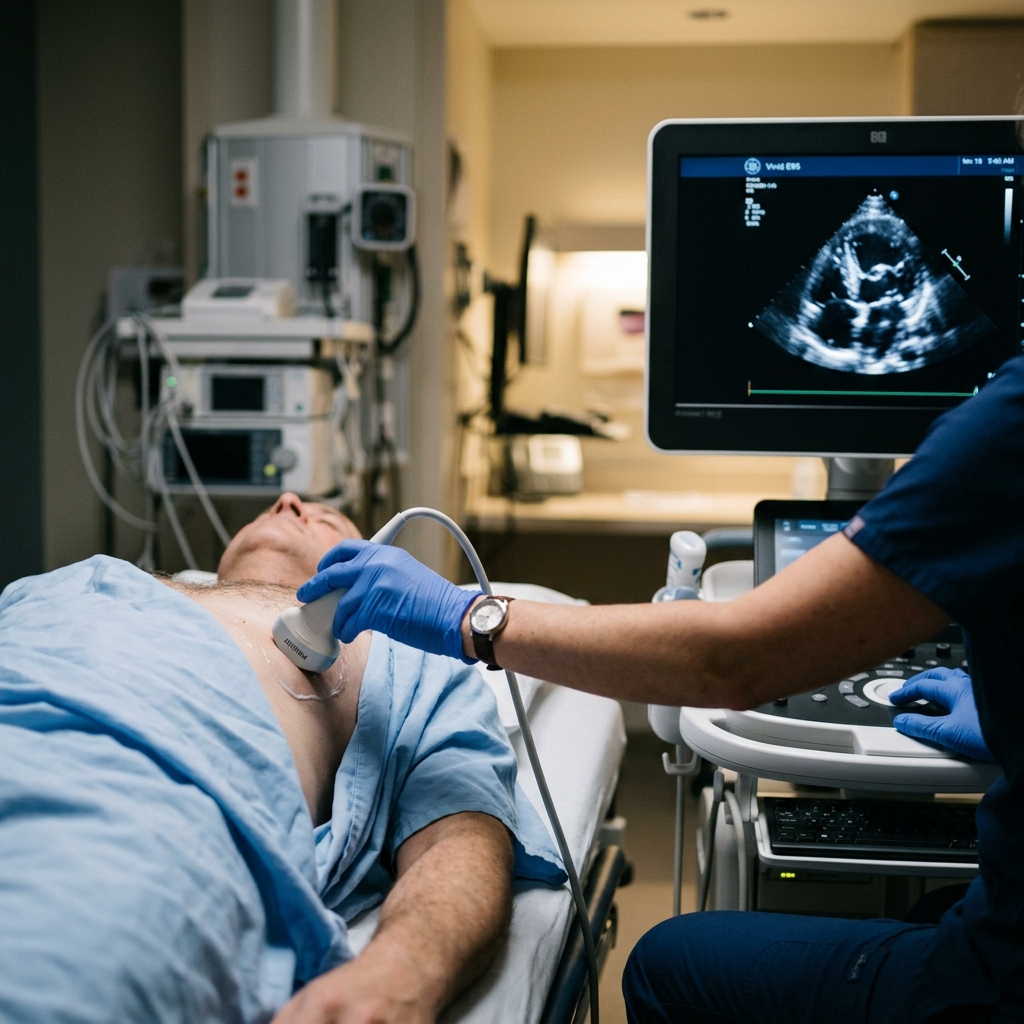
- 2D Echocardiography: An ultrasound of the heart that shows its structure, valve function, and pumping efficiency in real time.
- TMT / Treadmill Test: A stress test that monitors heart performance during physical exertion to detect exercise-induced ischaemia.
- Cardiac CT Scan: Provides detailed images of coronary arteries to assess calcium scores and blockage severity without invasive procedures.
- Holter Monitoring: A 24-48 hour continuous ECG recording that captures intermittent arrhythmias missed during standard testing.
- Lipid Profile & Cardiac Biomarkers: Blood tests measuring cholesterol levels, troponin, BNP, and other markers that indicate cardiac stress or damage.
Interventional & Surgical Care
When medication and lifestyle changes are not enough, interventional and surgical options provide definitive treatment:
- Coronary Angiography: A catheter-based imaging procedure that maps the coronary arteries and identifies blockages with precision.
- Angioplasty with Stenting: A minimally invasive procedure to open blocked arteries using a balloon and metal stent, restoring normal blood flow.
- CABG (Bypass Surgery) Consultation: Expert evaluation for patients with multi-vessel disease who may benefit from surgical bypass grafting.
- Valve Repair / Replacement Consultation: Assessment and planning for patients with damaged or diseased heart valves, including rheumatic valve disease.
- Preventive Cardiology: Risk stratification and personalised prevention plans for patients with multiple risk factors but no established disease.
- Heart Failure Management: Comprehensive medical and device-based management for patients with weakened heart function.
- Cardiac Rehabilitation: Structured recovery programmes combining supervised exercise, dietary guidance, and psychological support after heart procedures.
The standard of cardiac care available in Bhubaneswar today is comparable to what patients find when consulting a cardiologist in Jamshedpur or other major centres across Eastern India — advanced, evidence-based, and patient-focused.
📞 Book a Cardiac Consultation — Get the right diagnosis and treatment plan.
The Dr. Ved Prakash Approach to Heart Care
What sets Dr. Ved Prakash apart is not just clinical skill — it is a philosophy of care that places the patient at the centre of every decision. Here is what you can expect:
- Evidence-Based Clinical Decisions: Every recommendation is grounded in the latest medical research and established cardiac guidelines — no unnecessary procedures, no guesswork.
- Ethical and Transparent Treatment: Patients receive honest explanations of their condition, all available treatment options, and realistic outcomes. There are no hidden agendas.
- Patient-Centred Communication: Medical jargon is translated into clear, understandable language. Patients and families are active partners in treatment decisions.
- Personalised Treatment Plans: No two hearts are the same. Treatment is tailored to each patient’s unique medical history, risk profile, lifestyle, and preferences.
- Long-Term Follow-Up: Cardiac care does not end after a procedure. Regular follow-up ensures sustained recovery, medication adjustment, and early detection of recurrence.
- Affordable Care Without Compromising Quality: High-quality cardiac treatment should be accessible to everyone, regardless of financial background.
Why Choose Dr. Ved Prakash for Cardiac Care?
Choosing a heart doctor is one of the most important healthcare decisions you will make. Here is why patients across Odisha and Eastern India trust Dr. Ved Prakash:
- Extensive Cardiac Surgical Experience: Years of hands-on experience managing the full spectrum of cardiac conditions, from routine cases to complex surgeries.
- Outstanding Patient Outcomes: A consistent track record of successful treatments, low complication rates, and high patient satisfaction.
- Trusted Across Odisha and Eastern India: Patients from Cuttack, Puri, Sambalpur, Rourkela, Berhampur, and beyond seek Dr. Ved Prakash’s expertise.
- Transparent and Ethical Practice: No unnecessary tests, no inflated bills, no pressure tactics — just honest, evidence-based medicine.
- Compassionate Patient Relationships: Every patient is treated with dignity, empathy, and respect. Questions are welcomed, and concerns are addressed thoroughly.
- High Standards of Cardiac Care: From diagnostics to post-surgical rehabilitation, every aspect of care meets rigorous clinical standards.
When to Seek a Cardiac Surgeon’s Opinion
Many patients delay seeking a cardiac surgeon’s opinion, hoping medications alone will resolve their condition. While medical management works for many, there are situations where a surgical consultation becomes essential:
- After a heart attack — to evaluate the extent of damage and determine if surgical intervention is needed.
- When medications fail to control symptoms such as chest pain, breathlessness, or fatigue.
- Following abnormal test results — significant blockages on angiography, reduced ejection fraction on echocardiography, or abnormal stress test findings.
- Valve disease — when a leaking or narrowed valve begins to affect heart function and quality of life.
- Congenital heart defects — structural issues that require surgical correction for long-term survival.
- Family history of heart disease combined with new symptoms — even mild symptoms deserve evaluation when genetic risk is high.
- Adults over 40 with diabetes and/or hypertension — proactive cardiac screening can detect silent heart disease before it becomes dangerous.
Early consultation often means more treatment options and better outcomes. Do not wait for an emergency.
Understanding the Cost of Cardiac Treatment in Bhubaneswar
One of the most common concerns patients have is the cost of heart treatment. While we do not quote specific prices — as costs vary based on individual circumstances — here are the key factors that influence cardiac treatment expenses:
- Type of Hospital: Government hospitals, private hospitals, and super-specialty centres have different pricing structures.
- Procedure Complexity: A routine diagnostic angiography costs significantly less than a multi-vessel bypass surgery. The number of stents, type of grafts, and surgical complexity all play a role.
- Diagnostic Requirements: Some patients need extensive pre-operative testing, while others may need only basic evaluations.
- Length of Hospital Stay: ICU days, ward stay, and recovery time affect the final bill.
The good news is that cardiac treatment in Bhubaneswar is significantly more affordable than in metros like Delhi, Mumbai, or Chennai — without any compromise on quality. Many hospitals in Bhubaneswar are empanelled under Ayushman Bharat (PMJAY), which provides cashless cardiac treatment for eligible families. Private health insurance and employer-sponsored plans also cover most cardiac procedures.
Dr. Ved Prakash’s practice is committed to transparency in billing. Every cost is discussed upfront, so there are no surprises.
Protecting Your Heart: Prevention Strategies That Work
Prevention is always better — and cheaper — than treatment. The majority of heart disease cases in India are preventable with consistent lifestyle changes. Here is what works:
- Heart-Healthy Indian Diet: Reduce oil, salt, and sugar. Include more dal, green vegetables, whole grains, fish, and seasonal fruits. Avoid deep-fried snacks and processed foods.
- 30+ Minutes of Daily Walking: Brisk walking is one of the most effective exercises for heart health. Start slowly and build up gradually.
- Stress Management: Yoga, pranayama, and meditation are deeply rooted in Indian culture and scientifically proven to lower blood pressure and reduce cardiac risk.
- Quit Tobacco Completely: Whether you smoke cigarettes, bidi, or use gutka — quitting is the single most impactful change you can make for your heart.
- Annual Cardiac Checkups After Age 35: A basic cardiac screening (ECG, lipid profile, blood sugar, blood pressure) takes less than an hour and can detect problems years before symptoms appear.
- Blood Pressure and Blood Sugar Monitoring: If you have been diagnosed with hypertension or diabetes, regular home monitoring and medication compliance are non-negotiable.
- Adequate Sleep: Poor sleep — especially conditions like sleep apnoea — is an independent risk factor for heart disease. Aim for 7-8 hours of quality sleep each night.
For a detailed guide on lifestyle changes that protect your heart, read our comprehensive resource on heart attack prevention tips. Small daily habits add up to big results over a lifetime.
📞 Book a Cardiac Consultation — Prevention starts with awareness. Get your heart screened.
Frequently Asked Questions
1. Who is the best cardiac surgeon in Bhubaneswar?
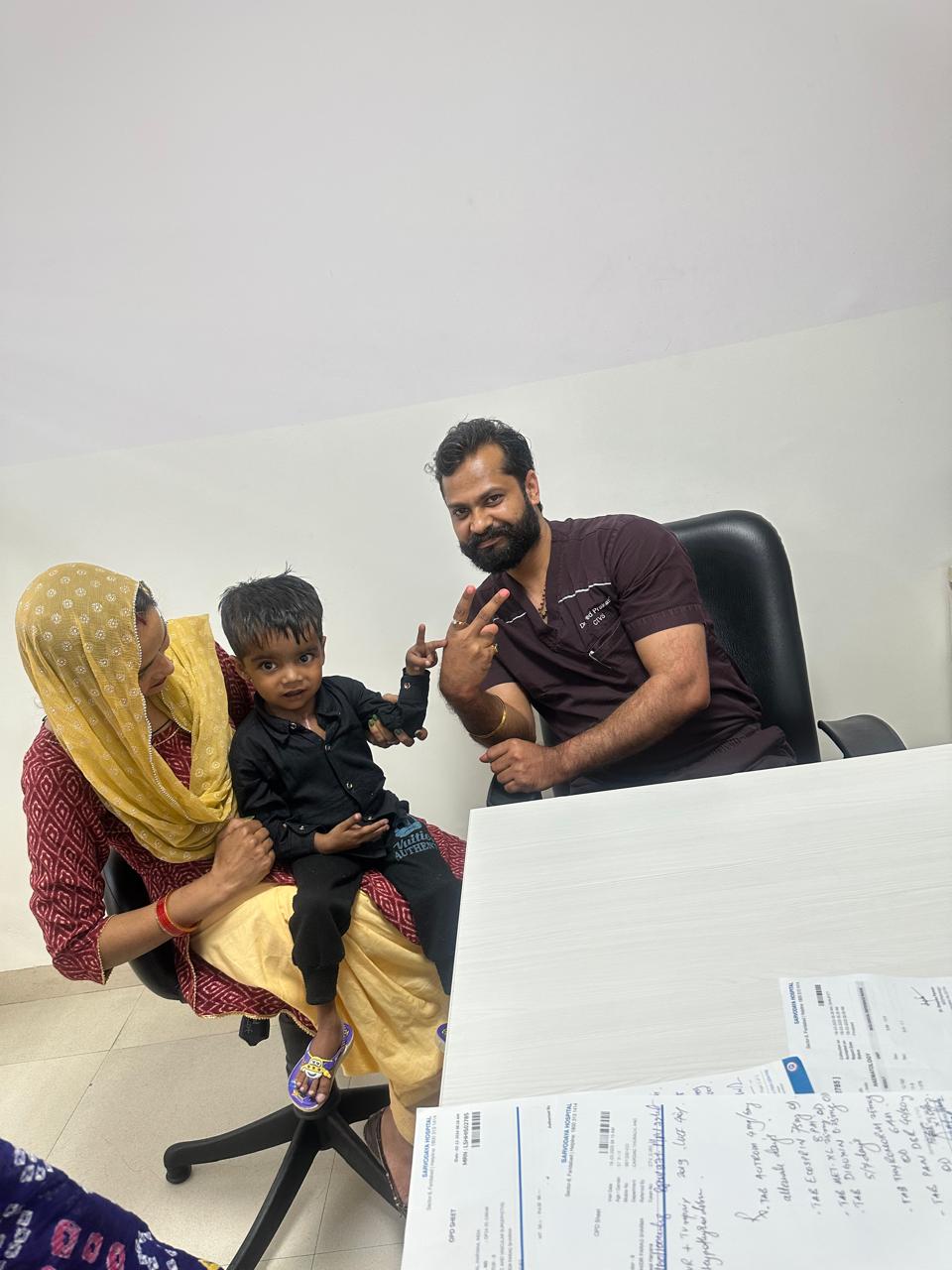
Dr. Ved Prakash is widely regarded as one of the best cardiac surgeons in Bhubaneswar. With extensive experience in cardiac surgery, interventional cardiology, and preventive heart care, he provides evidence-based, ethical treatment to patients from across Odisha and Eastern India.
2. Is advanced heart surgery available in Bhubaneswar?
Yes. Bhubaneswar has multiple super-specialty hospitals equipped with state-of-the-art cardiac catheterisation labs, operation theatres, and ICU facilities. Procedures such as angioplasty, CABG (bypass surgery), and valve replacement are performed routinely with outcomes comparable to major metros.
3. What is the difference between a cardiologist and a cardiac surgeon?
A cardiologist is a physician who diagnoses and manages heart conditions through medication and non-surgical interventions like angioplasty. A cardiac surgeon performs open-heart surgeries, including bypass grafting, valve repair or replacement, and correction of congenital defects. Both specialists often collaborate for comprehensive patient care.
4. How much does angioplasty cost in Bhubaneswar?
Angioplasty costs in Bhubaneswar vary depending on the hospital, type and number of stents used, and the patient’s overall condition. However, costs are generally 30-50% lower than in metros like Delhi or Mumbai. Many hospitals accept Ayushman Bharat and private insurance, reducing out-of-pocket expenses significantly.
5. Do I need to travel to a metro city for heart surgery?
Not anymore. Bhubaneswar now offers world-class cardiac surgical facilities, experienced surgeons, and comprehensive post-operative care. Patients from across Odisha receive the same quality of treatment here that was once available only in Delhi, Mumbai, or Chennai.
6. What are the warning signs of a heart attack?
Key warning signs include severe chest pain or pressure, pain radiating to the left arm, jaw, or back, sudden breathlessness, cold sweats, nausea, dizziness, and extreme fatigue. If you experience these symptoms, call emergency services immediately — every minute counts during a heart attack.
7. How can I prevent heart disease naturally?
Heart disease prevention involves regular physical activity (at least 30 minutes of brisk walking daily), a balanced diet low in saturated fat and salt, quitting tobacco, managing stress through yoga or meditation, maintaining a healthy weight, and getting annual cardiac check-ups after age 35. Consistent small changes make the biggest difference.
8. When should I get a cardiac checkup?
Everyone should begin baseline cardiac screening by age 35, or earlier if you have risk factors such as a family history of heart disease, diabetes, hypertension, obesity, or a smoking habit. If you experience symptoms like chest discomfort, breathlessness, or palpitations at any age, get evaluated immediately.