
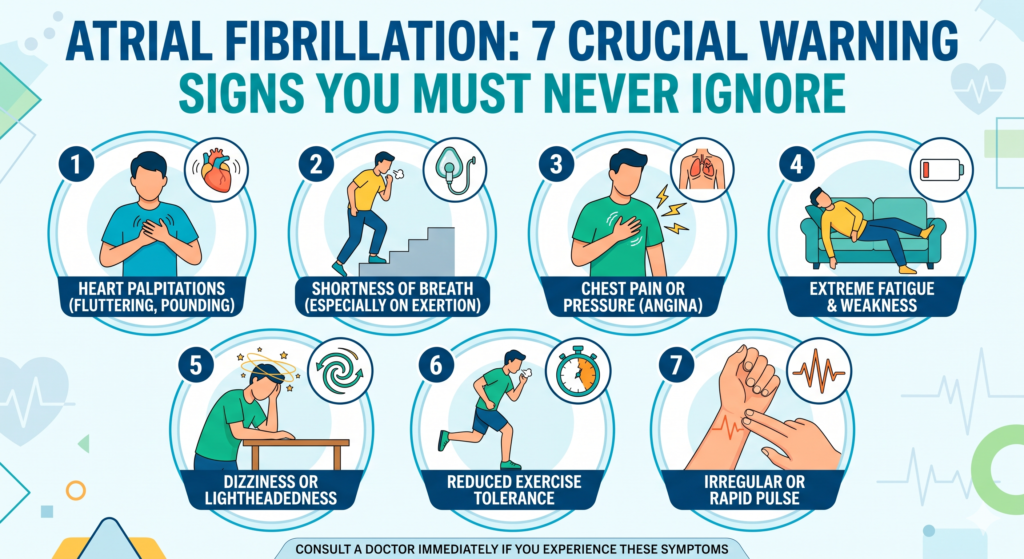
 Suspect Atrial Fibrillation? Dr. Ved Prakash explains 7 crucial warning signs you must never ignore. Protect your heart health and prevent serious risks today.
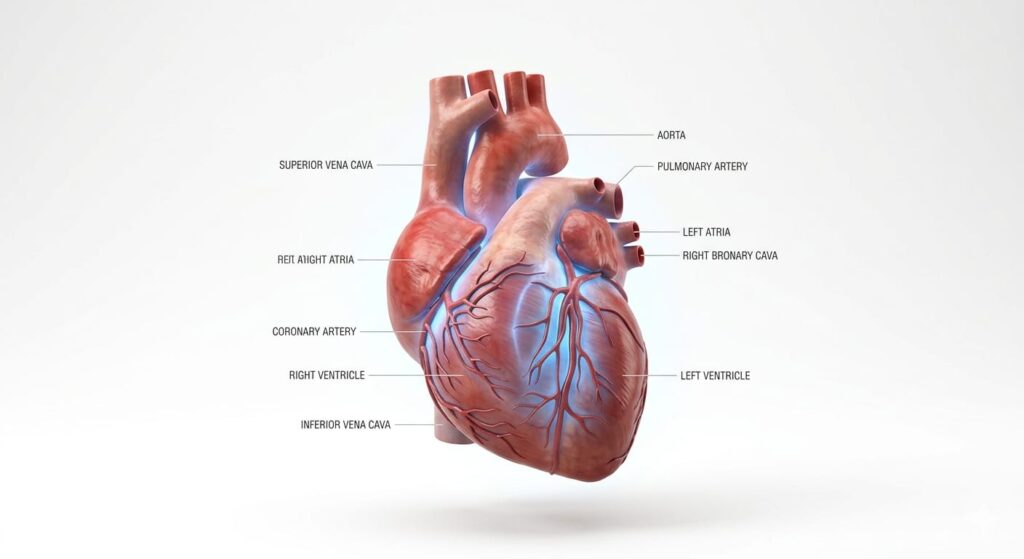
Introduction to Heart Health(Atrial Fibrillation)
Atrial Fibrillation is a very serious medical condition that affects millions of people worldwide. Therefore, recognizing its symptoms early is absolutely vital. In addition, prompt medical care can prevent devastating complications. However, many individuals mistakenly dismiss the early warning signals. They often attribute these feelings to stress or aging. Consequently, they delay seeking the critical help they need. Dr. Ved Prakash at dr-vedprakash.com urges everyone to stay vigilant. Your heart sends clear messages when something goes wrong. Thus, you simply need to know how to listen.
In this comprehensive guide, we will explore the human heart. Specifically, we will detail seven crucial warning signs. Furthermore, we will explain why these symptoms happen. Most importantly, we will guide you on what to do next. Taking action today could ultimately save your life. Let us dive into the details of this common yet dangerous condition.
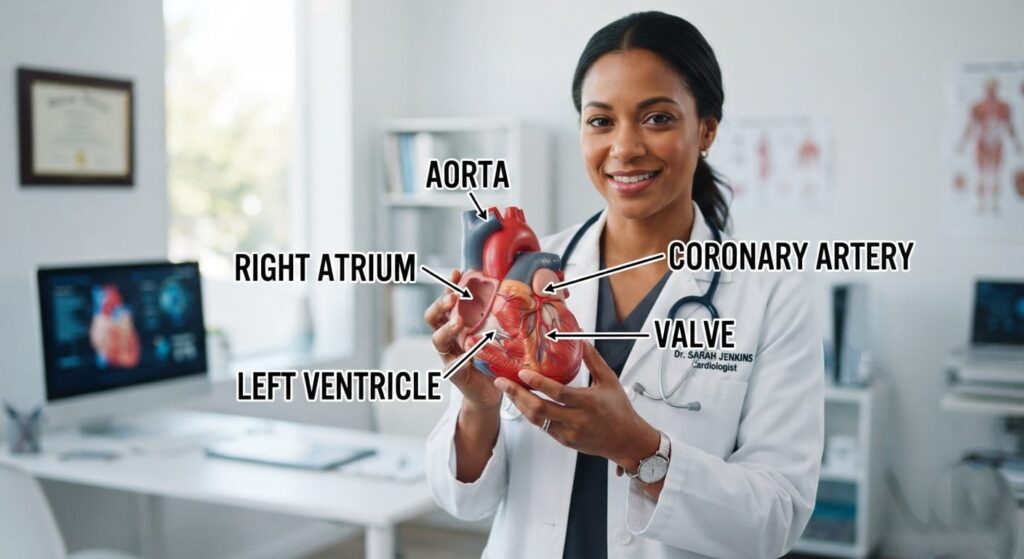 What is Atrial Fibrillation?
Atrial Fibrillation is an irregular and often very rapid heart rhythm. Medical professionals frequently refer to it as AFib. In this condition, the heart’s upper chambers beat out of coordination. Specifically, they quiver instead of contracting properly. Therefore, blood does not flow efficiently to the lower chambers. As a result, this poor blood flow can lead to severe issues.
For instance, blood clots can form inside the heart. Eventually, these clots might travel to the brain. If this happens, a catastrophic stroke can occur. In fact, AFib increases stroke risk significantly. According to the American Heart Association (External Dofollow Link), patients with AFib face up to a five times higher risk of stroke. Therefore, understanding this disease is your first line of defense. Dr. Ved Prakash emphasizes that knowledge is power. Consequently, early intervention is the best strategy.
The Mechanics of a Healthy Heartbeat
To understand Atrial Fibrillation, you must understand a normal heartbeat. Your heart has an internal electrical system. Normally, this system works flawlessly. First, an electrical signal starts in the upper right chamber. Then, it travels precisely across the heart. Consequently, this electrical wave causes a rhythmic contraction. This contraction pumps blood to your body.
However, AFib disrupts this beautiful, coordinated process. Instead of a single, strong signal, chaotic signals fire. Therefore, the upper chambers quiver rapidly. Because of this chaos, the heart cannot pump efficiently. In addition, the lower chambers try to keep up. Thus, your pulse becomes erratic. Sometimes, it beats too fast. Other times, it beats too slowly. Ultimately, your body suffers from a lack of oxygenated blood.
Sign 1: Unpredictable Heart Palpitations
Heart palpitations are the most common sign of Atrial Fibrillation. Often, patients describe a fluttering sensation in their chest. Sometimes, it feels like the heart is skipping a beat. Alternatively, it might feel like a racehorse galloping inside you. These sensations can happen at any time. For instance, you might be resting on the couch. Suddenly, your chest starts pounding intensely.
Therefore, you must never ignore this feeling. Occasional palpitations can be harmless. However, persistent or sudden palpitations are a major red flag. In addition, these episodes might last for a few minutes. Conversely, they could last for several hours. If you feel this erratic rhythm, you must act. Specifically, you should consult Dr. Ved Prakash immediately. He can perform tests to see your heart’s electrical activity. Finding out the cause brings massive peace of mind.
Sign 2: Sudden Shortness of Breath
Shortness of breath is another critical symptom. Normally, your heart pumps oxygen-rich blood effortlessly. However, Atrial Fibrillation severely reduces this pumping efficiency. Consequently, fluid can build up in your lungs. When this happens, breathing becomes incredibly difficult. You might feel winded after simple tasks. For example, walking up a small flight of stairs could leave you gasping.
Furthermore, this symptom can strike even when you are resting. Therefore, it is incredibly frightening for patients. Many people mistake this for asthma or simply being out of shape. However, this assumption is incredibly dangerous. In reality, your heart is struggling to keep up with your body’s demands. Thus, unexplained breathlessness requires immediate medical evaluation. Do not wait for it to magically disappear. Instead, schedule an appointment to protect your health.
Sign 3: Extreme and Unexplained Fatigue
Fatigue is a sneaky but powerful indicator of Atrial Fibrillation. We all get tired from time to time. However, AFib causes a profound, deeply draining exhaustion. This is because your heart is working overtime. Yet, despite the hard work, it pumps blood inefficiently. Therefore, your muscles and organs lack vital oxygen. As a result, you feel constantly depleted of energy.
In addition, getting a full night of sleep rarely helps. You might wake up feeling just as exhausted. Simple daily chores become monumental tasks. For instance, doing laundry or cooking dinner feels impossible. Consequently, your quality of life drops drastically. Many older adults blame this on aging. However, extreme fatigue is not a normal part of getting older. It is a distress signal from a struggling cardiovascular system. Therefore, you must take it seriously.
Sign 4: Chest Pain or Discomfort
Chest pain is always a terrifying symptom. When Atrial Fibrillation occurs, the heart beats erratically. Sometimes, it beats exceedingly fast. Consequently, the heart muscle itself needs more oxygen. If it cannot get enough oxygen, pain develops. Patients often describe this as a tight, squeezing sensation. Furthermore, it might feel like a heavy weight sitting on the chest.
This symptom requires emergency attention. Specifically, chest pain can also indicate a heart attack. Therefore, you cannot afford to guess what is happening. You must seek professional medical care immediately. Dr. Ved Prakash at dr-vedprakash.com advises never delaying when chest discomfort arises. In addition, this pain might radiate to your arms, neck, or jaw. Ultimately, fast action is your best chance for a positive outcome. Do not ignore your heart’s urgent cry for help.
Sign 5: Dizziness and Lightheadedness
Feeling dizzy is a very common complaint with Atrial Fibrillation. Because the heart is beating irregularly, blood pressure can drop. Consequently, less blood reaches your brain. When your brain lacks blood, you feel lightheaded. Furthermore, the room might feel like it is spinning. Some patients even experience episodes of fainting. Medical professionals call this syncope.
Therefore, dizziness is incredibly dangerous. For example, fainting can lead to severe falls and injuries. In addition, feeling dizzy while driving puts you and others at massive risk. If you frequently feel lightheaded, you must investigate the root cause. Do not simply sit down and wait for it to pass. Instead, you need a comprehensive cardiac evaluation. Checking your heart rhythm is essential. Thus, addressing this symptom promptly can prevent tragic accidents.
Sign 6: Drastically Reduced Exercise Capacity
Exercise capacity naturally varies from person to person. However, a sudden drop is a major warning sign. Perhaps you used to jog two miles every morning. Now, you struggle to walk around the block. Atrial Fibrillation is often the hidden culprit behind this decline. Because your heart cannot pump efficiently, your muscles lack fuel. Therefore, they simply cannot perform as they used to.
Consequently, your legs might feel incredibly heavy during workouts. In addition, your heart rate might spike dangerously high with minimal effort. Many people become frustrated and simply stop exercising. However, stopping exercise does not solve the underlying problem. Instead, you must figure out why your endurance vanished. Dr. Ved Prakash can help assess your cardiovascular fitness. Ultimately, treating the AFib can restore your ability to stay active.
Sign 7: Unexplained Sweating and Anxiety
Sudden sweating can be startling. With Atrial Fibrillation, your body enters a state of panic. The erratic heartbeat triggers your nervous system. Consequently, your “fight or flight” response activates. Therefore, you might break out in a cold sweat. This happens even if the room is perfectly cool. In addition, this physical reaction brings severe anxiety.
Many patients feel a deep sense of impending doom. They know something is wrong inside their chest. Furthermore, this anxiety can make the heart beat even faster. Thus, a vicious cycle of panic and physical symptoms begins. If you experience sweating and anxiety out of nowhere, take notice. Do not just blame stress from work or family. Instead, consider that your heart might be misfiring. Professional diagnosis is absolutely crucial for your peace of mind.
Why You Must Never Ignore These Symptoms
Ignoring Atrial Fibrillation is a dangerous gamble. The symptoms themselves are uncomfortable. However, the hidden complications are truly terrifying. As mentioned earlier, stroke is the biggest threat. When the atria quiver, blood pools inside them. Consequently, this stagnant blood forms dangerous clots. If a clot breaks free, it heads straight for the brain.
Furthermore, a stroke caused by AFib is often more severe. It causes greater disability and has a higher mortality rate. In addition to stroke, untreated AFib leads to heart failure. Over time, the erratic beating weakens the heart muscle. Therefore, the heart becomes too weak to pump at all. This condition requires intensive, lifelong management. Ultimately, early detection prevents these catastrophic outcomes. You owe it to yourself and your family to stay healthy.
Common Risk Factors and Triggers
Understanding your personal risk is very important. Several factors increase your chances of developing Atrial Fibrillation. First, age is a significant factor. As you get older, your risk steadily increases. Second, high blood pressure is a massive contributor. Over time, high pressure damages the heart’s delicate structures. Therefore, controlling your blood pressure is vital.
In addition, other heart conditions play a huge role. For instance, valve disease or a history of heart attacks increases risk. Furthermore, lifestyle choices impact your heart greatly. Heavy alcohol consumption is a known trigger for AFib episodes. Similarly, severe obesity strains the entire cardiovascular system. Sleep apnea is also closely linked to irregular heart rhythms. Consequently, managing these underlying conditions is essential. Dr. Ved Prakash evaluates all these factors during your consultation.
How Dr. Ved Prakash Diagnoses the Condition
Getting a proper diagnosis is the most important step. Fortunately, diagnosing Atrial Fibrillation is usually straightforward. When you visit dr-vedprakash.com, you receive comprehensive care. First, the doctor will take a detailed medical history. He will ask about your symptoms and lifestyle. Then, he will listen carefully to your heart.
To confirm the diagnosis, an Electrocardiogram (ECG) is used. This painless test records your heart’s electrical signals. Therefore, it clearly shows any chaotic rhythms. However, AFib can sometimes come and go. Thus, a standard ECG might miss it. In these cases, you might wear a Holter monitor. This device records your heart for 24 to 48 hours. In addition, echocardiograms are used to view the heart’s structure. Consequently, the doctor gets a complete picture of your health.
Modern Treatment Options and Management
Once diagnosed, effective treatment is readily available. The goals are simple. First, doctors want to prevent blood clots. Second, they want to control your heart rate. Third, they aim to restore a normal rhythm if possible. To prevent strokes, blood thinners are frequently prescribed. These medications keep your blood flowing smoothly.
Furthermore, medications can slow down a racing heart. Beta-blockers and calcium channel blockers are commonly used. Therefore, your heart does not work as hard. In some cases, a procedure called cardioversion is necessary. This involves delivering a controlled electrical shock to the heart. Consequently, it resets the heart’s rhythm perfectly. For more persistent cases, catheter ablation is an option. This minimally invasive procedure destroys the tiny areas causing erratic signals. Ultimately, Dr. Ved Prakash will design a highly personalized treatment plan just for you.
The Role of Blood Thinners in Prevention
Blood thinners, or anticoagulants, are life-saving medications. Because Atrial Fibrillation causes blood to pool, clotting is a severe risk. Therefore, doctors heavily rely on these drugs. They prevent the formation of dangerous masses inside the heart. In the past, Warfarin was the only option available. However, it required constant blood testing and dietary restrictions.
Today, medical science has advanced significantly. Newer medications are now widely available. These drugs are often called NOACs or DOACs. They do not require frequent blood monitoring. In addition, they have fewer interactions with food. Consequently, they are much easier for patients to manage. However, they still carry a risk of bleeding. Therefore, you must take them exactly as prescribed. Never stop taking your blood thinners without consulting your doctor first.
Heart Rate Control Strategies
Controlling the speed of your heartbeat is crucial. When Atrial Fibrillation occurs, the ventricles beat way too fast. This rapid beating tires out the heart muscle quickly. Therefore, doctors prescribe medications to slow things down. Beta-blockers are the most common choice. They block the effects of adrenaline on the heart.
As a result, your heart rate drops to a safer level. In addition, calcium channel blockers are highly effective. They relax the blood vessels and reduce the heart’s workload. Digoxin is another older, yet effective, medication. It strengthens the heart’s contractions while slowing the overall rate. Consequently, you will feel much less fatigued. Furthermore, your chest pain and shortness of breath will likely improve. Proper rate control drastically improves your daily quality of life.

Rhythm Control and Advanced Procedures
Sometimes, simply controlling the rate is not enough. Doctors may want to restore the heart’s normal rhythm entirely. This approach is called rhythm control. Anti-arrhythmic medications are often the first step. These powerful drugs help the electrical system function properly. However, they can have significant side effects. Therefore, careful monitoring is absolutely necessary.
If medications fail, electrical cardioversion is utilized. While the patient is sedated, a small shock is delivered. This shock resets the heart’s internal pacemaker. In addition, catheter ablation is a fantastic long-term solution. A cardiologist threads a thin tube into the heart. Then, they use heat or cold to destroy faulty tissue. Consequently, the chaotic electrical signals are permanently blocked. For many patients, ablation offers a permanent cure for their symptoms.
Living with a Pacemaker
In specific situations, a pacemaker becomes necessary. Sometimes, Atrial Fibrillation causes the heart to beat too slowly. Alternatively, the medications used to treat it slow the heart excessively. Therefore, a pacemaker ensures the heart beats at a safe speed. This small device is implanted just under the skin.
It constantly monitors your heart’s electrical activity. If it detects a dangerous pause, it sends a tiny impulse. Consequently, it forces the heart to beat normally. Modern pacemakers are incredibly advanced pieces of technology. Their batteries last for many years. In addition, they allow patients to live completely normal, active lives. If Dr. Ved Prakash recommends a pacemaker, do not be afraid. It is a powerful tool to protect your cardiovascular health and longevity.
Lifestyle Changes to Support Heart Health
Medical treatments are only one part of the puzzle. You must also commit to massive lifestyle changes. First, you absolutely must stop smoking immediately. Smoking severely damages your blood vessels and heart tissue. Second, managing your weight is crucial. Carrying excess fat forces your heart to work relentlessly. Therefore, losing even ten pounds makes a huge difference.
Furthermore, you should monitor your caffeine and alcohol intake. For some people, a single cup of strong coffee triggers an episode. Similarly, binge drinking is highly dangerous for AFib patients. Consequently, moderation is your best friend. In addition, managing chronic stress is vital. High stress levels pump cortisol and adrenaline into your bloodstream. Over time, this constant state of alert damages the heart. Explore meditation, yoga, or deep breathing exercises today.
The Importance of a Heart-Healthy Diet
What you eat directly impacts your Atrial Fibrillation. A heart-healthy diet reduces inflammation and lowers blood pressure. The Mediterranean diet is highly recommended by cardiologists worldwide. It focuses on fresh vegetables, fruits, and whole grains. In addition, it emphasizes healthy fats like olive oil.
Therefore, you should avoid processed foods whenever possible. They are packed with hidden sodium and dangerous trans fats. Excessive sodium spikes your blood pressure dramatically. Consequently, high blood pressure triggers AFib episodes. Furthermore, lean proteins like fish and chicken are excellent choices. Red meat should be limited strictly. By fueling your body with proper nutrients, your heart grows stronger. For more tailored dietary advice, always consult with a registered nutritionist.
Exercise and Physical Activity Safely
Exercise is medicine, even when you have a heart condition. However, you must approach physical activity intelligently. Never start a brutal workout regimen without medical clearance. Instead, begin with light, steady activities. Walking, swimming, and cycling are absolutely fantastic choices. These exercises strengthen the heart muscle safely.
Therefore, they improve your overall cardiovascular endurance. In addition, regular exercise helps control weight and blood pressure. Always warm up properly before starting. Consequently, your heart can slowly adapt to the increased demand. If you feel dizzy or short of breath, stop immediately. Pushing through the pain is a terrible idea. Your goal is consistency, not extreme intensity. Dr. Ved Prakash can help you design a safe, effective workout plan.

The Link Between Sleep Apnea and AFib
Sleep apnea is a massive, often ignored risk factor. This condition causes you to stop breathing briefly during sleep. Consequently, oxygen levels in your blood drop dangerously low. This sudden drop creates immense stress on the heart. Therefore, it triggers inflammation and high blood pressure. Studies show a huge link between untreated sleep apnea and Atrial Fibrillation.
In addition, treating AFib is much harder if sleep apnea remains ignored. Many patients require a CPAP machine at night. This device keeps the airway completely open. As a result, you sleep deeply and breathe continuously. Often, treating the sleep apnea makes the AFib disappear entirely. If you snore loudly or wake up exhausted, get tested immediately. A simple sleep study can provide life-saving answers.
Emotional Well-being and Mental Health
Dealing with a chronic heart condition takes a mental toll. Many patients develop severe anxiety and depression. The fear of having an episode or a stroke is constantly present. Therefore, you must prioritize your mental health. Do not suffer in silence. Instead, talk to your family and friends about your feelings.
Furthermore, joining a support group is incredibly beneficial. Connecting with others who understand your struggles brings immense comfort. Consequently, you feel much less isolated. In addition, seeking professional counseling is a wonderful idea. A therapist can teach you coping mechanisms for medical anxiety. Ultimately, a calm mind contributes to a calmer, healthier heart. Treat your mental well-being with the same urgency as your physical symptoms.
Preparing for Your Cardiology Appointment
When you visit dr-vedprakash.com, preparation is vital. You want to make the most of your time with the doctor. First, write down every single symptom you have experienced. Note exactly when they happen and how long they last. Second, make a complete list of all your medications. This includes vitamins and over-the-counter supplements.
Therefore, the doctor gets a full understanding of your regimen. In addition, bring a family member with you. They can help listen to the doctor’s instructions. Consequently, you will not forget important details. Write down your questions before you arrive. For instance, ask about side effects of new medications. Ask about the long-term outlook for your condition. Being proactive ensures you receive the absolute best care possible.
The Importance of Routine Checkups
Atrial Fibrillation is not a “treat it and forget it” disease. It requires ongoing, vigilant management. Routine checkups are absolutely non-negotiable. During these visits, Dr. Ved Prakash monitors your progress carefully. He checks if your medications are still working correctly. Furthermore, he looks for any new signs of heart damage.
Therefore, never skip a scheduled cardiology appointment. Even if you feel perfectly fine, hidden changes might be occurring. In addition, blood tests might be necessary to check your kidney and liver function. These organs process your heart medications. Consequently, their health is tied directly to your treatment plan. Staying ahead of the curve prevents emergency room visits later. Consistent medical monitoring is the key to a long, healthy life.
Monitoring Your Health at Home
Technology now allows incredible home monitoring. Smartwatches and portable ECG devices are wildly popular. Devices like the Apple Watch can actually detect irregular heart rhythms. Therefore, they serve as excellent early warning systems. If your watch alerts you to an AFib episode, take it seriously.
However, these devices do not replace a real doctor. They are tools to help you gather data. Consequently, share this data with your cardiologist. In addition, buy a reliable home blood pressure cuff. Check your pressure at the same time every single day. Keep a detailed logbook of your readings. If you notice a sudden, drastic change, call your clinic immediately. Empowering yourself with data makes you a better patient.
Understanding Stroke Risk with the CHA2DS2-VASc Score
Cardiologists use specific tools to calculate your stroke risk. The most common tool is the CHA2DS2-VASc score. This acronym stands for various risk factors. For instance, it looks at Congestive heart failure and Hypertension. It also factors in Age, Diabetes, and prior Strokes. Furthermore, vascular disease and gender play a role.
Therefore, your doctor assigns points for each category you fit into. If your score is high, your stroke risk is dangerously high. Consequently, blood thinners become absolutely mandatory. This scoring system removes the guesswork from treatment. It provides a clear, mathematical approach to your health. Thus, you can trust that your treatment plan is based on solid science. Always ask your doctor what your specific score is.
Navigating Life with Atrial Fibrillation
Living with AFib requires adjustments, but it is entirely manageable. You can still travel, work, and enjoy your hobbies. However, you must plan ahead diligently. If you are traveling, carry extra medication in your carry-on bag. Therefore, you are safe even if your luggage gets lost. Research hospitals near your vacation destination just in case.
In addition, wear a medical alert bracelet at all times. If you faint, paramedics need to know about your condition immediately. Furthermore, educate your close friends and coworkers. Tell them what to look for if you have a severe episode. Consequently, they can call for emergency help quickly. Knowledge and preparation strip away the fear. You control your life, not your heart condition.
Advanced Research and Future Treatments
The future of cardiology is incredibly bright. Researchers are constantly developing new ways to treat Atrial Fibrillation. New medications are currently in clinical trials. These drugs aim to stop AFib without dangerous side effects. Therefore, patients will soon have even better options. In addition, ablation technology is becoming incredibly precise.
Cardiologists now use advanced 3D mapping systems to view the heart. Consequently, they can target erratic tissues with pinpoint accuracy. Furthermore, gene therapy may eventually cure inherited forms of the disease. Therefore, remaining hopeful is entirely justified. By partnering with experts like Dr. Ved Prakash, you gain access to these cutting-edge therapies. Science is moving fast, and better heart health is continually evolving.
Why Trust Dr. Ved Prakash?
When dealing with the heart, expertise matters deeply. [Internal Link: Visit dr-vedprakash.com to learn more about comprehensive cardiology care.] Dr. Ved Prakash offers years of specialized experience. He understands that every patient is completely unique. Therefore, he never applies a one-size-fits-all approach. He takes the time to listen to your fears and concerns.
In addition, his clinic utilizes state-of-the-art diagnostic equipment. Consequently, your diagnosis is swift and perfectly accurate. Furthermore, his dedicated team provides compassionate, ongoing support. Navigating a serious diagnosis is scary. Thus, having a trusted medical partner changes everything. Do not leave your cardiovascular health to chance. Book a consultation and take control of your future today.
Conclusion and Next Steps
In conclusion, Atrial Fibrillation is a condition you must never ignore. The seven crucial warning signs are clear distress signals. From unpredictable palpitations to extreme fatigue, your body is speaking to you. Therefore, you must listen carefully and act immediately. Ignoring chest pain or dizziness can lead to devastating strokes. However, proactive treatment changes the entire narrative.
With modern medicine, AFib is highly treatable. Blood thinners, rate control, and lifestyle changes work wonders. Furthermore, procedures like ablation offer long-lasting relief. Consequently, you can live a full, vibrant, and incredibly active life. Do not wait for a minor symptom to become a major tragedy. Reach out to medical professionals today. Protect your heart, protect your brain, and secure your long-term health.