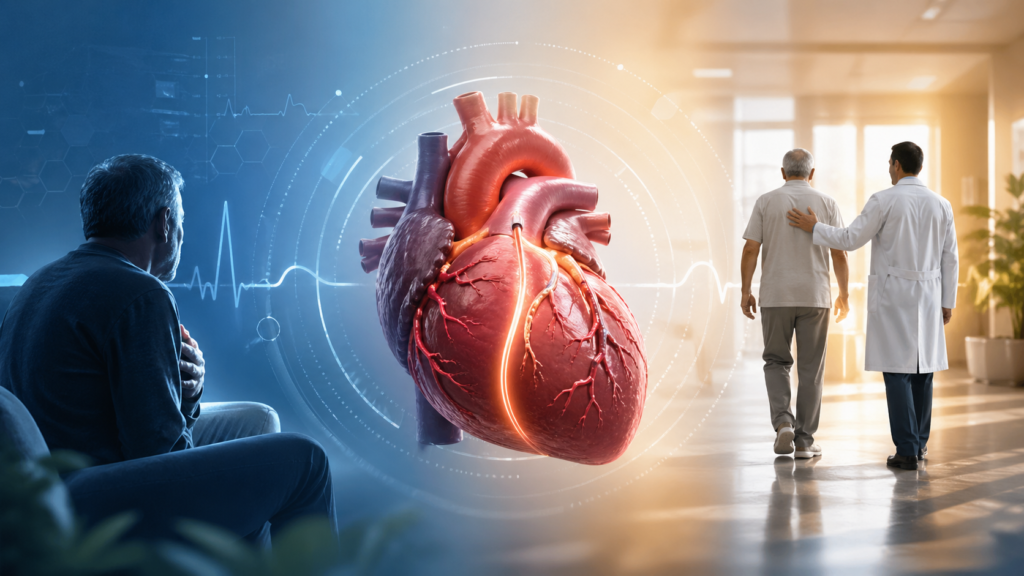
 Are you wondering exactly when is an aortic aneurysm dangerous for your health? Many patients ask this vital question every single day. Therefore, understanding this condition is absolutely crucial for your long-term survival. Dr. Vedprakash, a leading cardiac surgeon at dr-vedprakash.com, strongly advises early detection.
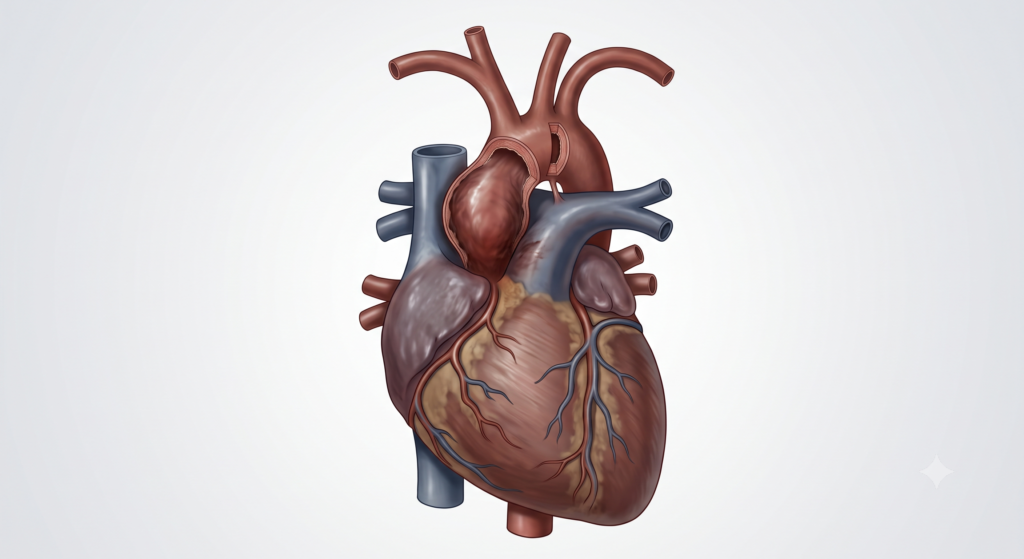
In fact, the aorta is the largest blood vessel in your body. It carries oxygen-rich blood away from your heart. Sometimes, a weak spot develops in the wall of this vessel. Consequently, it bulges outward like a balloon. This outward bulge is called an aneurysm.
However, not all aneurysms cause immediate harm. Some stay very small for your entire life. Others grow quickly and silently. Because of this, knowing the warning signs can literally save your life. In this comprehensive guide, we will explore everything you need to know.
What Exactly Is an Aortic Aneurysm?
First, we must understand how the heart and blood vessels work. The aorta looks like a thick, flexible garden hose. It travels from your heart down through your chest and stomach.
Unfortunately, high blood pressure or plaque buildup can weaken this vital hose. As a result, the blood pressure pushes against the weakened walls. Over time, the wall expands and becomes thinner.
There are two main types you should know about. Thoracic aneurysms occur in the chest area. Abdominal aneurysms happen in your belly region. Both types require careful monitoring by a medical professional. If the bulge stretches too far, it can suddenly burst.
Therefore, you must visit a specialist if you suspect a problem. Dr. Vedprakash routinely evaluates these exact conditions. Early screening remains the absolute best defense against a sudden rupture.
 When Is an Aortic Aneurysm Dangerous?
So, at what specific point is an aortic aneurysm dangerous? Generally, the danger level depends entirely on its size and growth rate. A small bulge under 3 centimeters is rarely a threat.
However, the risk increases as the diameter grows larger. Specifically, an aneurysm larger than 5 to 5.5 centimeters is highly alarming. At this size, the walls become dangerously thin. Consequently, the risk of a fatal tear or rupture skyrockets.
Furthermore, a rapidly growing aneurysm is also a massive red flag. If it grows more than 0.5 centimeters in six months, doctors worry. Therefore, your doctor will monitor the growth rate very closely.
Ultimately, an aortic aneurysm dangerous situation occurs when the vessel tears. This event is called an aortic dissection. It causes massive, life-threatening internal bleeding. This is a severe medical emergency requiring immediate surgery.
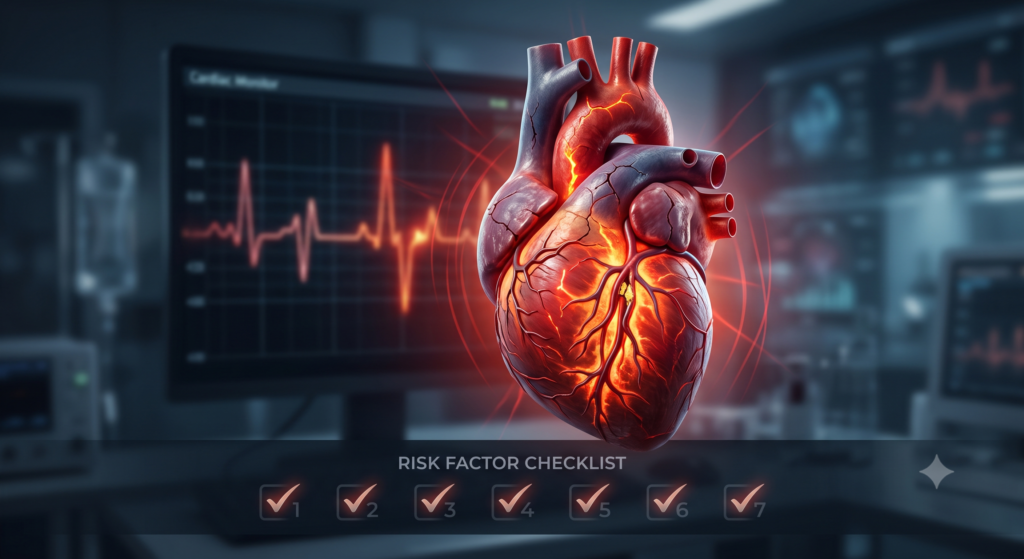
7 Critical Warning Signs You Must Not Ignore
Many patients experience absolutely no symptoms at first. However, as the bulge expands, it presses on surrounding organs. Therefore, you might notice specific physical changes. Here are seven signs making an aortic aneurysm dangerous to ignore.
 1. Sudden Chest or Back Pain First, unexplained pain is the most common symptom. You might feel a deep, steady ache in your chest. Alternatively, the pain might radiate into your upper back. This pain usually does not go away with rest.
2. Unexplained Shortness of Breath Second, breathing difficulties can occur without warning. A large thoracic aneurysm can physically press against your windpipe. As a result, you may feel breathless after mild activity. This happens because your lungs cannot expand fully.
3. Persistent Hoarseness or Coughing Third, vocal changes are a surprising but common symptom. The bulging blood vessel can compress the nerves near your vocal cords. Consequently, your voice might sound raspy. Additionally, you may develop a chronic, dry cough.
 4. A Rapid, Racing Heart Rate Furthermore, an aortic aneurysm dangerous situation strains the heart. Your heart must pump harder to move blood through the damaged vessel. Therefore, you might feel palpitations or a racing pulse.
5. A Pulsating Feeling in Your Belly Fifth, pay attention to sensations in your stomach area. If you have an abdominal aneurysm, you might feel a strange pulse. Specifically, it feels like a heartbeat near your belly button. This is a very strong warning sign.
6. Sudden Dizziness or Fainting Moreover, blood flow disruptions can affect your brain. If the aneurysm leaks, your overall blood pressure drops rapidly. Consequently, you may feel extremely dizzy or even pass out completely.
7. Sudden, Severe, Tearing Pain Finally, this is the absolute most critical emergency sign. If you feel a sudden, tearing pain in your chest or back, act immediately. This likely means the vessel has actually ruptured. You must call emergency services right away.
 Common Risk Factors for This Condition
Why do some people develop this dangerous condition? Several clear risk factors play a major role. First and foremost, smoking is the biggest culprit. Tobacco use severely damages and weakens your blood vessel walls.
Additionally, chronic high blood pressure is a massive risk. The constant force of blood literally stretches the aorta over time. Therefore, managing your blood pressure is absolutely essential for prevention.
Furthermore, age and genetics matter greatly. Most cases occur in adults over the age of 65. If your parents had this condition, your personal risk doubles. Consequently, family history dictates when you should start screening.
Finally, a history of heart disease increases your chances. Hardened arteries make the aorta stiff and prone to tearing. Thus, a healthy lifestyle prevents an aortic aneurysm dangerous progression.
 How Is This Heart Condition Diagnosed?
Fortunately, modern medicine makes diagnosis fast and painless. Because symptoms are rare, doctors often find aneurysms by accident. For instance, an X-ray for a different issue might reveal the bulge.
If Dr. Vedprakash suspects an issue, he will order specific imaging tests. First, an echocardiogram uses sound waves to check your heart. This test is completely non-invasive and highly effective.
Second, a CT scan provides highly detailed cross-sectional images. This scan shows exactly how large the bulge has grown. Consequently, the surgeon knows if an aortic aneurysm dangerous threshold has been crossed.
Finally, an MRI uses magnetic fields to produce 3D images. This gives the surgical team a perfect map of your blood vessels. Regular yearly scans are crucial if you have a small aneurysm.

Advanced Treatment Options with Dr. Vedprakash
If your condition requires action, do not panic. Dr. Vedprakash at dr-vedprakash.com offers state-of-the-art surgical solutions. First, if the bulge is small, watchful waiting is prescribed. You will simply take blood pressure medication and stop smoking.
However, if surgery is needed, you have excellent options. Traditional open-heart surgery involves replacing the damaged section with a synthetic tube. This permanently fixes the weakened vessel wall.
Alternatively, minimally invasive endovascular repair (EVAR) is often possible. During this procedure, the surgeon inserts a stent through a small artery in your leg. Ultimately, this reinforces the aorta from the inside out.
As a result, EVAR offers a much faster recovery time. Dr. Vedprakash will choose the best method for your specific body. Trusting an expert eliminates the fear of an aortic aneurysm dangerous outcome.

Conclusion: Protect Your Heart Today
In conclusion, understanding when is an aortic aneurysm dangerous empowers you to take control. You must never ignore sudden chest pain, pulsing sensations, or breathing issues. Early detection is the undeniable key to surviving this silent threat.
Therefore, if you have high blood pressure, a family history, or a history of smoking, act now. Schedule a comprehensive screening with Dr. Vedprakash at dr-vedprakash.com. Protecting your heart today ensures a much healthier, longer tomorrow.