
 Are you worried about recovery? Naturally, pain management after bypass surgery is a top priority for patients. Therefore, understanding this process is crucial before you leave the hospital. In addition, knowing exactly what to expect greatly reduces anxiety. Dr. Vedprakash is here to guide you through this journey. Ultimately, a smooth and comfortable recovery is highly possible.
Why is Proper Pain Control Important?
Healing takes significant time and deep patience. However, managing your discomfort is not just about personal comfort. Specifically, it actively prevents major post-operative complications. First, proper pain control allows you to breathe deeply without fear. Consequently, deep breathing keeps your lungs completely clear. Thus, you easily avoid severe infections like pneumonia.
Moreover, feeling less pain means you can move around sooner. Physical movement is absolutely essential for healthy blood flow. Therefore, frequent walking prevents dangerous blood clots from forming. In addition, resting comfortably speeds up your cellular repair. Conversely, severe pain causes unnecessary mental stress. Stress raises your heart rate and spikes your blood pressure. Obviously, your newly repaired heart desperately needs rest. Therefore, effective pain management after bypass surgery directly protects your surgical results. Dr. Vedprakash consistently emphasizes this vital point at dr-vedprakash.com.
The First 48 Hours in the Hospital
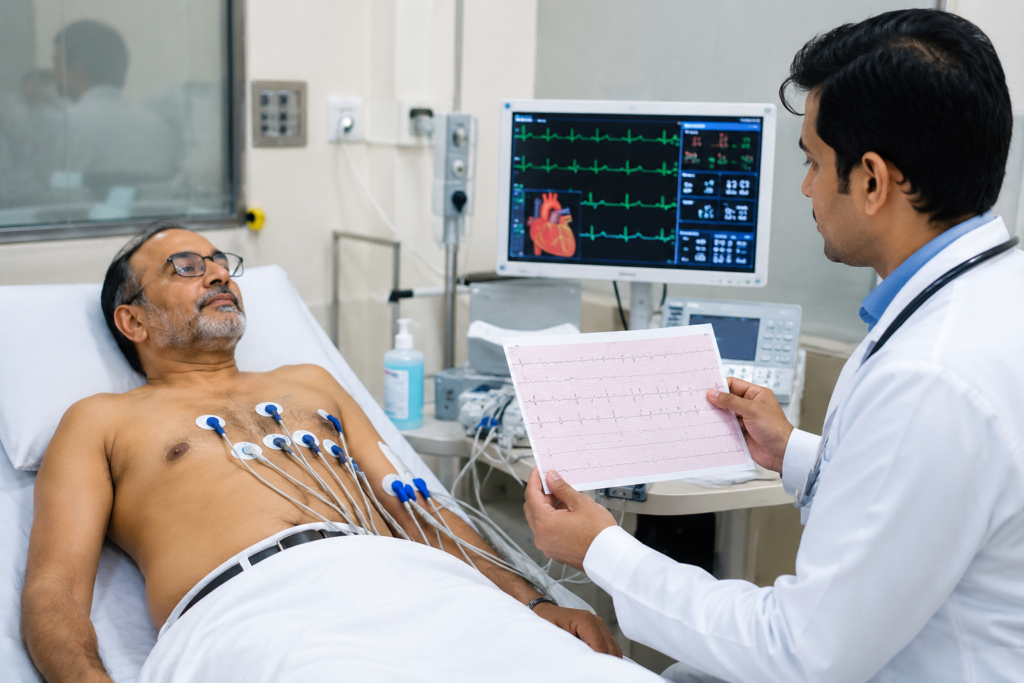
Immediately after surgery, you will rest in the ICU. During this specific time, trained nurses monitor you constantly. Furthermore, they administer pain relief directly through an IV line. Therefore, you will feel the medication’s effects very quickly.
Typically, you might feel heavy tightness in your chest. Alternatively, your throat may feel sore from the breathing tube. However, the medical staff will ask about your pain levels often. They use a standard zero to ten numerical scale. Always be completely honest about your physical discomfort. Consequently, they can adjust your exact dosage perfectly. Do not try to act brave or tough it out. Instead, ask for help the moment the ache starts.

5 Best Tips for Pain Management After Bypass Surgery
Transitioning home can certainly feel quite overwhelming. However, you can firmly control your own recovery. Here are five effective strategies for your daily routine.
1. Take Medication on a Strict Schedule Do not wait until the pain becomes totally unbearable. Instead, take your prescribed pills right on time. Therefore, you consistently maintain a steady level of relief. If you wait too long, the medication works much slower.
2. Use a Supportive Chest Pillow Coughing and sneezing can sharply hurt your healing incision. Consequently, a firm chest pillow is your absolute best friend. Simply hug it tightly against your chest when needed. Thus, it braces your fragile breastbone during sudden movements. In addition, it provides excellent comfort while you are sleeping.

3. Practice Deep Breathing Exercises You will receive a small spirometer from the hospital staff. Use it exactly as your care team directed. First, sit up completely straight in your chair. Next, inhale very slowly and deeply through the mouthpiece. Ultimately, this fully expands your lungs and reduces muscle stiffness. Furthermore, relaxed muscles always hurt significantly less.
 4. Engage in Gentle, Frequent Walking Staying in bed all day drastically increases body stiffness. Therefore, brief daily walks are highly recommended. For instance, safely walk around your living room a few times. However, never push yourself to the point of pure exhaustion. Movement releases natural pain-killing chemicals called endorphins. As a result, your body naturally fights the lingering pain.
5. Apply Heat or Cold Therapy Carefully Sometimes, severe muscle aches occur in your back or shoulders. Specifically, this happens because of your physical position during surgery. Consequently, a warm compress can easily relax those tense muscles. However, never apply heat directly to your actual surgical incision. Always consult Dr. Vedprakash before actively using these localized therapies.
Medications Used for Healing
Different types of medical drugs treat very different symptoms. First, your doctor may prescribe strong narcotic analgesics for severe pain. However, you will only use these for a very short time. Therefore, the risk of true dependency remains extremely low.
Next, you will safely transition to standard over-the-counter options. For example, acetaminophen is a very common and safe choice. Moreover, it is highly effective for managing moderate daily discomfort. NSAIDs, like traditional ibuprofen, are only sometimes used. However, they can negatively interfere with other important heart medications. Consequently, you must strictly follow the medication list provided by dr-vedprakash.com.
In addition, you might receive specialized nerve pain medications. Sometimes, patients feel strange numbness or tingling near the chest wound. Thus, specific prescription drugs beautifully target these sensitive nerve endings. Always report exactly what type of pain you feel to your doctor.
Emotional Well-being and Physical Discomfort
Mental health directly and heavily impacts your physical healing. In fact, unchecked anxiety can make your body feel more pain. Therefore, staying calm is a highly critical medical strategy. First, talk openly with your loving family about your feelings. Moreover, openly sharing your deep fears reduces your daily mental burden.
Furthermore, practice gentle mindfulness or meditation every single day. Simple relaxation techniques actively lower your stress hormones. Consequently, your tight muscles relax and your perceived pain decreases. Sometimes, mild post-surgery depression unexpectedly occurs. However, this is a very normal part of the healing process. If you ever feel utterly overwhelmed, inform Dr. Vedprakash immediately. Support is always available for you when you need it.
Preparing Your Home for a Smooth Recovery
Before you finally leave the hospital, your home must be ready. Specifically, a well-planned setup dramatically reduces physical strain. First, move all essential daily items to your waist height. Therefore, you will not need to painfully bend or stretch. Unnecessary reaching can severely aggravate your sensitive chest incision.
Next, set up a highly comfortable recovery chair. A sturdy recliner is often the very best choice for heart patients. In addition, carefully ensure your walking paths are clear of tripping hazards. Keep your mobile phone, essential medications, and a water glass nearby. Ultimately, a properly prepared home makes pain management after bypass surgery much simpler. You can focus entirely on resting and healing well.
Warning Signs You Should Never Ignore
Usually, standard pain management after bypass surgery works perfectly well. However, you must carefully watch for specific surgical danger signs. Immediate medical attention is sometimes critically necessary to prevent setbacks.
First, strictly watch out for sudden, overwhelmingly sharp chest pain. Specifically, pain that feels completely different from your normal surgical wound. Furthermore, notice if your main incision abruptly becomes red or swollen. Increased heat or warmth around the wound is a major red flag. Moreover, a high body fever indicates a possible internal infection.
Additionally, severe and sudden shortness of breath is a major warning. If your current pain medication suddenly stops working, call your doctor. Therefore, always keep emergency contact numbers visibly nearby. Dr. Vedprakash prioritizes your ultimate patient safety above all else.

Conclusion by Dr. Vedprakash
Recovery is never a fast race to the finish line. Instead, it is a slow, steady, and beautiful journey. Proper pain management after bypass surgery allows you to sleep soundly. Deep sleep is exactly when your body does its heavy lifting. Therefore, always create a quiet, perfectly comfortable sleeping environment.
Moreover, always sleep flat on your back to protect your healing chest. Use extra soft pillows to gently prop yourself up. Consequently, safely getting out of bed will be much easier. Eat highly nutritious, wholesome foods to perfectly fuel your recovery. Furthermore, drink plenty of fresh water to strictly flush out heavy medications.
In conclusion, firmly trust the entire medical process. Millions of people undergo this exact procedure incredibly successfully every year. Ultimately, your sharp discomfort will predictably fade day by day. By strictly following this guide, you boldly ensure a safe, comfortable healing phase. For more detailed resources, visit dr-vedprakash.com today. Effective pain management after bypass surgery is the golden key to getting your life back.