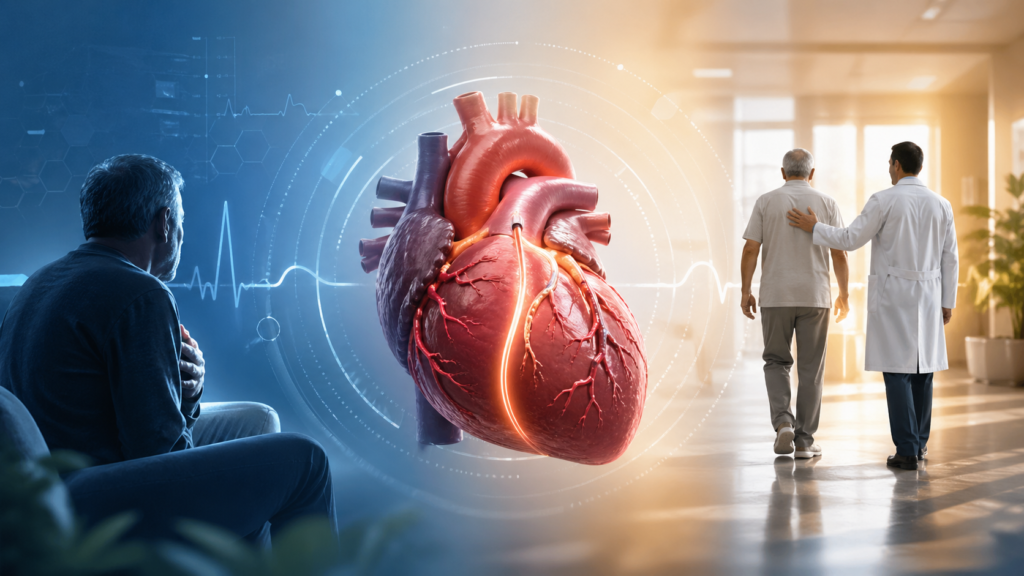
Symptoms After Stent Placement
Symptoms After Stent Placement are undergoing a heart procedure can feel overwhelming, and the recovery period often brings a lot of questions.
One of the most common concerns patients have is understanding what is normal and what is not during recovery.
If you or a loved one recently had an angioplasty, knowing the right symptoms after stent placement to monitor can literally save a life.
While modern cardiology has made this procedure incredibly safe, your body still needs time to heal and adjust.
Expert cardiologists, like Dr. Ved Prakash, always emphasize the importance of close monitoring during the first few weeks at home.
In this comprehensive guide, we will break down exactly what to expect, what is completely normal, and the critical red flags you must never ignore.
For personalized care and expert guidance, you can always consult Dr. Ved Prakash by visiting drvedpraksah.com.
What Happens During a Stent Recovery?
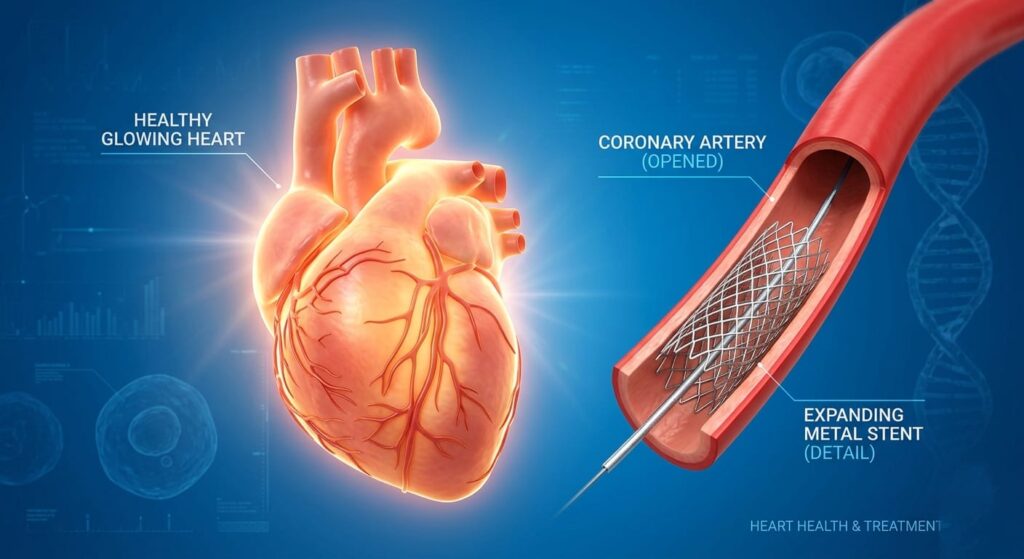
A stent is a tiny wire mesh tube placed inside your artery to keep it open and ensure healthy blood flow to your heart.
Because the procedure involves inserting a catheter—usually through your wrist or groin—your body undergoes minor trauma.
It is completely natural to feel a bit tired or sore in the days immediately following the surgery.
However, patients must differentiate between normal healing aches and dangerous symptoms after stent placement.
When in doubt, reaching out to a trusted specialist like Dr. Ved Prakash is the safest choice.
Normal Symptoms You Shouldn’t Worry About
Before we discuss the warning signs, let’s look at a few normal things you might experience.
Experiencing these does not mean your stent is failing. It simply means your body is doing its job to heal the insertion site.
-
Mild bruising: You may notice a small bruise where the catheter was inserted.
-
Slight soreness: The wrist or groin area may feel tender to the touch for a few days.
-
Fatigue: Feeling tired is your body’s way of asking for rest. Take it easy!
-
A small lump: A pea-sized lump at the puncture site is common and usually harmless.
If these minor issues persist for weeks, you can schedule a quick follow-up at drvedpraksah.com.

5 Warning Signs to Watch For
While recovery is usually smooth, complications like blood clots or infections can occasionally occur.
According to top experts like Dr. Ved Prakash, ignoring severe symptoms can lead to heart attacks or artery blockages.
Here are the 5 major warning symptoms after stent placement that require immediate medical attention.
1. Severe or Returning Chest Pain
This is the most critical warning sign.
If you feel the exact same chest pain (angina) that you felt before the stent was placed, it is a massive red flag.
-
It might feel like a heavy weight pressing on your chest.
-
The pain may radiate to your jaw, neck, or left arm.
-
It could be accompanied by a cold sweat.
This type of pain might indicate that the stent has become blocked by a blood clot (stent thrombosis).
Do not wait to see if it goes away. Seek emergency medical help immediately, and follow up with Dr. Ved Prakash once stabilized.
2. Sudden Shortness of Breath
Feeling slightly winded after climbing a flight of stairs is normal, especially if you have been resting.
However, sudden and severe shortness of breath while resting is one of the most alarming symptoms after stent placement.
-
You may feel like you cannot pull enough air into your lungs.
-
You might experience a choking or drowning sensation.
-
This can happen even while lying flat in bed.
Shortness of breath can indicate that your heart is not pumping effectively or that there is a new blockage.
Prompt evaluation by an experienced cardiologist like Dr. Ved Prakash is essential.
3. Heavy Bleeding or Rapid Swelling at the Insertion Site
Because you will be prescribed blood-thinning medications to keep the stent open, bleeding is a known risk.
While a few drops of blood or a small bruise at the catheter site (wrist or groin) is normal, excessive bleeding is not.
Watch out for the following:
-
Blood rapidly soaking through your bandages.
-
A lump under the skin that is growing larger by the hour.
-
Severe pain, numbness, or a cold sensation in the arm or leg used for the procedure.
If pressure does not stop the bleeding within 10 minutes, go to the emergency room.
Dr. Ved Prakash always advises patients to keep the insertion site clean, dry, and carefully monitored.
4. Dizziness, Lightheadedness, or Fainting
Feeling constantly dizzy or actually fainting (syncope) is a sign that your brain is not getting enough oxygen-rich blood.
While some new medications might cause slight dizziness as a side effect, extreme lightheadedness is a warning sign.
-
You might feel like the room is spinning when you stand up.
-
You may experience brief moments of blacking out.
-
Your heart might feel like it is racing or fluttering (palpitations).
Irregular heartbeats or drops in blood pressure often cause these specific symptoms after stent placement.
Do not attempt to drive. Have someone take you to a clinic or contact dr-vedpraksah.com for an urgent consultation.
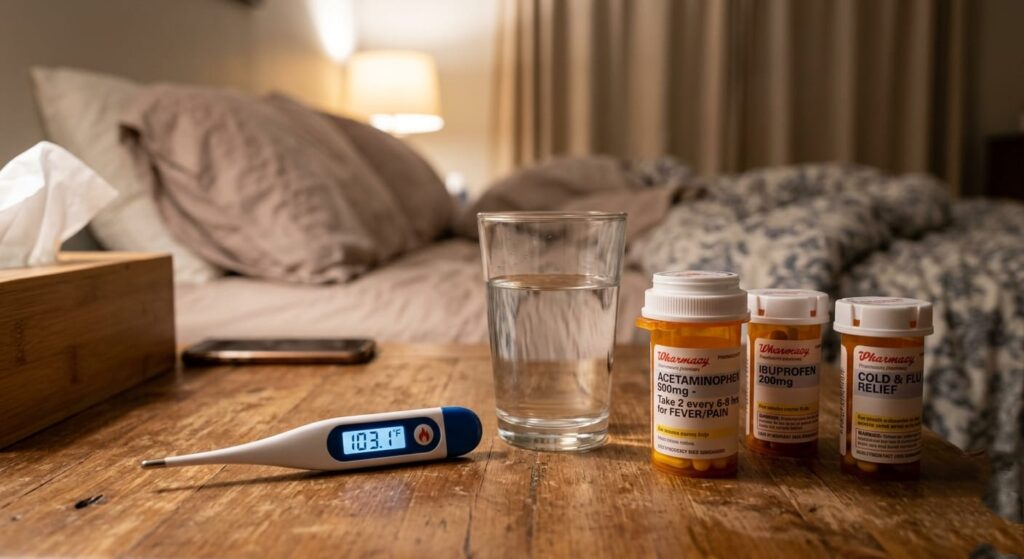
5. Signs of Infection (Fever and Chills)
Any medical procedure that breaches the skin carries a small risk of infection.
Though rare in stent placements, an infection at the catheter insertion site can quickly spread to your bloodstream.
Keep a close eye out for:
-
A fever of 100.4°F (38°C) or higher.
-
Unexplained chills or body aches.
-
Redness, intense heat, or foul-smelling yellow discharge at the puncture site.
Infections require prompt antibiotic treatment.
If you notice these signs, Dr. Ved Prakash and his team at can provide the necessary prescriptions to clear it up quickly.
[PASTE IMAGE 4 HERE]
How to Ensure a Smooth Recovery
Monitoring for dangerous symptoms after stent placement is only half the battle.
The other half is actively participating in your own recovery through healthy habits.
Dr. Ved Prakash recommends a holistic approach to keep your heart—and your new stent—in perfect condition.
Never Skip Your Medications
After your procedure, you will be prescribed antiplatelet medications (blood thinners).
-
These prevent blood clots from forming inside the new metal stent.
-
Stopping these abruptly can be fatal.
-
Always consult Dr. Ved Prakash before changing your dosage.
Adopt a Heart-Healthy Diet
What you eat directly impacts your arteries.
-
Cut down on saturated fats, trans fats, and excess sodium.
-
Load up on leafy greens, whole grains, and lean proteins.
-
A healthy diet prevents plaque from building up around your new stent.
Gradually Return to Exercise
Do not rush back into heavy lifting or intense cardio.
-
Start with light, short walks around your house.
-
Avoid lifting anything heavier than 10 pounds for the first week.
-
Follow the exact cardiac rehabilitation plan provided at drvedpraksah.com.

Why Choose Dr. Ved Prakash?
When dealing with something as vital as your heart, you need a doctor you can trust completely.
Dr. Ved Prakash is a highly respected specialist known for his precise diagnostic skills and compassionate patient care.
Whether you need a routine check-up, a second opinion, or post-operative monitoring, his clinic offers world-class cardiac care.
By visiting drvedpraksah.com, you get access to:
-
State-of-the-art diagnostic testing.
-
Personalized post-stent recovery plans.
-
A dedicated team that listens to your concerns.
-
Expertise in managing all symptoms after stent placement.
Do not leave your heart health to chance. Book your consultation today and ensure your recovery is on the right track.
Conclusion
A stent is a fresh start for your heart, giving you the chance to live a longer, healthier life.
By knowing exactly which symptoms after stent placement are normal and which are warning signs, you can recover with peace of mind.
Always watch out for chest pain, shortness of breath, bleeding, dizziness, and fever.
If you experience any of these 5 warning signs, act immediately.
For routine follow-ups and the best cardiac advice, trust the expertise of Dr. Ved Prakash.
Visit dr.vedpraksah.com today to schedule your appointment and take control of your heart health!