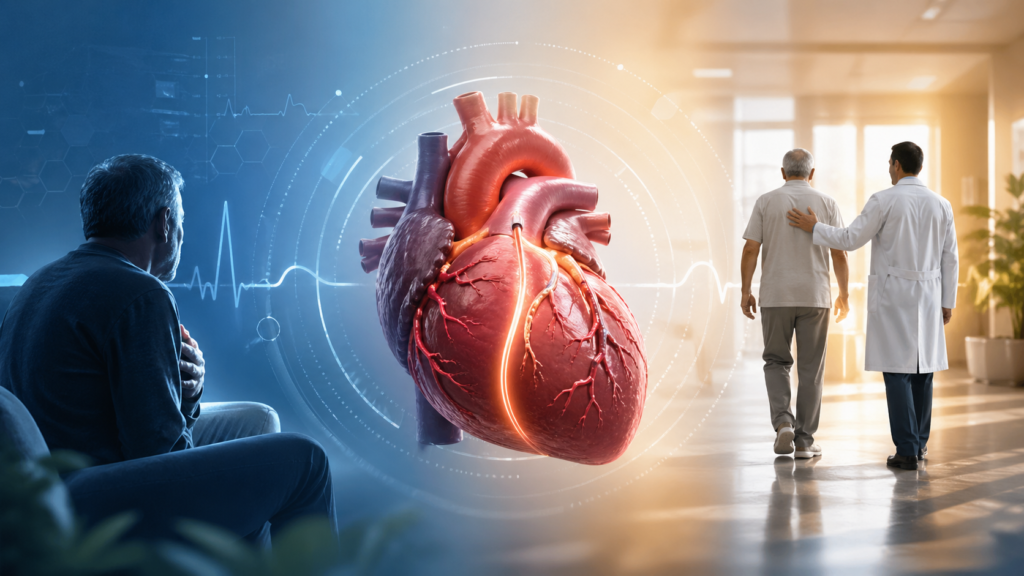

Many patients frequently ask, does anxiety cause high blood pressure? Yes, the connection between your mind and your heart is very real. Therefore, understanding this dangerous medical link is vital for your overall health.
When you feel stressed, your body reacts instantly to the threat. Consequently, your nervous system triggers a rapid and intense physical response. Dr. Vedprakash often sees this frightening phenomenon at dr-vedprakash.com.
Furthermore, ignoring these mental triggers can lead to serious physical problems. Because of this, we must explore exactly how stress affects your body. Indeed, knowing the facts could eventually save your life.
Exactly How Does Anxiety Cause High Blood Pressure Spikes?
First, we must carefully examine how sudden stress alters your body. When sudden panic sets in, your brain releases powerful stress hormones. These specific chemicals, like adrenaline, flood directly into your active bloodstream.
As a result, your heart immediately begins to beat much faster. Furthermore, your blood vessels physically narrow to redirect vital blood flow. This sudden narrowing forces your resting blood pressure to spike sharply.
So, does anxiety cause high blood pressure on a permanent basis? Usually, these dramatic physical spikes are temporary but still quite dangerous. However, repeated sudden spikes can eventually damage your delicate blood vessels.
Over time, damaged vessels lead to serious cardiovascular complications. Therefore, you cannot afford to ignore frequent episodes of extreme stress. Ultimately, managing your mental state protects your physical vascular system.
Understanding the Powerful Fight or Flight Response
Historically, this exact physical reaction helped early humans survive dangerous situations. For example, running from a wild predator required sudden energy bursts. Today, however, simple daily workplace stressors trigger this exact same reaction.
Consequently, your heart works extremely hard for absolutely no physical reason. During a severe panic attack, the physical symptoms often mimic a heart attack. For instance, you might experience chest pain, sweating, and a racing heartbeat.
Therefore, many frightened patients rush straight to the hospital emergency room. Dr. Vedprakash always advises nervous patients to take these symptoms seriously. Never ignore sudden chest pain, even if you suspect severe anxiety.
In addition, prolonged panic attacks exhaust your delicate heart muscle completely. Because of this, your body requires significant time to fully recover. Thus, resting after a stressful event is absolutely crucial for health.

The Hidden Danger of White Coat Syndrome
Sometimes, the medical clinic itself is the actual source of stress. Specifically, this common phenomenon is known as “white coat syndrome.” When visiting a doctor, nervous patients experience sudden, severe blood pressure spikes.
As a result, doctors might record a falsely high medical reading. Therefore, patients often wonder, does anxiety cause high blood pressure during exams? Yes, the simple fear of bad news triggers immediate vascular narrowing.
To prevent this, doctors usually take multiple readings during your visit. Furthermore, they might ask you to monitor your pressure at home. Consequently, home monitoring provides a much more accurate daily average.
Ultimately, communicating your clinical fears to Dr. Vedprakash is very important. He can create a relaxing, stress-free environment for your medical exam. Thus, you will receive a highly accurate, proper cardiac evaluation.
Chronic Stress versus Temporary Heart Strain
While sudden panic causes temporary spikes, chronic stress is subtly different. Chronic stress means you feel constantly worried every single day. Consequently, your nervous system remains stuck on a high alert setting.
Because of this constant alert, your blood pressure rarely drops normally. Over time, this constant physical pressure strains your heart muscle significantly. Moreover, your kidneys suffer from this constant high-pressure blood flow.
So, in the long term, does anxiety cause high blood pressure permanently? Medical experts agree that chronic stress accelerates permanent arterial damage. Therefore, untreated chronic worry is a major risk factor for hypertension.
In addition, high cortisol levels from stress promote dangerous fat storage. Specifically, this harmful fat gathers around your most vital internal organs. Ultimately, this weight gain further increases your daily blood pressure readings.
Indirect Causes: Unhealthy Habits and Coping Mechanisms
In addition to direct physical spikes, stress changes your daily habits. Highly anxious individuals often struggle to maintain healthy daily lifestyle choices. For instance, they might sleep poorly or eat heavily processed foods.
Moreover, extreme stress often leads to increased alcohol consumption or smoking. People use these highly addictive substances to quickly numb their worry. Ultimately, these bad chemical habits are known causes of chronic hypertension.
Thus, anxiety indirectly ruins your long-term cardiovascular health over time. Furthermore, depressed or anxious patients rarely exercise on a regular basis. Because of this, their physical cardiovascular fitness rapidly declines over time.
Additionally, a lack of deep sleep prevents your heart from resting. Nighttime is when your cardiovascular system is supposed to heal completely. Therefore, chronic insomnia directly contributes to sustained, dangerously high blood pressure.
5 Proven Ways to Protect Your Heart Today
Fortunately, you can take immediate daily action to protect your heart. By actively managing your mental health, you lower your physical risks. Here are five highly effective strategies to reduce your stress levels:
-
Practice Deep Breathing: Slow breaths signal your brain to relax immediately.
-
Exercise Daily: Physical activity naturally burns off excess harmful stress hormones.
-
Limit Daily Caffeine: Excess coffee can easily trigger artificial panic attacks.
-
Improve Your Sleep: A rested brain handles daily anxiety much more effectively.
-
Seek Medical Help: Never hesitate to consult a professional for proper medication.
In conclusion, taking control of your racing mind saves your heart. For example, just ten minutes of daily meditation lowers your pressure. Therefore, you must prioritize your mental peace for cardiovascular longevity.
Expert Cardiac Advice from Dr. Vedprakash
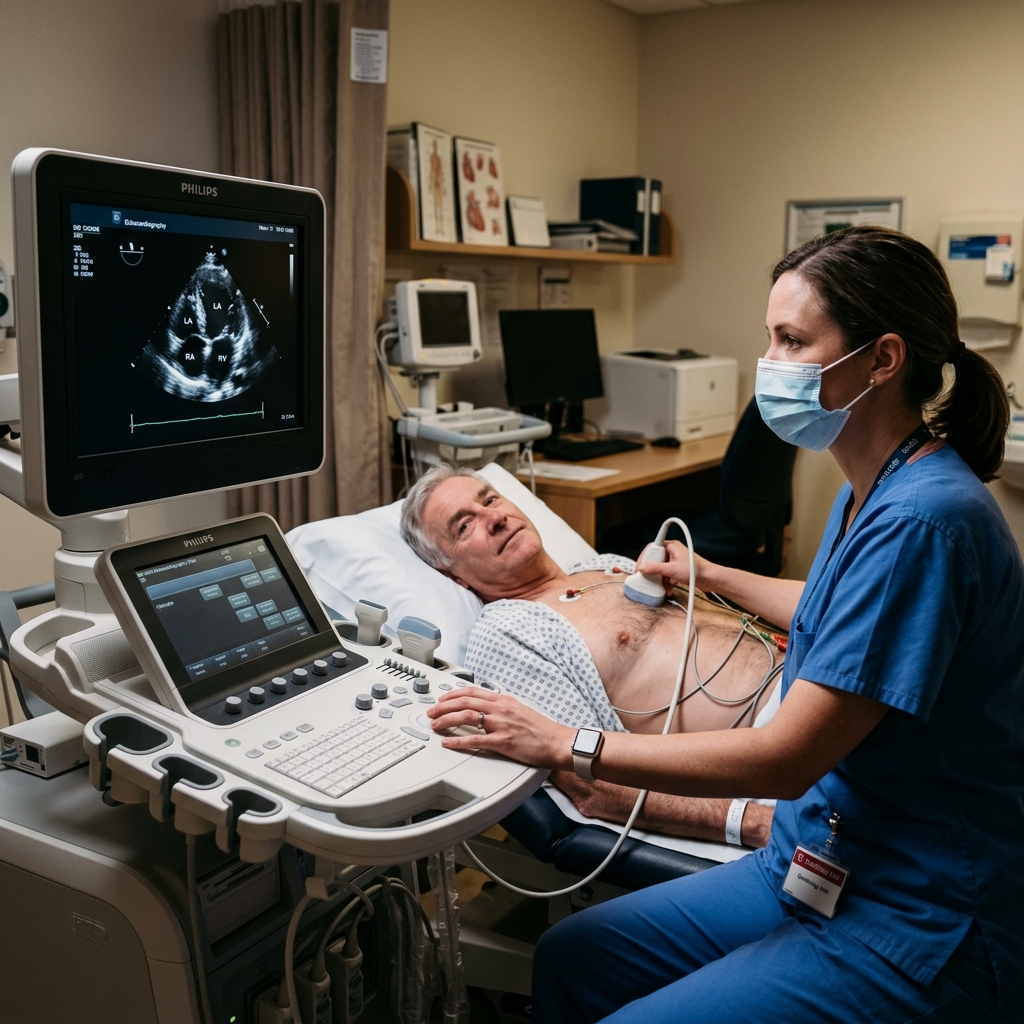
If you still constantly wonder, does anxiety cause high blood pressure, please consult an expert. Dr. Vedprakash provides highly comprehensive cardiac evaluations to rule out dangerous conditions. Therefore, getting a professional medical diagnosis brings you immediate peace of mind.
To thoroughly learn more about your heart health, visit dr-vedprakash.com today. Early medical detection is always the best defense against complex cardiovascular disease. Furthermore, Dr. Vedprakash can properly guide you toward effective stress management.
Finally, always remember that properly treating your anxiety is treating your heart. You do not have to live with constant fear and panic. Thus, reaching out for professional medical help is your best first step.